
Patagonia. The word itself carries a mythic weight. Speaking the name evokes reverence and remembrance. I retrace vivid encounters with pumas, condors, guides, and gauchos. I am transported—lost in the range and scale of terrestrial majesty.
How can one be homesick for a place that is not home? Why does Patagonia tug so resolutely at thought and feeling?
On Patagonian pilgrimages, I am outside of time, lost in reverie and wonder. Journeys are punctuated by compulsive astonishment stops and unplanned rambles. Awe awakens, maturing into a reliable reflex.
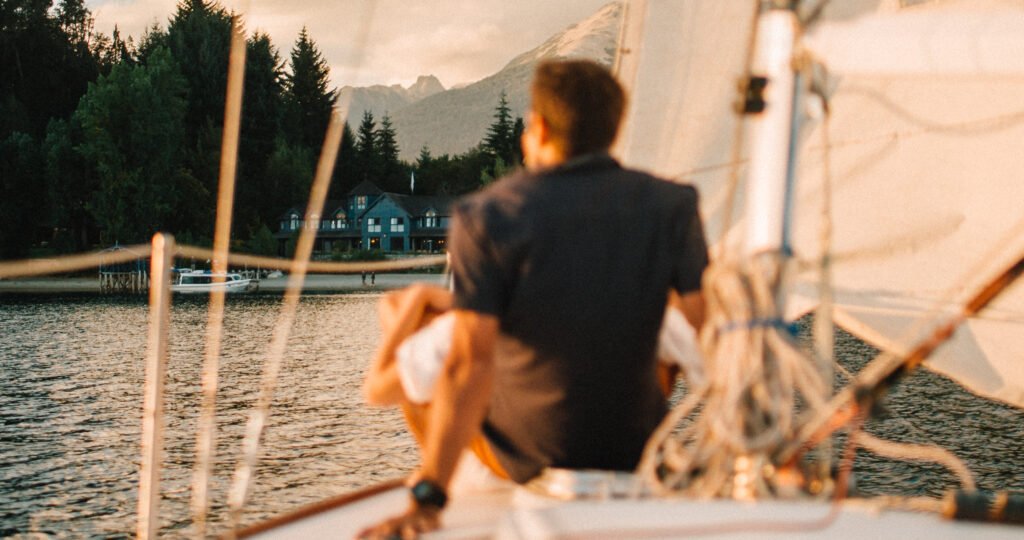
Patagonia is renowned for its natural beauty and acclaimed for its spirit. This is the domain of ancient cultures; the last hope of immigrants and exiles; the sanctuary of wanderers, warriors, and legends.
For those who roam, Patagonia is symbolic—a manifestation of wildness, freedom, solitude, and frontier. Of open road and untapped adventure. A new world to explore and revere.
At this far edge of the world, creation crescendos in roaring rivers and majestic heights. Her interludes are endless steppe, dazzling sunsets, and starry heavens.
In the north, primeval forests mantle the shoulders of capricious volcanoes. In the south, granite giants crumble into brittle spires. Along the Andean spine, mighty rivers of ice resolve into cerulean stillness.
Is Patagonia worth it? This is a question we are asked frequently, and one we answer with confidence. Yes. Without qualification. Here is why.
The Scale
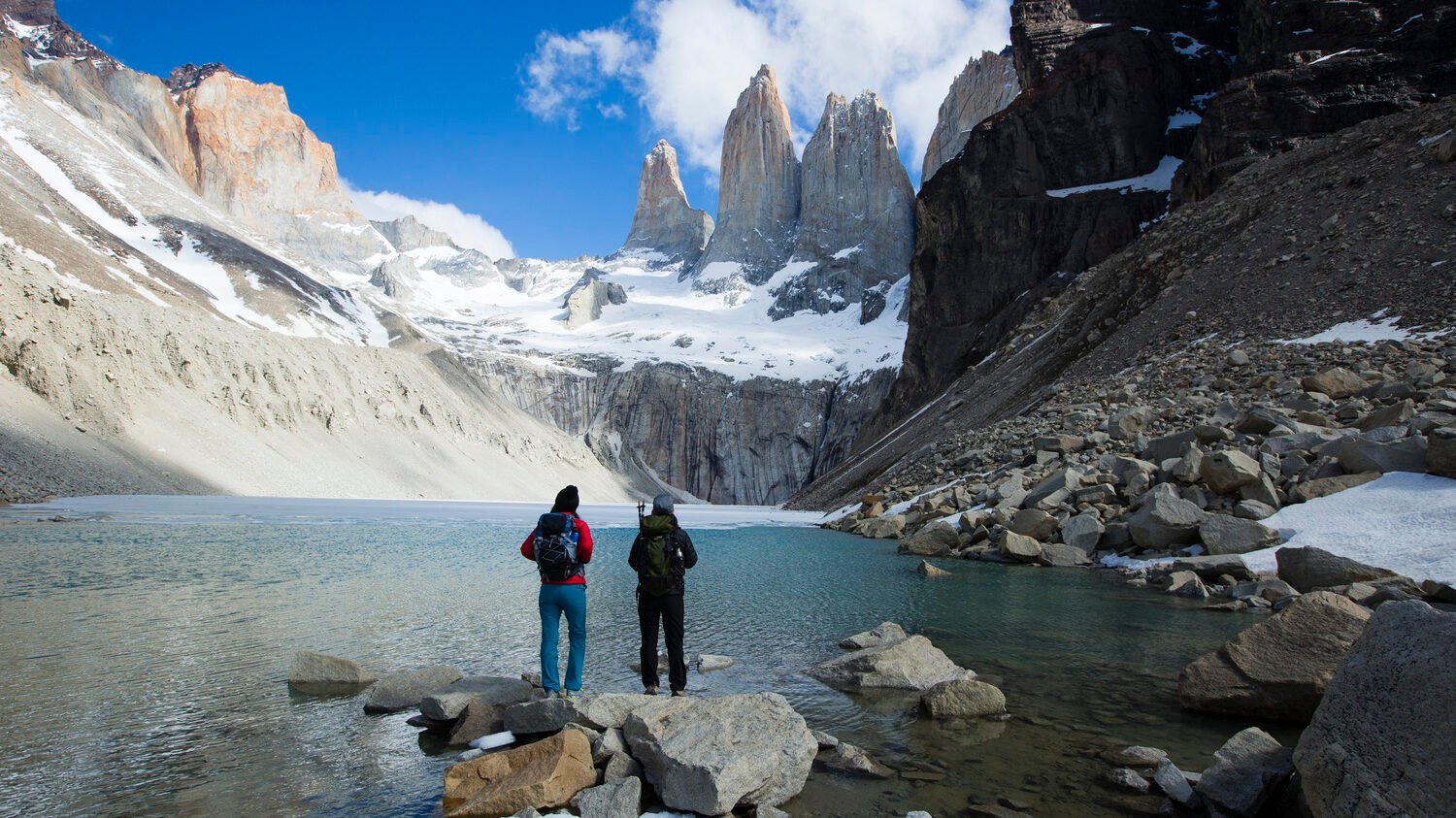
We live in an era of compressed images—landscapes reduced to phone screens, wildlife condensed to documentary footage, distance collapsed by communication. Patagonia resists all of that. The scale of the Southern Andes and the span of Patagonia’s endless steppe are awe-inspiring; these places put you back into proper perspective, right-sizing you to the universe. The result is wonder and humility, insight and transformation.
The massive glaciers must be experienced physically to be understood. The crack and roar of calving, the wave that rolls across the lake, the piece of ice the size of a house floating serenely away—none of this translates to a screen. You have to be there.
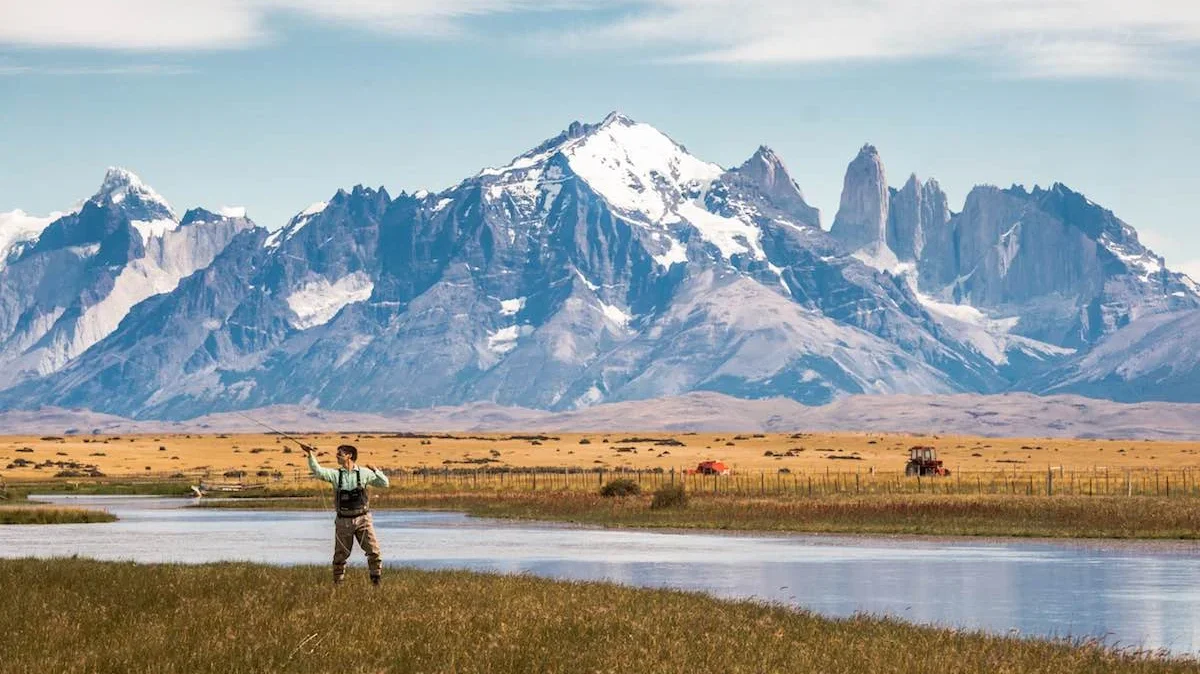
This is not a common thing in the world. Most great landscapes have been photographed into abstraction. Patagonia retains the power to surprise you with another valley, another view, a deeper encounter. It is larger than you expected. Wilder. More affecting. More real, present, and powerful.
The Wildlife Is Specific and Extraordinary
The puma sighting in Torres del Paine—a female with two cubs, moving along the ridge above Lago Nordenskjöld in the amber light of a March afternoon—is the kind of experience that travel writers struggle to express.
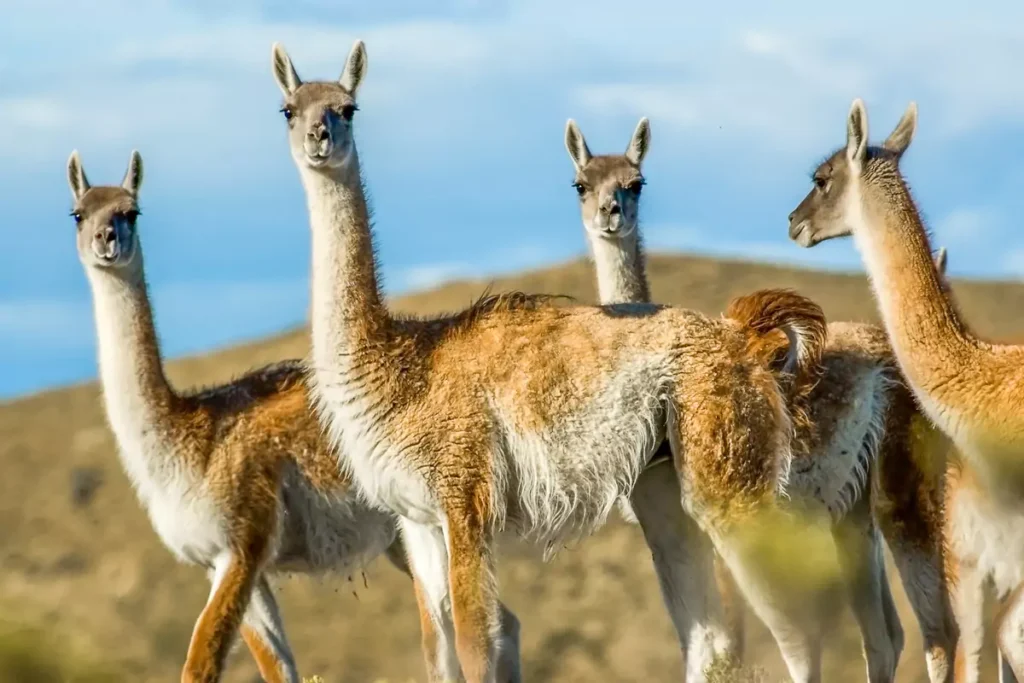
The condors overhead, the guanacos and rheas in the valley below, the black-necked swan on the grey water of the estuary: Patagonia’s wildlife doesn’t have the density of Africa or the Amazon, or the fearlessness of Antarctica or the Galapagos, but it is uniquely untamed and magnificent.
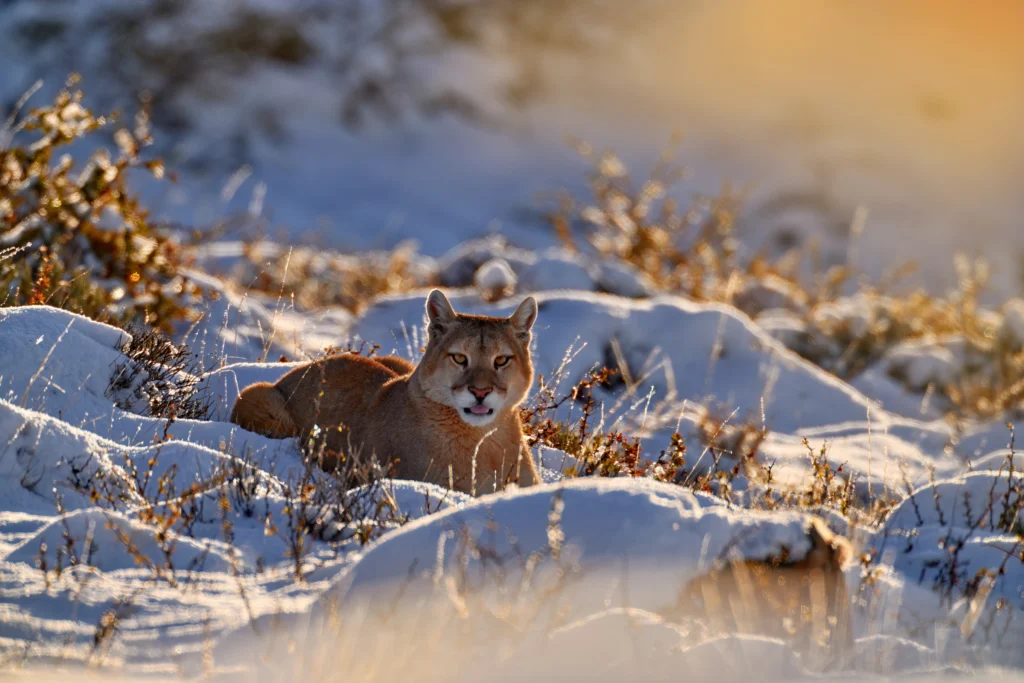
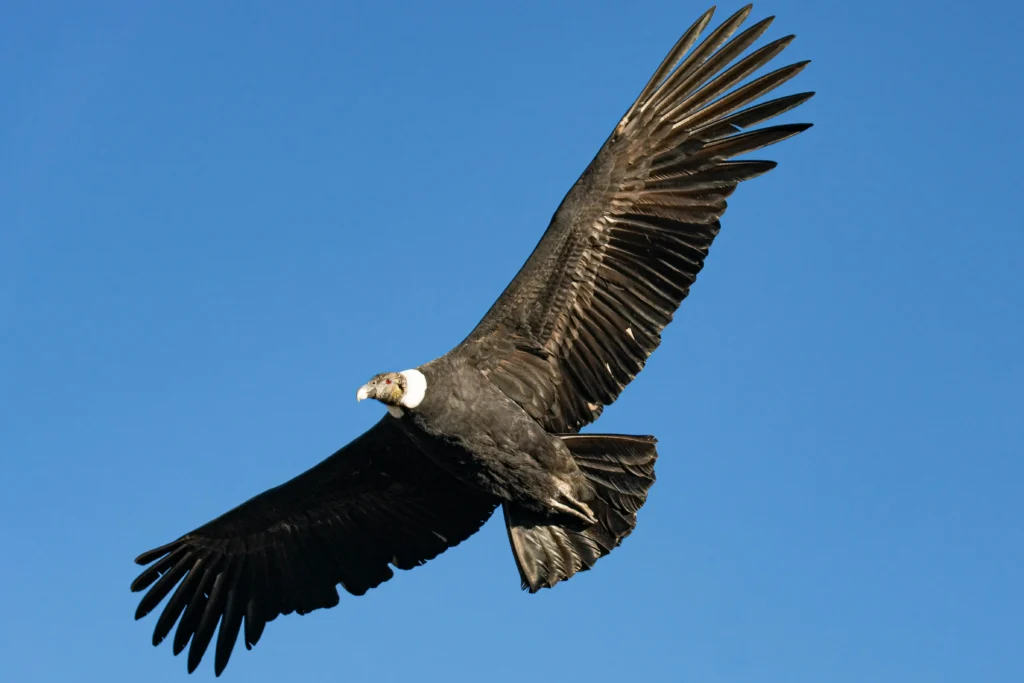
Nature is alive here. She whispers in the eternal wind, the song of hopeful birds, and the crack of ancient ice. Come and hear what you’ve been missing.
“Exactly the bonding and sharing experience we’d hoped for. The rhythm, variety, and tone was spot on. With effective listening skills, you built a good picture of what we wanted–more complicated than ‘just’ luxury. The result was a great trip through Argentine Patagonia, one made just for us.” – Gesine Holschuh, LANDED Traveler
The Lodges
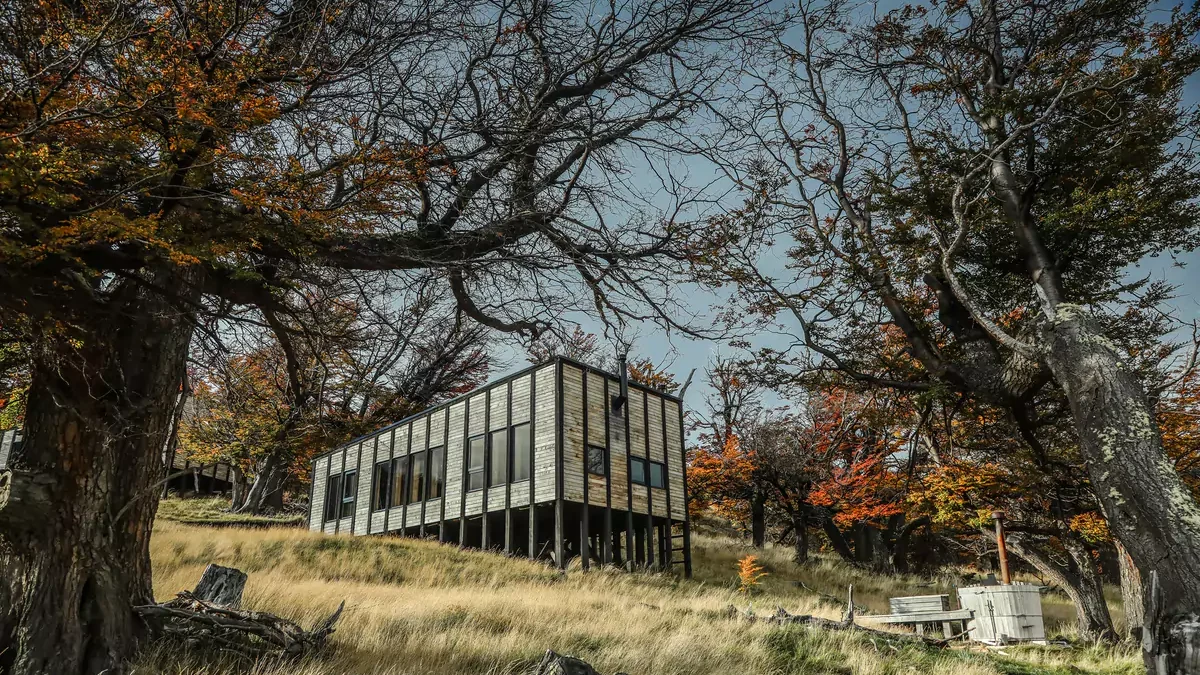
The best lodges in Patagonia constitute some of the finest hospitality experiences available anywhere. The views, hospitality, excursions, and guides are world-class.
The lamb slow-cooked in the asado pit. The wines from Colchagua and Uco. The post-hike hot tub as the Andes catch last light. These are pleasures inherent to what Patagonia is.
LANDED has direct, long-standing relationships with the best lodges and hotels across Patagonia—from Villa la Angostura and Pucon to Torres del Paine and Tierra del Fuego. Chances are, we’re good friends with the lodge owner and manager. We’ve worked with, hiked with, and laughed over dinner with the top guides.
When you experience Patagonia with LANDED, you’re accessing decades of first-hand experience and connection.
What Patagonia Asks of You
Patagonia is not a passive destination. The wind requires a form of physical and psychological surrender—there are days when it dominates everything, when plans change, and routes adjust. The distances are vast; the logistics require true expertise. This is not a place for improvisation or winging it.
LANDED travelers arrive prepared. The planning is complete—everything custom-tailored to your style and requirements. The lodges are confirmed. The guides know the terrain and the wildlife patterns. What remains is the wide-open opportunity to be awed—to experience wonder and majesty on a grand scale. To be transformed and renewed. To know a place of raw beauty, to which you will long to return.
PRICING NOTE
LUXURY FULL-BOARD PATAGONIA LODGES TYPICALLY RANGE FROM $1,639.44 PER PERSON PER NIGHT BASED ON DOUBLE OCCUPANCY.
“In Patagonia, you can experience nature’s raw power and wild beauty on an unmatched scale. Its majesty awakes your sense of awe. It has the power to inspire transformation. When we visit Patagonia, we return home renewed and rewarded.” – John Montgomery, Co-Founder of LANDED
“The very names evoke so much, and are their own justification for this journey, for one must hurry if one is still to glimpse the earth’s last wild terrains. The greatest of these, the oceans and Antarctica excepted, lie not in Africa but within the mysterious continent of South America.”—Peter Matthiessen