
From a Guide’s Perspective
Antonia was born in Chile, and her passion for travel and discovery has shaped both her life and career, leading her to study Hotel Management in Switzerland and live in several countries. She also guided in Torres del Paine, where Patagonia’s wild, unspoiled landscapes deepened her appreciation for nature, conservation, and travel’s transformative power. With a love for photography, the outdoors, and cultural connection, she is passionate about crafting thoughtful, personalized journeys that inspire lasting connections to extraordinary places.
Now, as a Travel Designer for LANDED, Antonia draws on her extensive, firsthand knowledge of Patagonia. She brings the greatest lesson she learned on those rugged trails to her custom itineraries: “Quien se apura en la Patagonia pierde su tiempo,” helping travelers slow down to truly connect with the untamed beauty of the destinations they visit.
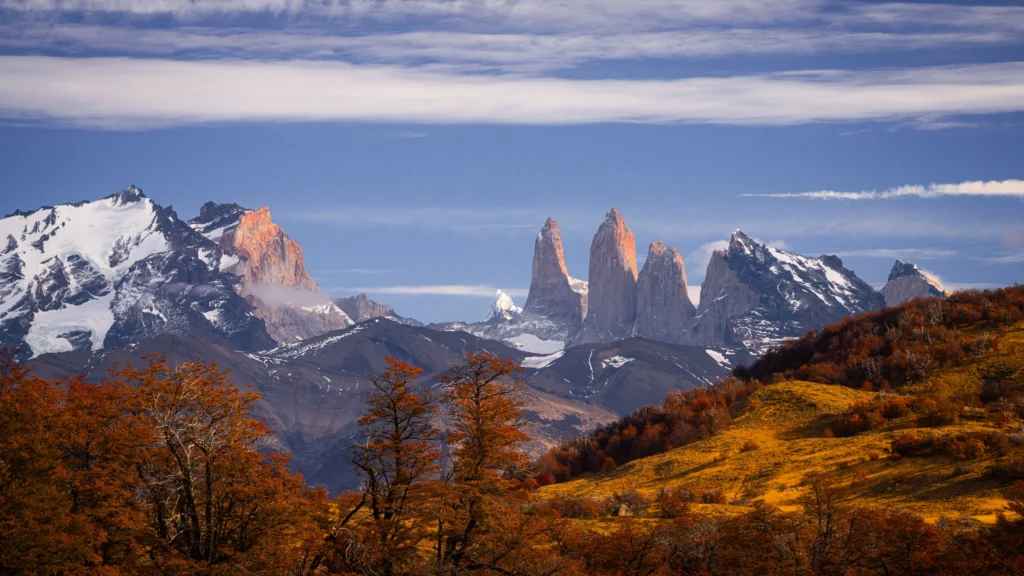
How did your journey in Torres del Paine begin, and what draws you back?
Working as a guide in Torres del Paine during my first season in 2017 gave me the opportunity to experience the W Trek’s most iconic highlights countless times through daily hikes, returning to the hotel after each excursion, before eventually completing the full W Trek itself. After finishing university abroad, living in different countries, and then unexpectedly finding the chance to return during the pandemic, I came back for three more seasons. There always seemed to be a reason to return; something about Torres del Paine is deeply captivating, a place whose wild beauty stays with you and keeps calling you back.
Over those seasons, I explored the W iconic sections of Base Torres, French Valley, and Grey Glacier repeatedly, both as individual day hikes and as part of the complete W, which gave me a profound appreciation for just how special this trek truly is.
What makes the W so remarkable is that it combines some of the park’s most spectacular landscapes with an accessibility that allows many of its highlights to be experienced individually, while still offering an unforgettable sense of adventure when completed as a whole. Each section has its own distinct personality, from the dramatic granite towers to the sweeping valley vistas and the immense beauty of the Grey Glacier.
The W is unforgettable because it captures the very essence of Torres del Paine’s grandeur, delivering those world-famous moments that leave you in awe again and again.
The O-Circuit is a totally different beast. It loops around the remote ‘back side’ of the Paine massif, where most visitors never go, requiring backcountry camping and leaving the refugio comforts behind. How did your experience shift when you took on a heavy pack and ventured into this wilder, more demanding territory?
When I completed the full O Circuit, I discovered a completely different side of Torres del Paine. The O Circuit goes beyond the classic highlights and takes you around the remote backside of the Paine massif, where the trails are quieter, the landscapes feel wilder, and the views are simply breathtaking. Carrying a heavy pack for eight days was physically demanding, trading the comfort of my own bed for a tent, dealing with blisters, sore muscles, and all the little discomforts that come with life on the trail, but every single step was absolutely worth it. The challenge made the experience even more rewarding, and the raw beauty of the less-traveled side of the park was unlike anything I had experienced before.
I was also incredibly lucky that Patagonia was on our side when it came to the weather. We had almost no rain, plenty of sunshine, and most unbelievably, very little wind. Anyone who knows Patagonia knows how rare that is. The wind there can be relentless (wind gusts reaching up to 75 mph) and has a way of reminding you that nature is always in charge. In Torres del Paine, the weather sets the rules, and you quickly learn that the mountain decides everything.
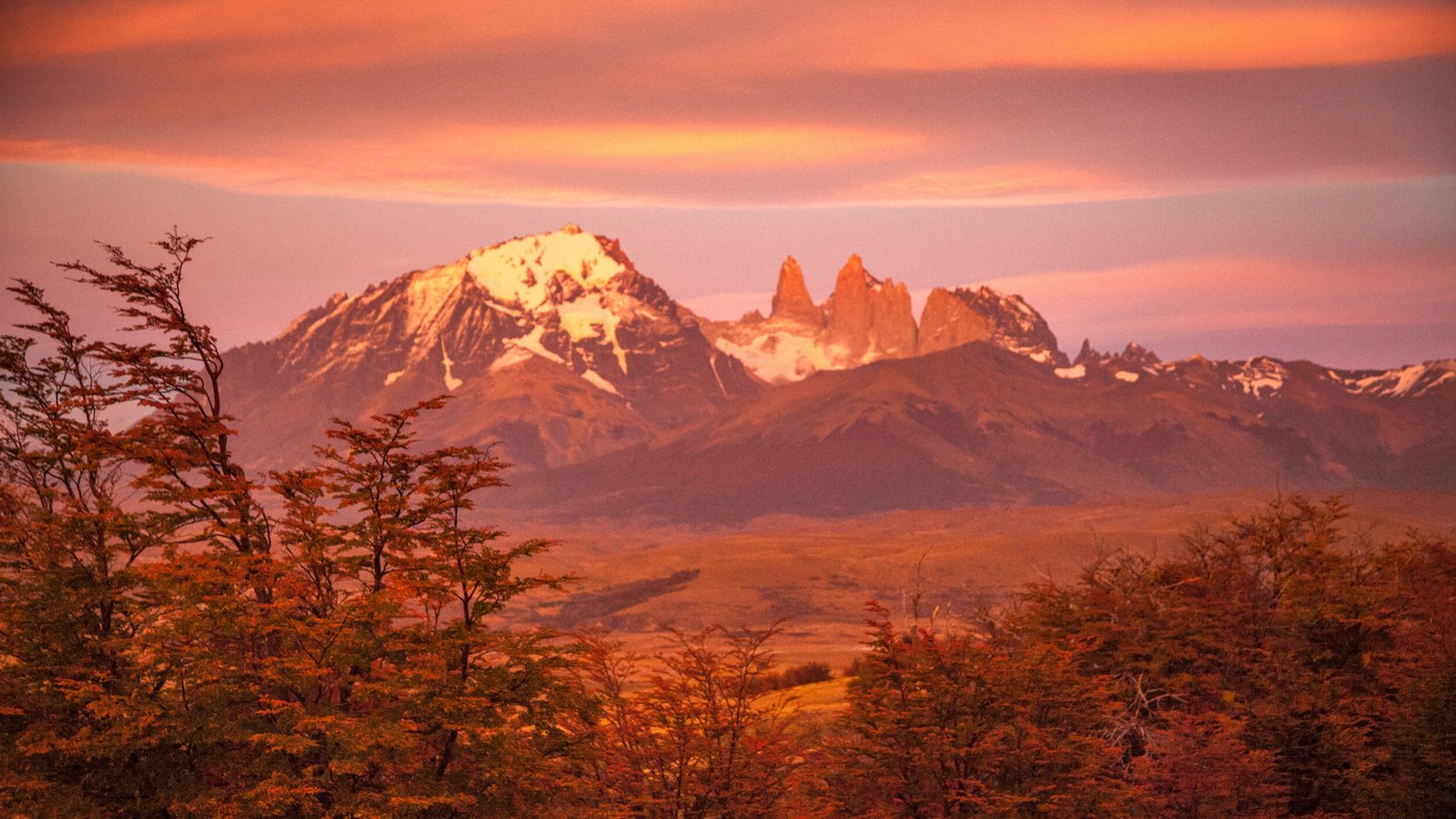
Hikers often talk about the overwhelming scale of the glaciers and peaks, of feeling ‘small’ in the face of nature. While those sweeping views are a huge draw, what moments on these long-distance hikes left the deepest impression on you?
What truly makes the O Circuit special is the sense of camaraderie. Because the circuit can only be done in one direction, everyone follows the same route, stays in the same camps or Refugio’s each night, and shares the same challenging physical and mental ups and downs, the breathtaking scenery, while the rhythm of the trail creates a quiet but powerful bond. For eight days, you keep seeing the same faces, people who begin as strangers gradually become part of your experience.
And like many long-distance hikes, some of the most meaningful moments weren’t always at the famous peaks or postcard-worthy viewpoints. Sometimes, the best parts were the quieter moments in between, the unexpected stretches of trail, the silence, the changing light, the conversations, the well-deserved lunch breaks, the sighting of a Carpintero couple (Magellanic Woodpecker) or simply walking surrounded by immense beauty that didn’t need to demand attention. Those are often the moments that never make it to Instagram but somehow stay with you the longest.
Trekking here demands a lot both physically and mentally, often forcing a complete recalibration of your perspective. What would you say was the greatest lesson Patagonia taught you during your time on the circuit?
For me, the O Circuit was an unforgettable lesson in patience, humility, and presence. In a place ruled by powerful winds, glaciers that stretch for miles on end, rugged peaks and ever-changing weather, Patagonia teaches you to move differently, to respect nature’s pace, and to understand the wisdom locals know so well: “Quien se apura en la Patagonia pierde su tiempo.” In Patagonia, rushing is the fastest way to miss out on what truly matters.
“Quien se apura en la Patagonia pierde su tiempo.”