
I was born in Iquitos, and throughout my childhood until finishing school I lived in contact with nature. My happy childhood memories are of spending time in the river, visiting the jungle with my grandparents, or exploring with my parents to go fishing or help my mom with research projects.
I studied administration in the capital and then did a master’s degree in marketing, I worked in financial institutions, I was a marketing professor at the university and then I started an export business that took me to several countries.
For more than 20 years I lived outside of Iquitos, returning every year to visit my parents and grandparents.
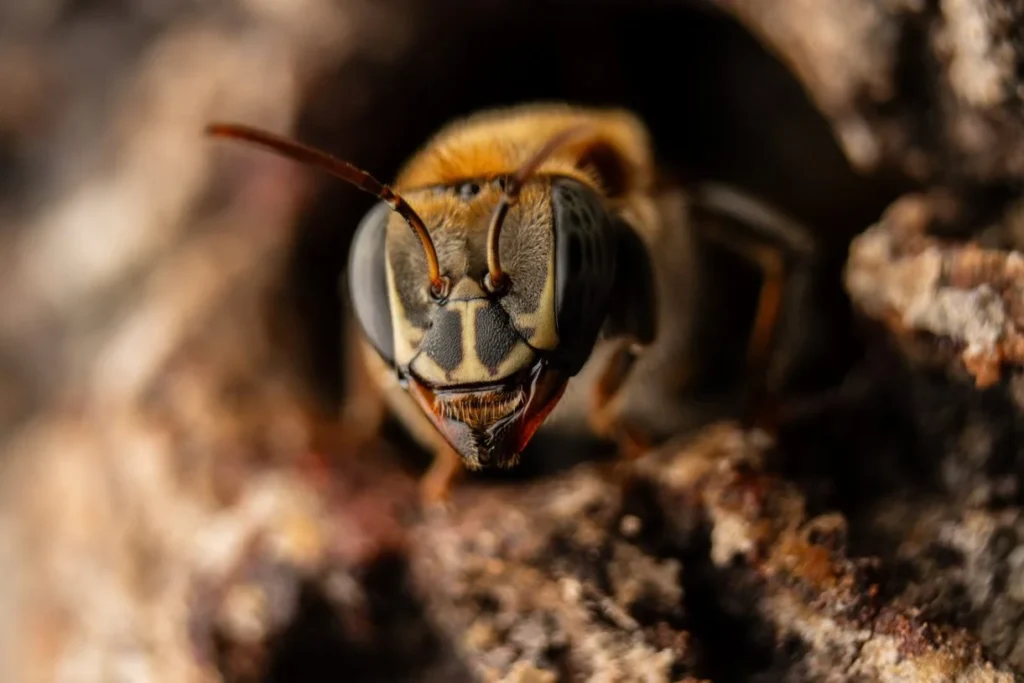
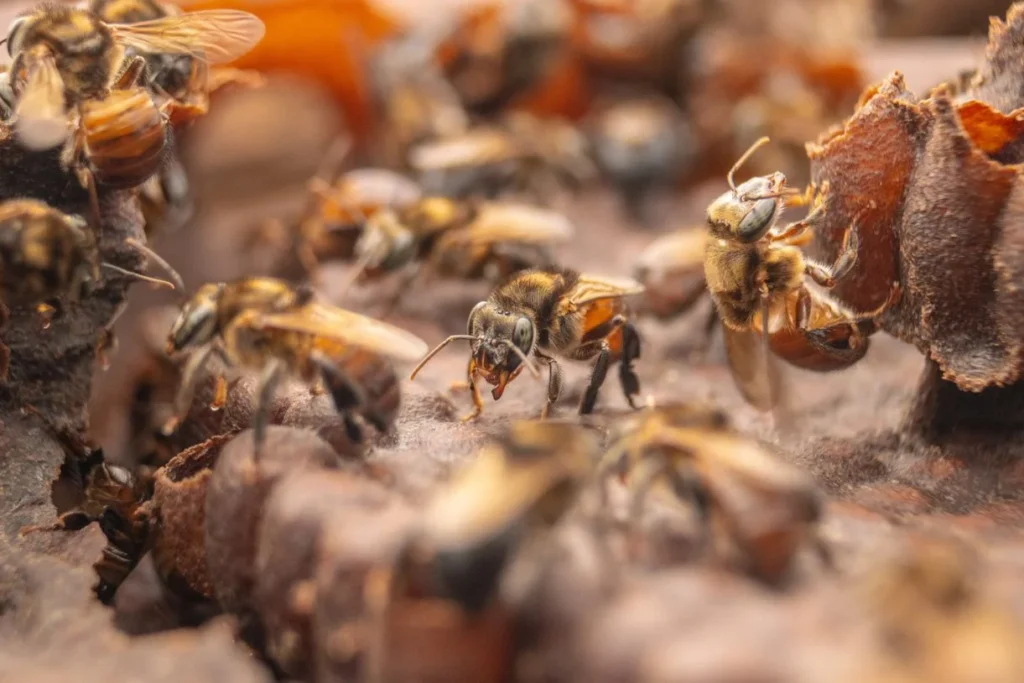
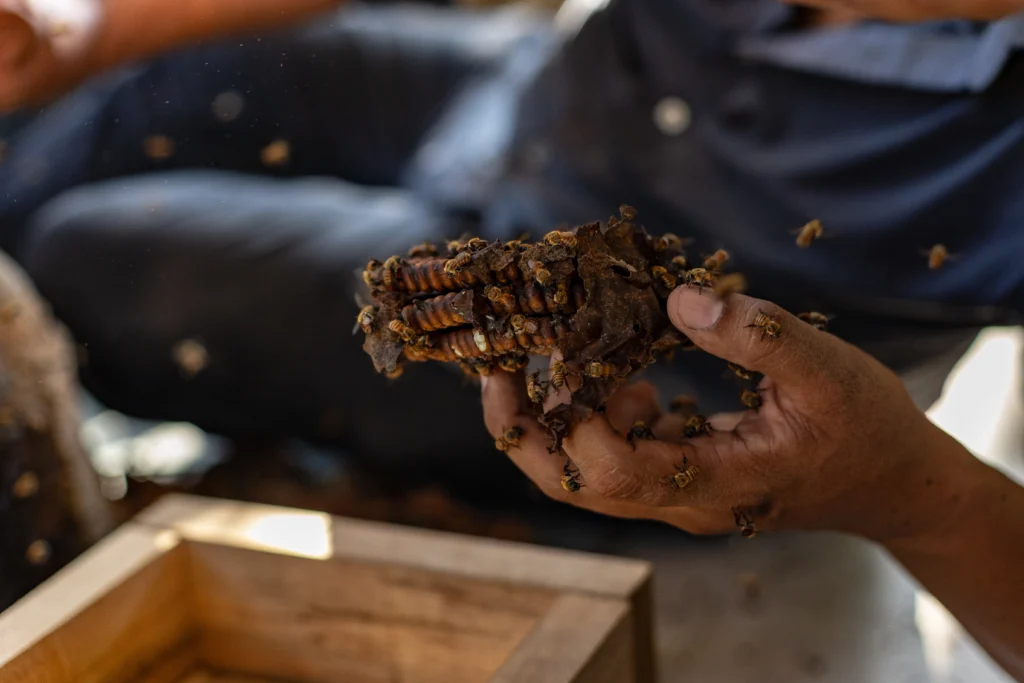
On one of my trips I discovered that there are wild stingless bees that produce wild honey with medicinal properties and flavors very different from those we know of conventional honey. I found it so incredible that, being from Iquitos, I had never heard of these bees before, and even more surprising was not finding their honey in local stores.At that moment the pandemic began, COVID greatly affected the economy of the communities and that is why I decided to start a project that helps to produce this honey but under a sustainable approach that does not destroy the nests and that allows improving the income of the most vulnerable communities in the Amazon.
What prompted you to start this project?
Discovering that rescuing, breeding, and caring for bees can help communities within the rainforest generate income while simultaneously preventing forest destruction gave fmme the impetus to start the BeeQueenCoin project
How many bee species are you working with? What are they?
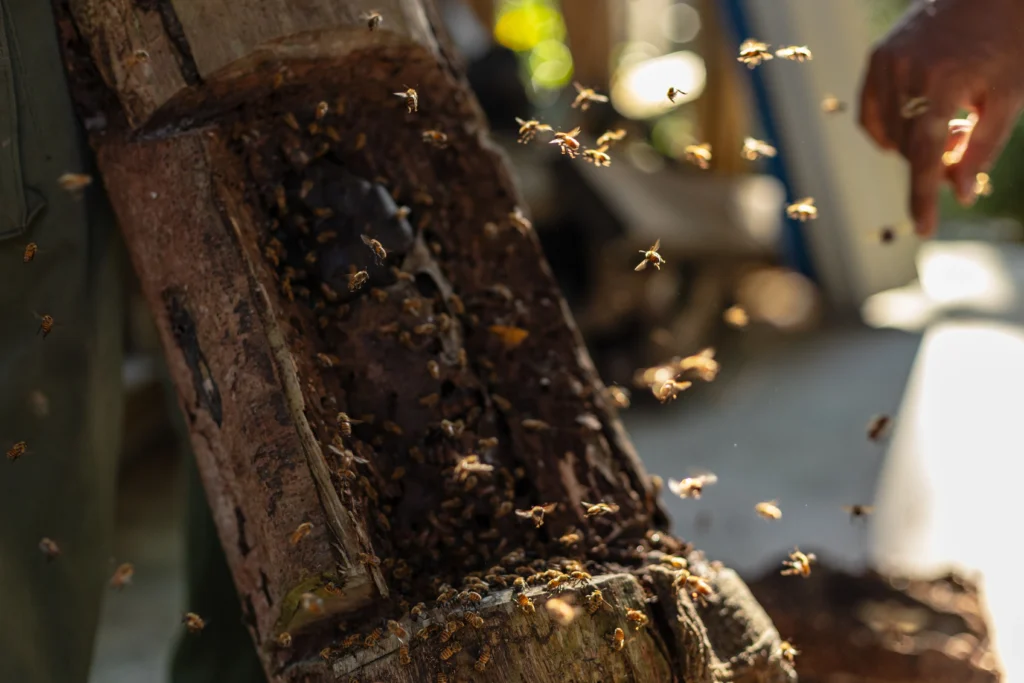
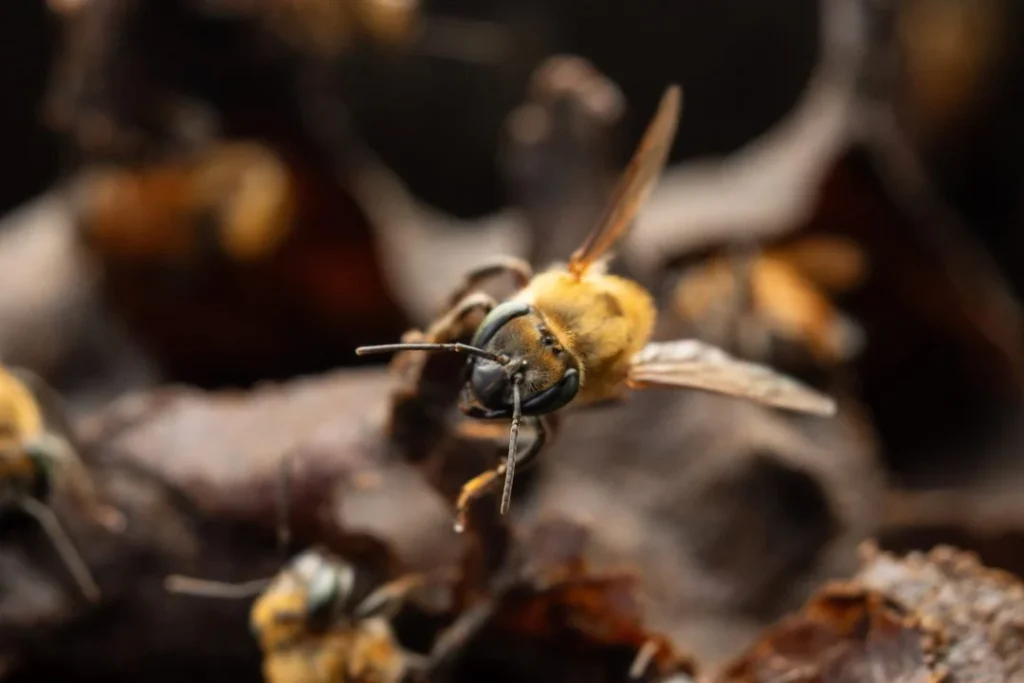
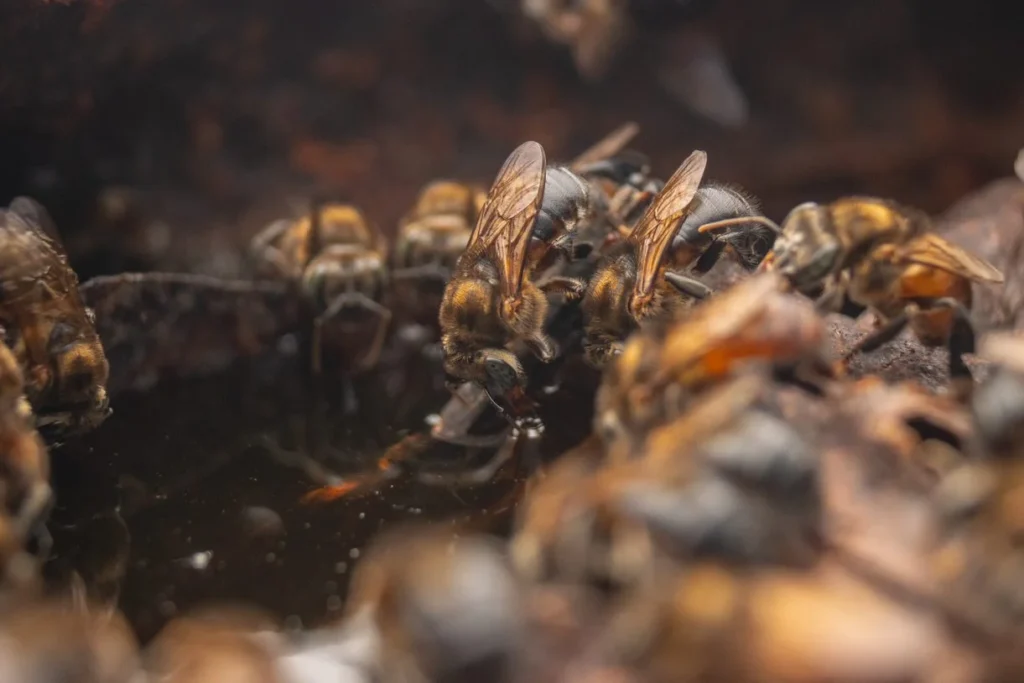
There are 20,000 species of bees in the world. Most people only know the family of stinging bees, also known as Apinae, but few know about the stingless bees, Meliponinae.In this project we work exclusively rescuing, studying, breeding and caring for all the stingless bees we find. We started with 1, today we have 29 of the 200 species we have in the Peruvian Amazon rainforest.
Among the most popular we have melipona Eburnea, melipona illota, melipona grandis, tetragonisca angostula, tetragona Ziegleri, tetragona Goettei, among others that include two new species for science that we are still studying.
How does this work benefit the communities, the forest, and the bees?
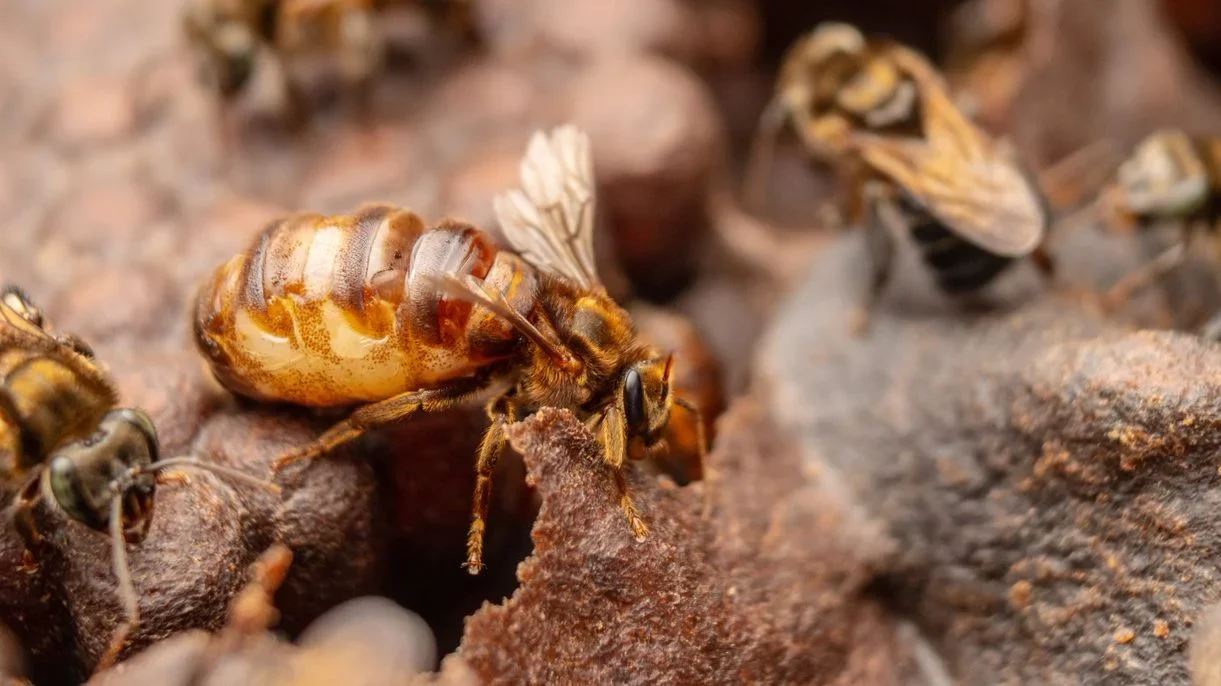
We started the project with two nests of one species, one family from one community. Today, we work with over 600 families in 50 communities, caring for more than 1,500 nests of 29 species. Each family receives five times the market price of their honey, and they also receive the nests and training free of charge.
We now have a conservation agreement with the National Service of Natural Protected Areas (SERNANP) that allows us to work within national reserves. This is supervised by the Ministry of the Environment and allows us to be part of a small group of companies that use the conservation allies seal.
We now have a conservation agreement with the National Service of Natural Protected Areas (SERNANP) that allows us to work within national reserves. This is overseen by the Ministry of the Environment and allows us to be part of a small group of companies that use the “Allies for Conservation” seal. This seal is awarded to projects that preserve the species (bees) and their ecosystem (forests and rainforests) in partnership with the communities that live in these areas and need to generate income without destroying or negatively impacting the environment.
What are the next steps for the project?
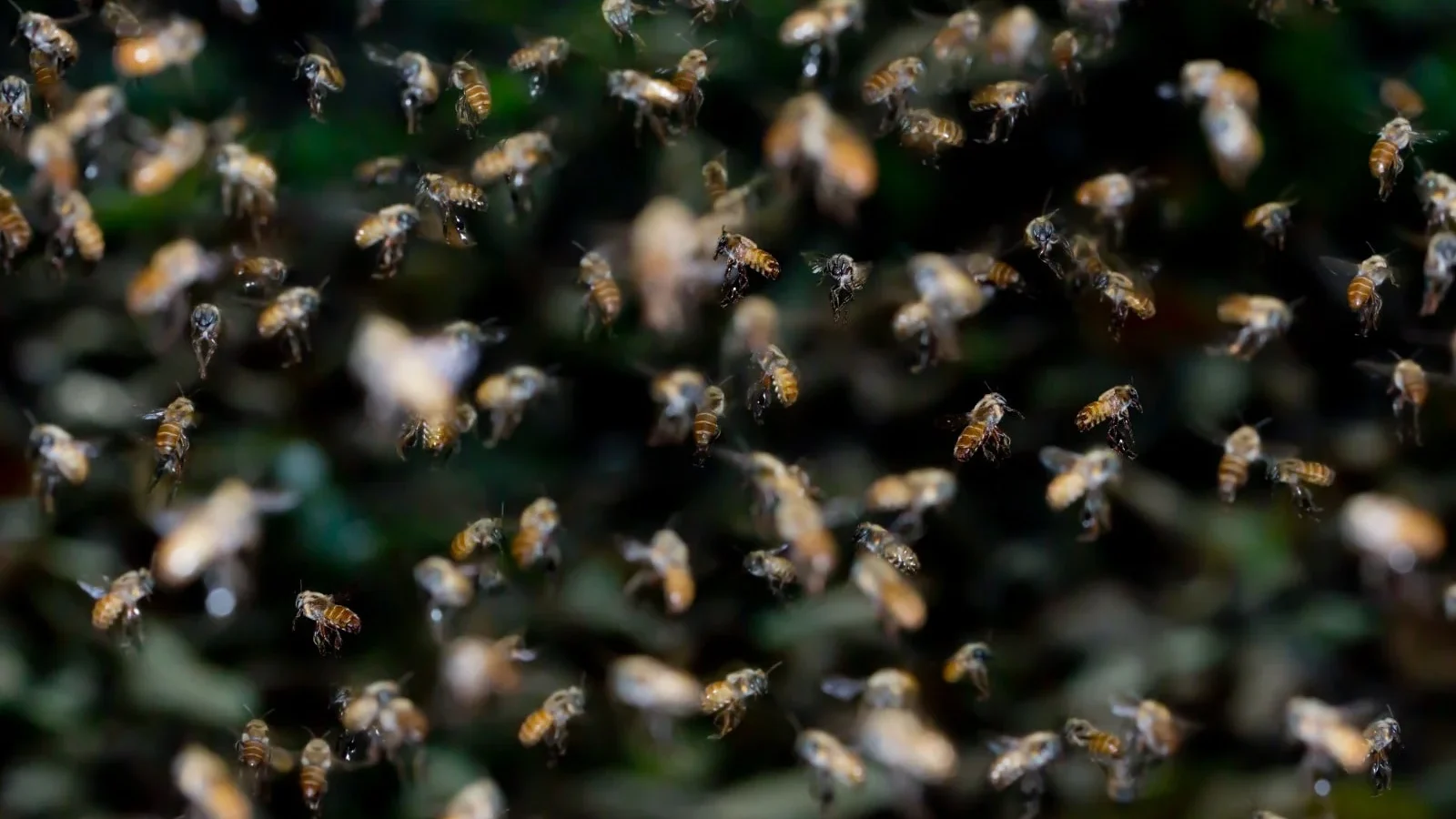
Our next step is to scale up the project; we want more than 50,000 families to join us in rescuing, breeding, and caring for 1 million stingless bee nests in Loreto and throughout the Amazon.
To achieve this, we need more allies and resources. We need to unite and cooperate with businesses, NGOs, governments, communities, volunteers, universities, and scientists.
We want to do it as nature teaches us: selflessly, with love. This is especially evident in the work of bees; individually, their daily work is almost imperceptible, but it takes the teamwork of more than 2,000 bees across six or seven generations to produce even a single kilogram of honey.
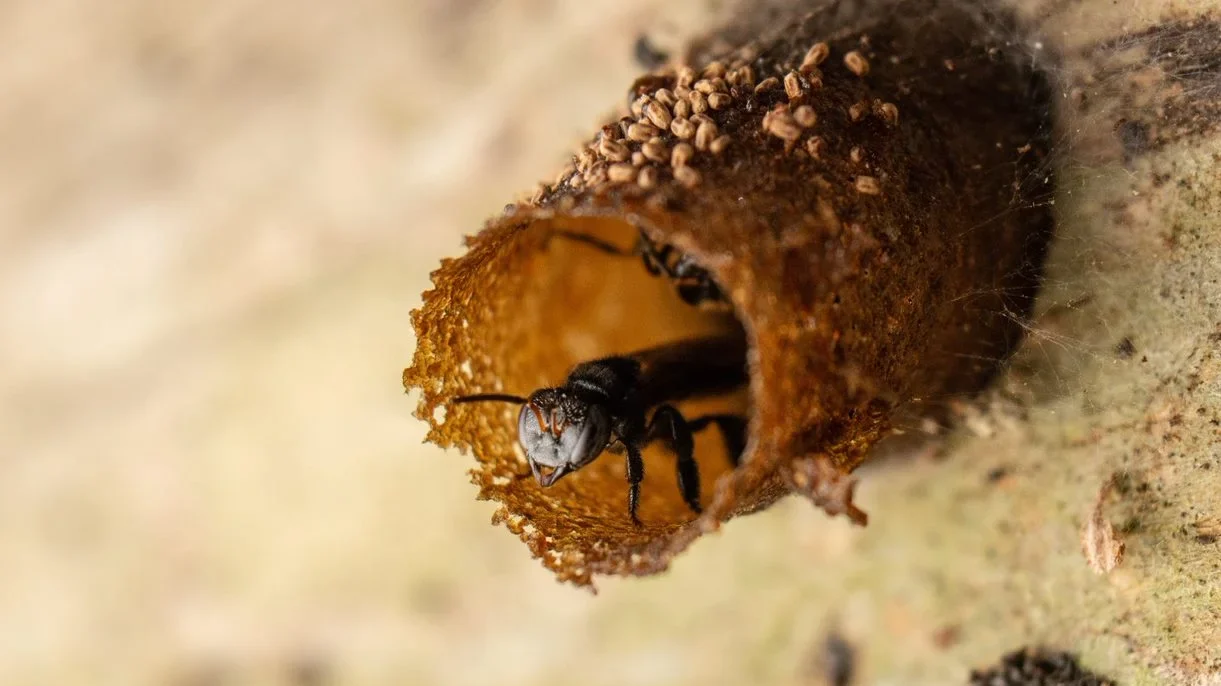
How did you arrive at the stacked box hive design? Can we share the hive plan? Would it work with North American bees?
We started the project using a Brazilian bee hive model. Over the past six years, we’ve been adapting the various hives to the specific needs of each region we’ve reached. Not all species require the same amount of space; it’s a process of observation, testing, and adaptation carried out by our specialists.
Before using the box in other locations and with other species, each species and location should be evaluated individually. I would not recommend using the boxes without a thorough understanding of the species in North America.
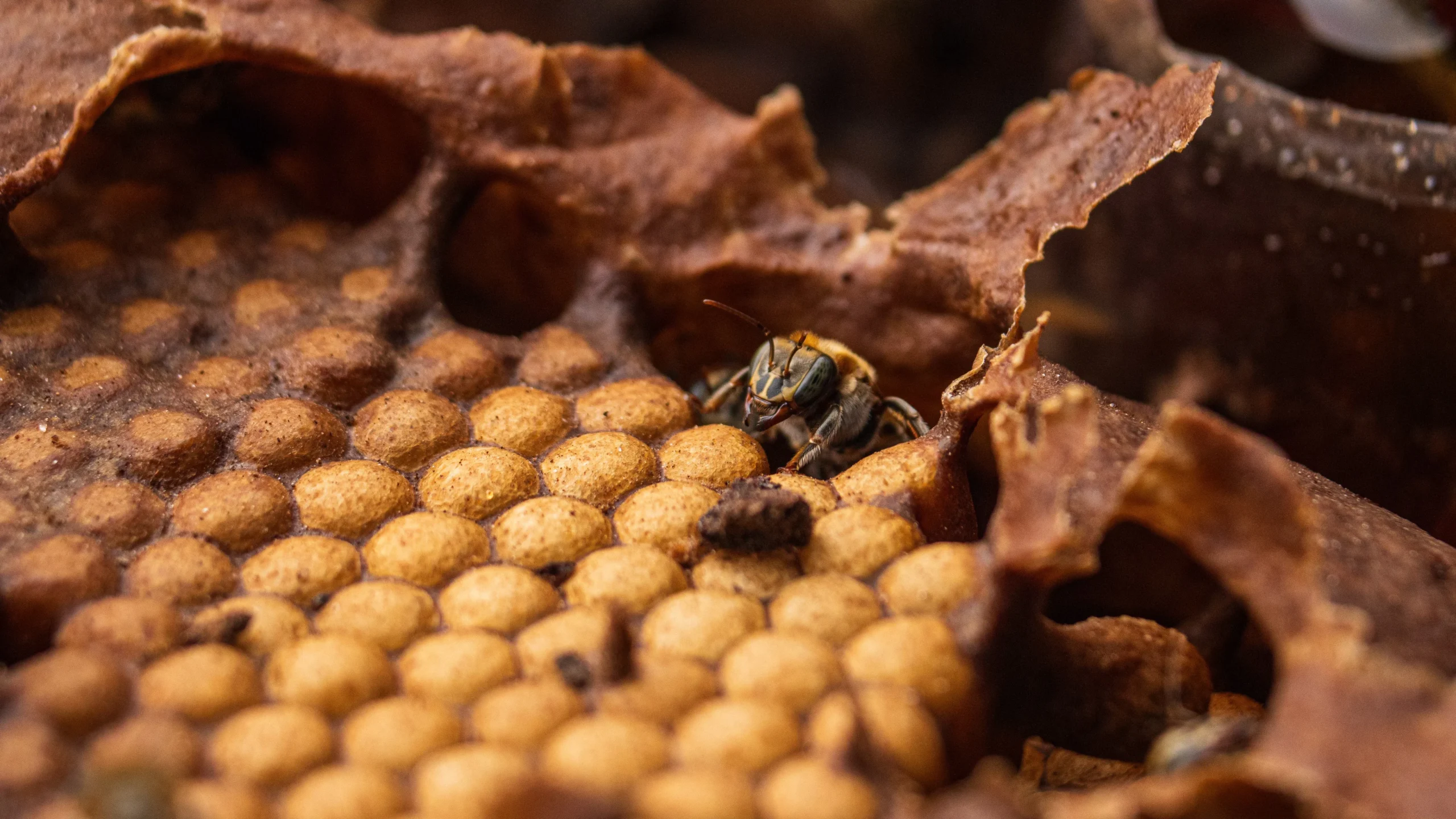
Which type of honey are you most excited about? Describe its flavor.
Lo increíble de los sabores de estas mieles es que siempre cambian, estan en constante evolución. El sabor depende de las flores que visitan y del tipo de especie pero estos sabores también cambian dependiendo de la estación, del año de producción del tiempo de la cosecha y del tiempo que se almacena, nunca se malogra, tiene enzimas que la mantienen viva y en evolución.
The flavors that surprise me the most are those similar to balsamic vinegar but with sweet tones in front and acidic tones in back.
The first time I tried them, it broke the paradigm that honey has to be sweet. Nobody can be prepared for that flavor, it blows your mind.
How can those who want to know more about your products contact you?
You can visit our website at http://www.beequeencoin.com
You can also visit us on our social media and write to us via Facebook or Instagram
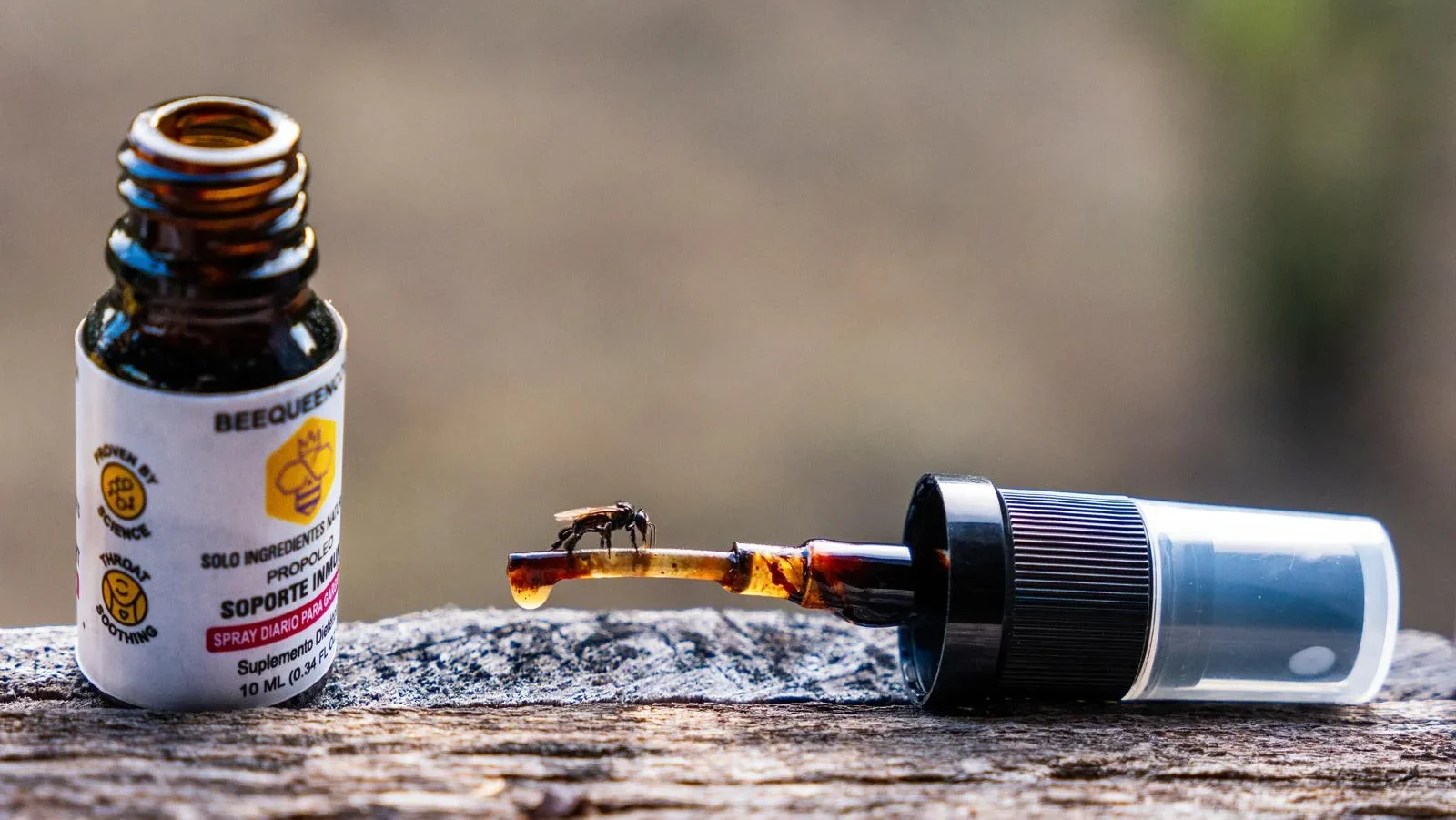
What’s one thing you wish more people understood about bees? About the Peruvian Amazon? About bee pollen or honey?
We must reconnect with nature; she was here before us and will be here after us. She saves us every day without asking for anything in return. We don’t pay for air, water, or pollination. Bees teach us that it shouldn’t matter what others do; it’s important that each of us does our part, fulfilling our individual responsibility. If everyone does good, the world will be a better place to live, not only for the bees, but primarily for us.