
The asado—the long, wood-fire lamb roast of the Patagonian estancia—is among the great culinary rituals of South America. The lamb is sourced from the estancia’s own flocks, the wood smoke rises into the Patagonian sky, and the meal is a ceremony as much as a meal.
For Jewish travelers keeping kosher, the logistics of Patagonia require advance planning and some creativity. They do not require compromise on the quality of the journey.
Here is what kosher travel in Patagonia involves, and how LANDED navigates it.
The Situation on the Ground
Patagonia is a remote region with no established kosher infrastructure in the traditional sense—no kosher restaurants, no Jewish community center, and no local access to rabbinical resources.
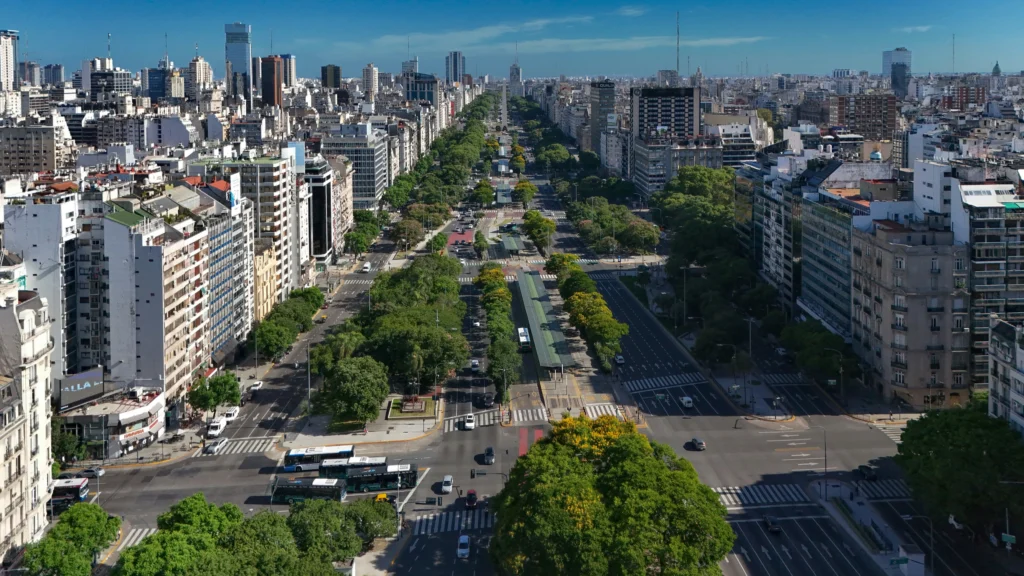
Buenos Aires, the gateway city for Argentine Patagonia, is an entirely different story: it has one of the largest and most vibrant Jewish communities in Latin America, with certified kosher fine-dining restaurants, fast food, delis, butchers, and supermarket sections that rival anything in New York or Miami.
The LANDED Approach for Kosher Travelers
LANDED designs Patagonia journeys for kosher-observant travelers and has developed practical approaches that allow for both halachic integrity and a full Patagonian experience.
The strategy typically involves arriving in Buenos Aires first. LANDED will purchase a supply of certified kosher meats and packaged foods sufficient to supplement meals throughout the Patagonia portion of the trip. LANDED then cold-packs, air-freights, and manages the culinary logistics throughout your Patagonia journey.
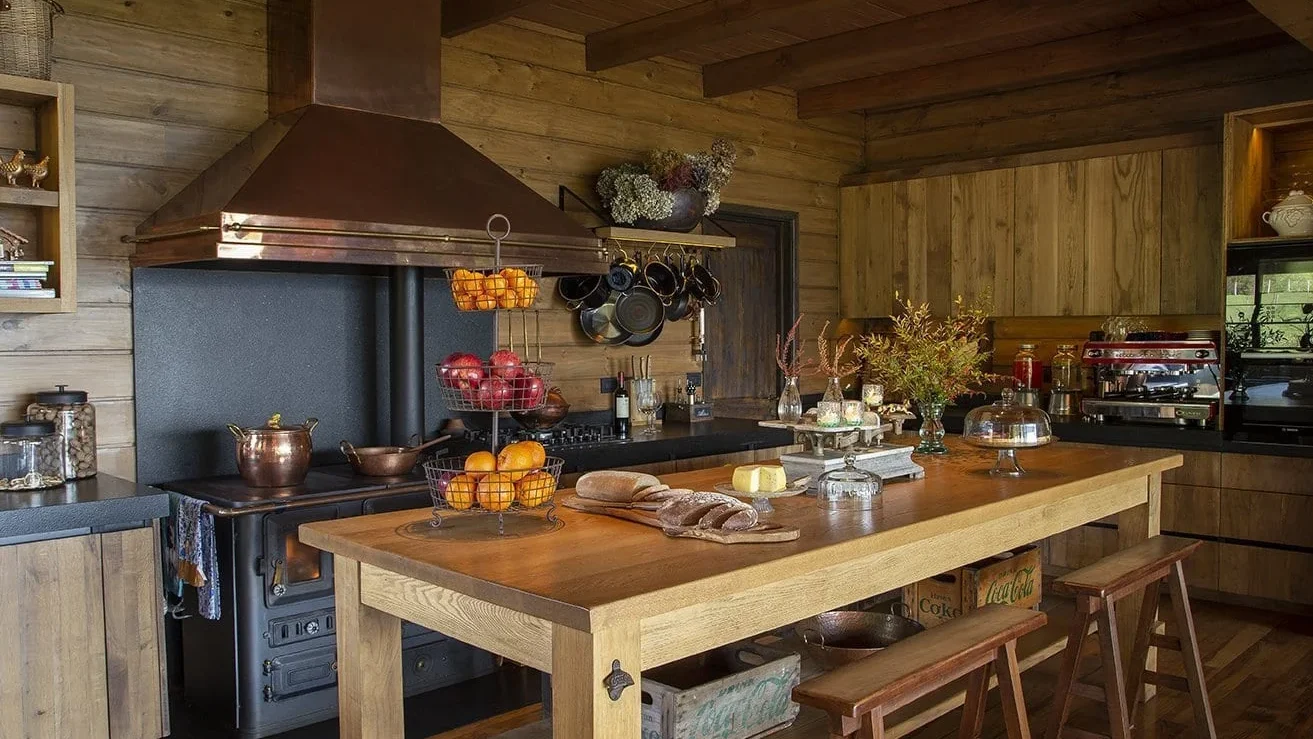
Many lodges in Patagonia, briefed in advance by LANDED, are delighted to accommodate kosher dietary needs in their kitchens: using sealed packaged kosher ingredients, providing designated cookware, arranging fresh fin-and-scale fish, and preparing simple dairy or pareve meals as requested.
Buenos Aires: The Kosher-Rich Gateway
For kosher travelers, Buenos Aires is not merely an arrival point—it is a destination. The Jewish neighborhood of Once and the broader city have dozens of certified kosher restaurants serving everything from classic Ashkenazi deli food to Argentine parrilla with kosher beef to contemporary Israeli-influenced cuisine.
Shabbat in Patagonia
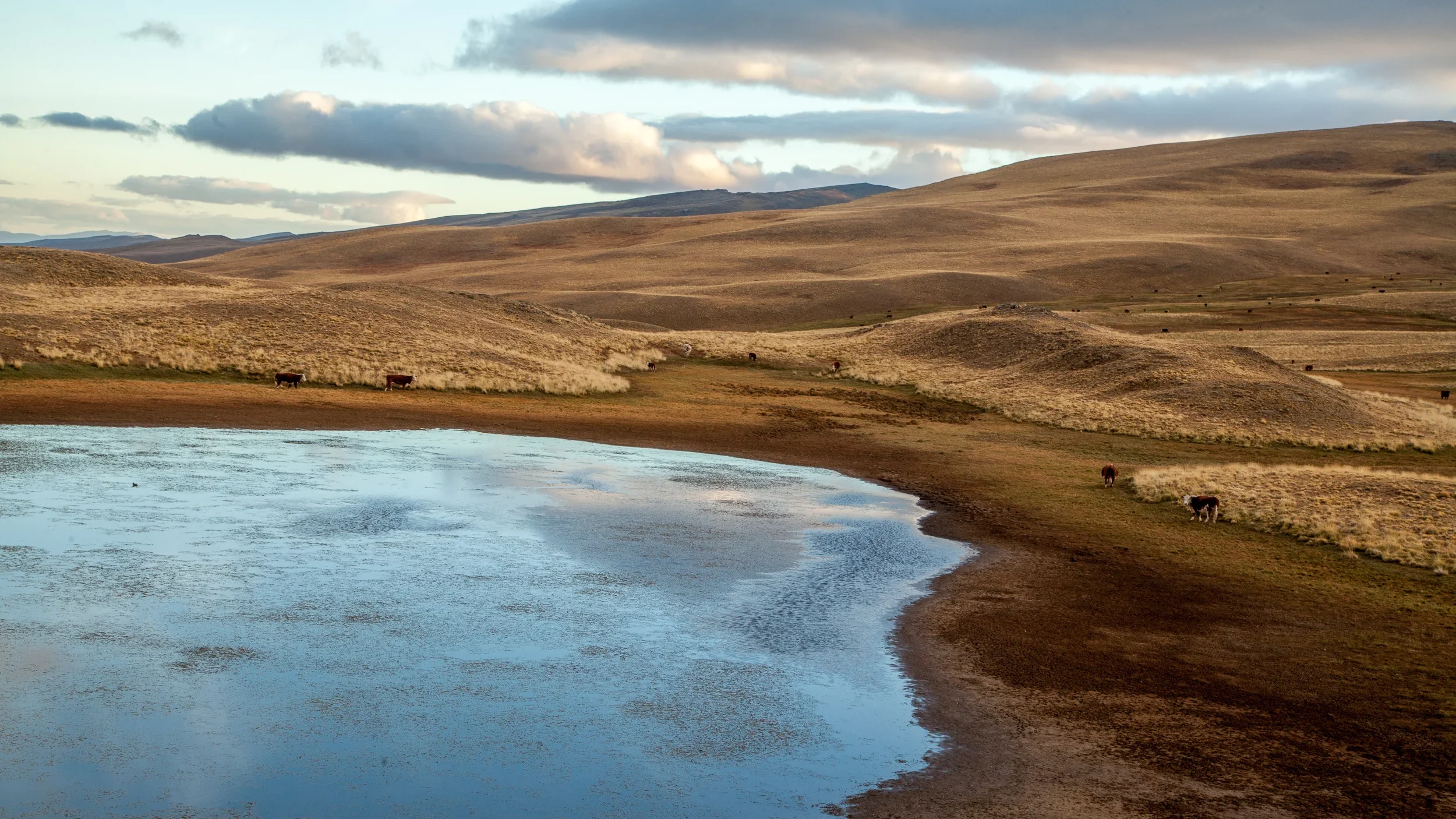
Patagonia’s extraordinary scenery makes Shabbat a particularly vivid experience—Shabbat candles lit in the fading light on a lakeshore or beneath granite peaks, a day of rest in a place where rest means sitting on the terrace watching guanacos and condors rather than hiking.
LANDED-recommended lodges accommodate Shabbat observance in a basic way with advance notice: a quiet corner for candle-lighting, minimal electronic interference on request, and meals that can be provided without compromising kashrut with the right preparation.
Patagonia is renowned for its natural beauty and acclaimed for its spirit. For those who roam, Patagonia is symbolic—a manifestation of wildness, freedom, solitude, and frontier. Of open road and untapped adventure. A new world to explore and revere.” – John Montgomery, Co-Founder of LANDED
Pesach and Holiday Travel
Some kosher travelers choose to time their Patagonia journey around Jewish holidays. Pesach seders in Patagonia—with the proper preparation, kasher l’Pesach food brought from Buenos Aires, and the knowledge that you are conducting a seder at the end of the world—have an unforgettable resonance.
LANDED can assist with the logistics of holiday timing and the community resources available in Buenos Aires for Yom Tov.
You actually got to know us—to know just what we like. You promised the best trip ever, and you kept your promise. – B. Furstenberg, LANDED Traveler
“Forever shall man seek the solitudes and the most utter desolation of the wilderness to achieve through hardship the rebirth of his pride.”—Rockwell Kent