
Most visitors come for the stonework, the views, the feeling. Machu Picchu is one of the few places where manmade additions successfully harmonize with—and arguably improve—the natural landscape. No matter how many times we’ve visited, it is still a breathtaking achievement.
But Machu Picchu is also an ecosystem—cloud forest, river valley, and high Andean grassland compressed into one extraordinary place. If you’re hiking a portion of the Inca Trail or spending time in the forests around Aguas Calientes, you’ll be positioned to encounter some extraordinary wildlife. At Machu Picchu itself, we’ve come across caracaras, viscachas, lizards, and nesting swallows. If you take the trail to the Temple of the Moon, you’re likely to see many more birds and a variety of orchids.
This guide outlines some of Machu Picchu’s main wildlife attractions. For a full wildlife checklist, download LANDED’s Machu Picchu Guide.
The Ecosystem: Why Machu Picchu Is a Wildlife Haven
Machu Picchu sits within the Machu Picchu Historical Sanctuary, a UNESCO World Heritage Site that protects 37,302 hectares of extraordinary cloud forest habitat. The sanctuary spans altitudinal zones from 6,000 to over 19,000 feet, encompassing the transition between the Amazon basin below and the high Puna grasslands above. This vertical range—cloud forest giving way to high-altitude forest giving way to grassland—concentrates biodiversity in a relatively compact area.
More than 400 bird species, 300 orchid species, and dozens of mammal species have been recorded within the sanctuary. Machu Picchu rests in the middle of this abundance.
Birds
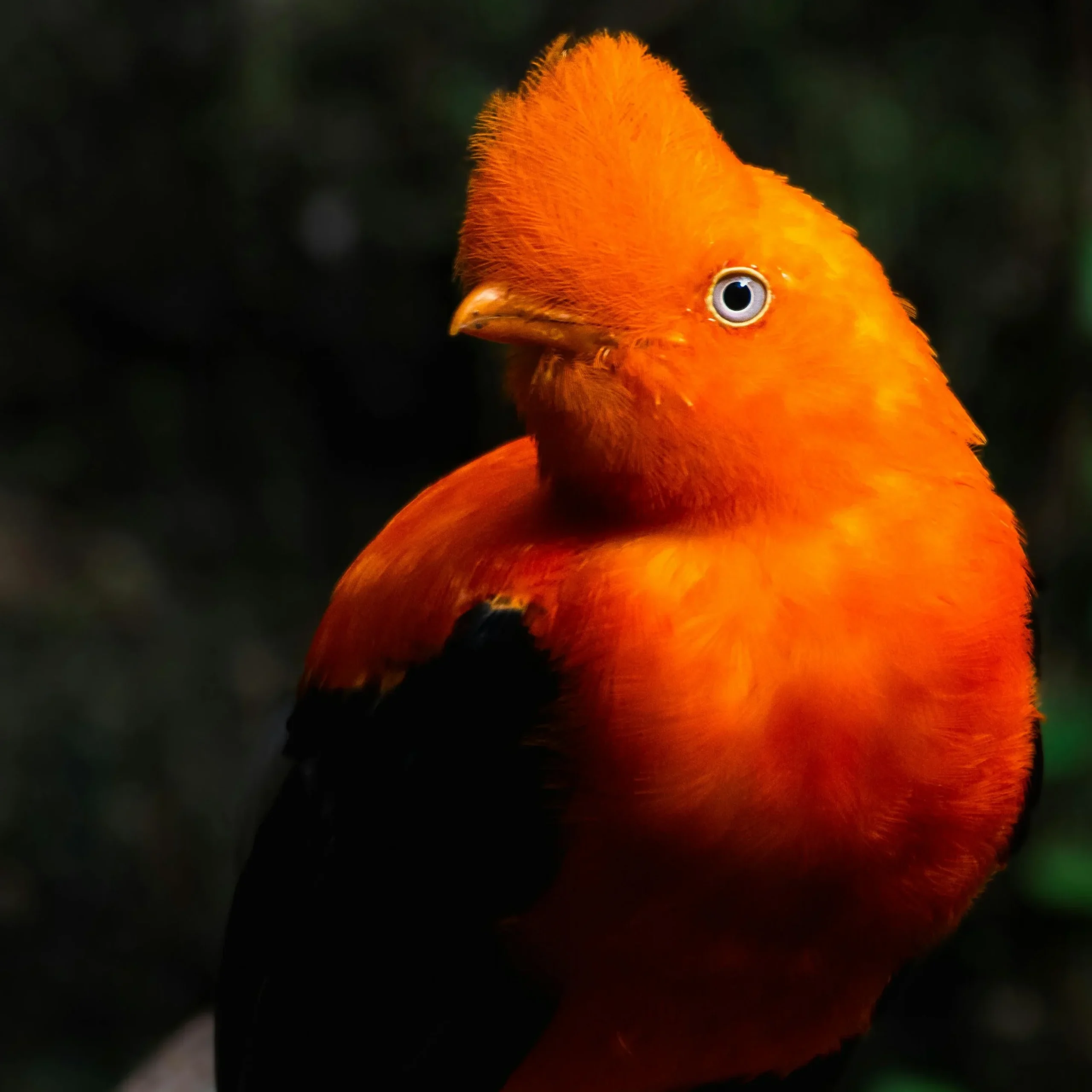
Andean Cock-of-the-Rock (Rupicola peruvianus)
The national bird of Peru and one of the most spectacular birds in the Americas—the male’s entire head is covered in a vivid crimson-orange crest that folds forward over the bill, and the body is a riot of black, white, and orange. Males gather at traditional lek sites—rocky group-gathering outcrops in the cloud forest—and display at dawn, raising and lowering their crests, fluffing their wings, calling in a variety of synth-pop-sounding buzzes and squawks. The display sites near Machu Picchu allow extraordinarily close observation. To see a dozen males displaying simultaneously in the morning light of the cloud forest is an unforgettable experience—a peek into an avian disco.
Torrent Duck (Merganetta armata)
The Urubamba River below the sanctuary is one of the best places in Peru to observe the torrent duck. This species is well adapted to fast-moving Andean rivers. The male has a striking white head, black stripes, and a long stiff tail; the female has a cinnamon-hued underbelly. They swim upstream against powerful currents with apparent ease, foraging aquatic insects in whitewater that would sweep away most waterfowl.
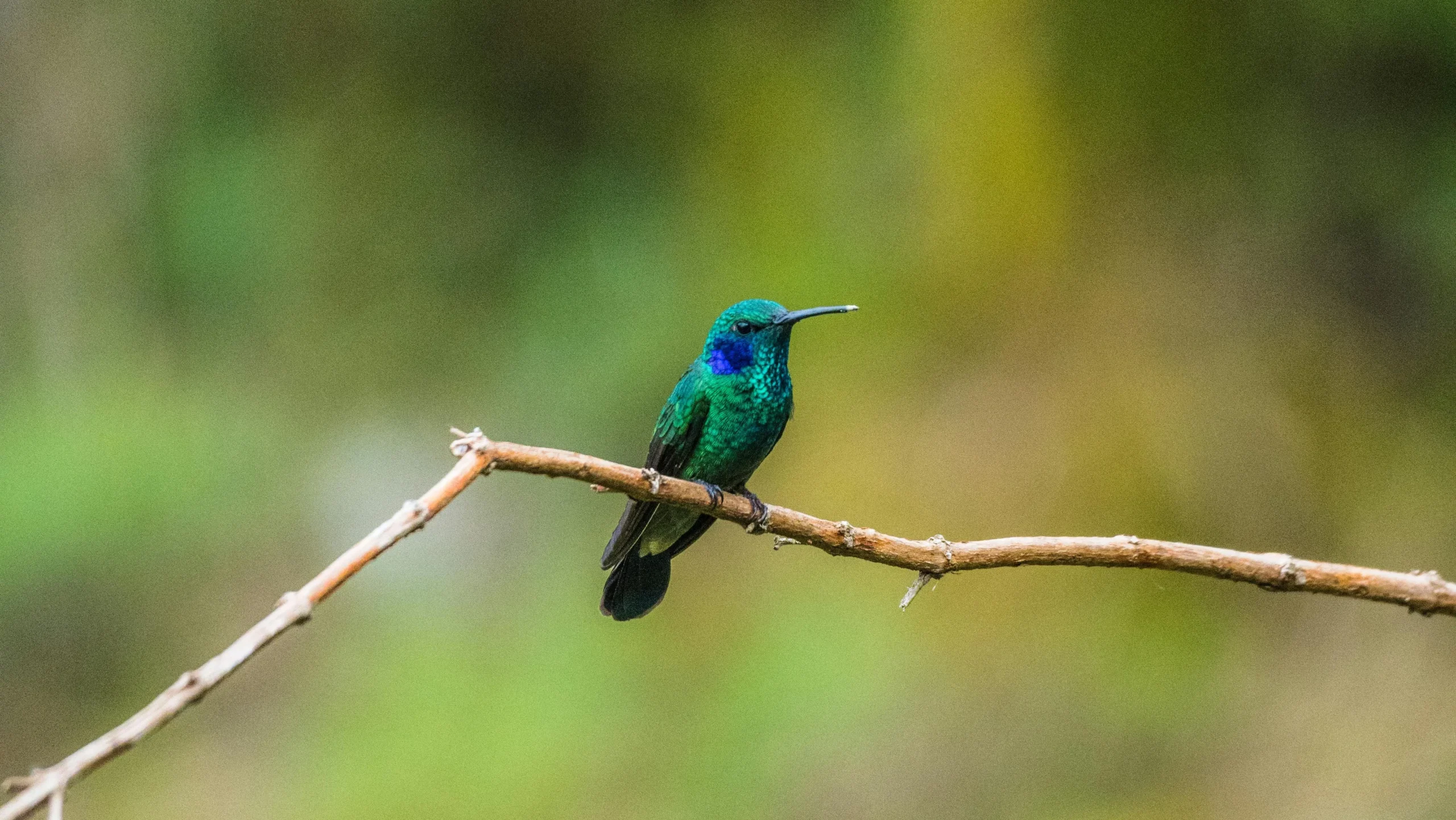
Hummingbirds
Machu Picchu is rich hummingbird habitat. The Sparkling Violetear, the Chestnut-breasted Coronet, the Booted Racket-tail—whose tail feathers end in iridescent blue-green rackets—and more than a dozen other species flit through the national park’s flowering bromeliads and heliconias of the cloud forest.
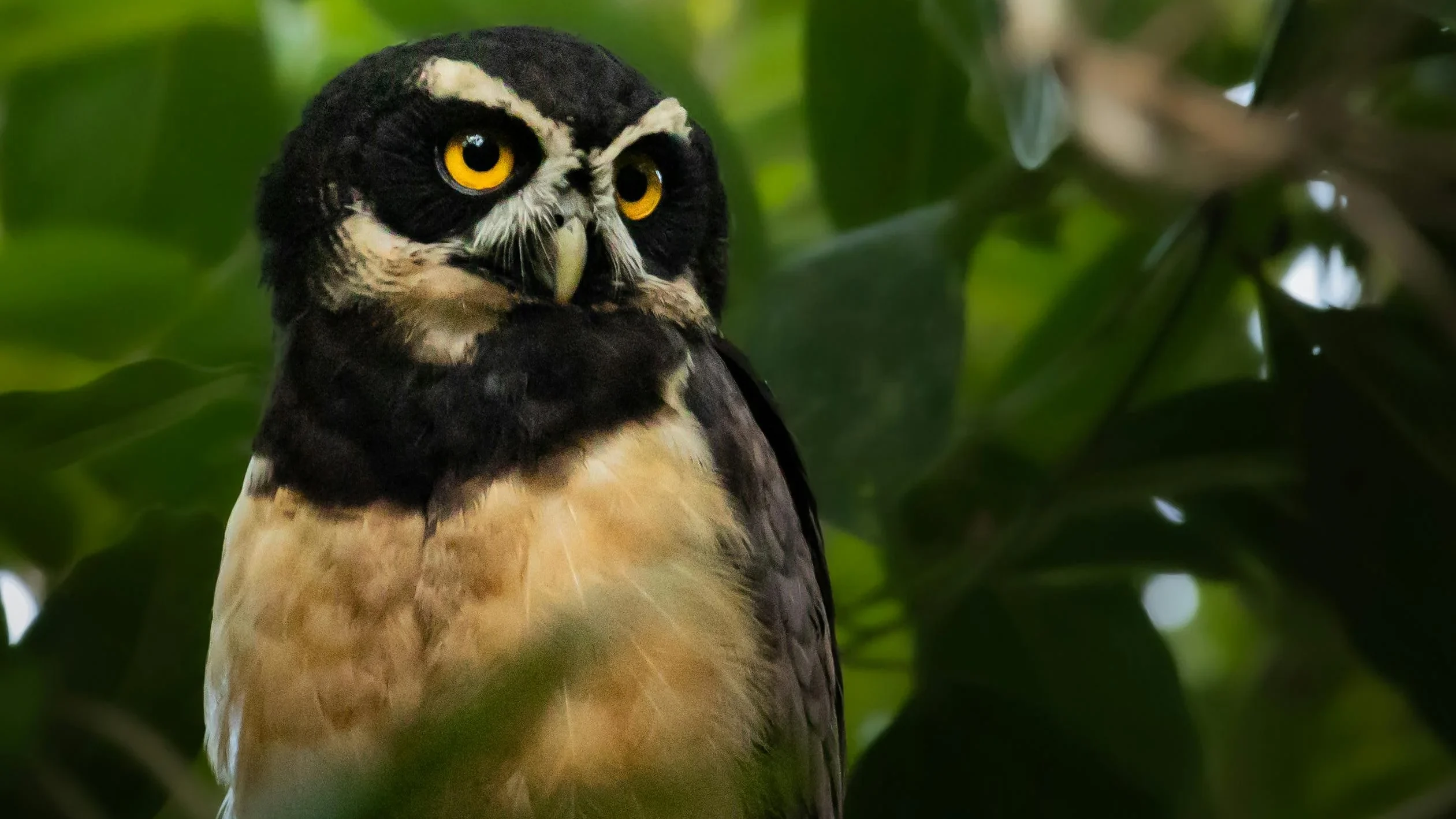
Spectacled Owl and Andean Pygmy Owl
The cloud forest at Machu Picchu is home to both of these owl species. The spectacled owl—large, with distinctive white ‘spectacle’ markings around the eyes—is heard more often than seen: a deep, pulsing hoot that carries through the night forest and the early morning mist. Experienced guides know where to look in the pre-dawn light.
“I look back once again at Machu Picchu, a true testament to human resilience, a testament to the harmony between man and nature.”– Ryan Gelpke
Mammals
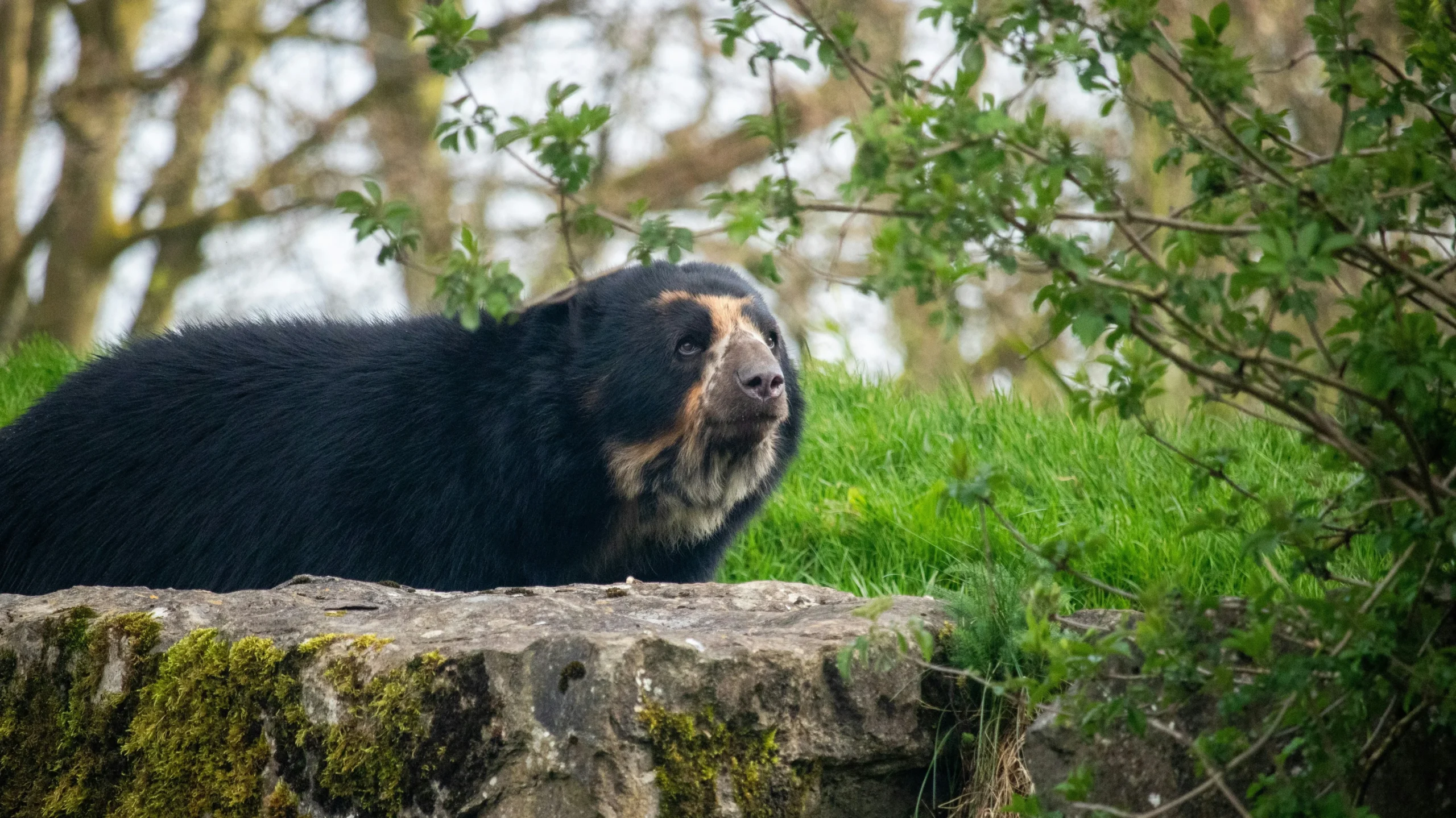
Spectacled Bear (Tremarctos ornatus)
Although Paddington is Peruvian, he’s no archetype of his species. The only bear native to South America, the spectacled bear is named for the cream-colored markings around its eyes that sometimes suggest a face staring back from behind a mask. They are shy and largely nocturnal within the sanctuary; camera traps have recorded individuals near the citadel and in the cloud forest above. Sightings are very rare. But the bears are there, moving through the forest at night. Rescued bears can be observed in a garden enclosure at InkaTerra Machu Picchu Pueblo Hotel.
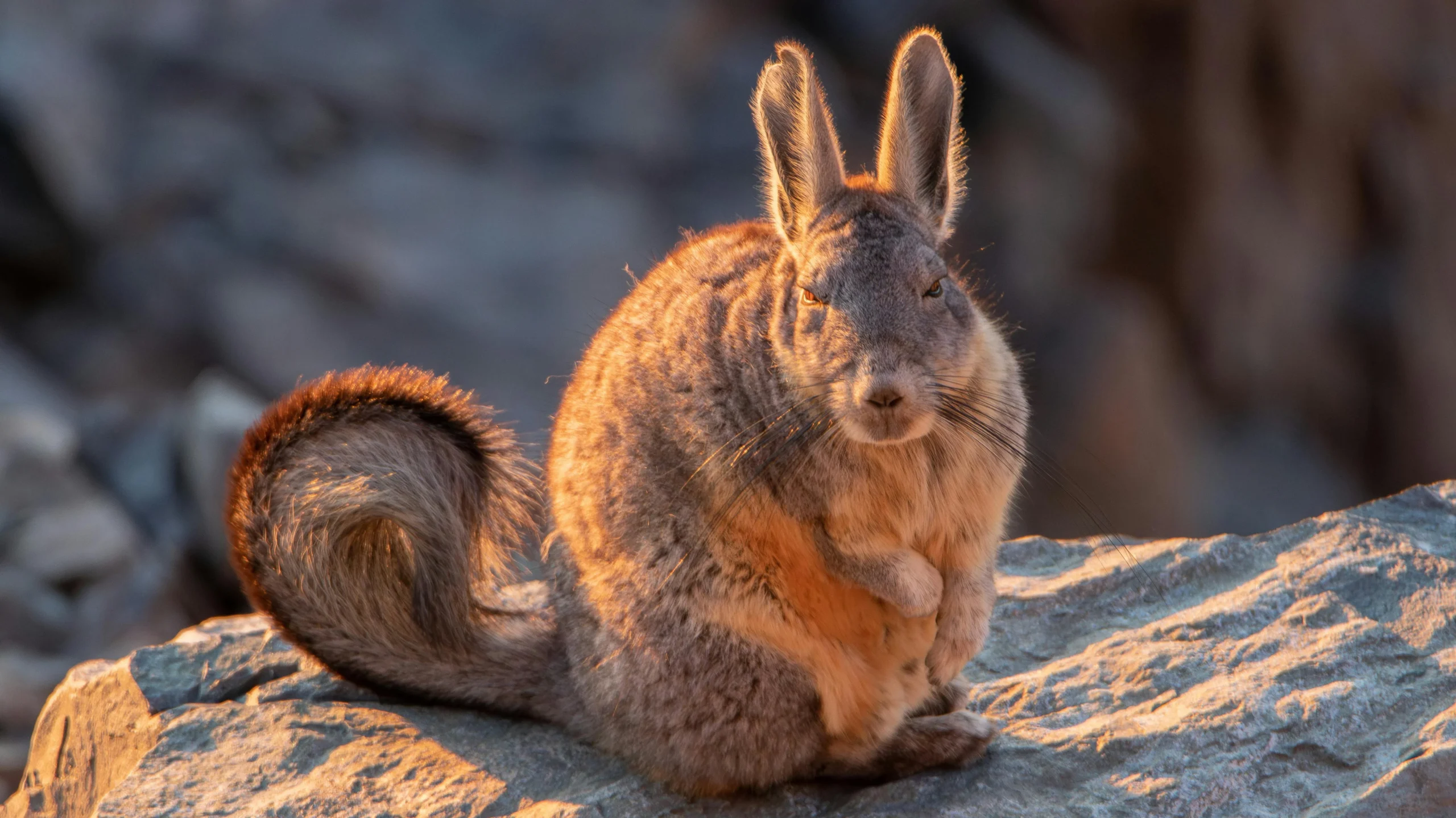
Mountain Viscacha (Lagidium viscacia)
The small, long-tailed viscacha is the most reliably visible mammal at the citadel. They sit on sun-warmed rocks near the agricultural terraces and on the slopes above the main ruins, alert and still, their soft grey fur blending with the stone. Their large ears and
long, curling tails make them unmistakable. Local guides call them ‘little rabbits’; they are actually more closely related to chinchillas.
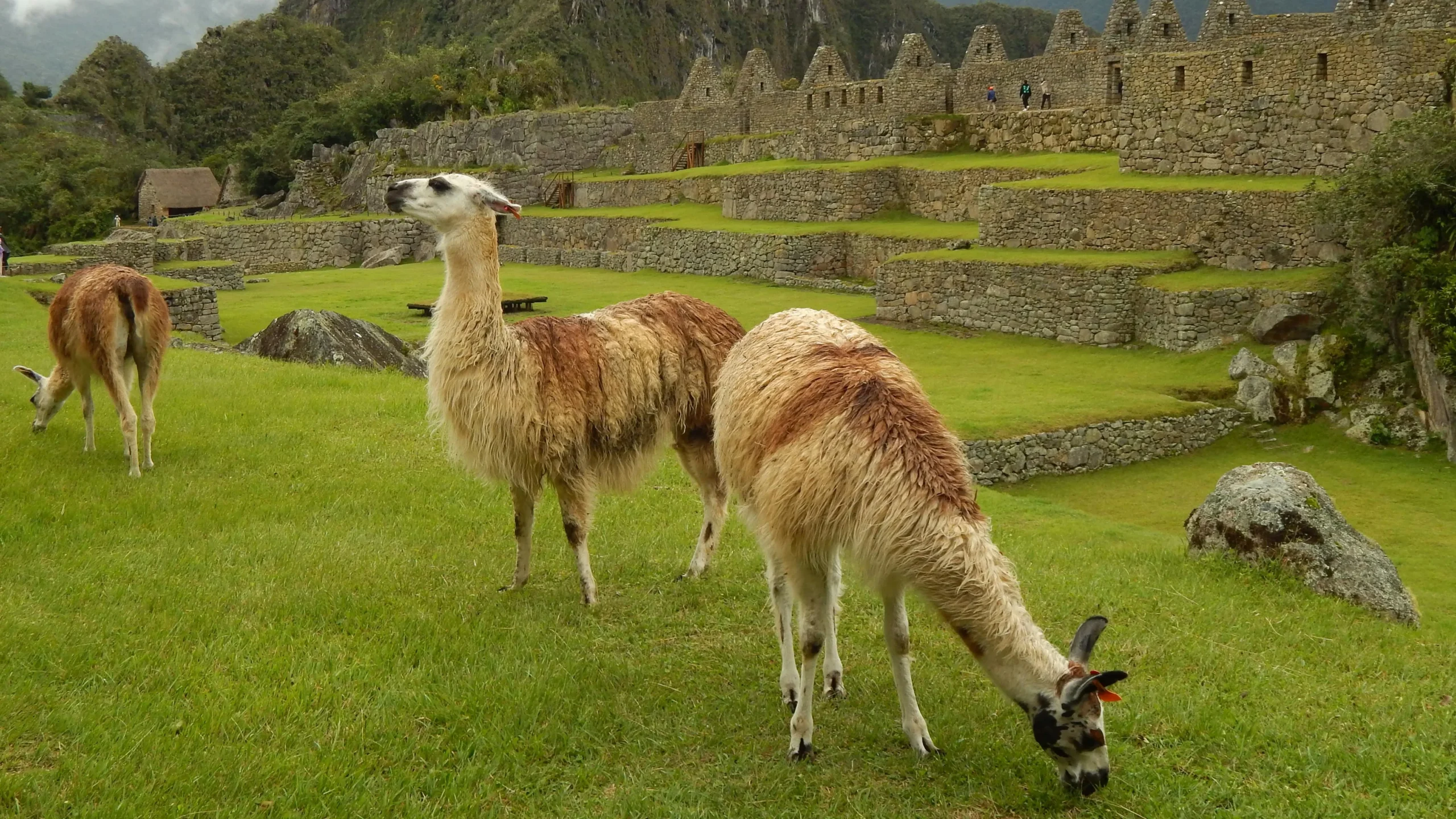
The Llamas of Machu Picchu
No, they’re not wildlife, but they are part of Machu Picchu’s origin story and purpose. Llamas were raised, sacrificed, and eaten here during Inca times. A small herd of llamas is maintained at Machu Picchu for cultural continuity and to star in photographs. They graze the agricultural terraces, unfazed by cameras and entirely at home.
“Thank you for putting together one of the best trips ever. My family and I ran out of superlatives to describe how much we enjoyed our trip to Peru. Every activity was filled with awe, wonder, education, inspiration, excitement, and fun. You did not miss a trick. It is so apparent how much hard work and effort you put into creating the experience of a lifetime.” — S. Potter, LANDED Traveler
About The Orchids
Machu Picchu is botanically rich. More than 300 orchid species grow within the sanctuary, from tiny mossy epiphytes clinging to the cloud-forest canopy to dramatic ground orchids blooming at the edge of the ancient city. The rainy season (October through March) brings the most spectacular blooming, but every month brings blooms. The cool, mist-wrapped air carries their fragrance mixed with the damp stone of the terraces—a smell specific to this place and no other.
Best Times to Visit for Wildlife
The dry season (May through September) offers the clearest skies and most reliable citadel visibility, with strong bird activity in the sanctuary.
The rainy season (October through April) is richer for cloud forest wildlife—more active forest, more blooming plants, more hummingbird and cock-of-the-rock activity—and the mist on the ruins aligns with most people’s expectations of the site.