
Antarctica changes you. It amplifies your preservation. It magnifies and personalizes your commitment to protecting its wildlife, its landscapes, and its significance as a shared global treasure.
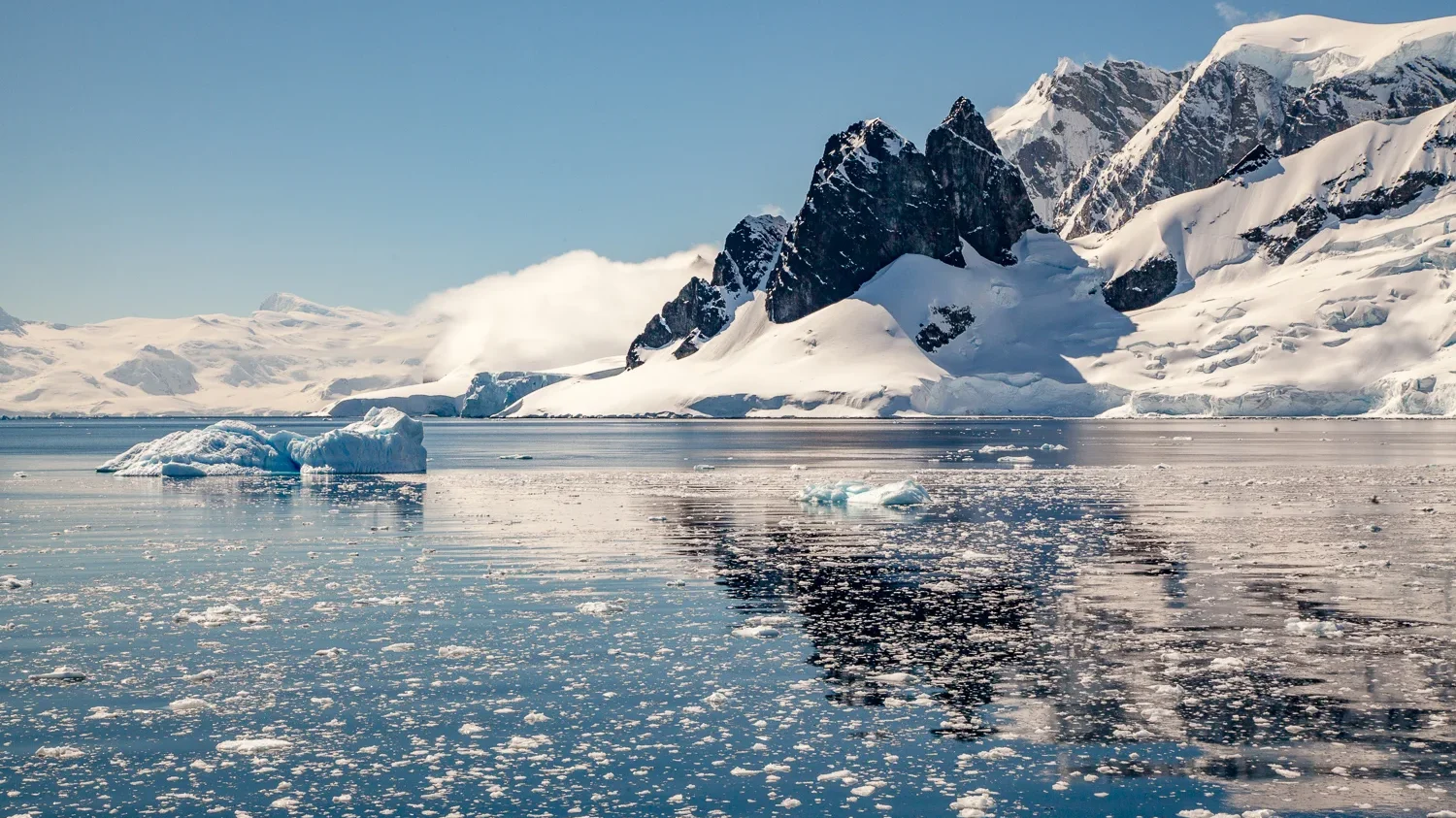
Antarctica is the only continent that has never been colonized. It has no indigenous people, no history of territorial wars, no permanent residents beyond rotating scientific staff. By the terms of the Antarctic Treaty—signed in 1959 by twelve nations and now ratified by more than fifty—it belongs to no country and is designated a continent for science and peace.
The question of how to visit it responsibly is therefore not abstract. It is one of the most specific environmental responsibilities in travel.
Here is what sustainable Antarctic travel actually means, and how LANDED approaches it.
The Regulatory Framework: IAATO
Antarctic tourism is governed by the International Association of Antarctica Tour Operators (IAATO), a self-regulatory body established in 1991 whose member operators account for most expedition travel to the continent. IAATO sets strict standards for visitor behavior, landing site protocols, and operator conduct. LANDED works exclusively with IAATO-certified operators.
Key regulations:
- No more than 100 visitors ashore at any one site at any time;
- Mandatory boot and clothing decontamination between landings to prevent species transfer;
- Minimum approach distances for wildlife;
- Prohibition on disturbing nesting sites; and
- Strict guidelines on waste management.
Compliance is not optional. Tour operators who violate IAATO standards risk losing their certification.
Small Ships, Less Impact
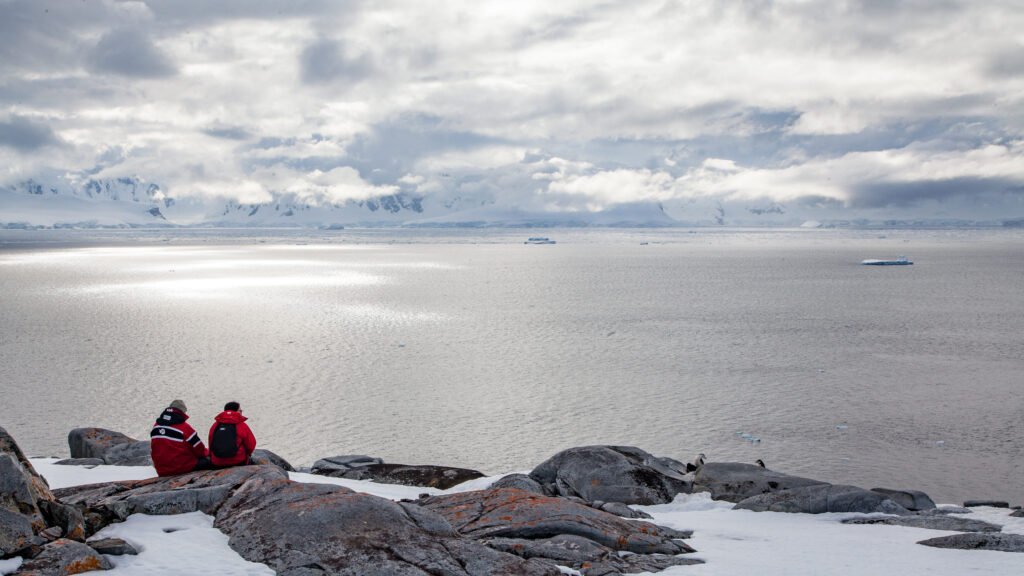
Vessel size matters—to you as a visitor and to the continent’s welfare. Ships carrying more than 500 passengers are prohibited from making shore landings in Antarctica under IAATO guidelines. LANDED’s recommended vessels typically carry 80 to 150 passengers. That’s small enough for a genuine expedition experience, and a manageable environmental footprint per passenger.
Smaller ships also tend to use more fuel-efficient engines and have better waste management systems. The most conscientious operators use hybrid-electric propulsion, zero-discharge systems, and participate in citizen science programs that collect data for polar research institutions.
The Citizen Science Opportunity
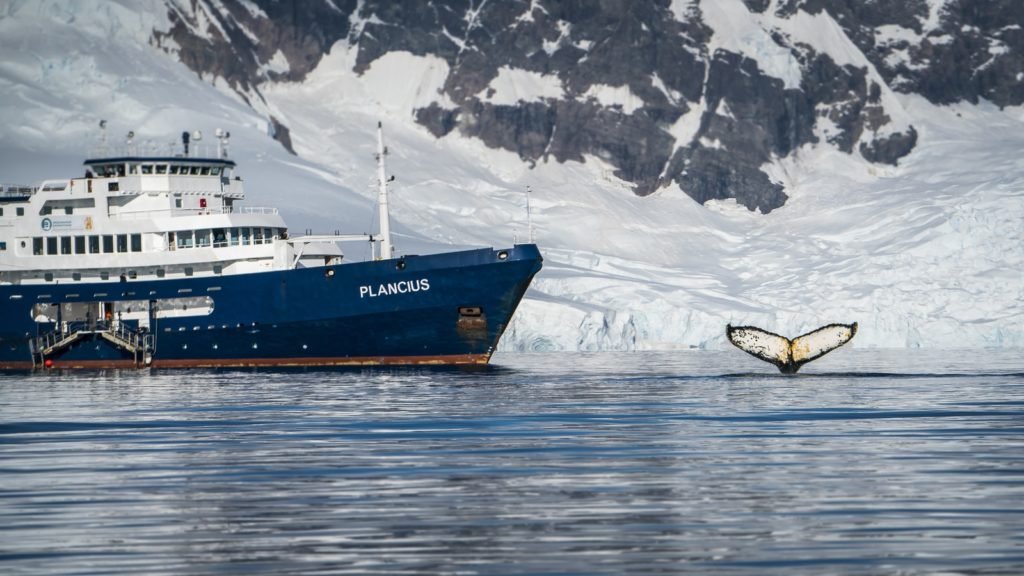
Many of LANDED’s recommended operators partner with scientific institutions—the British Antarctic Survey, Woods Hole Oceanographic Institution, and others—to collect data during expeditions. Travelers participate in penguin counting programs, atmospheric sampling, sea bird counts, whale fluke identifications (like fingerprints, fluke markings are unique), and ice classification exercises. The data goes directly into peer-reviewed research on climate change, sea ice extent, and species population dynamics.
This transforms the expedition from observation to participation. You are not only witnessing the place; you are contributing to the knowledge that protects it.
“Antarctica is not void, bland, or null. It is wild and fresh, pure and raw. It is an exquisitely detailed new world. This is a land beyond, known and beloved by a favored few. Why Antarctica? You might as well ask ‘why live fully? Why flourish, explore, and experience awe?’ It calls, and some of us are compelled to answer.” – John Montgomery, Co-Founder of LANDED
The Carbon Question
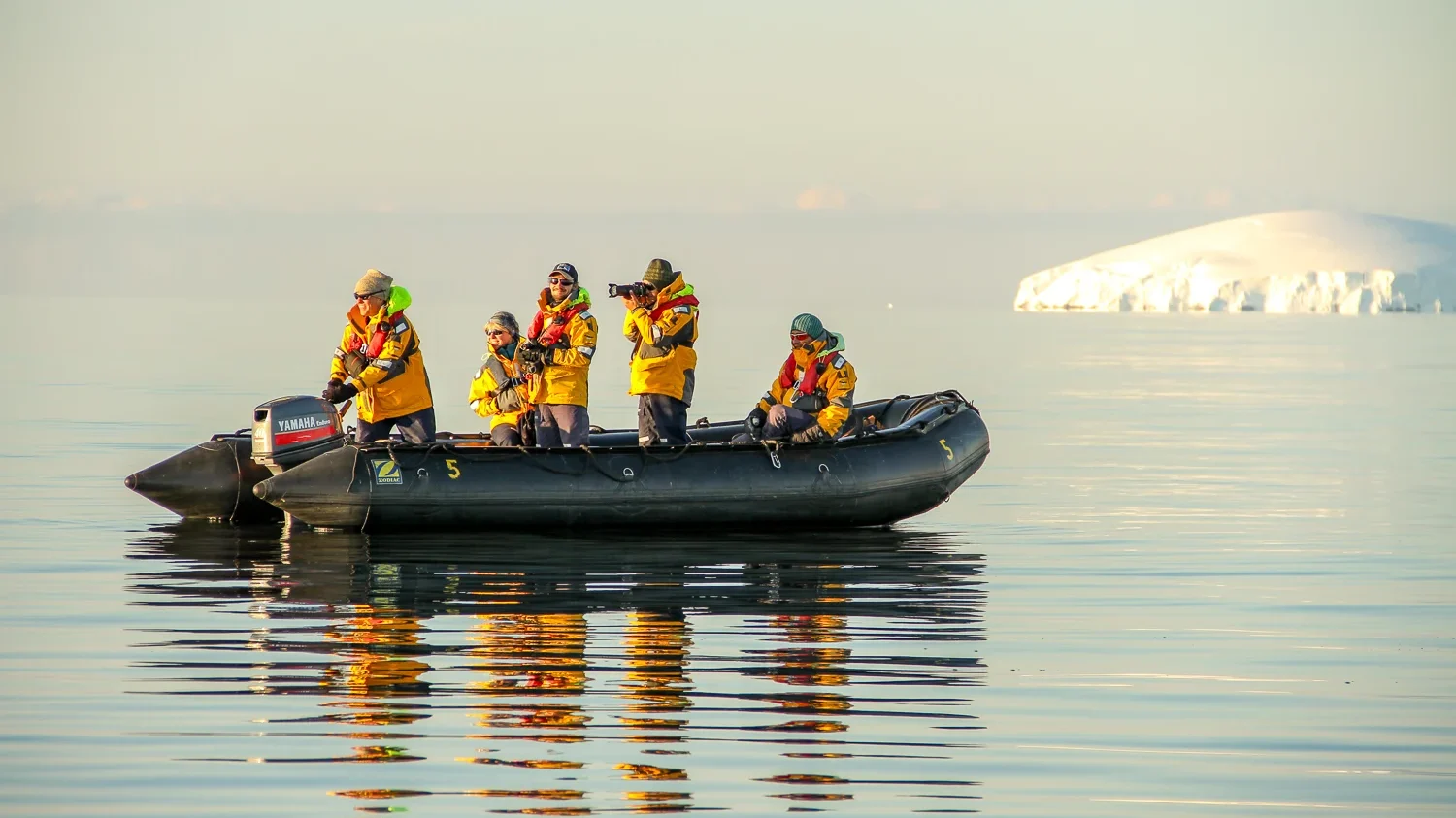
An honest sustainable travel guide for Antarctica must address the carbon cost of getting there. Flights from North America to South America, followed by a ship voyage in some of the world’s most demanding ocean conditions, carry a meaningful carbon footprint. This is the central tension of Antarctic travel: the experience that most converts people into passionate advocates for the continent’s protection is also an experience that contributes, through aviation and marine emissions, to the climate pressure that threatens it.
LANDED’s approach is honest acknowledgment and concrete action. We recommend high-quality carbon offset programs for flights—specifically programs focused on protecting carbon-sequestering ecosystems in the Southern Hemisphere. We partner with operators who publish their emissions data and have committed to emissions reduction roadmaps. And we encourage travelers to bring home the advocacy that Antarctic experiences reliably produce: the philanthropy, the advocacy, the conversations.
PRICING NOTE
CARBON OFFSET COSTS FOR A ROUND-TRIP FLIGHT FROM NORTH AMERICA TO ANTARCTICA: APPROXIMATELY $40-$120 PER PERSON THROUGH REPUTABLE OFFSET PROVIDERS. THIS IS NOT A SUBSTITUTE FOR REDUCED EMISSIONS BUT A MEANINGFUL CONTRIBUTION TO PARALLEL CONSERVATION EFFORTS.
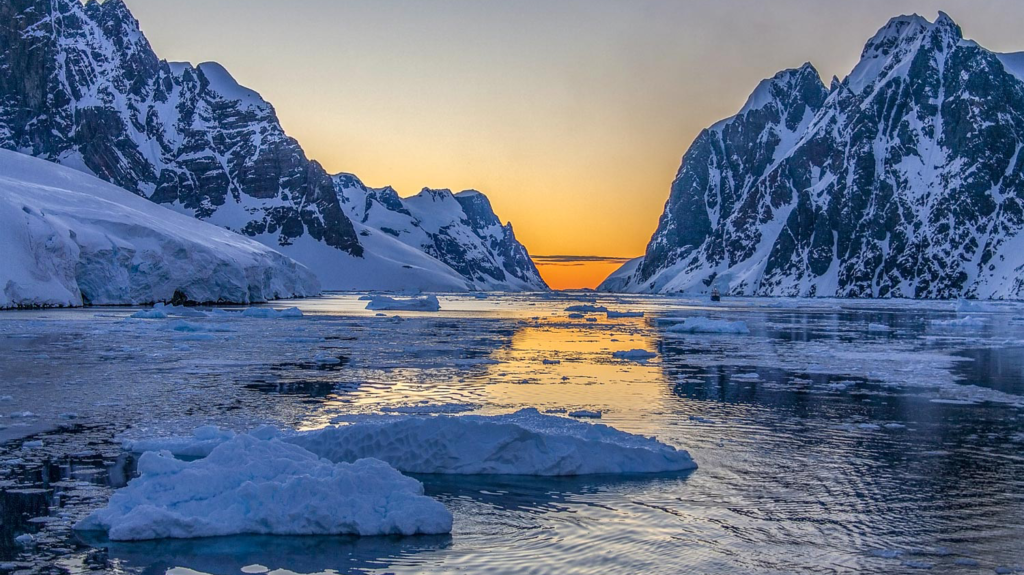
“The wildlife and pristine beauty of Antarctica was the highlight of our vacation, and surpassed every expectation we had.” – Deb Farrell, LANDED Traveler
To anyone who goes to the Antarctic, there is a tremendous appeal, and unparalleled combination of grandeur, beauty, vastness, loneliness, and malevolence—all of which is terribly melodramatic—but which truthfully conveys the actual feeling of Antarctica. Where else in the world are all of these descriptors really true?” – Captain T.L.M. Sunter