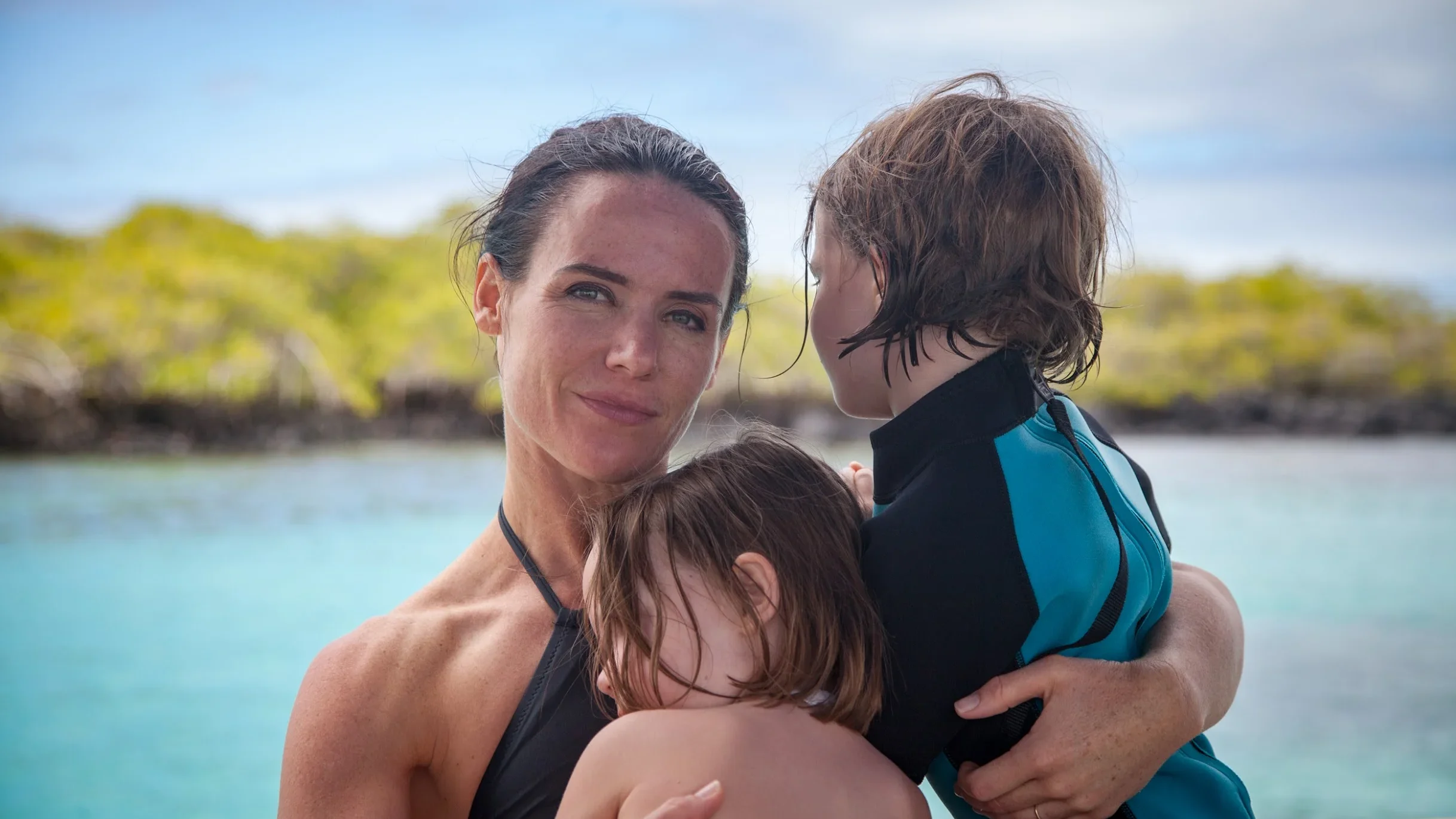
My earliest and happiest childhood memories are of traveling with my family: camping, exploring, and making memories in wild spaces. When Erynn and I started traveling together, friends and family would sometimes admonish us to “enjoy it while you can. You won’t be able to do those things when you have children.” We determined that such sentiments were utter nonsense.
We’ve traveled internationally with our daughters from the time they were babes in arms. Now that our eldest girls are in their 20s, most of our family lore is a collection of travel tales. Our mental images of our daughters (say, Hero at age 12 or Philippa at age 6) correspond to where we traveled with them that year. We’ve grown closer through shared adventure and discovery.
These experiences have helped develop our daughters’ confidence, communication skills, and understanding of the wider world. Family travel has been a central pillar of their education. It is part of how they view themselves. It is an important component of our family identity.
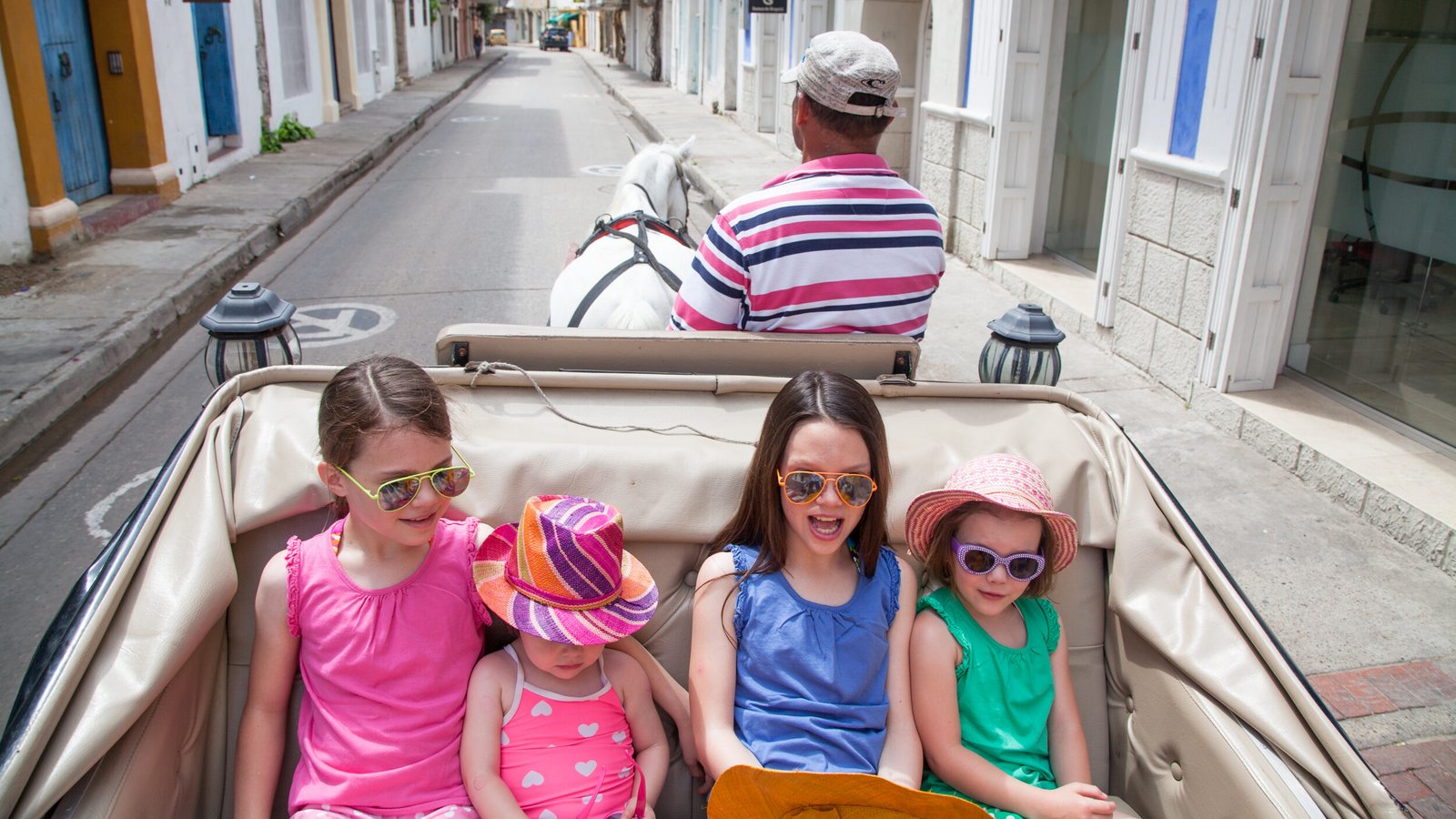
Traveling within Latin America as a family is a particularly rich experience; children are prized and adored in these cultures. As nice as it is to get away for a couple’s vacation, traveling as a family in Central or South America amplifies the joys. Locals go out of their way to engage, support, and welcome families. We’ve had grandmothers dandle our infants while we dined worry-free at parrillas and cafes. We’ve been invited to impromptu soccer games, barbecues, and horseback rides. We’ve been upgraded, rewarded, and elevated in countless ways.
In our years of designing travel for families, we are constantly hearing similar stories. If you’re wondering about the other benefits of traveling with your children, here are some you may not have considered.
1. Mental Health and Stress Reduction
Multiple studies link family vacations to measurably lower stress and better mental health for parents. One frequently cited finding is that women who take at least two vacations per year are significantly less likely to experience chronic stress and depression than those who vacation less than once every two years. Family leisure time, free from the pressures of work and household routines, gives parents and children room to reset together, which researchers associate with an overall increase in family unity and connection.
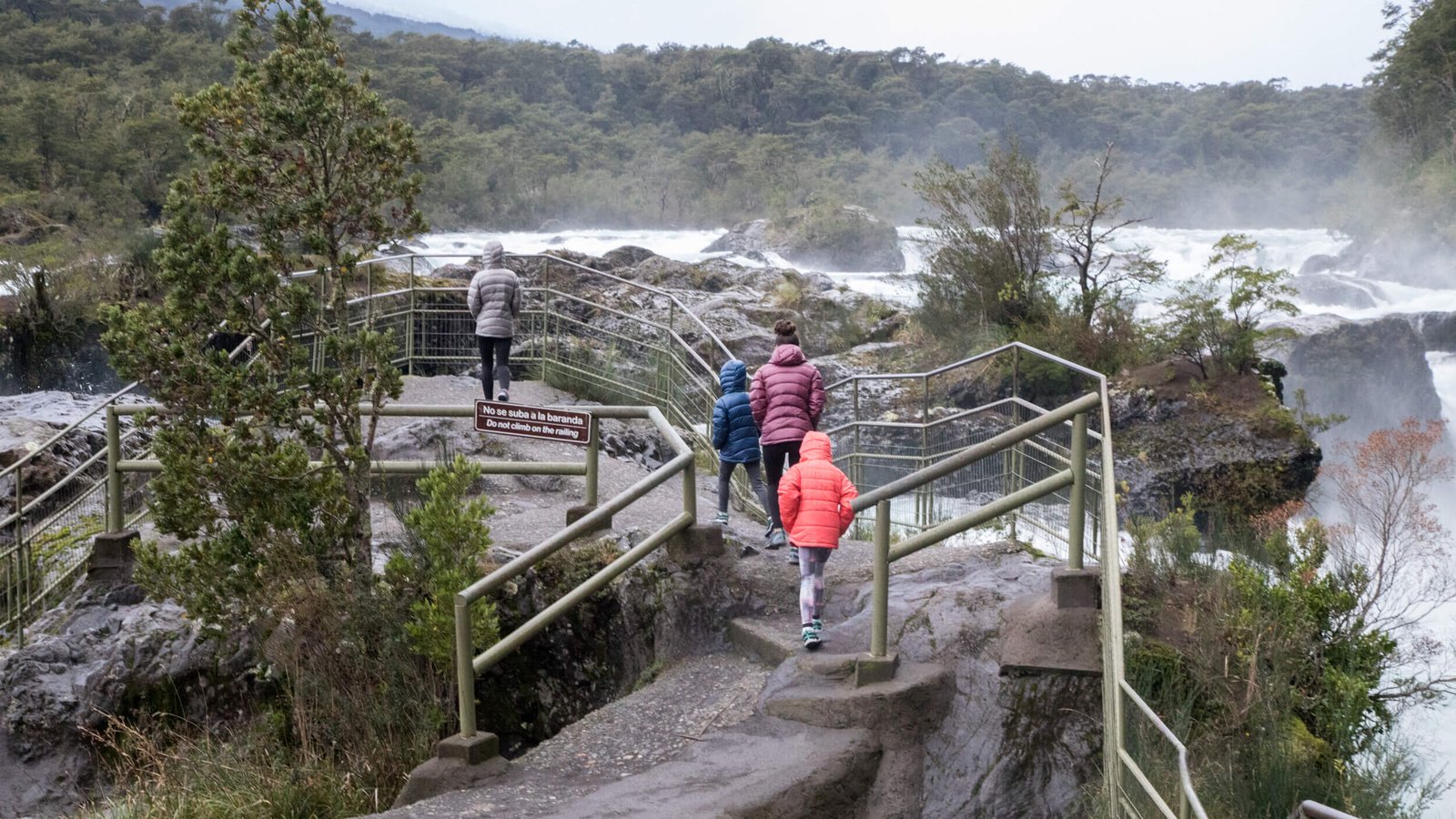
2. Physical Health Benefits
Sleep researcher Dr. Mark Rosekind found that after two to three days of vacation, participants averaged an hour more of quality sleep per night and showed an 80% improvement in reaction times.
Time away has also been linked to immune function: a Japanese study found that even a one-day trip to a park could boost immune activity for a week, and researchers attribute part of this to increased physical activity, which enhances antibody and white-blood-cell response.
A 2019 public health study found that taking more frequent breaks from work lowers the risk of metabolic syndrome — a cluster of symptoms including high blood pressure, high cholesterol, and high blood sugar. Because chronic stress is a known contributor to hypertension, diabetes, and cardiovascular disease, the stress reduction families experience while traveling has direct downstream physical health effects, not just emotional ones.

3. Family Bonding and Communication
Travel is repeatedly identified as one of the strongest drivers of family cohesion. A widely referenced 2013 paper argued that family leisure may be “the single most important force” in promoting healthy relationships between spouses and their children.
Research published in the Journal of Travel Research found that couples who travel together report increased relationship satisfaction; the Gottman Institute’s framework, built on empirical data from over 3,000 couples, treats travel as a rare stretch of uninterrupted time that supports “creating shared meaning”, one of the core pillars of their relationship model.
Away from daily distractions, families report deeper conversations, improved communication skills, and stronger problem-solving as a unit. Shared novelty (e.g. navigating a new city, trying new food, adapting to an unfamiliar culture) creates memories that reinforce a sense of security and belonging in children well into adulthood.
4. Child Development: Education, Skills, and Resilience
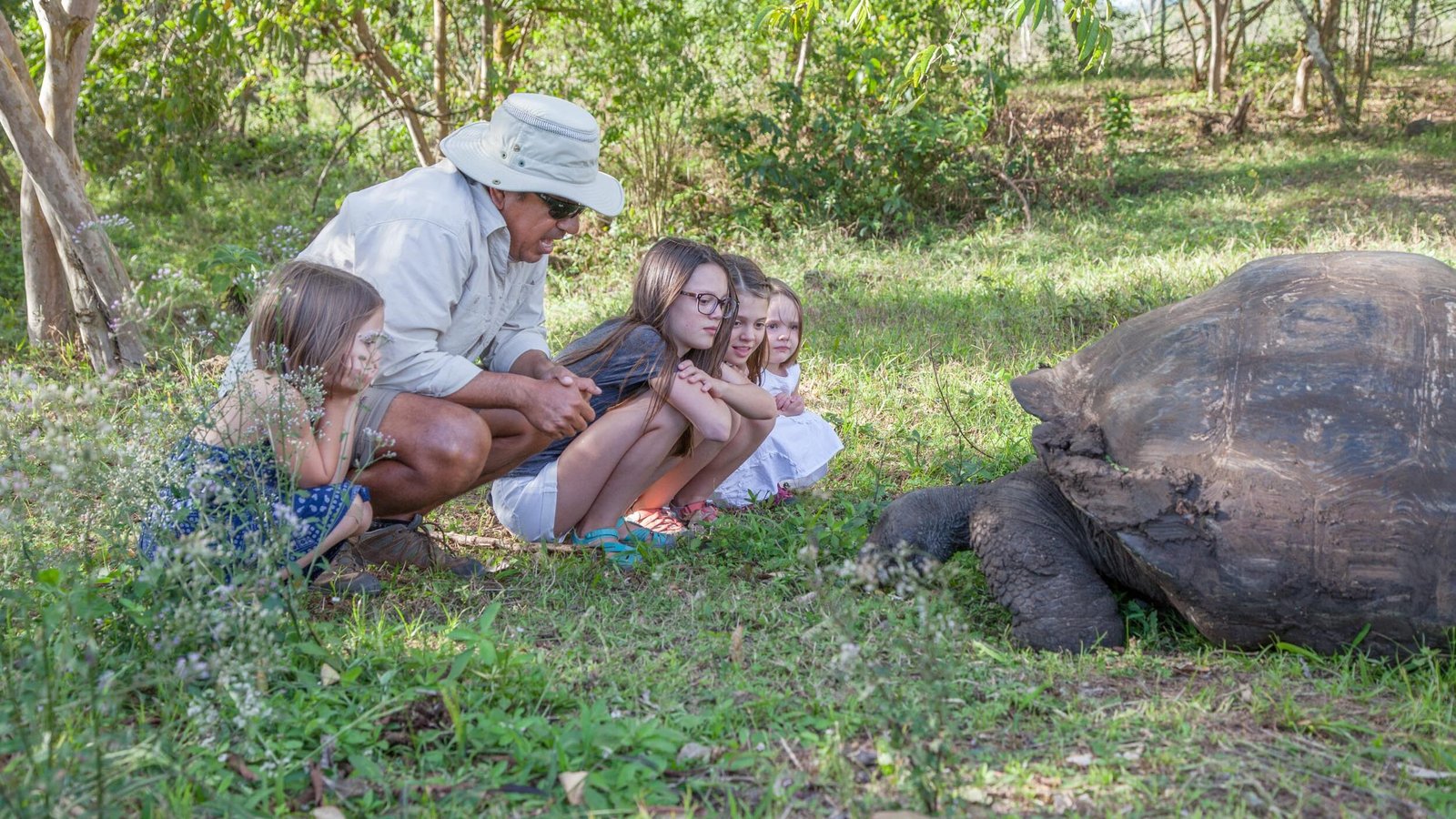
Academic literature on family travel often groups the developmental benefits of travel into three domains: knowledge, skills, and wisdom. Exposure to new environments builds curiosity and cultural awareness, while the logistics of travel (e.g. delayed flights, language barriers, unfamiliar routines) give children low-stakes opportunities to practice adaptability and resilience.
A 2021 study published in Annals of Tourism Research found that family tourism improved not just parents’ well-being but also children’s generic (transferable) skills, measured before and after the trip.
A 2025 US Family Travel Survey found that roughly 84% of parents reported their child became more open-minded and adaptable through travel, and 62% said it helped older kids develop a more positive outlook on life.
Separately, a Family Travel Association survey found 82% of respondents said family travel brings them closer, 79% said it enriches a child’s education, and 73% said it makes their kids better global citizens. The American Academy of Pediatrics, while primarily focused on travel-health precautions, also notes that traveling with children can be “emotionally and educationally rewarding,” reinforcing that the developmental upside is recognized in clinical pediatric guidance, not just tourism research.
5. Parental Well-Being
Family-centric wellness travel (i.e., vacations designed around both parents’ recovery from burnout and children’s developmental needs) has grown steadily as a category. Studies show measurable increases in parental well-being following family trips, driven by rejuvenation, reduced care giving load in unfamiliar-but-supportive settings (such as resorts with kids’ programming), and quality time that doesn’t compete with domestic responsibilities.
Separately, 91% of adults in one survey said some of their best memories are from vacation, and 70% named a childhood vacation as their single favorite memory — suggesting the well-being dividend of family travel compounds over decades, not just during the trip itself.
Market Scale and Generational Trends: 2025–2026 Data
Family travel is not a niche behavior; it is the largest segment of U.S. leisure travel, accounting for an estimated 44% of the market per Skift Research, and UNWTO/UN Tourism data attributes roughly $1.0 trillion in global tourism spending to families.
The Family Travel Association’s 2025 US Family Travel Survey (with NYU SPS Tisch Center of Hospitality and Good Housekeeping) found travel intent at its highest level since the pandemic, with 92% of American parents and grandparents planning to travel with children in the next year.
multi-generational travel is a defined trend within this growth; nearly half of all family trips (47%) are now multi-generational, up 17% from 2024. More than 70% of grandparents reported taking a trip with three or more generations.
Millennial parents are increasingly the segment driving demand, and Skift Research projects that Gen Z and Millennials will account for more than half of U.S. leisure trips by 2030, up from about a third in 2023, with both generations consistently prioritizing experiences, including family time, over material spending.
Cultural and Social Media Perspective
Beyond formal research, family travel has become a defining theme in parenting culture online. Family travel influencers have amassed large followings by demonstrating that having kids doesn’t have to mean putting travel on hold. Creators frequently frame consistent family vacations as a form of “generational wealth” measured in memories and shared experience rather than money.
Millennial and Gen Z parents in particular prioritize experiences over material purchases, and social platforms are now a primary source of trip inspiration and validation.
Across clinical guidance, academic research, industry data, and public sentiment, the case for family travel is broad and consistent: it reduces parental stress and improves physical health outcomes (sleep, immunity, cardiovascular risk), strengthens couple and family bonds, builds resilience and transferable skills in children, delivers well-being gains that compound for decades, and is now the largest and fastest-growing segment of U.S. leisure travel.
If you’d like your next family vacation to be rewarding, seamless, and unforgettable, speak parent-to-parent with one of the expert travel designers at LANDED. We know the territory first hand and by heart, and provide valuable context that will benefit your family.