Why have so many of your most meaningful, memorable moments come through travel?
Ask most people to name the five or six moments that shaped who they are, and at least half of those will have happened somewhere other than home. Psychologist Michael Steger, who directs the Center for Meaning and Purpose at Colorado State University, studies why that’s so. His research finds that meaning has three elements: significance, coherence, and purpose. Travel is one of the few experiences that supplies all three at once. Travel pulls you out of routine, and does so with your consent. As Steger puts it, travel allows you to “be permeable, be changeable, a different reflection of who you are.”
Chip and Dan Heath, the authors of The Power of Moments, found something similar from a different angle. The experiences people remember and value involve one or more of four traits:
- Elevation, rising above the ordinary;
- Insight, a flash of new understanding;
- Pride, a moment of being at your full capacity; or
- Connection, something significant shared with another.
Most routine days offer one or none of the above. In contrast, when we are traveling with intention, we can experience all of these traits in a single day. The elevation of witnessing a calving glacier. Insight as you find the rhythm of a full gallop in a criollo saddle. The pride of reaching an Andean summit. The connection you feel as your child sees her first condor overhead.
At LANDED, we understand the power of journeys designed for significance and transformation. That’s not every vacation; sometimes relaxation is the priority. But with intention, we can create reliable opportunities for our travelers to return home changed. Your vacation can provide more than mere rest. It can be a time of renewal, wonder, accomplishment, connection, and perspective.
Awe and Wonder
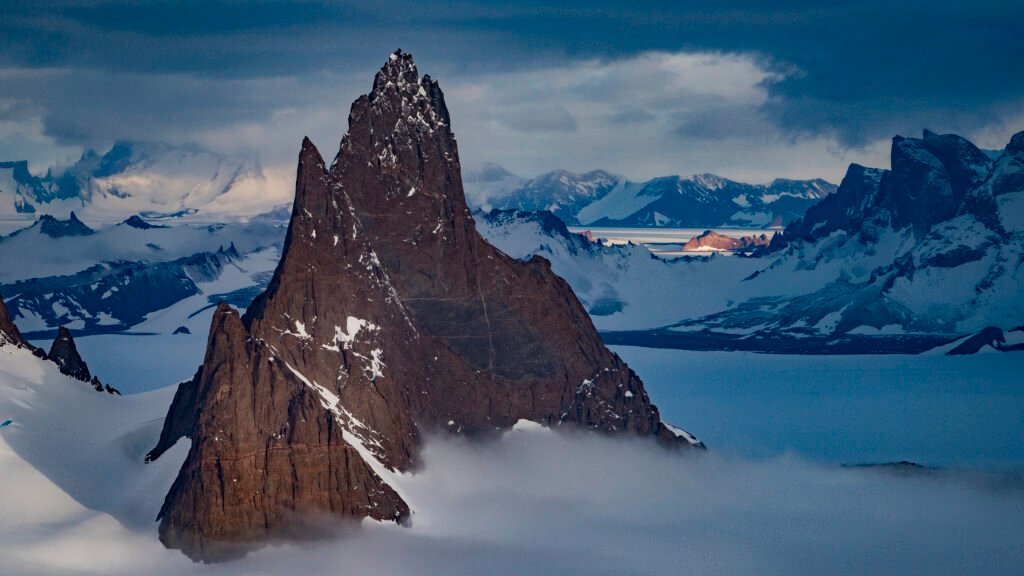
Psychologists distinguish awe from ordinary wonder. It’s a matter of scale. Awe can occur when we encounter something vast enough to warp our existing framework—to see yourself as small in comparison, triggering what Dacher Keltner at UC Berkeley calls cognitive accommodation, stretching the brain to fit a larger worldview.
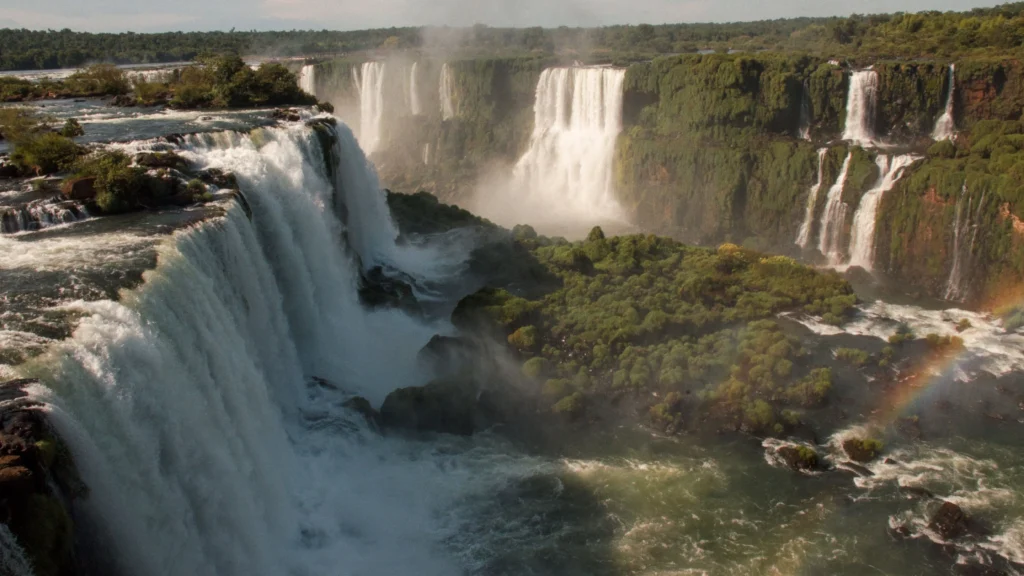
Natural landscapes are reliable triggers of awe, and Latin America and Antarctica present an overabundance of such natural beauty. Tabular icebergs that dwarf your expedition vessel. The thunder of 50,000 cubic feet of water per second passing through the Devil’s Throat at Iguazu Falls. An ancient kapok tree reaching 200 feet above the Amazonian forest floor. More than 70 summits over 18,000 feet in Peru’s Cordillera Blanca. The endless reflection of night sky on Uyuni’s mirrored surface.
Wonder operates on a more intimate scale. Close and specific, we often associate it with magnificent wildlife encounters. Eye-to-eye meditations with giant tortoises in the Galápagos Islands. Kayaking with whales in Antarctica or Costa Rica’s Golfo Dulce. A morning among the dancing eek birds of the Mindo Cloud Forest. Your first jaguar in the Pantanal.
Both awe and wonder require being alert, present, and intentional in the right places. Timing matters, and the right guides can clear and direct your path. Private guiding, with time to experience these wonders at your own pace, is a clear advantage.
Mastery and Beauty
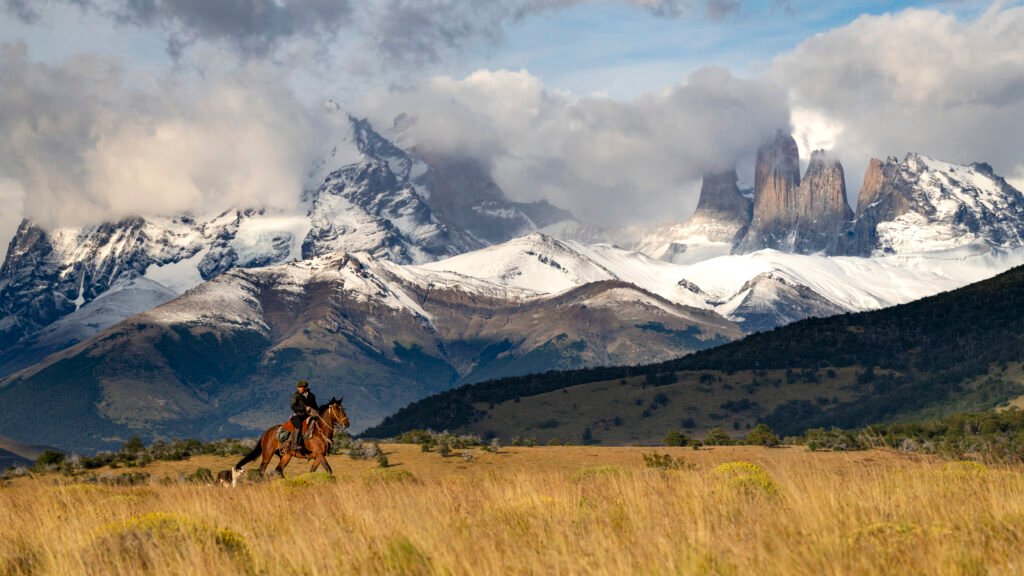
Some of the most powerful moments in Latin America come from encounters with greatness. Meeting someone who has spent a lifetime becoming extraordinarily good at one thing. A gaucho whose horse responds with apparent effortless precision. A rainforest guide who can spot wildlife invisible to mere mortals. A leatherworker crafting belts from exquisitely fine braids of rawhide.
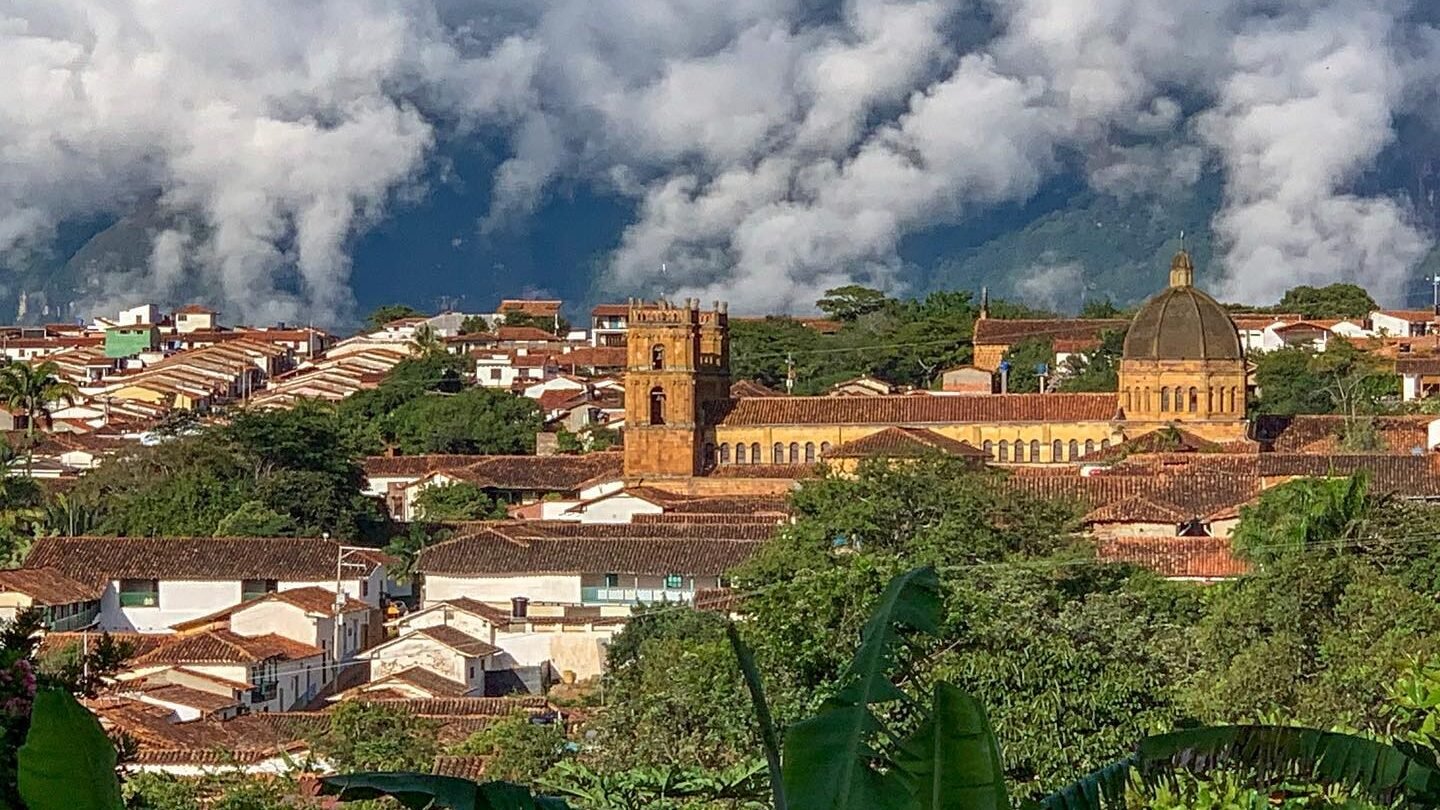
Beauty is more than ornamentation in Latin America. It often has function and purpose. The terracing of a cloud-level Inca settlement. The moai of Rapa Nui, their coral and obsidian eyes watching over inland legacies. The gardens of the Burle Marx Estate in Rio. The whitewashed and terracotta townscape of Barichara, Colombia.
Beauty is reliably tied to mastery, and proximity amplifies the power of both. Standing near someone performing at the edge of human skill—in a kitchen, a workshop, or on an estancia—recalibrates one’s thinking about what is possible. The fine art and functional objects we’ve collected while traveling is somehow more alive to us because we witnessed its creation or met its creators.
Physical Challenge
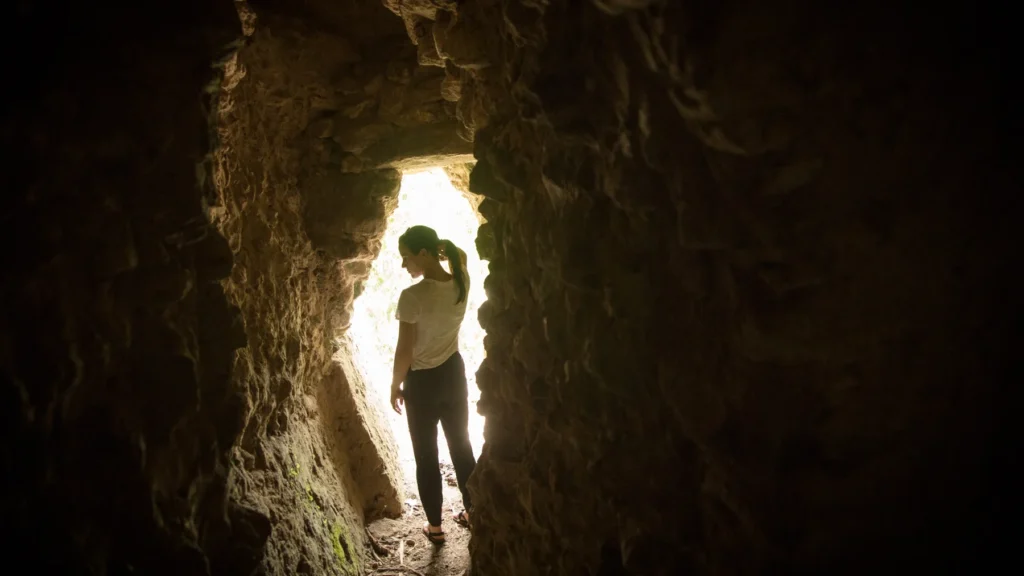
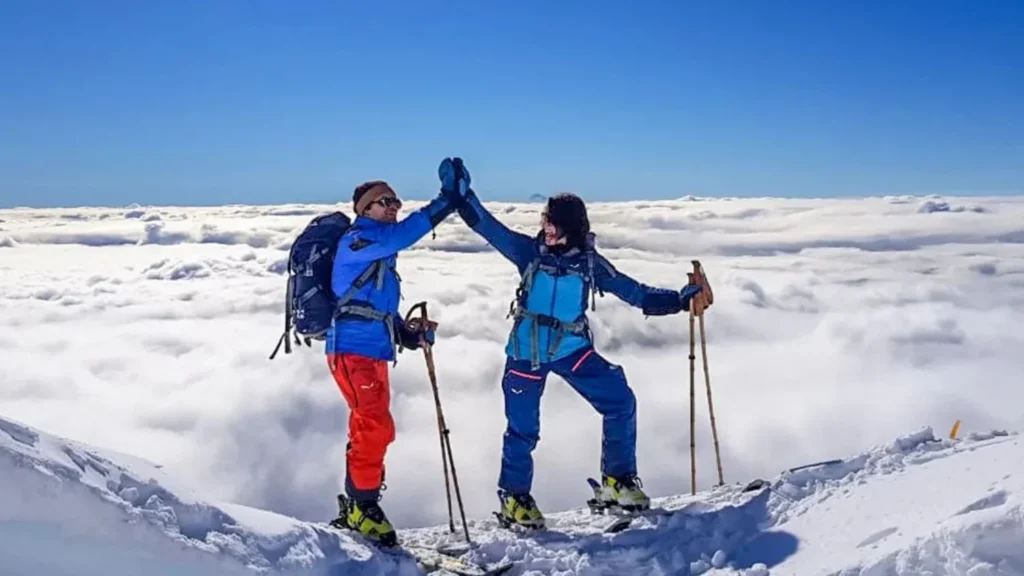
Some transformative moments require physical endurance and mental stamina: trekking through the remote Andes, crossing the Drake Passage, navigating a Maya cave system, or diving with hammerheads. A body that is tired, wet, cold, or battling fear can block out the usual mind-noise and heighten perception. The view from a summit you’ve hiked always means more than a view you reached by vehicle.
By overcoming a challenge, we gain resources that help us confront future difficulties. We have a reference point for our own resilience and strength. We know we can do hard things.
In our consultations with travelers, a parent will sometimes outline a long-term goal for themselves or a child. One father wanted to help his daughter grow in confidence. We designed a series of adventures that helped them reach that goal together: caring for orphaned animals at a wildlife rescue, learning to snorkel, trying a zipline, and summiting a peak.
A quieter version of physical challenge requires a different type of fortitude: deliberately storing your phone for a week, engaging in a silent hike through forest or mountains, or practicing self-denial to visit a truly remote location can produce the same clarity as exertion. So too can being pulled onto a dance floor, attempting to speak Spanish with a stranger, or being terrible at capoeira in front of a crowd. The you who attempts these things will come away more confident and willing to suspend judgement.
Beyond the Unfamiliar
How can you magnify these change agents? Through distance from the familiar. Routine is efficient, but can lull us into numb slumber, requiring less of our attention over time. Travel interrupts that unconscious motion. It removes the usual supports: language, schedule, position, predictability. In the resulting gap, you have room to be more aware, more present, more alive.
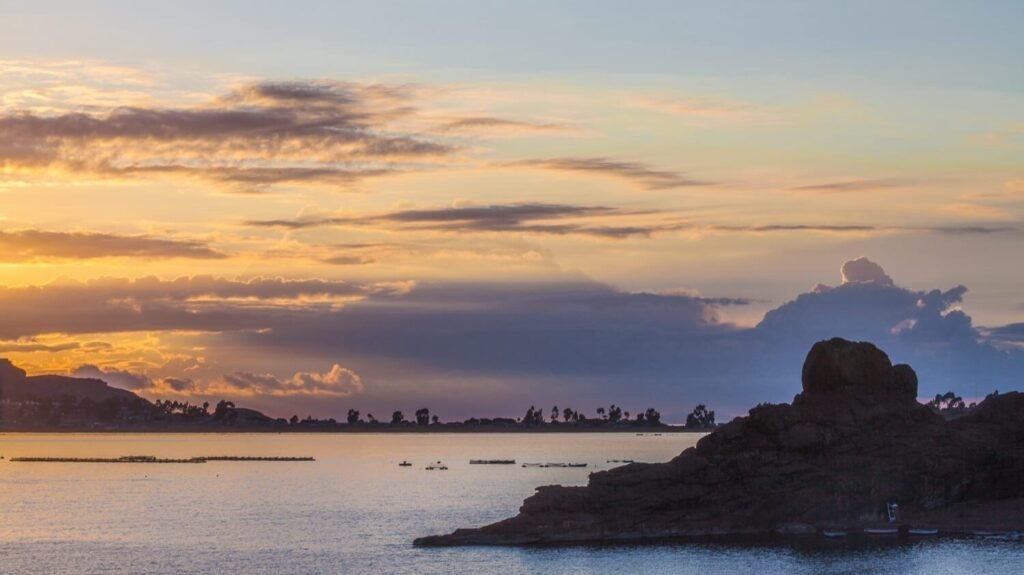
So many places in Central America, South America, and the Antarctic overindex on unfamiliarity. They offer something closer to transcendence: beyond a normal physical or material state. The dawn chorus of birds and monkeys in a primeval forest, the Milky Way from a private island in Lake Titicaca, Baru’s misty slopes echoing with quetzal call, and the multi-hued peaks of the Baguales region of Chilean Patagonia near dusk. These are soul satisfying sanctuaries, templates that recalibrate your orientation to the big picture.
For those who want to go deeper, consider participating in living traditions of faith and celebration. Those who do can become part of a combined effort, a unified whole. Ceremonies predating the arrival of Europeans are practiced with care and intention in the Andes, the Amazon, the Mundo Maya, and the lands of the Kogi and the Mapuche. On their own terms, and not as performances, these rites offer another route to feelings of unity and ascension. They are proof that older ways of understanding are fully alive, not only preserved behind museum glass.
Connection
Nearly all travel companies all promise connection, but they rarely offer specifics on what they mean by connection. LANDED’s answer, developed over decades of crafting tailor-made journeys is this:
Connection is a deep sense of bonding. It is to grasp, value, and resonate with another’s self. It is a feeling of well-being that arises from mutual understanding and trust.
Connection is a meaningful relationship with a specific person, in a memorable natural or cultural context, at a specific moment. It is shared experience that enriches both lives.
Here are a few experiences have produced powerful connections for actual LANDED travelers:
- A sunrise volcano hike for a father and his daughters in the Atacama Desert.
- A grandmother and granddaughter snorkeling with playful sea lions in the Galapagos Islands.
- A father and his young son on a multi-day river kayak trip, followed by the challenging trek from Hacienda Helsingfors to Estancia Cristina in Argentine Patagonia.
- A one-to-one afternoon with an archaeologist at the Rano Raraku Quarry on Rapa Nui (Easter Island) for parents and their ancient-culture-loving 10-year-old son.
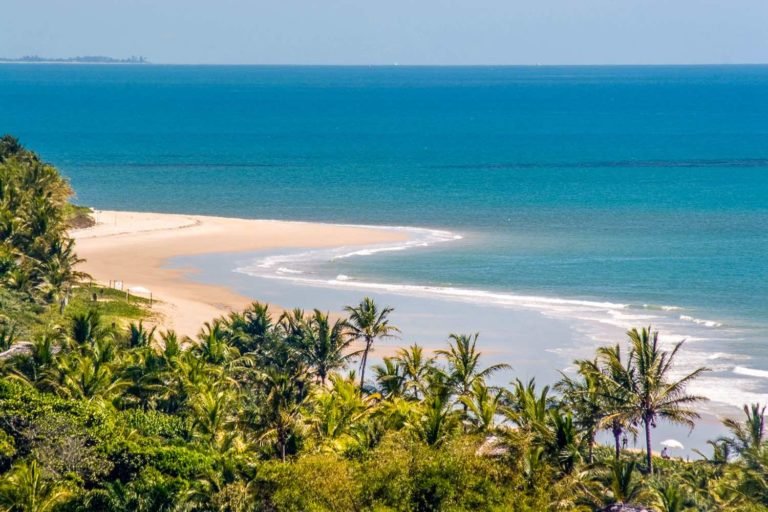
- A couple spending the afternoon exploring an endless beach in Bahia, Brazil without encountering another soul.
- Grandparents sharing a silent moment with their guide in Corcovado National Park, Costa Rica, as they encountered a Baird’s tapir and its calf on the trail.
- A sunset blessing for a mother and her daughter in the fields overlooking Cusco.
- A three-generation family witnessing hawksbill and leatherback turtles nesting by moonlight in Tortuguero, Costa Rica.
In these wild places, more than in a city, you’re away from digital and scheduling distractions. You are free to focus on the experience.
You know you’ve truly connected when you treasure the memory of a place, and experience, and a moment. When those you’ve connected with can recall that time years later with deep joy. When you hope to keep in touch with the guide who brought the pieces together.
Other benefits accrue when people from different cultures spend time together, especially in nature. Research on cross-cultural contact finds that shared wilderness experiences increase traits such as willingness to trust and openness. Talking with an Ecuadorian chagra or an Amazonian tracker generates its own form of connection, providing insight into a way of life different from your own.
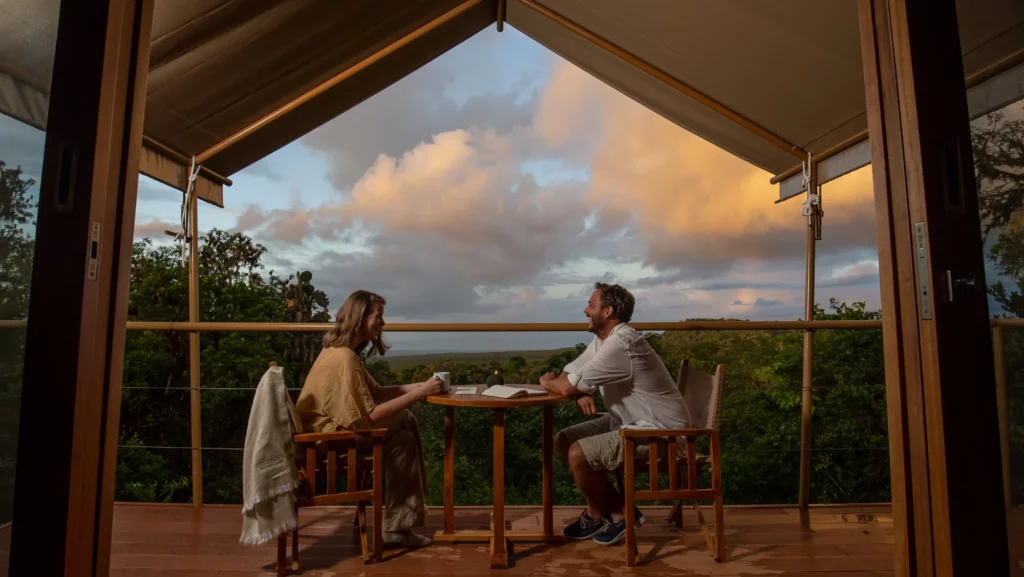
Couples and families enjoy a different version of the connection dividend; research and anecdotes suggest that traveling together can help repair damaged trust and strengthen confidence in each other. When we step outside routine, we can more clearly see each other’s capabilities and talents.
Seeing Yourself Anew
Although our travel moments can be breathtaking, the larger benefit is what happens after your return home. Those moments keeps working on you.
Steger’s research highlights coherence: the sense that your life story makes sense as a unified narrative, rather than a series of unrelated events. Meaningful travel provides new material for that story. You’ve experienced a version of yourself that has surfed in Nicaragua, tracked jaguars in the Pantanal, or spent hours with your children observing nesting penguins in Antarctica.
LANDED’s founders, Erynn and John Montgomery, put it this way: “Traveling together has changed the way we view ourselves and our world. These experiences have become part of us: our story, our legacy, our family lore.”
A vacation may not change your life all at once. But Iives are changed, over time, when intentionally sculpted by powerful experiences. Looking back on those events, you can identify the times that shaped who you’ve become.
When you vacation in a way that’s tailor-made to your interests, pacing, and style, you have much more input on how you experience your chosen destination. You can choose when to linger, and when to move on to what’s ahead.
People who travel with that kind of intention report coming home with a sharper appreciation for the ordinary joys of life. Some of the benefits begin even before departure, in the planning, the anticipation, and the curation. After the trip, you can mind-travel back to the most meaningful moments as often as you like. They become a resource and a reminder of what’s possible.
Before You Go
Consider sitting with these questions before you plan your next vacation. These are some of the points LANDED’s travel designers use to shape a tailor-made journey:
- What are you missing right now?
- Where have you felt awe? What was it about that place? Who were you with, and what were the conditions?
- What physical challenges have meant the most to you?
- What chance meetings linger in your memory?
- What causes are you devoted to, and why?
- What masters of their craft have you met, and how did meeting them change you?
- What fears would you like to leave behind?