Doug Tompkins—the founder of The North Face and Esprit, who spent the last decades of his life buying and protecting enormous tracts of Patagonian wilderness—once said that conservation without an economic model is just sentiment. Patagonia has become one of the most compelling demonstrations of his argument. The tourism economy that has grown up in southern Chile and Argentina now funds the largest conservation and rewilding effort in the Americas.
The Tompkins Legacy: Rewilding Patagonia
The Conservation Land Trust, founded by Kristine and Douglas Tompkins, has donated more than 2.2 million acres to the Chilean government—land that has become the nucleus of several national parks, including Pumalín, Patagonia, and parts of the Huilo Huilo reserve. In Argentina, the Tompkins Conservation organization created the Iberá Wetlands rewilding project, returning jaguars, pampas deer, tapirs, and giant anteaters to their historical ranges.
The lodges that LANDED recommends in Patagonia—particularly those adjacent to or within protected areas—have either direct conservation relationships or operate under the strict environmental standards established by Chilean and Argentine national park authorities.
What Sustainable Patagonia Travel Looks Like
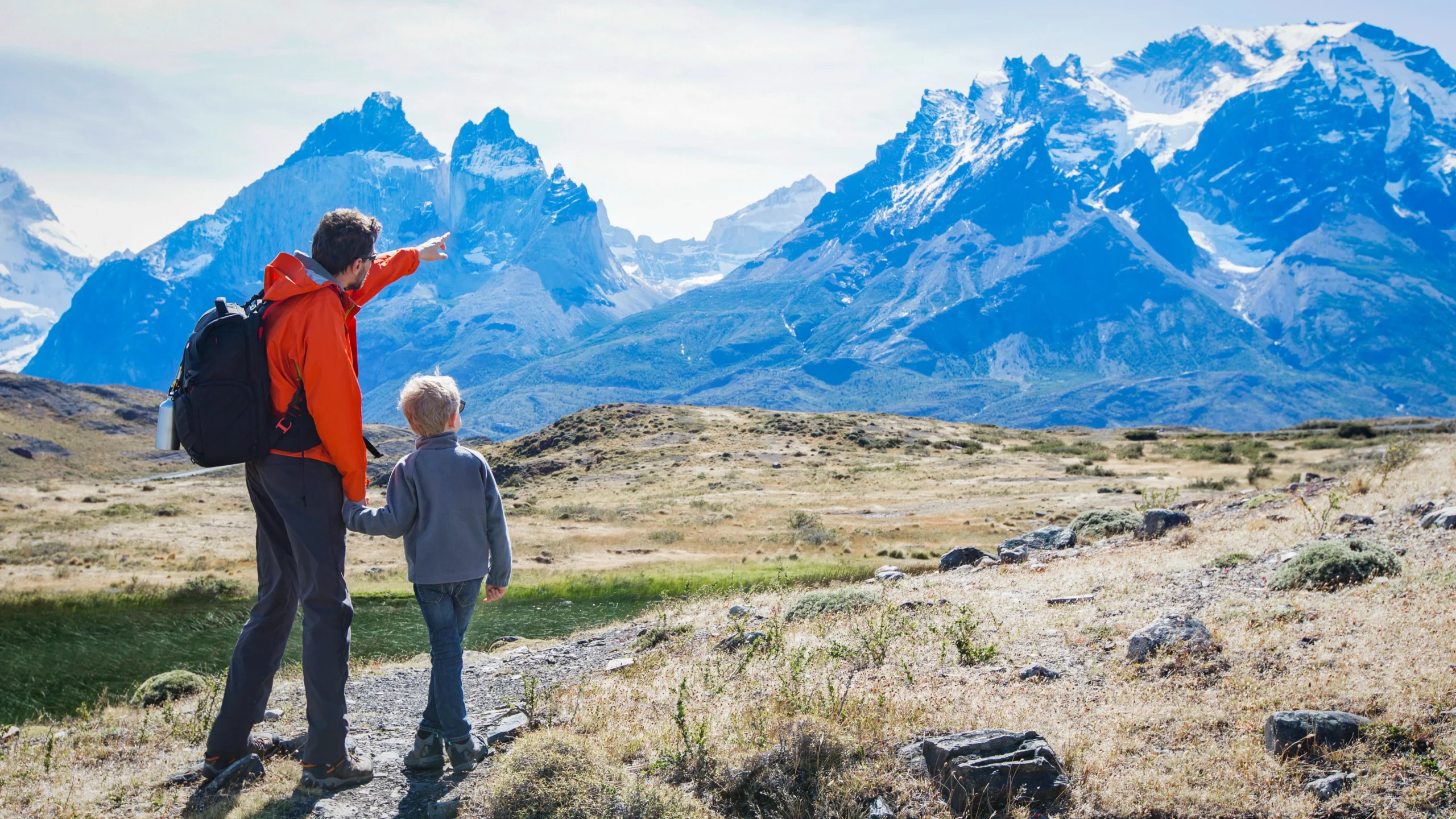
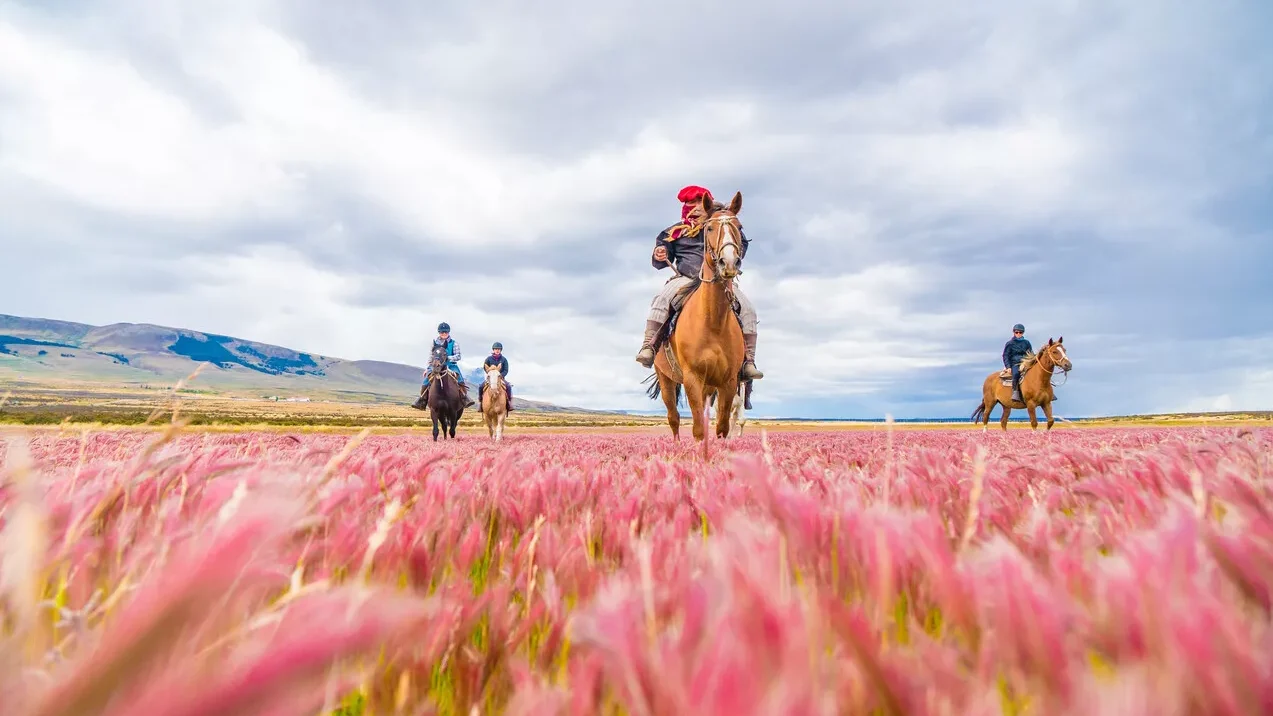
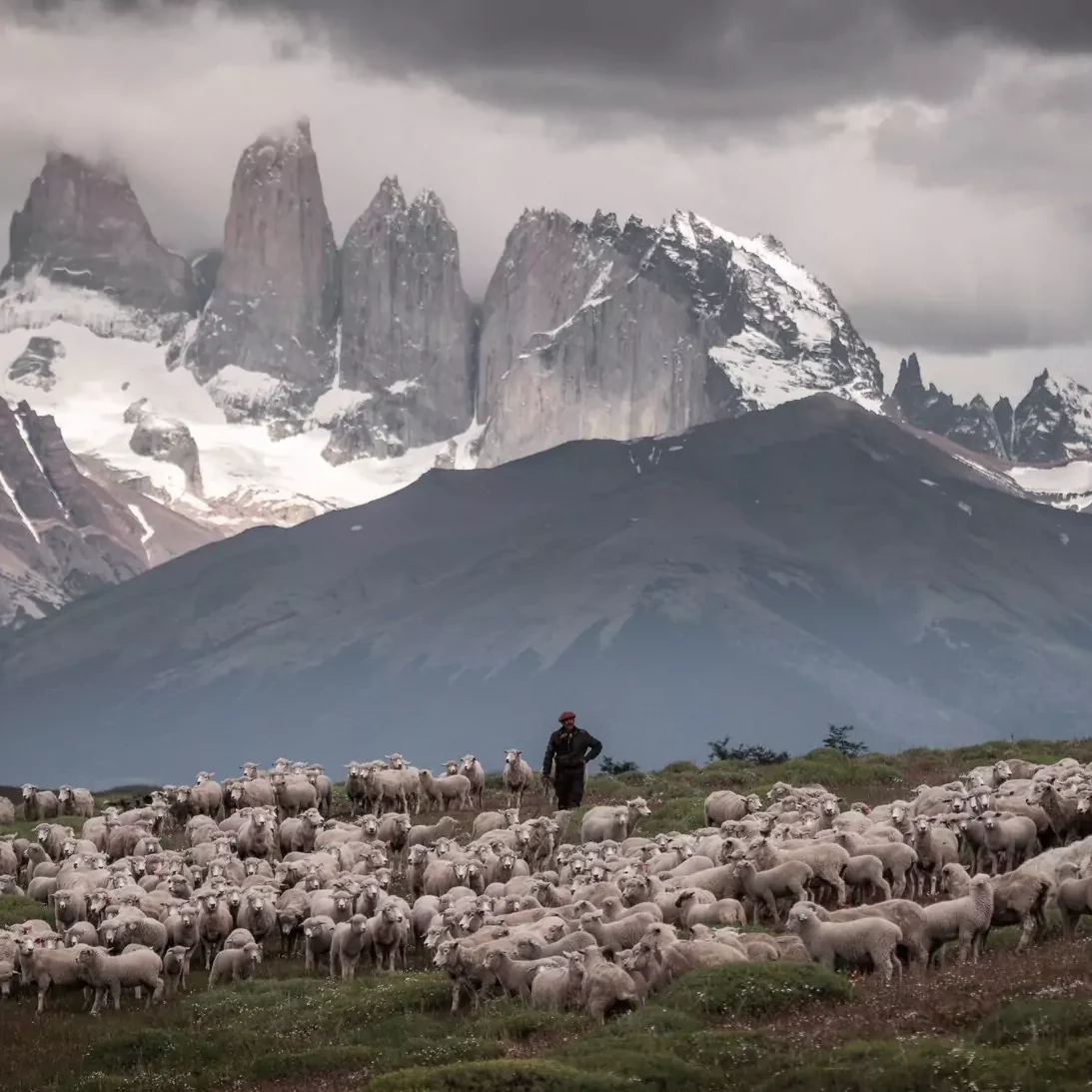
Traveling sustainably in Patagonia means staying at smaller lodges that are locally owned or have genuine community employment models; using local guides with long-term ties to the land; choosing horse trekking operations run by generational gaucho families; observing wildlife respectfully, in the company of trained conservation biologists; and spending meaningful time in the wild to cultivate a protective, motivating love for these places.
The Puma and the Conservation Dividend
The recovery of puma populations in Torres del Paine—from deeply secretive and rarely seen to a population that is now one of the most reliably observed in the world—is a conservation success story with a direct economic beneficiary: the lodges and guides who have built a world-class puma-tracking industry.
The puma is worth more alive and visible than it could ever be otherwise. This is the economic argument for sustainable tourism in feline form.
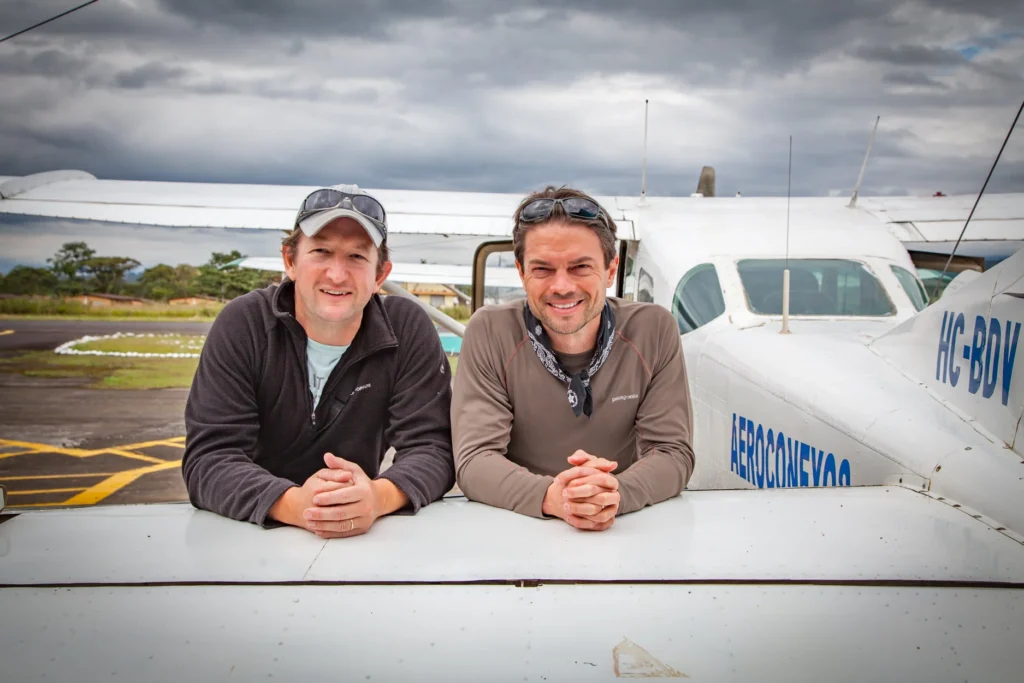

I’ve never had such great service from a tour operator. Not only were you a great help on the planning-insuring that I was staying at the right places and enjoying the type of activities we love-but the follow up was incredible. I look forward to working with you again. – C. Leavitt, LANDED Traveler
Patagonia is renowned for its natural beauty and acclaimed for its spirit. For those who roam, Patagonia is symbolic—a manifestation of wildness, freedom, solitude, and frontier. Of open road and untapped adventure. A new world to explore and revere.” – John Montgomery, Co-Founder of LANDED
PRICING NOTE
LUXURY FULL-BOARD PATAGONIA LODGES TYPICALLY RANGE FROM $1,639.44 PER PERSON PER NIGHT BASED ON DOUBLE OCCUPANCY.
“The very names evoke so much, and are their own justification for this journey, for one must hurry if one is still to glimpse the earth’s last wild terrains. The greatest of these, the oceans and Antarctica excepted, lie not in Africa but within the mysterious continent of South America.”—Peter Matthiessen