Podcast: Play in new window | Download
Subscribe: Apple Podcasts | Spotify | TuneIn
LANDED Podcast 039
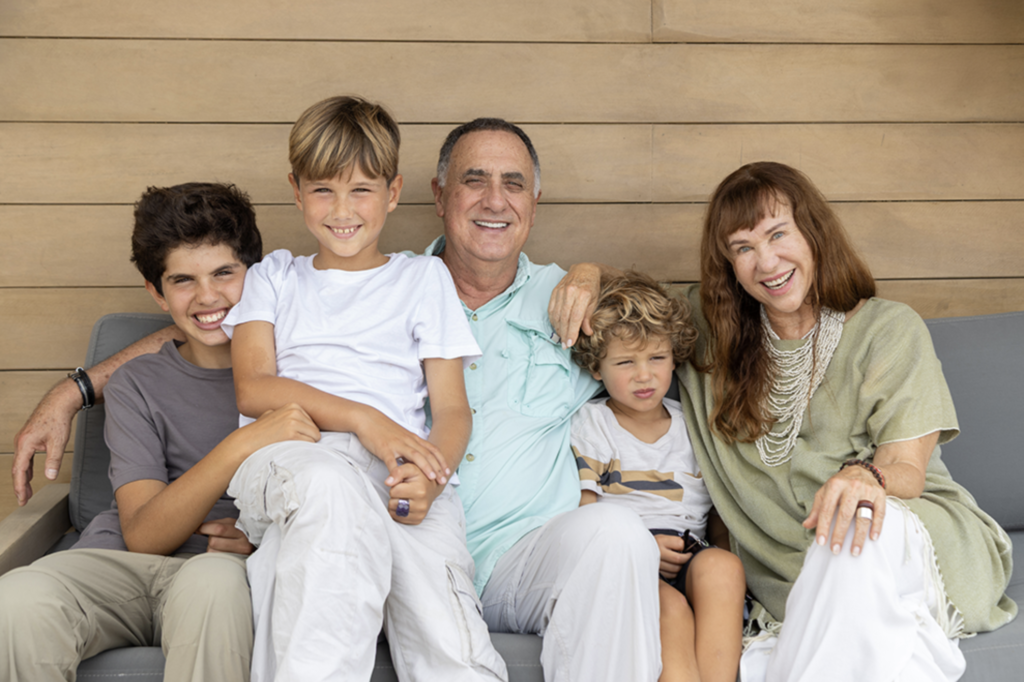
Aldo Macchiavello and Lissy Urteaga – Founders of Delfin Amazon Cruises
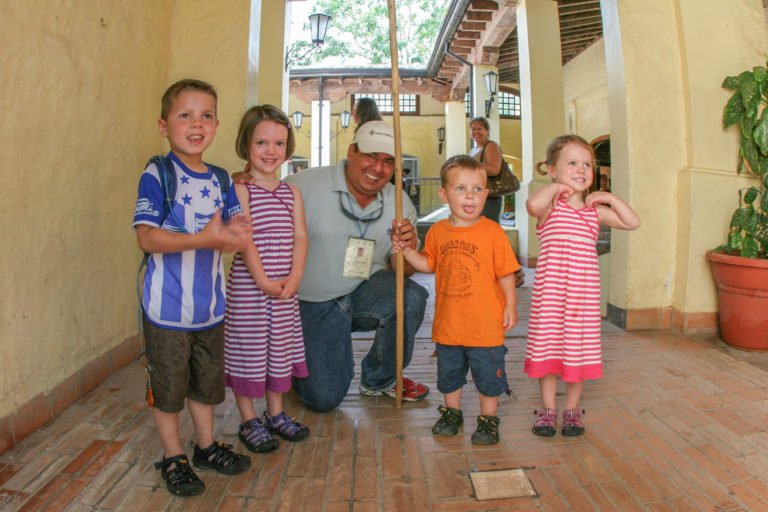
Juan Carlos Palomino – Amazon guide
I’m a reluctant cruiser. I don’t want to travel as part of a large group, and I enjoy the freedom to dig deep into the landscapes and local culture.
Yes, we love the small-scale multi-island journeys in the Galapagos, or smaller expedition ships or charters in Antarctica—places where the vessel becomes a platform for exploration. Yes, we treasure our memories of live-aboard yacht and catamaran navigations in remote parts of Panama, Costa Rica, and Brazil, where there aren’t many land-based options. But it had been a few years since we’d cruised through the Amazon; most of our Amazon time has been in forest lodges.
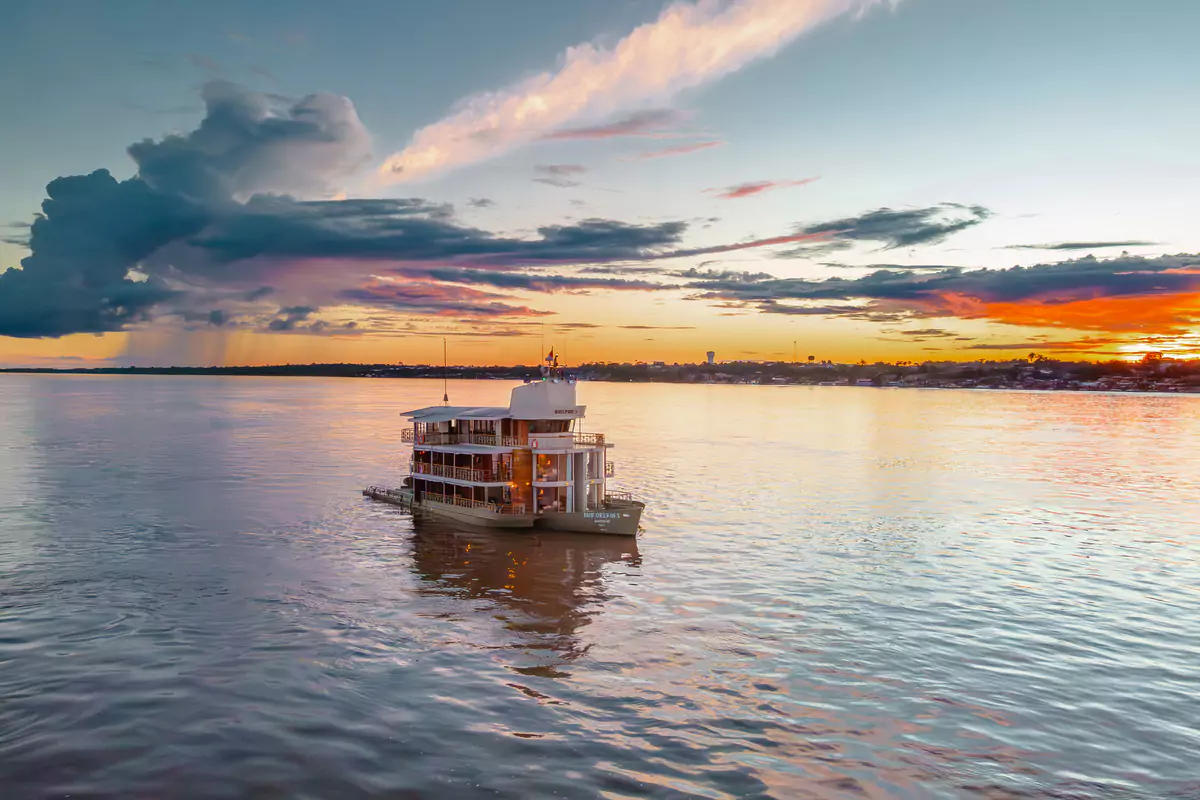
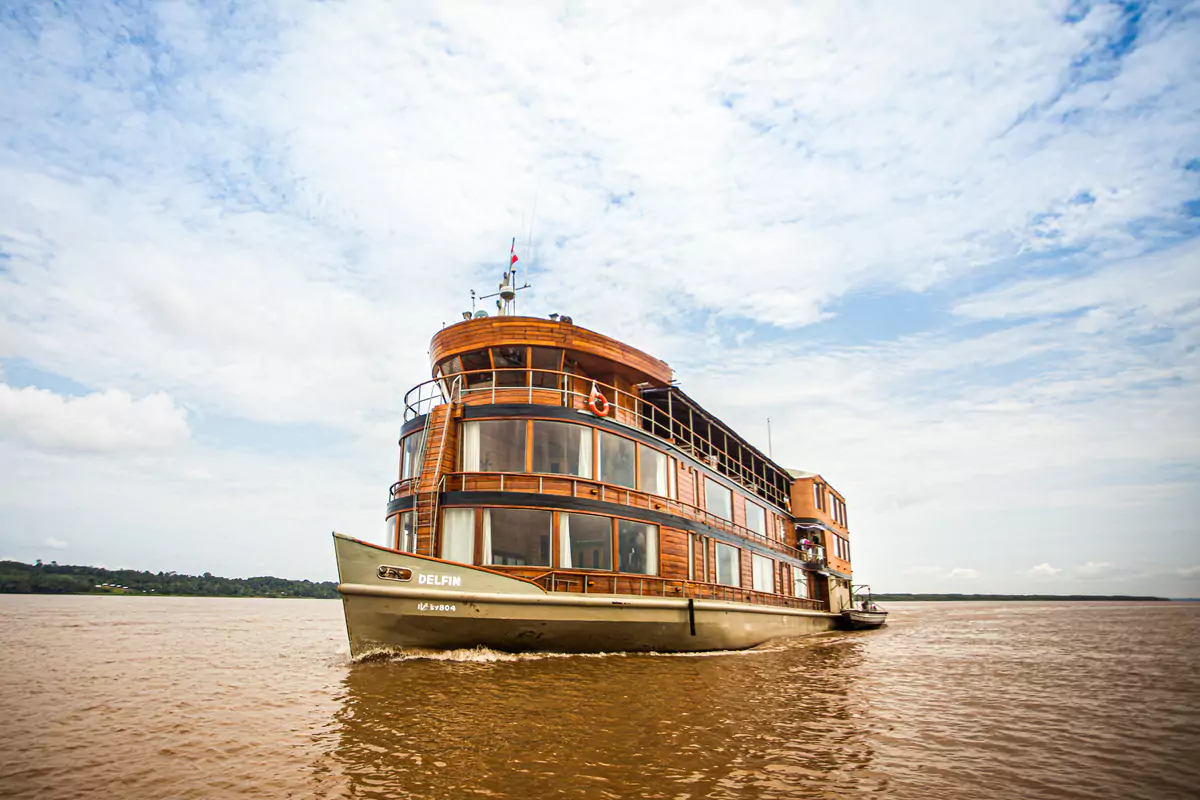
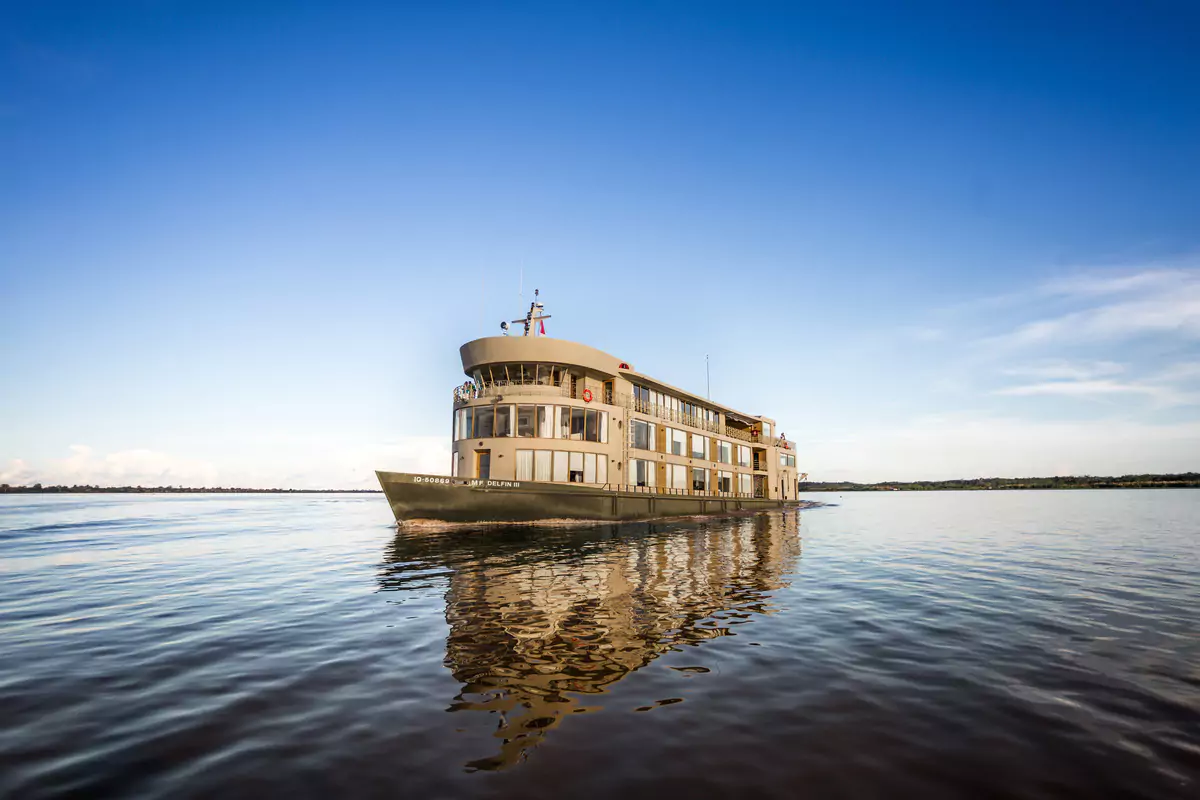
What convinced us to go was the vessel, only five cabins and newly refurbished. The Delfin I, is a member of Relais & Chateaux, and we had heard that the guides and experiences were exceptional.
Aldo Macchiavello and Lissy Urteaga, the Peruvian owners, had encouraged us to come and see what makes Delfin different. Our guide, Juan Carlos Palomino, is a master storyteller and wildlife spotter. He took us deep into the flooded forest by skiff, through the forest canopy on trails, and into gracious riverside communities. The Delfin difference—the care, the feeling of family—came through in every interaction onboard. Delfin has soul.
We recorded this episode with Juan Carlos while aboard the Delfin I, and with Aldo and Lissy at their home in Lima. We talked about Amazon conservation, guiding, cosmovision, and Delfin’s commitment to community.
Delfin Amazon Cruises
Delfin Amazon Cruises was the first Peruvian company to offer refined river expeditions in the country’s Amazon Basin. The fleet explores Pacaya Samiria National Reserve, a protected region in northern Peru known for its extraordinary biodiversity and remote beauty. Cruises are led by expert naturalist guides and supported by attentive onboard teams. Daily excursions by skiff bring guests face-to-face with the Amazon’s rich ecosystems, home to pink river dolphins, sloths, macaws, and more.
Rooted in Community: Delfin’s BioRest Program
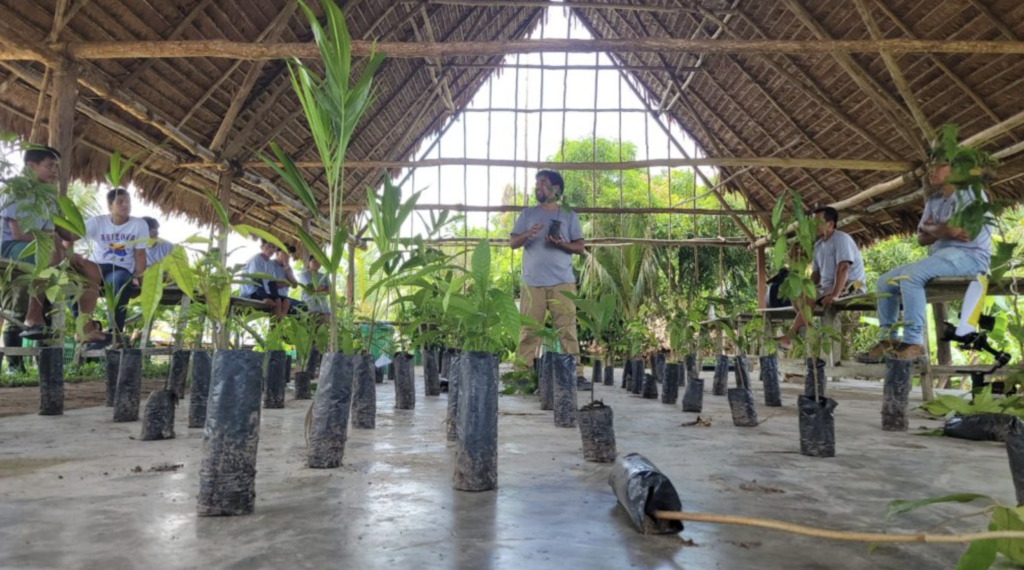
The care we felt on board the Delfin I reaches well beyond the riverbank. In 2025 Delfin launched BioRest, a long-term biocultural restoration program led by biologist Gabriela “Gaby” Orihuela, Delfin’s Sustainability Lead. It’s more than a tree-planting effort. BioRest combines traditional ecological knowledge with modern restoration science to bring back native species that local families value for food, medicine, crafts and conservation.
The program works with three Indigenous communities on the lower Marañón River: Puerto Prado, Amazonas and San Francisco. Nothing was imposed on them. Each community discussed the invitation in its own assembly and agreed by consensus, and the species are chosen together with community elders. One of the trees being brought back is the leche huayo, which returned after a 70-year-old elder dreamed of it.
In its first year, BioRest held monthly Community Field Schools, brought in 18 families and planted more than 1,700 native seedlings across a 172-hectare restoration corridor. That corridor is also home to the pygmy marmoset, the world’s smallest monkey. The goal is more than 3,000 plants by the end of 2026.
For us, this is the Delfin difference in action. Luxury here is measured by what stays behind in the forest after the guests leave.
Rather read than listen?
Find the transcript below
Part I: With Aldo & Lelia (“Lissy”) Macchiavello in Barranco, Lima
Aldo and Lissy, thank you so much for inviting us into your home in Barranco. It’s beautiful to be here with you.
Lissy: Happy to have you here. Really enjoy both of you.
Aldo: Yeah, pleasure. Pleasure to have you both here.
Lissy: You can start telling us, now that you have experienced Delfin, what is it that you felt so we know if we have achieved our goal.
John: This was the first time I’ve been to the Peruvian Amazon where I really felt a connection to the people and to the land.
Lissy: That’s wonderful.
John: There’s a spirit about the Amazon that I don’t think I felt as strongly in the past.
Lissy: That’s great, because one of our main objectives was that you can feel that the Amazon could be your home, and that you can melt in that spirit—the spirit of the river, of the forest, of the animals—in a way that your footprints are not interrupting the natural nature of the Amazon. I think that we try to achieve that your feeling is so comfortable, so secure that you say, “Oh my God, this is the Amazon.” I never realized—I always thought of it as a very harsh environment full of mosquitoes and heat, but actually it’s a natural base where everything is balanced. Nothing is out of place. There we are, the ones that are disrupting that, but we try to melt in and make you feel that you could belong there. That is our main objective.
John: It’s also the connection that you and your team have made with the local communities…
Lissy: Oh, yes.
John: …because it’s very difficult to have that be truly an authentic and reciprocal process. And yet you step into these villages and there’s light, and there’s excitement to receive guests. They’re showing us with genuine interest their lives, which you wouldn’t be able to see or experience in another way. So because of the relationship that you’ve developed with the communities and the way that your staff engages with them, it opens up the Amazon to visitors in ways that feel very special.
Lissy: Yes, you’re right. Because actually the Amazon is not only about the wildlife and the river. It’s also the people that live there that have made that part their home. And one of the amazing things that I discovered and we discovered when we started is that they are very proud people. They’re happy people. They are always smiling. Actually, they are not hungry. They have the river that provides, you know, they sustain themselves. Yes, they lack a lot of things—a lot of things—but they make the most of what they have.
When we started, it took us a while for them to really trust us, to make them understand that we will be back again and again. So we started developing these small arts and craft markets that now are very successful. They’re all entrepreneurs. And that is for us a great achievement. Because in a very subtle way, these women have changed their life in a positive way because they have started working. And now the husband works with them because they go inside the forest to look and harvest for the fibers and the natural dyes. And then they are teaching their families how to do it.
Now that we take guests all the time, they have a rotation and guests are always buying little things, and that makes a huge difference in their lifestyle because now they can provide for better things. Now the communities have evolved. Before they were much simpler. Now, for instance, there are people that opened a small bodega—a store—and she goes back to the city and buys little things and they sell to the other ones. So things have opened in a good way, not in a way of paternalism that we don’t believe in. We believe in work, because sometimes when you just give handout help, it disappears.
Aldo: Yeah, and one of the key elements for making the difference, not just from a business standpoint, is basically from the vision we had about providing a true experience for our guests. Because otherwise it’s just taking any other trip. I mean, there are wonderful places around the world that by themselves, geographically or whatever, are stunning. But that alone doesn’t make the difference. You have to actually consider where you are: the people, the locals, their culture.
The social aspect is very important. Although we’re in a free country and you can develop a business anywhere, in practice you’re stepping into their land. And you have to respect that it is their land, and you have to respect their culture and their social ways of interacting. The best way to do that is to appreciate what they provide also in terms of experience for our guests. One of the things, for instance, as an example is that we have been training women to become guides for birdwatching. Because they are locals, they know more than anybody else because they’ve lived there for generations. I would not say every scientific species, but they have a very in-depth knowledge about their places, their region. So now we train them to also accompany our naturalists to participate on birdwatching excursions.
John: For most people, it’s difficult to comprehend just how meaningful that work has been, because you’re dealing with a people who are Amazonians. They don’t even really consider themselves Peruvians. This is a way of life where most of them have never traveled outside of the Amazon. And to have that kind of trust and reciprocity shows your 20 years of commitment in this land.
Being on board the Delfin is different than being on board other cruises in the Amazon. Some of them are a very modern and even austere experience that could be anywhere; it’s difficult to say that some of these have a strong sense of place. The Delfin I that we’ve been on was so cozy with native materials—not applied as an afterthought, but integral to the whole experience. We spent part of a briefing just talking about the things in the room: the different seeds, the different fruits, the different textiles. It really brought the ship to life.
Lissy: That’s the meaning why it is there. That is our home in the river. And we love the Amazon. We love every texture, every seed, every plant there. And that’s what we want to show you—just to live it that way.
John: The homeiness extends to the crew and the interaction: talking with Captain Paul, being entertained so robustly by Wilson, Mario always making sure he was taking care of us, and both of the Jorges, and David, and everybody on board. For them, they kept saying, “It’s a family. It’s a family.” You feel that.
Lissy: Oh, I’m glad, because actually that’s how we try to make them feel—that we are an important part of them too, and show them how we love to live. That’s the way I want them to treat everybody. And they have all the means: they are very capable and very happy people, and they’re always willing to learn. Actually, I wanted them to be real. I want their feelings to show and for them to be proud of what they are showing. We don’t want those sterile products that are out of place in the Amazon. I want you to feel what the Amazon spirit really is—and it is a happy people.
Aldo: It’s part of what we have envisioned from the beginning. This is not something that we started to think about as we went through. It’s more than a business; I would say that for us it has been a venture. It’s not only about the fact of making money like in any business—this goes beyond that. This goes to a very personal level in which Lissy and I are experiencing new things as we go forward.
It’s been 20 years. Every time we go on board and check on things, we learn about whatever has happened in the region with local communities, with the river, about the place, and about the social aspect as well. It’s an extension of the kind of life we have. We love to be in touch with nature socially as well, because we believe that we must contribute in that aspect. It’s very important, especially in countries like Peru where there are a lot of needs out there. People in the Amazon have been living the way they do for centuries. They are happy, but still there are tons of other things they need. We’re very aware of that. We try to help them in any way possible. We’ve done a lot helping local families—we brought several patients to Lima who needed medical attention, and so forth. So it’s getting involved. It’s not just about making money; it’s about really getting involved with the place. We’ll continue in that route, because this is what we had in our heads from the beginning. And we hope that as we move forward, we will still have the chance to share this with many other guests in the years to come.
John: As a guest, you look at staying three nights, four nights, some amount of time in the Amazon. Most people visit the Amazon maybe once in their lifetime. And it goes so much further than the service on board or the handicrafts that you pick up when you visit a village, because the Amazon itself as a destination and as an environment supports the entire world. These little things really add up to supporting an entire system that has reciprocity with the rest of the world and the water that it produces.
We’ve been trying to come up with: what is the elevator speech? What is the distilled rationale or the message of Delfin? And for us, I think it’s “Amazon with soul.”
Lissy: That’s great, because actually you—the one that experiences through our eyes—are the one that will set the pace of what we are. The difference is between what you have felt anywhere else and what you have taken in your heart about the river, about the forest, and about the people of the Amazon. I think what we are is what our guests are saying, especially if they are now very connected to an environment that is so different from what they are used to. Taking the Amazon back with you in your heart, living it through us—I think that is what it means for us, what we are and what we have achieved.
John: I would love to get the origin story. How did Delfin come to be? What are you Limeños doing up in the Amazon?
Lissy: I know, that was kind of a very funny story, actually! Aldo has been in the banking business all his life. Then the bank he was working for decided to close all its operations in Peru and Latin America. And so we talked about it. I said, “I don’t want to look for work; we have to do something together.” So we started looking. We love cruising, we love the ocean, and actually we had never been to the Amazon before! That was the funny thing, because every mosquito bites me, and ningún mosquito bites him!
Aldo: We have this…
Lissy: Yes! So I never wanted to go, but I was always amazed by it. Aldo learned about this business: there was an American guy that had come to Peru on his Harley-Davidson, got to the Amazon, fell in love with it, stayed, and started this river cruise business. But he was older and his business was not going that well. So Aldo went there to see if he could merge with him, make an association or something like that. But he didn’t want to go upscale; he was more of a mochilero style—a backpacker style.
So we went to Iquitos for the first time knowing nothing. We talked to this guy, and then we went inside the forest to a lodge. We were in this small canoe at night, with the sky full of stars, with all these sounds. Our daughter was living in the UK at that time studying, so it was both of us alone, and we had all the time in the world. I said, “Aldo, I love this.” We sold everything and started the business!
John: Wow.
Lissy: That’s the way! He looks at all the economics and the boring stuff; I look at all the good things, the fun things, the discovery things. So we are a good match, a good balance there—because I would love to do so many things that we would go broke immediately! So he’s a good stop; he stops me all the time!
We cruised for one entire year. We remodeled this boat that we bought, which was the original Delfin I—it has since been remodeled several times—and we started cruising all the time. And then my guides and the people that we hired started teaching me everything they knew. Then we started reading, and now I think I know a little bit! It was all because of our crew members who are still with us. Six of them are still working with us from the original eight or nine. We were nine plus Aldo and me, and six of them are still with us 20 years later. They have been my masters. I had great masters because they were Amazon people, so they know best.
John: Well, we know who picks the pillows! Oh, we should say too that we’re connected through Sol y Luna…
Lissy: …Kusi Kawsay…
John: …the foundation. You’re very involved there—involved longer than we have been—and we thank you for that support, too.
Lissy: Yes, thank you. We admire Petit’s work very much, her sensibility, and all the family. What she has achieved is something really wonderful, and I hope a lot of people can feel and get interested in helping all the communities whose lives she has transformed.
John: It’s wonderful working with brands who truly care about the communities and the future of Peru, and it’s so evident in the work that you do. That is a commitment that you’ve made for the last 20 years and for the next several decades ahead. Well done. It’s been such a privilege to be with your crew on the Delfin, with Juan Carlos and everyone else, and to spend this time here with you in Barranco. Thank you.
Lissy: Thank you. Thank you so much. I hope you come again, and we are ready to receive all your guests as if they have a new place to call home.
Aldo: We thank you very much for this, and hope to have you again here at home—well, both homes: in the Amazon and here in Barranco. Thank you again.
Part II: With Juan Carlos Palomino, Delfin I Guide
John: The first thing I want to say is Utsurpaki. Now you know a new word that’s in the Kukama language. Juan Carlos Palomino, it’s great to be with you.
Juan Carlos: The same way.
John: How long have you been guiding?
Juan Carlos: This year, it’s my year number 31.
John: Wow.
Juan Carlos: As a jungle guide naturally.
John: 31 years. Juan Carlos, what I’d like to know is: when you are at your most successful at your work, what is it that you hope to transmit to the guests?
Juan Carlos: Something I learned in the little village I grew up in is that to share is to live. If you do not have something of high quality for sharing to feel alive in many ways, then at the end sometimes you feel empty. And nowadays with all the issues we have with global warming and conservation issues and all these kinds of things, the only way to transmit the responsibility we have to preserve what is left is to make sure that people see that what is in front of them has a lot to do with their way of living.
A lot of people come to the Amazon because they’ve never been there and they expect to see an anaconda and things like that. But at the same time, a lot of people come because they want to listen to the people of the area—what they think about life. Everybody usually has intriguing questions deep inside, and they go all over the world searching for great answers. Somehow nature has a particular vibe or spirit, let’s call it, because traditionally we believe that nature opens your mind and your heart for answering those intriguing questions you have inside.
We have a saying that man is from the earth; the earth is not from man. And I still remember you told me, “Yes, we’re just dust.” And that’s what it’s all about. From that point of view, the smartest way to leave a seed behind for next generations is to share as much as you can.
John: What I’ve loved about the time we’ve spent together—yes, we’ve found animals. You have an ability to find animals that we can’t even see. This happens over and over again, that you’re so aware of this environment.
Juan Carlos: The more stabilized emotionally you are, the more sensitive you are to other living things that produce the same energy of your spirit. If you lived here your whole life and did this for over 30 years as I’m doing, you would realize that you actually become sensitive to certain physical presences out there even if you don’t see them. I believe everybody has that ability, and that has a lot to do with the essence of living things.
John: Most of the time when we talk about the Amazon with people who wish to come here, their desire is to see wildlife. And after the trip, yes, they talk about the wildlife, but it’s as much a discussion of how beautiful the place is, how gentle and kind the people are, and the spirit of the place.
Juan Carlos: I could say that at least 85% of the people that come to the Amazon, doesn’t matter where they’re from, leave the Amazon with a different feeling. They are not the same persons as the first day they arrived. Normally nowadays what we say to travelers is that if they come from North America or Europe or wherever, coming to the Amazon is just coming to visit their own backyard—and they need to help preserve what is left here as well.
John: It’s like you talked about—the fertility of this forest comes from the dust in the Sahara because of the way the winds circulate, and the changes to the atmosphere from the Amazon affect the whole world.
Juan Carlos: Yes, that’s something our sciences have finally proved: this intercontinental, complex symbiosis between continents actually plays a very important role in nature and the changes you see here. And talking about the tropics, the Amazon basin was declared in 2010 one of the New 7 Wonders of Nature. What I want to say is that the tropics nowadays produce most of the oxygen that we breathe. In the past it was the marine algae, until we had the red tide phenomenon that consumed large amounts of algae. Now it is the tropical forests of the planet that produce the highest percentage of the oxygen we breathe. The Amazon, from that point of view, is the lungs of the world, and that should matter to everyone.
John: What do you value most about your culture?
Juan Carlos: I value the very practical and simple principles that every community in the Amazon has. For us, it’s not so complicated to understand what you see or to understand creation; we’re very simple. So I really value that a lot.
When I left my village, I went to the army, and then I started going into tourism and assisting scientists and doing different things. I had a personal conflict internally. That conflict was that my traditional knowledge was affected by scientific responses, and I was feeling confused along the way. But with the passing of the years, doing introspection into myself, my surroundings, the place where I grew up, and listening to the stories of the elders and all this accumulated knowledge, I realized that scientists just use different words for the same things that the elders were telling us for generations.
For example, traditional medicine is nowadays called complementary medicine! I realized that what we think we have been discovering is actually a rediscovery and relearning of what we already knew for thousands of years. Somewhere in the process, modern human beings forgot their relation with the land and their own roots or cultural identity. When I realized that, I felt an enlightenment. I really learned the value of my culture, which I now appreciate and share with every guest.
John: Sometimes we hear from people that they are concerned about their safety coming to the Amazon.
Juan Carlos: Well, I think that the only dangerous animals are human beings—sorry for this expression! This part of the Peruvian Amazon, the upper Amazon where we are, is completely 100% safe. We have no problems. If you hear about issues, it’s far away on the tri-border of Brazil, Colombia, and Peru…
John: Far away from here.
Juan Carlos: Far away from here. These cruises move in very safe waters without problems; we don’t have issues with river security or anything like that.
John: And you have community support.
Juan Carlos: Also community support, yes. And everybody knows everybody here.
John: You know, there are some guides who show their knowledge and they’re didactic…
Juan Carlos: That’s what I call “dry knowledge.” The knowledge is dry to the point that you are thirsty! It has a lot to do with how they feel inside doing what they do. I believe that 100%.
Juan Carlos: I love what I do: I love my bananas, my farm, my chickens, my fish, everything. I really love it.
If you are going to transmit something, you must not be too didactic or dry, where you just share something like a robot. You cannot feel the meaning when it only comes from the brain rather than from inside. Something that I learned when I grew up is that real thoughts begin deep in the heart, not the other way around. Normally we say: you feel it first, then you have an idea, and then you think about it. In my culture, we say that the mind and the heart must agree to really mean something in an enjoyable way. If you have internal conflict, you cannot transmit things with the same intensity.
John: Well, Juan Carlos Palomino, uturi, my friend.
If you would like to know more about custom travel in Latin America and the Antarctic, reach out to us at Landed Travel. Thank you for listening.Lizzie: …Kusi Kawsay…
John: …the foundation. You’re very involved there—involved longer than we have been—and we thank you for that support, too.
Lizzie: Yes, thank you. We admire Petit’s work very much, her sensibility, and all the family. What she has achieved is something really wonderful, and I hope a lot of people can feel and get interested in helping all the communities whose lives she has transformed.
John: It’s wonderful working with brands who truly care about the communities and the future of Peru, and it’s so evident in the work that you do. That is a commitment that you’ve made for the last 20 years and for the next several decades ahead. Well done. It’s been such a privilege to be with your crew on the Delfin, with Juan Carlos and everyone else, and to spend this time here with you in Barranco. Thank you.
Lizzie: Thank you. Thank you so much. I hope you come again, and we are ready to receive all your guests as if they have a new place to call home.
Aldo: We thank you very much for this, and hope to have you again here at home—well, both homes: in the Amazon and here in Barranco. Thank you again.
Juan Carlos: The first thing I want to say is uturi. Now you know a new word that’s in the Kukama language.
John: Juan Carlos Palomino, it’s great to be with you.
Juan Carlos: The same way.
John: How long have you been guiding?
Juan Carlos: This year, it’s my year number 31.
John: Wow.
Juan Carlos: As a jungle guide naturally.
John: 31 years. Juan Carlos, what I’d like to know is: when you are at your most successful at your work, what is it that you hope to transmit to the guests?
Juan Carlos: Something I learned in the little village I grew up in is that to share is to live. If you do not have something of high quality for sharing to feel alive in many ways, then at the end sometimes you feel empty. And nowadays with all the issues we have with global warming and conservation issues and all these kinds of things, the only way to transmit the responsibility we have to preserve what is left is to make sure that people see that what is in front of them has a lot to do with their way of living.
A lot of people come to the Amazon because they’ve never been there and they expect to see an anaconda and things like that. But at the same time, a lot of people come because they want to listen to the people of the area—what they think about life. Everybody usually has intriguing questions deep inside, and they go all over the world searching for great answers. Somehow nature has a particular vibe or spirit, let’s call it, because traditionally we believe that nature opens your mind and your heart for answering those intriguing questions you have inside.
We have a saying that man is from the earth; the earth is not from man. And I still remember you told me, “Yes, we’re just dust.” And that’s what it’s all about. From that point of view, the smartest way to leave a seed behind for next generations is to share as much as you can.
John: What I’ve loved about the time we’ve spent together—yes, we’ve found animals. You have an ability to find animals that we can’t even see. This happens over and over again, that you’re so aware of this environment.
Juan Carlos: The more stabilized emotionally you are, the more sensitive you are to other living things that produce the same energy of your spirit. If you lived here your whole life and did this for over 30 years as I’m doing, you would realize that you actually become sensitive to certain physical presences out there even if you don’t see them. I believe everybody has that ability, and that has a lot to do with the essence of living things.
John: Most of the time when we talk about the Amazon with people who wish to come here, their desire is to see wildlife. And after the trip, yes, they talk about the wildlife, but it’s as much a discussion of how beautiful the place is, how gentle and kind the people are, and the spirit of the place.
Juan Carlos: I could say that at least 85% of the people that come to the Amazon, doesn’t matter where they’re from, leave the Amazon with a different feeling. They are not the same persons as the first day they arrived. Normally nowadays what we say to travelers is that if they come from North America or Europe or wherever, coming to the Amazon is just coming to visit their own backyard—and they need to help preserve what is left here as well.
John: It’s like you talked about—the fertility of this forest comes from the dust in the Sahara because of the way the winds circulate, and the changes to the atmosphere from the Amazon affect the whole world.
Juan Carlos: Yes, that’s something our sciences have finally proved: this intercontinental, complex symbiosis between continents actually plays a very important role in nature and the changes you see here. And talking about the tropics, the Amazon basin was declared in 2010 one of the New 7 Wonders of Nature. What I want to say is that the tropics nowadays produce most of the oxygen that we breathe. In the past it was the marine algae, until we had the red tide phenomenon that consumed large amounts of algae. Now it is the tropical forests of the planet that produce the highest percentage of the oxygen we breathe. The Amazon, from that point of view, is the lungs of the world, and that should matter to everyone.
John: What do you value most about your culture?
Juan Carlos: I value the very practical and simple principles that every community in the Amazon has. For us, it’s not so complicated to understand what you see or to understand creation; we’re very simple. So I really value that a lot.
When I left my village, I went to the army, and then I started going into tourism and assisting scientists and doing different things. I had a personal conflict internally. That conflict was that my traditional knowledge was affected by scientific responses, and I was feeling confused along the way. But with the passing of the years, doing introspection into myself, my surroundings, the place where I grew up, and listening to the stories of the elders and all this accumulated knowledge, I realized that scientists just use different words for the same things that the elders were telling us for generations.
For example, traditional medicine is nowadays called complementary medicine! I realized that what we think we have been discovering is actually a rediscovery and relearning of what we already knew for thousands of years. Somewhere in the process, modern human beings forgot their relation with the land and their own roots or cultural identity. When I realized that, I felt an enlightenment. I really learned the value of my culture, which I now appreciate and share with every guest.
John: Sometimes we hear from people that they are concerned about their safety coming to the Amazon.
Juan Carlos: Well, I think that the only dangerous animals are human beings—sorry for this expression! This part of the Peruvian Amazon, the upper Amazon where we are, is completely 100% safe. We have no problems. If you hear about issues, it’s far away on the tri-border of Brazil, Colombia, and Peru…
John: Far away from here.
Juan Carlos: Far away from here. These cruises move in very safe waters without problems; we don’t have issues with river security or anything like that.
John: And you have community support.
Juan Carlos: Also community support, yes. And everybody knows everybody here.
John: You know, there are some guides who show their knowledge and they’re didactic…
Juan Carlos: That’s what I call “dry knowledge.” The knowledge is dry to the point that you are thirsty! It has a lot to do with how they feel inside doing what they do. I believe that 100%.
Juan Carlos: I love what I do: I love my bananas, my farm, my chickens, my fish, everything. I really love it.
If you are going to transmit something, you must not be too didactic or dry, where you just share something like a robot. You cannot feel the meaning when it only comes from the brain rather than from inside. Something that I learned when I grew up is that real thoughts begin deep in the heart, not the other way around. Normally we say: you feel it first, then you have an idea, and then you think about it. In my culture, we say that the mind and the heart must agree to really mean something in an enjoyable way. If you have internal conflict, you cannot transmit things with the same intensity.
John: Well, Juan Carlos Palomino, Utsurpaki, my friend.
If you would like to know more about custom travel in Latin America and the Antarctic, reach out to us.