Jose Alcántara is a Peruvian communicator and photographer based in the Sacred Valley of the Incas, near Cusco. For more than a decade, he worked in the public sector leading initiatives related to sustainable development, environmental policy, and urban planning, experiences that allowed him to travel extensively throughout Peru and develop a deep appreciation for the country’s cultural and natural diversity.
His photography is rooted in a documentary approach, focusing on visual storytelling through sequences of images rather than isolated photographs. Over the years, he has documented communities, expeditions, landscapes, travel experiences, and projects connected to nature and culture, always through a perspective that is intimate, sensitive, and deeply human.
From the Sacred Valley, where he has lived with his family for nearly six years, he continues to explore and photograph Peru. Through his work, he seeks to share the country’s extraordinary natural, historical, and cultural richness, inspiring others to discover a land as diverse as it is remarkable.
What are some of your favorite places in Peru? What makes them special?
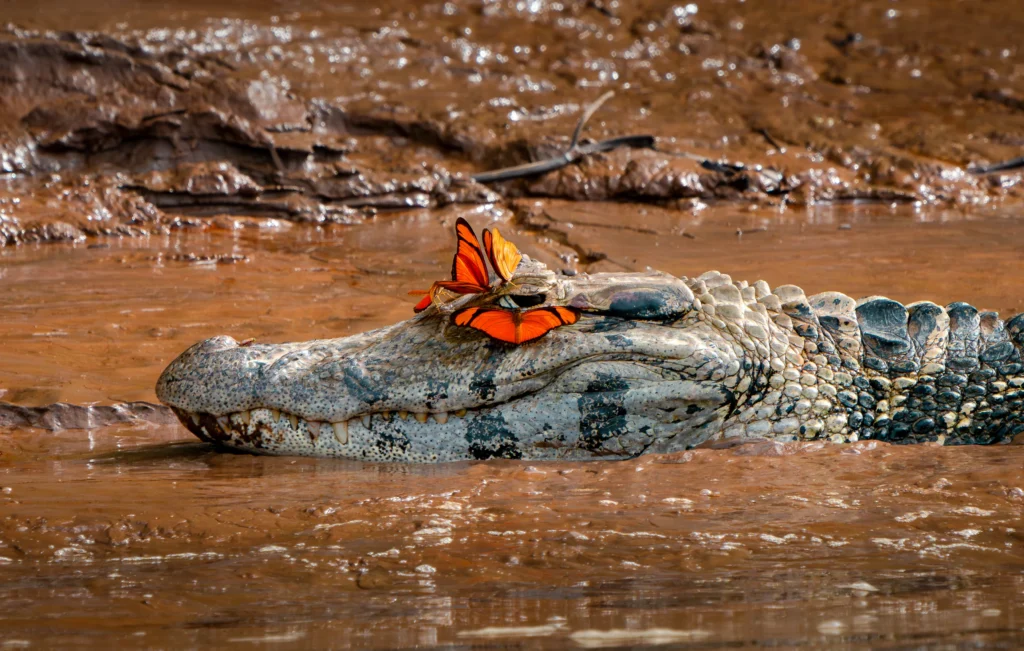
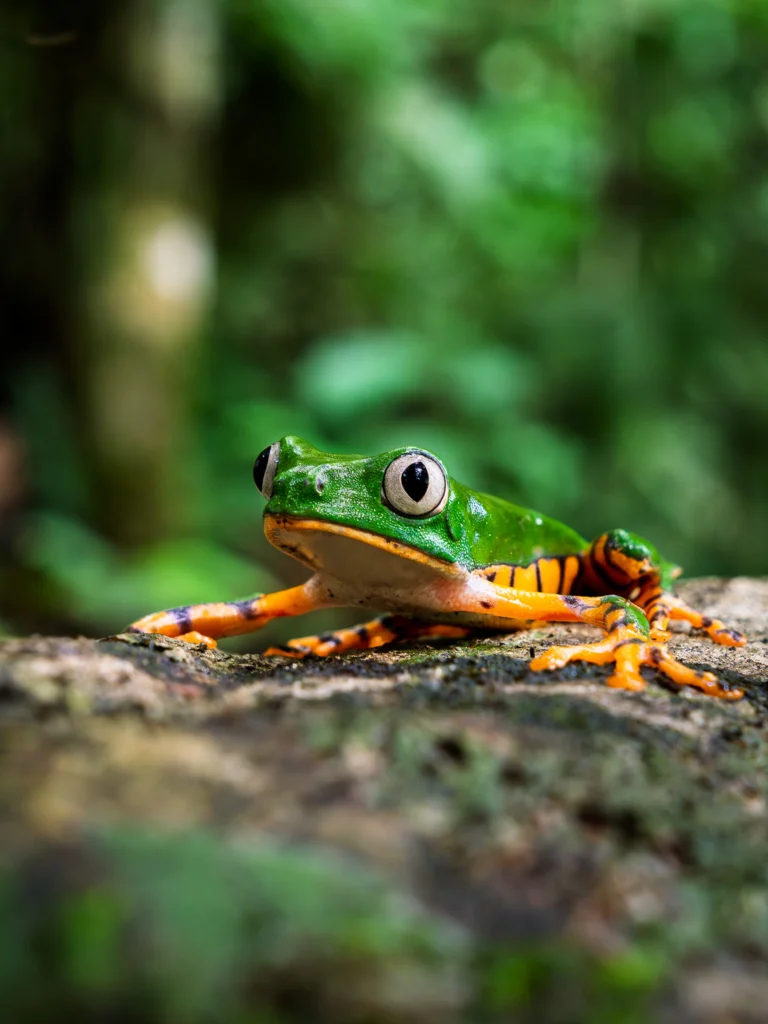
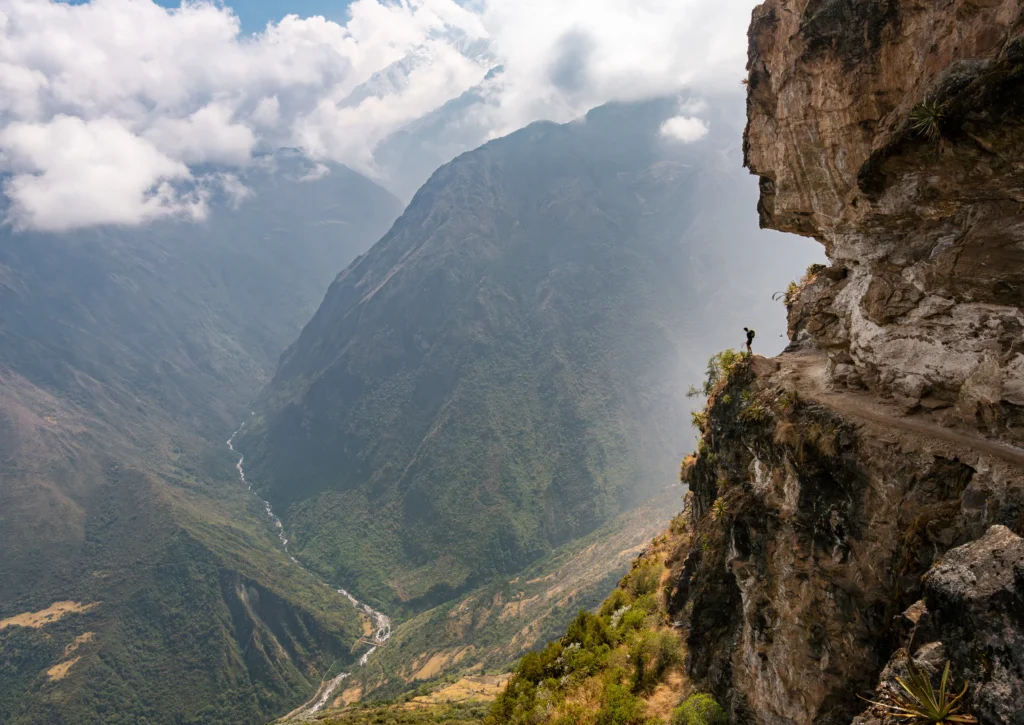
It’s difficult to choose favorite places in Peru because what amazes me most about the country is its extraordinary diversity. I live in Cusco, a region where, within a few hours, you can travel from the Amazon rainforest to the high Andes. Here alone, ecosystems range from around 500 meters above sea level in the Manu region to more than 6,300 meters in the highest peaks of the Andes.
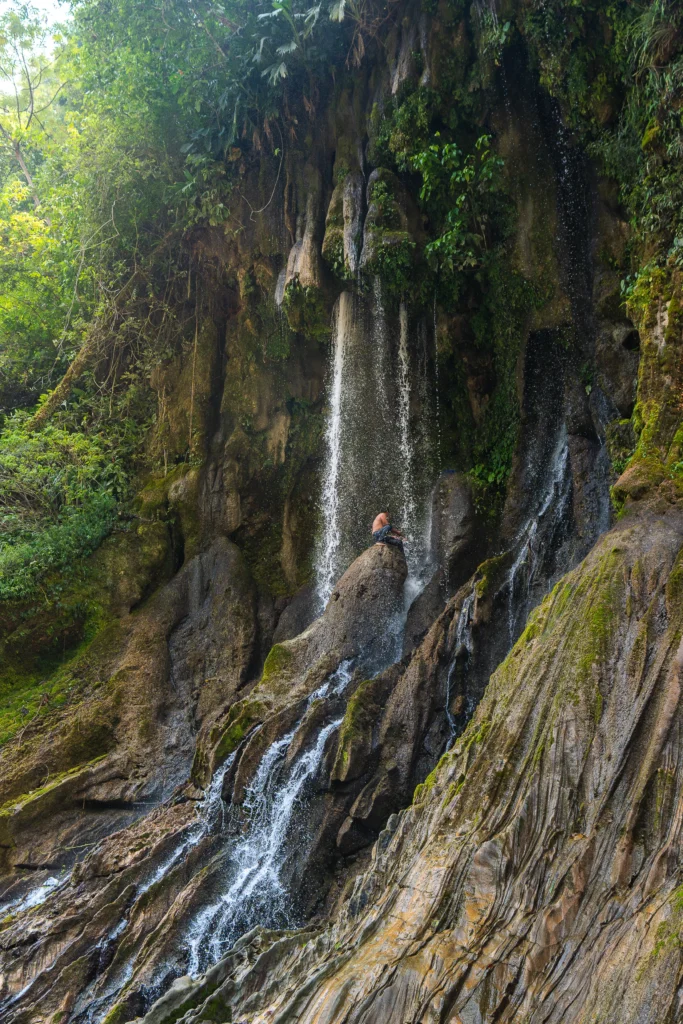
As a photographer, that is a gift. On a single trek, you can wake up beside the turquoise waters of Humantay, cross a glacier-lined mountain pass, and finish the day descending into the cloud forests on the way to Chaullay. Few places in the world offer such dramatic transitions in landscapes, climates, and ways of life within such a short distance.
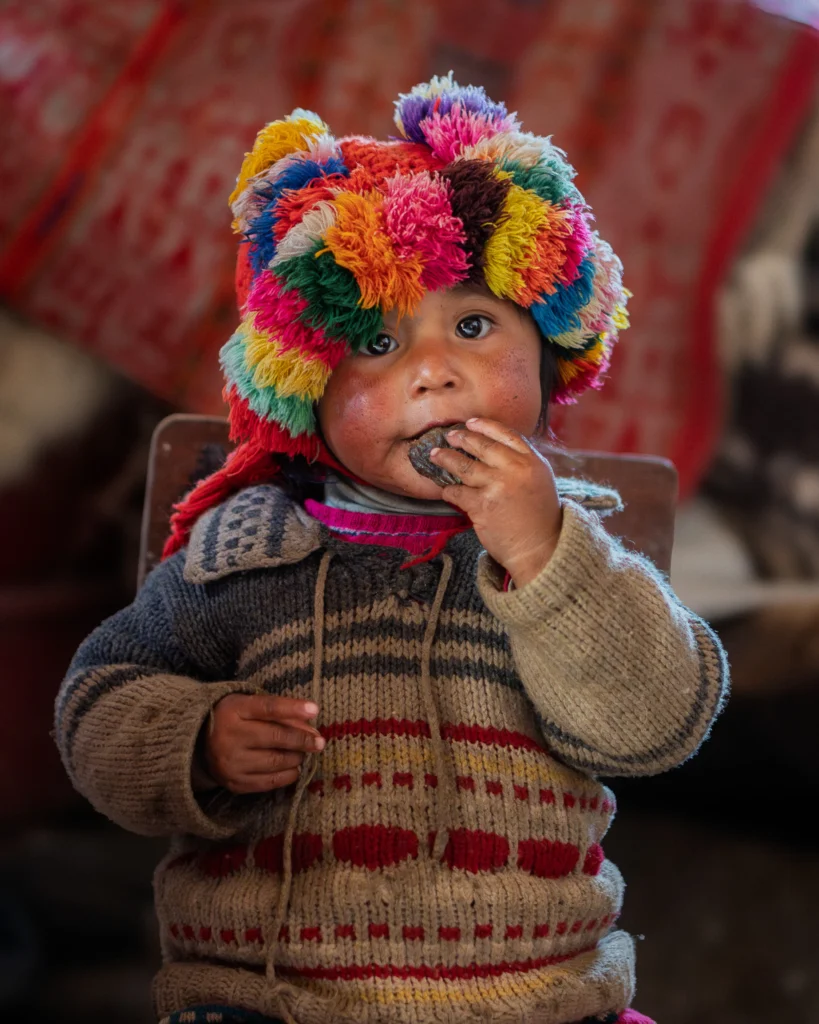
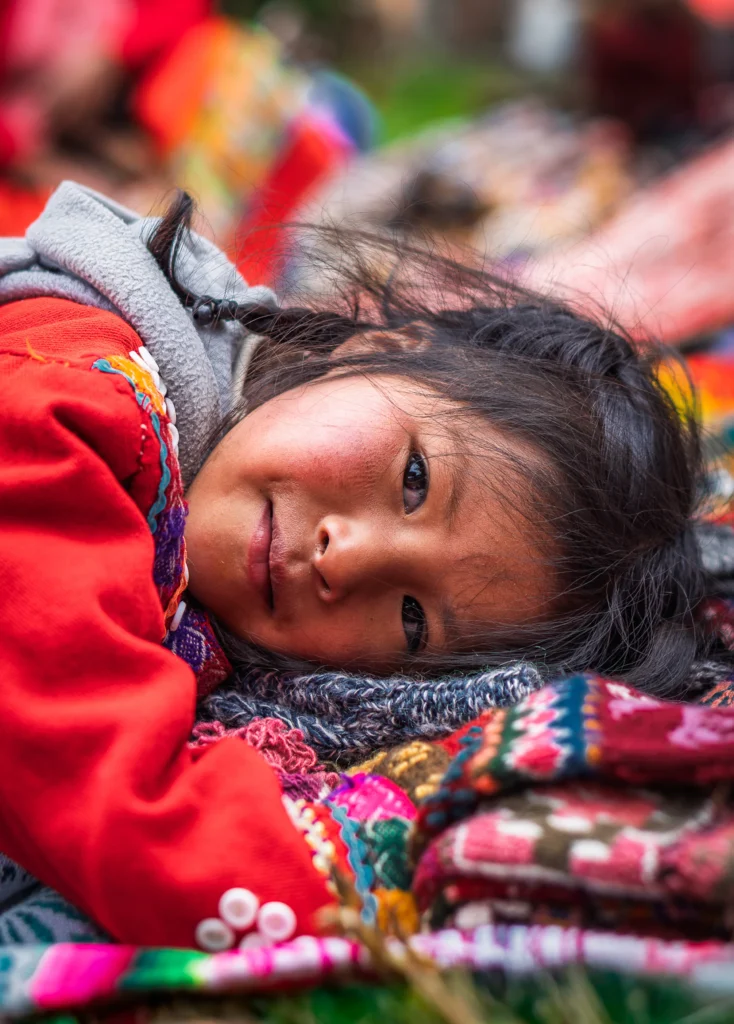
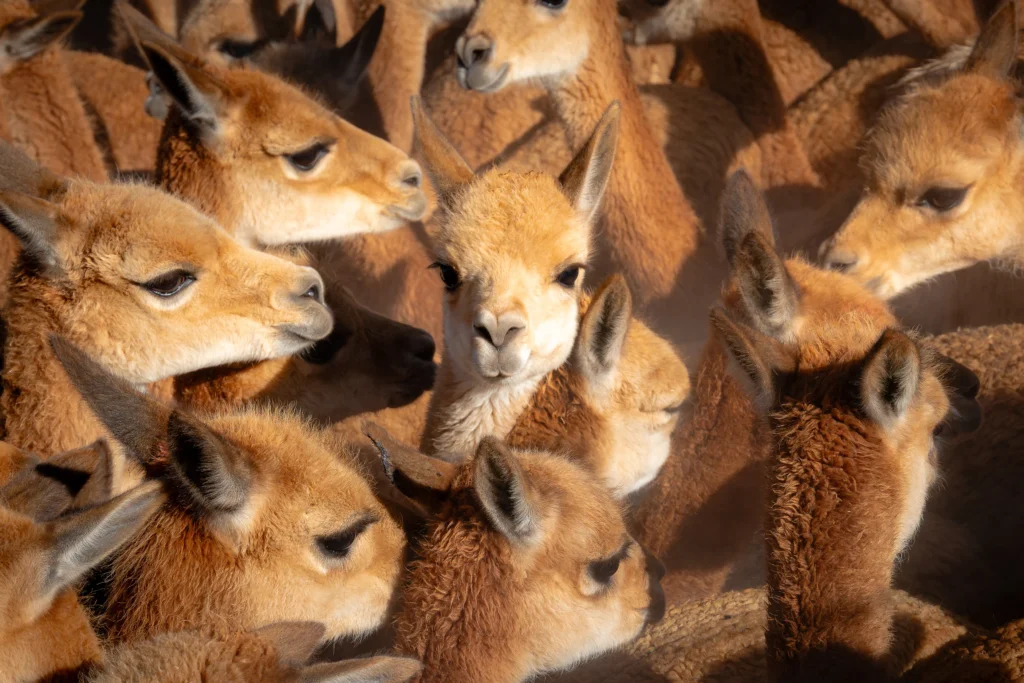
But beyond geography, what makes Peru truly special are the people who inhabit these landscapes. Every valley, community, and trail has its own identity. That human and natural richness continues to inspire me year after year.
When photographing remote communities, trust is essential. How do you build trust in a limited amount of time?
I believe trust begins long before photography.
When I arrive in a community or meet someone for the first time, I try to approach them through our shared humanity. A genuine smile, an honest conversation, and a respectful attitude usually open more doors than any camera ever could.
I rarely start by taking photographs. Instead, I prefer to observe, listen, and understand the people and places in front of me. Over time, I’ve learned that my best work happens when I stop being the center of attention and become simply another observer.
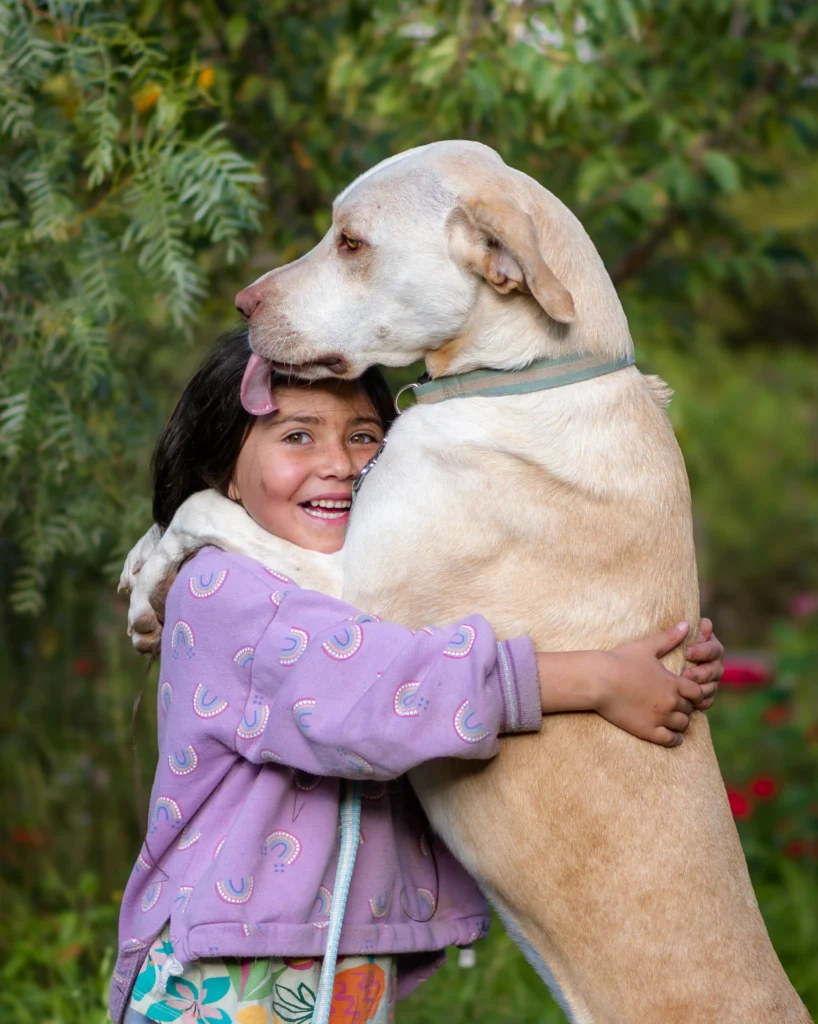
I try to approach people with empathy and respect. I’m not interested in imposing my perspective, but in accompanying what is already happening. When people feel comfortable, honest moments begin to emerge. Photography has the power to preserve those moments forever, and when it is built on trust, it can also become a way of honoring the people and stories before us.
What are some of the most meaningful images you have created? What makes them special?
My academic background is in Communications, and I believe that has deeply influenced the way I approach photography.
While I enjoy creating images of landscapes and nature, what interests me most is storytelling. I rarely think of a photograph as a standalone image. Instead, I’m drawn to building narratives through a series of photographs that together convey an experience, an emotion, or a way of seeing the world.
For that reason, the images that mean the most to me are usually part of larger stories. They may have been made during a multi-day trek through the Andes, in a rural community, or during an ordinary encounter between people. What matters is not only what appears within a single frame, but how that image interacts with others to create a narrative.
I’ve always felt closer to documentary photography than editorial photography. I’m interested in observing, accompanying, and recording authentic moments that allow viewers to connect with the people, places, and stories I’m documenting.
Why did you move from Lima to the Andes?
I was born and raised in Lima. For more than a decade, I worked in the Peruvian public sector, primarily on projects related to sustainable development, cities, and the environment.
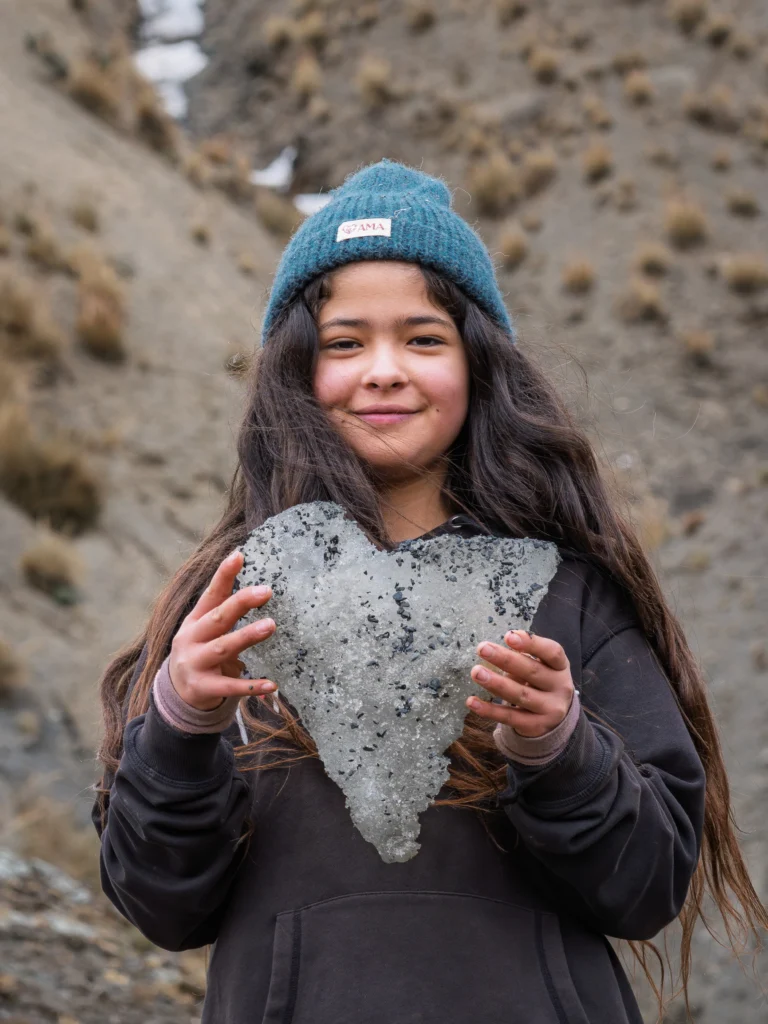
The pandemic changed many things for me. I arrived in the Sacred Valley with my partner Gina and my daughter Maga, expecting to stay only a couple of months. What began as a temporary escape soon became a profound change in direction.
Maga was five years old at the time. Today she is eleven and has spent more years living in Cusco than in Lima. In many ways, the three of us found our home here.
Looking back, I feel I was one of many people who reinvented their lives during the pandemic. I never imagined that what was meant to be a short stay would completely transform the way I live.
What does the Sacred Valley mean to you?
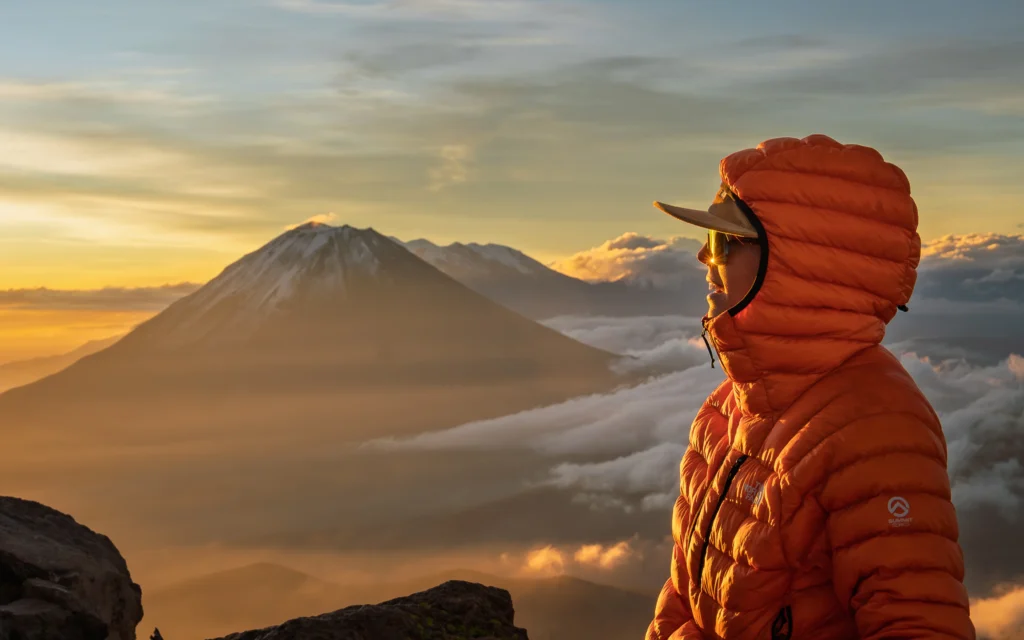
The Sacred Valley is home.
Ironically, although I spent many years working on environmental and sustainability issues, I had never felt so connected to my land, my people, my Peruvian identity, and my own humanity as I have since living here.
When I think about the Sacred Valley, I don’t think only of extraordinary landscapes. I think of belonging, community, and gratitude. It is the place where I rebuilt my life and from which I now observe and photograph Peru.
What is an under-the-radar destination you would recommend including in a trip to Peru?
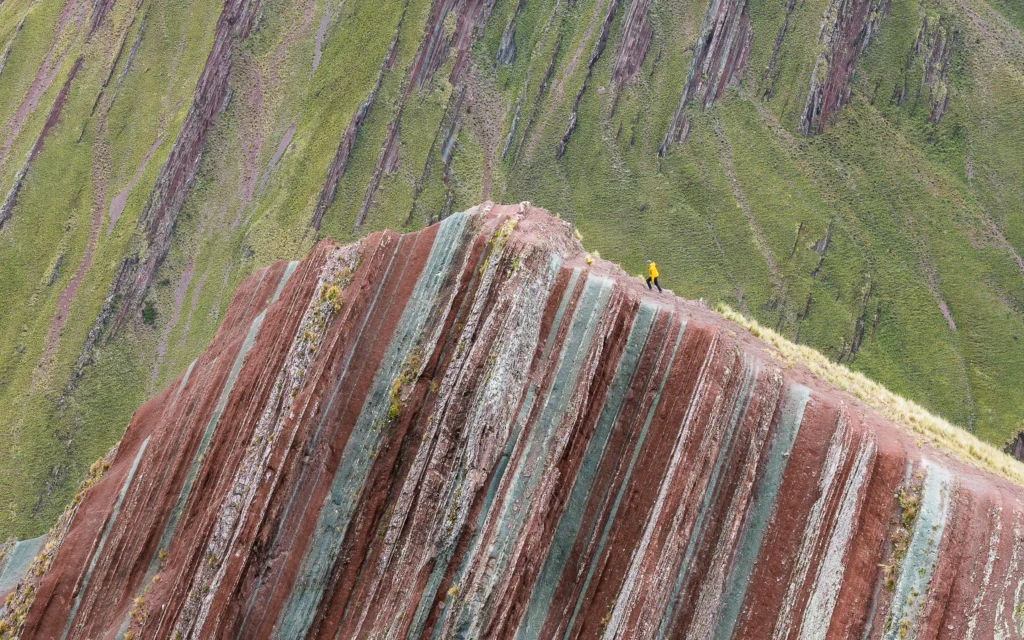
Peru is an inexhaustible destination. After years of exploring it, I still feel I have only seen a small part of what it has to offer. Its natural, cultural, and historical richness means there is always another path waiting to be discovered.
Last year, two friends and I completed a five-day trek around Ausangate with our children, who were between ten and thirteen years old at the time. We crossed mountain passes above 5,000 meters and camped in temperatures that dropped to -7°C (19°F). This year, we plan to hike to Choquequirao. Beyond the physical challenge, these journeys allow us to experience Peru in a deeper way and share with our children the value of nature, history, and adventure.
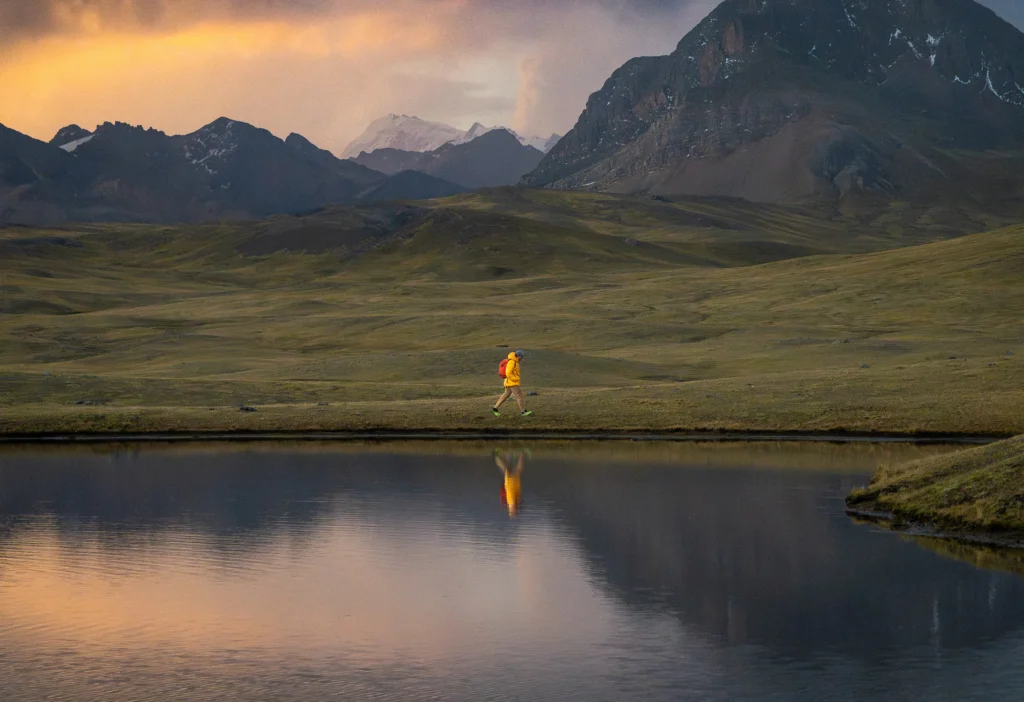
As a communicator, I’m especially interested in documenting these stories and sharing them with others. Peru still has so much to reveal to the world. Machu Picchu is extraordinary, but it represents only a small part of the country’s richness.
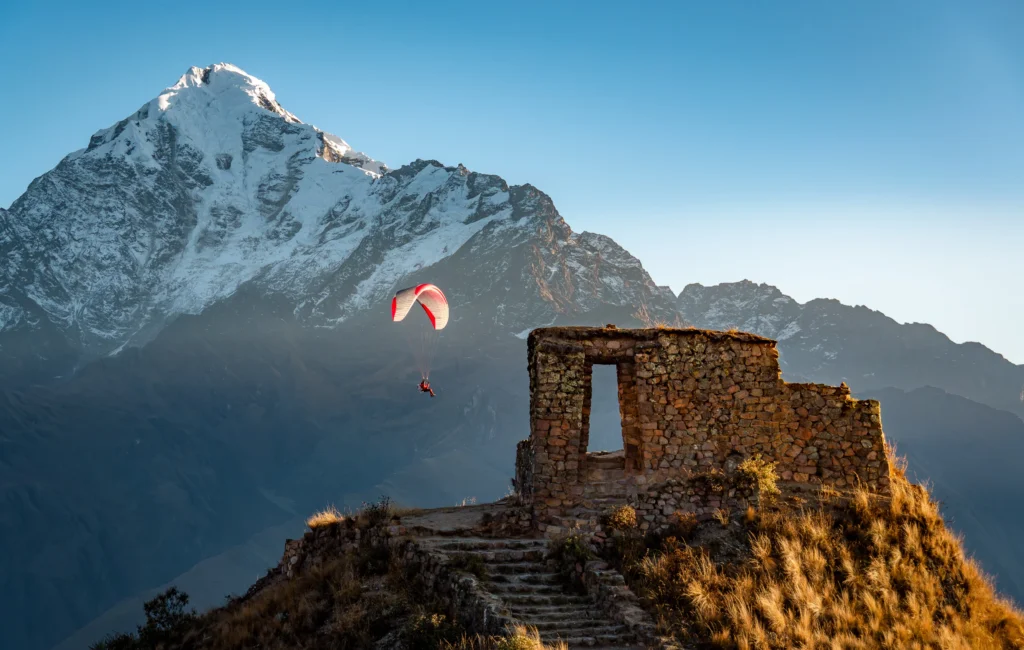
That is why I’m fascinated by the Qhapaq Ñan, the vast Andean road system that once connected territories, cultures, and ecosystems across South America. Stretching more than 30,000 kilometers through six countries, it stands as one of the most remarkable cultural and engineering achievements in our region. One of my dreams is to travel and document these roads, capturing the living history of South America through its landscapes, communities, and traditions.
If I had to recommend one thing, it would not simply be a destination, but a way of traveling: with time, curiosity, and a willingness to discover a Peru far broader, deeper, and more diverse than what appears on most postcards.
What advice would you give travelers who enjoy photography?
I would encourage them to step beyond the conventional photography circuit.
Unlike many heavily photographed destinations, Peru still retains an extraordinary ability to surprise. Many of its stories, landscapes, and traditions remain outside the best-known routes.
More than any specific camera or lens, I would recommend traveling with curiosity and openness. Many of my favorite photographs were never planned. They emerged from unexpected moments that appeared when I was fully present and willing to be surprised.
For me, photography is less about pursuing an image and more about creating an encounter. The most memorable photographs often appear when we allow a journey to transform us a little as well.