
Patagonia. The word itself carries a mythic weight. Speaking the name evokes reverence and remembrance. I retrace vivid encounters with pumas, condors, guides, and gauchos. I am transported—lost in the range and scale of terrestrial majesty.
How can one be homesick for a place that is not home? Why does Patagonia tug so resolutely at thought and feeling?
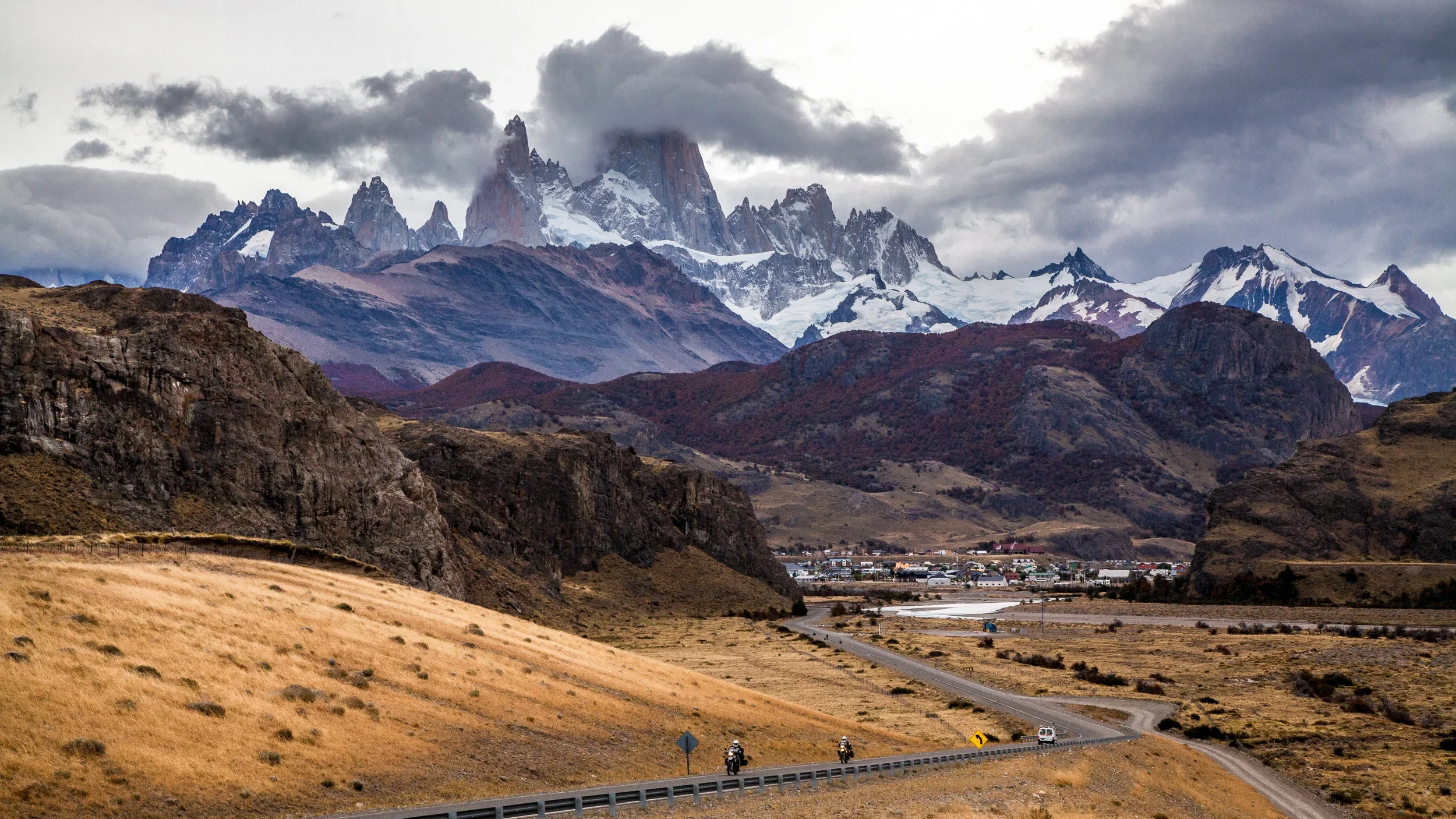
On Patagonian pilgrimages, I am outside of time, lost in reverie and wonder. Journeys are punctuated by compulsive astonishment stops and unplanned rambles. Awe awakens, maturing into reliable reflex.
At this far edge of the world, creation crescendos in roaring rivers and majestic heights. Her interludes are endless steppe, dazzling sunsets, and starry heavens.
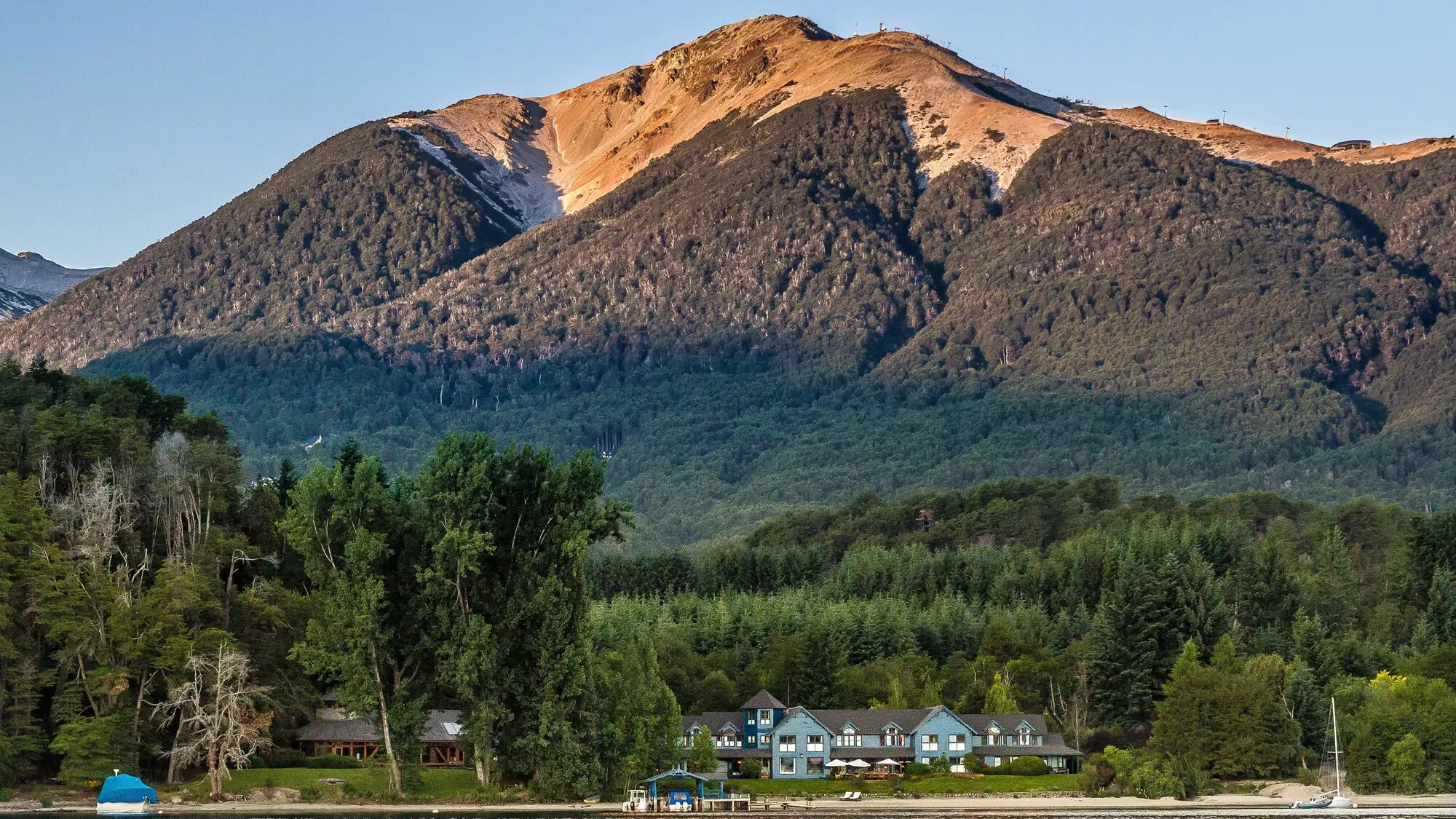
In the north, primeval forests mantle the shoulders of capricious volcanoes. In the south, granite giants crumble into brittle spires. Along the Andean spine, mighty rivers of ice resolve into cerulean stillness.
Planning a journey here requires respect for what Patagonia is: remote, logistically complex, and extravagant in its gifts to the prepared.
First: What Is Patagonia?
Patagonia is not a country, a province, or a single park. It is a vast territory—roughly the southern third of South America—spanning both Argentina and Chile. It encompasses the Lake District of both countries in the north; rainforests, volcanoes, national parks, fjords, and valleys in southern Chile; Los Glaciares National Park, El Chalten, the Valdes Peninsula, and endless steppe in Argentina; and the raw, wild islands of Tierra del Fuego and Cape Horn at the very tip of the continent.
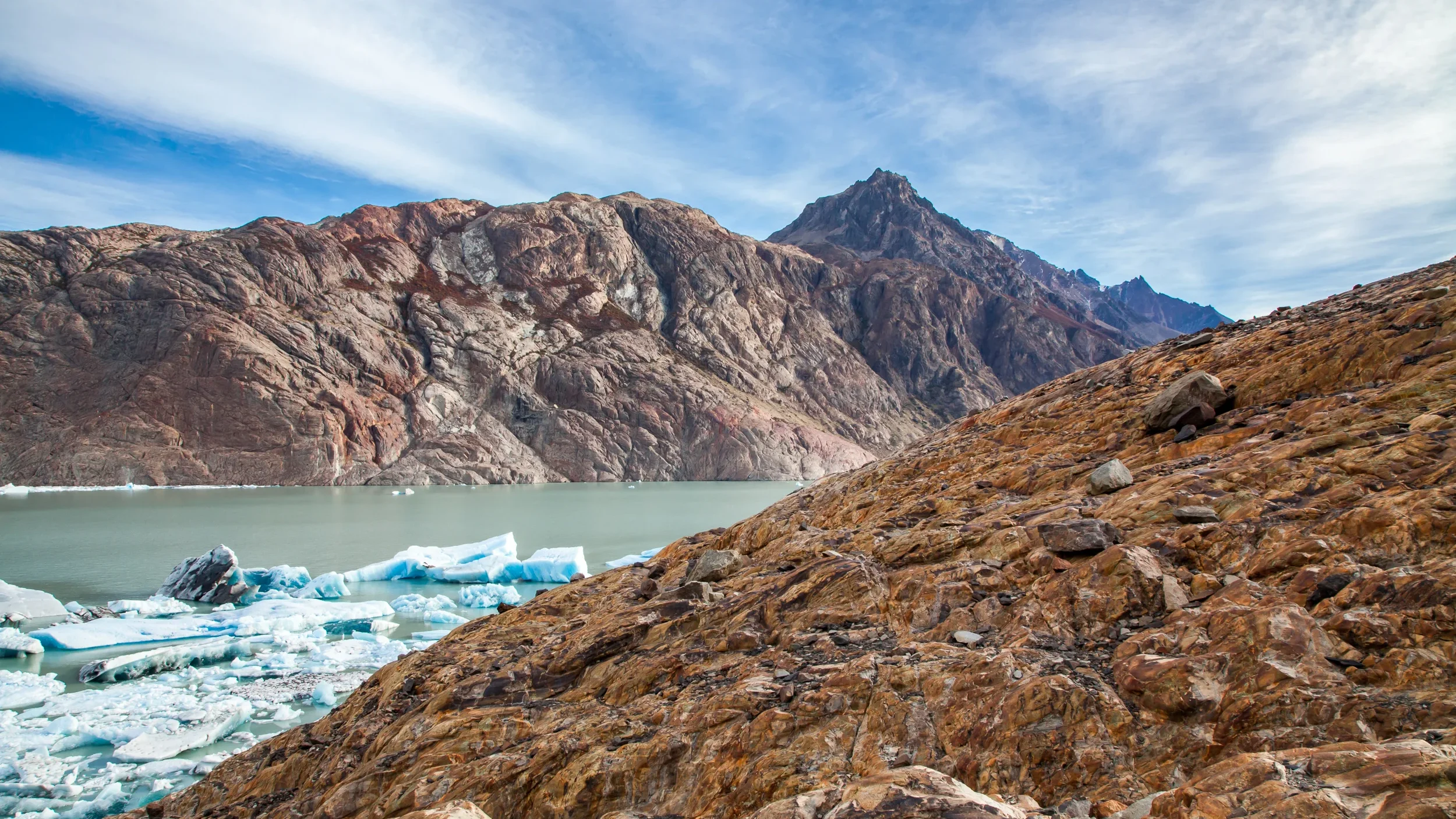
Each region is distinct. The Lake District is forested, volcanic, European in its hospitality. Torres del Paine is the iconic Patagonia of the postcards and screen savers. Los Glaciares is rivers of ice flowing imperceptibly, then thunderously, to grey and blue lakes. El Chalten invites hikers, climbers, kayakers, bikers to share in natural beauty that requires effort to enjoy.
A well-designed Patagonia journey threads through two or three of these regions in sequence. LANDED will help you choose the combination that fits your time, your interests, and what you most need from a trip.
“In Patagonia, you can experience nature’s raw power and wild beauty on an unmatched scale. Its majesty awakes your sense of awe. It has the power to inspire transformation. When we visit Patagonia, we return home renewed and rewarded.” – John Montgomery, Co-Founder of LANDED
When to Go: The Patagonian Calendar
The principal travel season runs October through April—the Austral spring and summer. Within that window, each month has a personality.
October and November bring wild spring flowers—lupines, calafate, wild roses in bloom—and thinner crowds. The light arrives early and stays late. Weather is changeable, but the changeability is part of the majesty: a storm sweeping across the steppe followed by an endless sky. Pumas with cubs are sometimes spotted near the lodges and estancias of Torres del Paine.
December through February is high season—the longest days, the most reliable weather, and the highest lodge rates. The iconic trails are busy. Book early.
March and April offer the gift of autumn: the lenga beech forests ignite orange and red, the crowds thin, and the late afternoon light is a photogenic dream. The wind, ever-present, eases.
PRICING NOTE
HIGH SEASON (DECEMBER-FEBRUARY) LODGE RATES AT TOP PROPERTIES: $1,100 TO $1,500+ PER PERSON PER NIGHT, TYPICALLY FULL-BOARD. MID-RANGE LODGES USUALLY RUN $800 TO $1,200 PER PERSON PER NIGHT. THAT PRICING INCLUDES ACCOMMODATION, MEALS, SOME BEVERAGES, AND DAILY GUIDED TOURING. PATAGONIA JOURNEYS SPAN 5 TO 10 NIGHTS. TOTAL LODGE COSTS FOR A 10-DAY HIGH-END OR LUXURY PATAGONIA JOURNEY OFTEN FALL BETWEEN $8,000 AND $15,000+ PER PERSON. SHOULDER SEASON (OCTOBER-NOVEMBER, MARCH-APRIL): 15 TO 30 PERCENT LOWER THAN PEAK, OFTEN WITH BETTER AVAILABILITY.
FAQ: Key Planning Decisions
Most Patagonia first-timers anchor in one country. For spectacular concentrated scenery and luxury lodging, Chilean Patagonia—specifically Torres del Paine—is the classic choice. Argentine Patagonia offers the Perito Moreno Glacier and the more intimate Estancia Cristina, as well as the village character of El Chalten and the end-of-the-world drama of Ushuaia. A twelve- to fourteen-day journey can encompass both sides of the Andes.
The most memorable Patagonia itineraries move—two to three nights at a lodge or luxury hotel with access to the coast or a national park, followed by a move to one or two other national park areas or biomes. Mixing fine hotels, intimate lodges, and working estancias creates a journey with range and texture.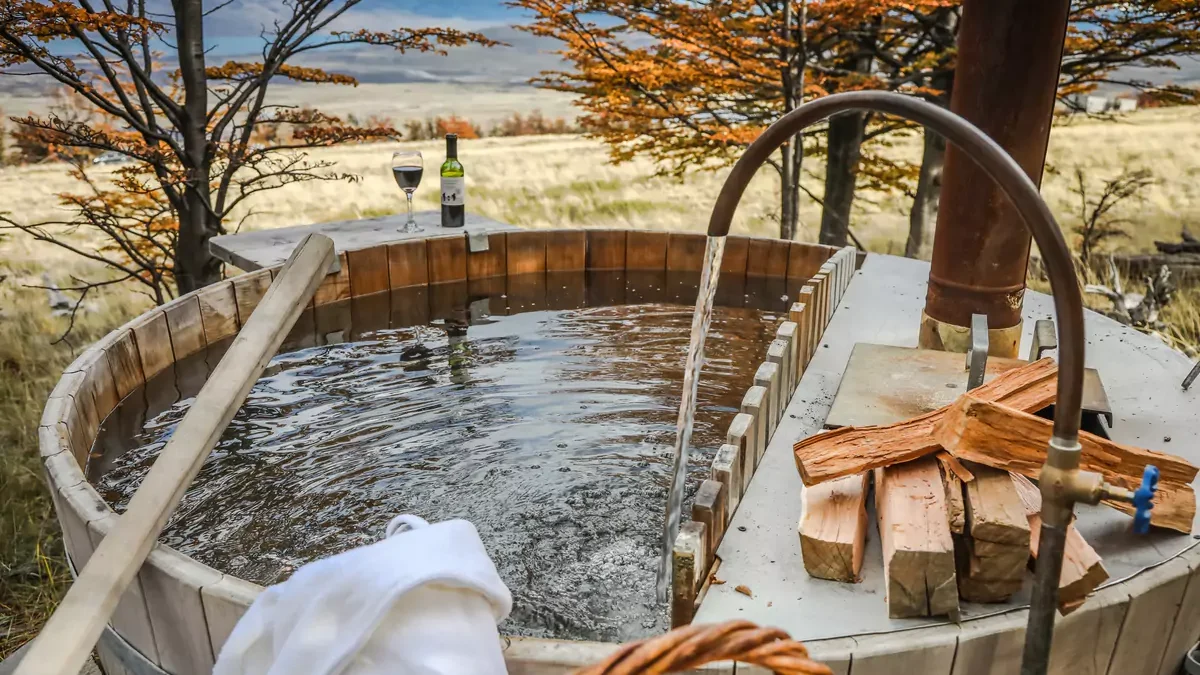
A meaningful Patagonia journey requires at least seven nights on the ground. Ten to twelve nights allows for two or three lodge stays, a mix of Chilean and Argentine highlights, and the pacing that makes a place settle into your heart rather than blur in your memory.
Multi-week journeys can incorporate the Lake District in the north, an Antarctic cruise at the southern end, or a wine circuit in Mendoza as a smooth counterweight to the wilderness of Patagonia.
Patagonia’s lodge landscape is extraordinary and specific. The right lodge is not necessarily the most famous one, or the own your colleague recommended. It is the one that best fits the way your family or group moves through a place. LANDED’s recommendations come from staying in these properties ourselves, in every season. Chances are, we know many of the lodge owners and managers. We have first-hand insight into each of the options.
“The very names evoke so much, and are their own justification for this journey, for one must hurry if one is still to glimpse the earth’s last wild terrains. The greatest of these, the oceans and Antarctica excepted, lie not in Africa but within the mysterious continent of South America.”—Peter Matthiessen
Packing for the logistical variability of Patagonia is part of the art. LANDED provides destination-specific packing guidance and a contingency planning built on two decades of experience with Patagonia’s weather and transport systems.
Most North American travelers fly to Santiago or Buenos Aires, then connect south on a domestic flight. Flight are operated by LATAM, Sky, and Aerolíneas Argentinas, with limited schedules and some vulnerability to weather cancellations—particularly in the far south. These are usually commercial jets such as are used in North America, such as Boeing 737s and Airbus A320s.
PRICING NOTE
LUXURY FULL-BOARD PATAGONIA LODGES TYPICALLY RANGE FROM $1,639.44 PER PERSON PER NIGHT BASED ON DOUBLE OCCUPANCY.
“Exactly the bonding and sharing experience we’d hoped for. The rhythm, variety, and tone was spot on. With effective listening skills, you built a good picture of what we wanted–more complicated than ‘just’ luxury. The result was a great trip through Argentine Patagonia, one made just for us.” – Gesine Holschuh, LANDED Traveler