Podcast: Play in new window | Download
Subscribe: Apple Podcasts | Spotify | TuneIn
LANDED Podcast 009
IBITIPOCA: Rewilding the land through tourism, with Renato Machado and Nadja Hoffman
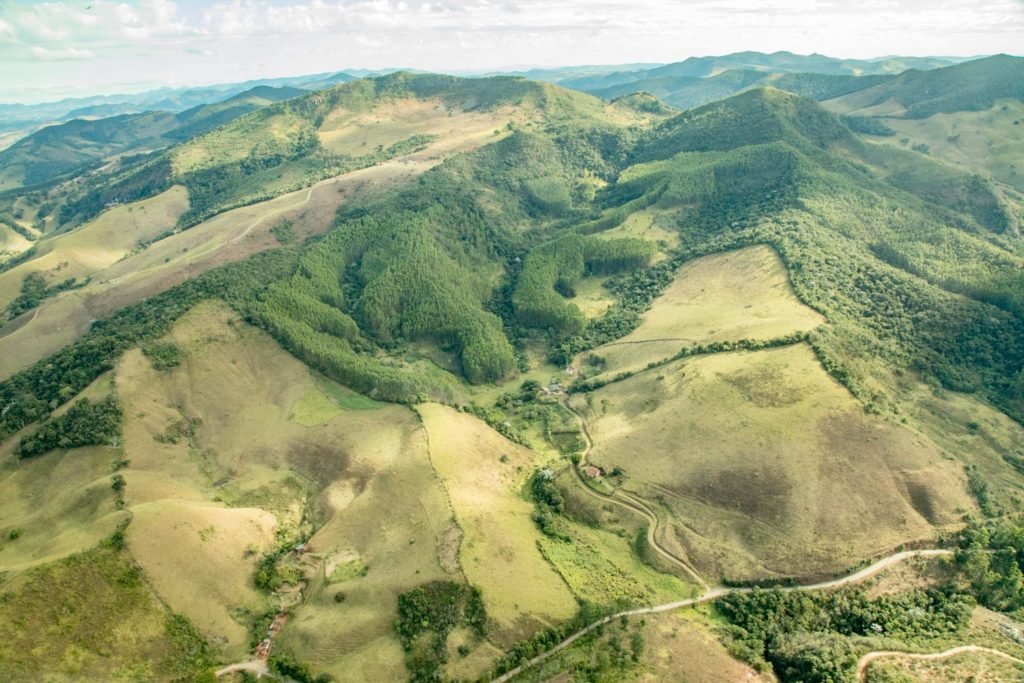
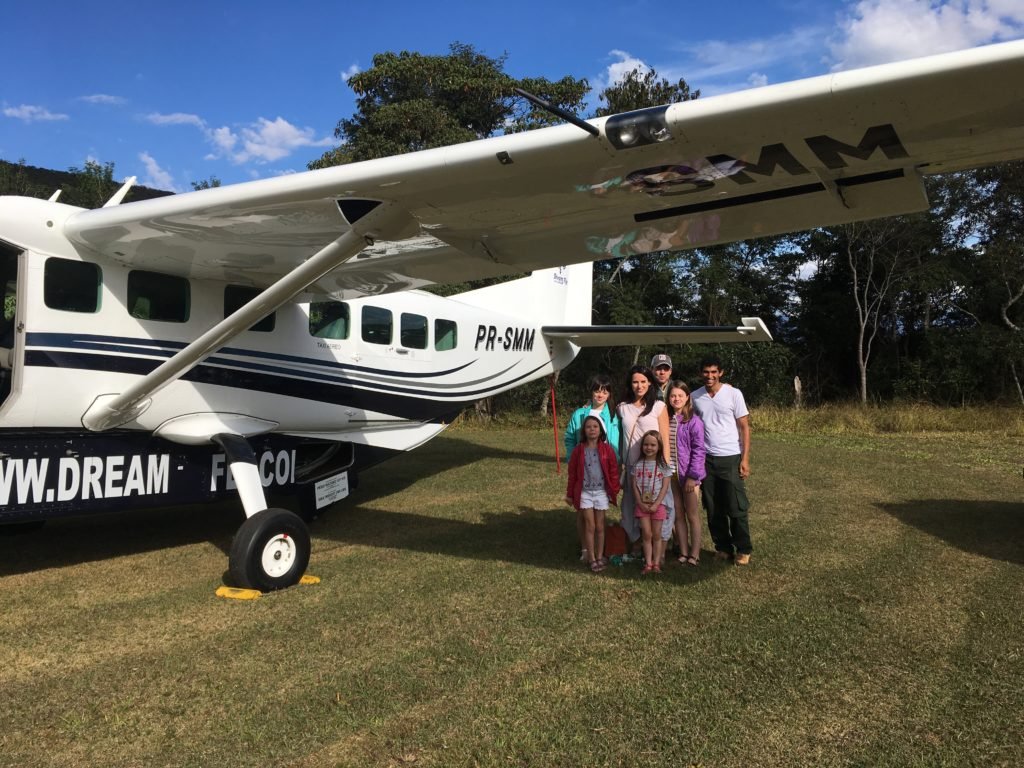
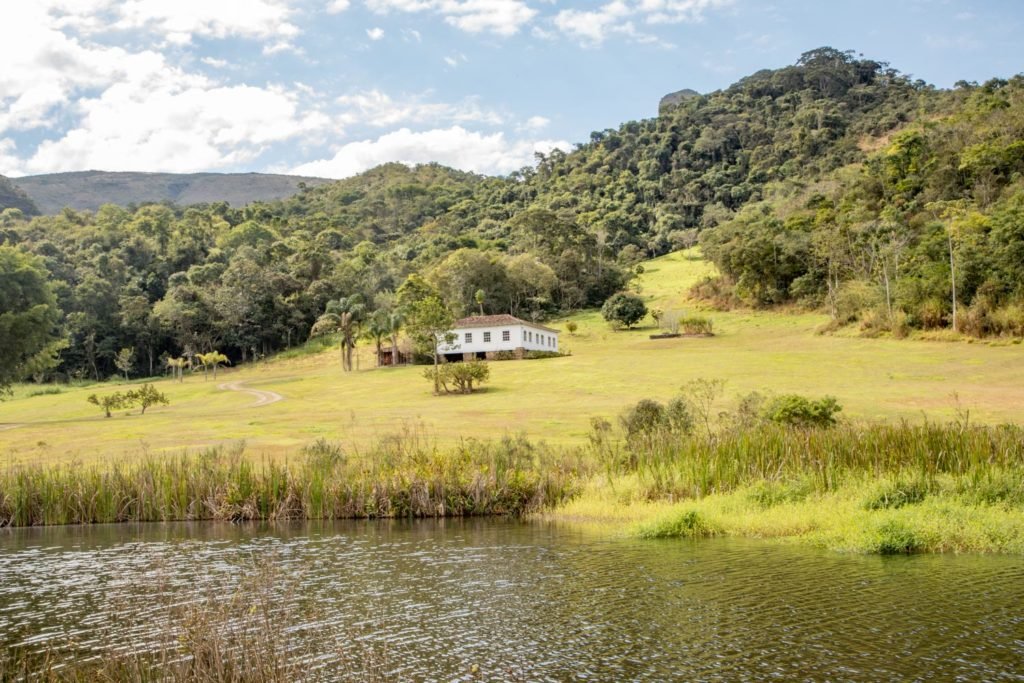
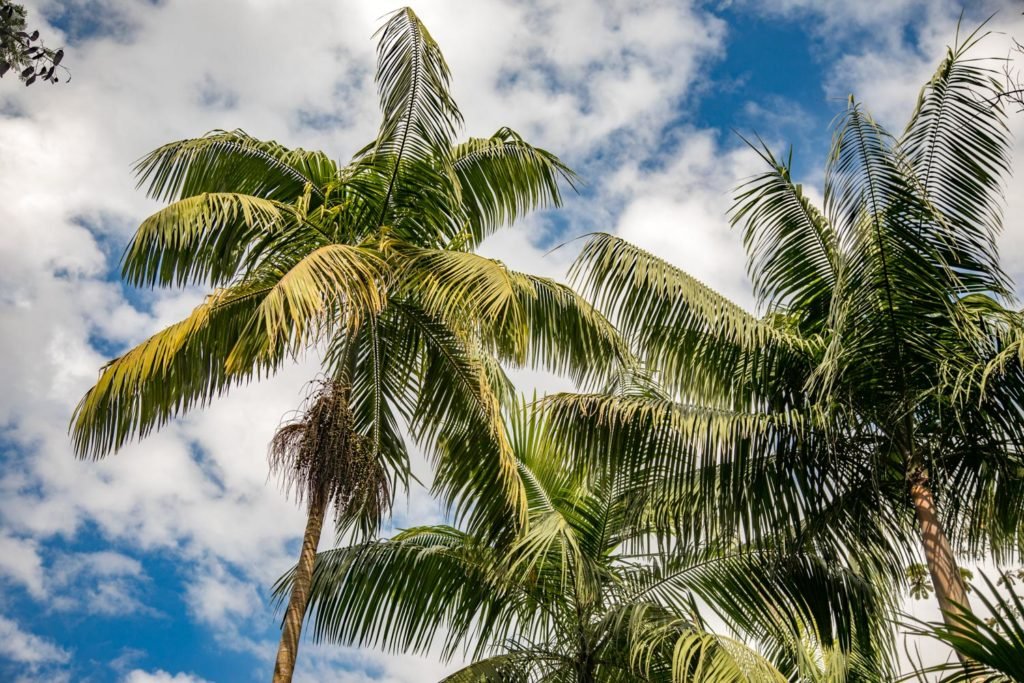
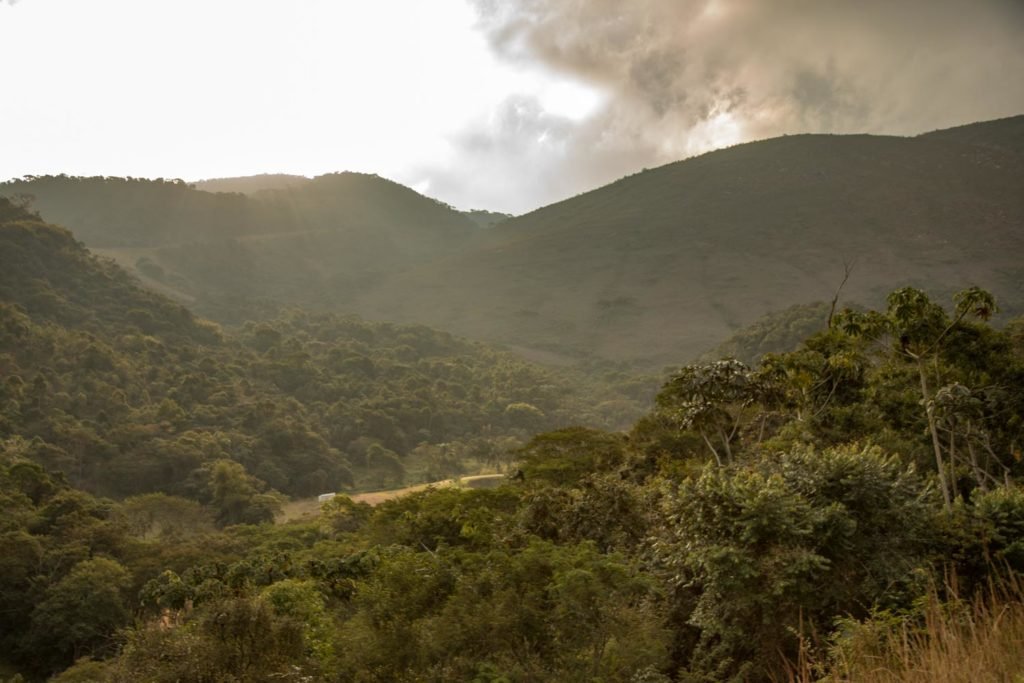
Reserva do Ibitipoca is located in the interior state of Minas Gerais, Brazil—about an hour by private charter flight from Sao Paulo or Rio de Janeiro. The project is dedicated to the reforestation and rewilding of 9,800 privately-owned acres of temperate grassland, granite mountains, and rare Mata Atlantica rainforest. If you’ve seen Wim Wender’s Salt of the Earth, you’ll have a leg up on understanding the spirit of the project.
The work began in 1984 with the purchase of one degraded cattle ranch. Through decades of replanting and species reintroduction in cooperation with nature and the families who depend on this land, Ibitipoca’s stewardship now extends through three municipal areas, bordering and buffering Ibitipoca State Park.
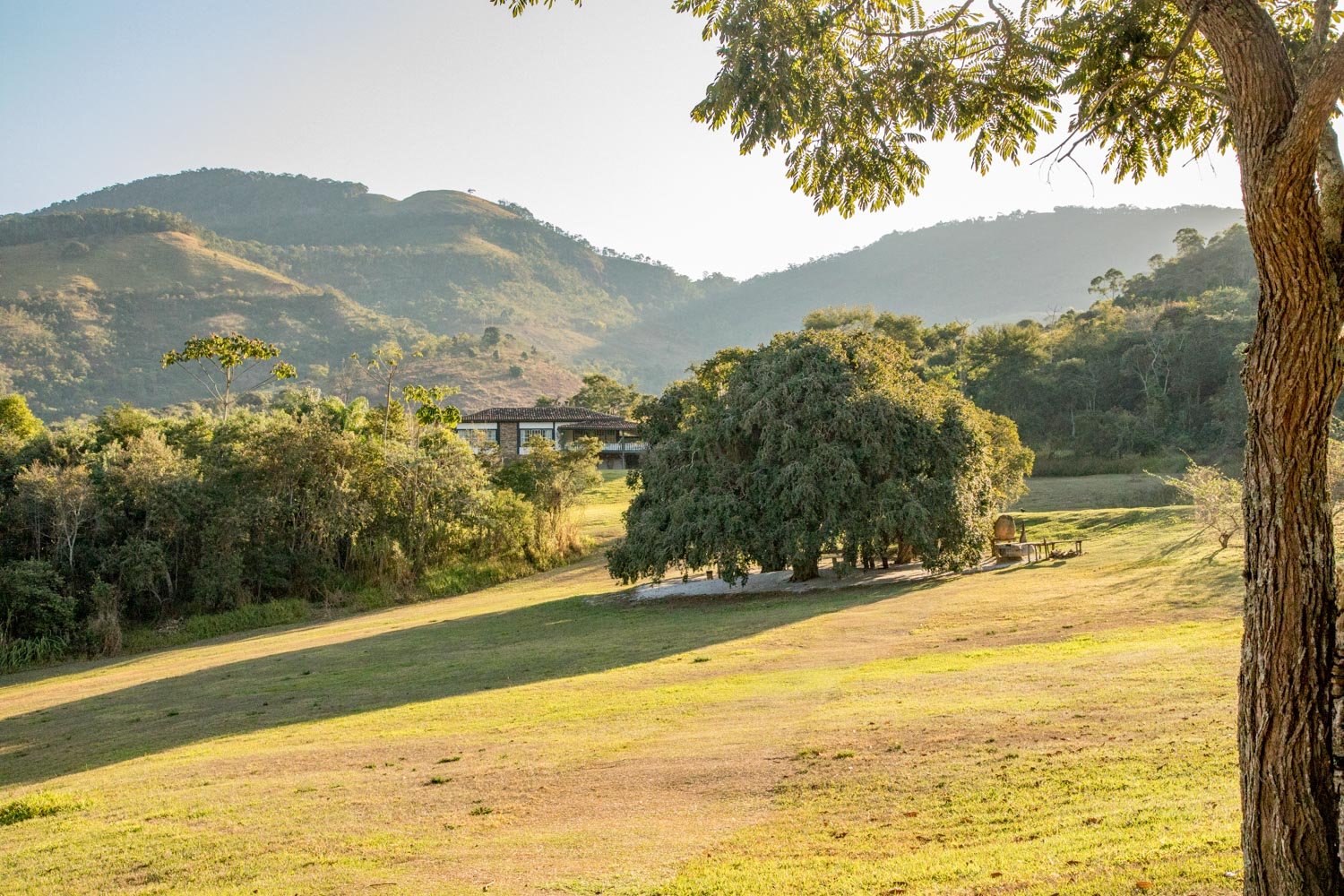
But Ibitipoca is restoring more than wilderness. It mission is guided by the welfare of the planet and its people—with a focus on relationship building between humans and nature. In the words of its founders, “We aim to create a fertile environment for happiness to flourish, and we believe that this must be done holistically, involving the fauna, flora and local communities.” Ibitipoca is part social experiment, part environmental restoration project, appropriately seasoned with simple comforts and genuine pleasures.
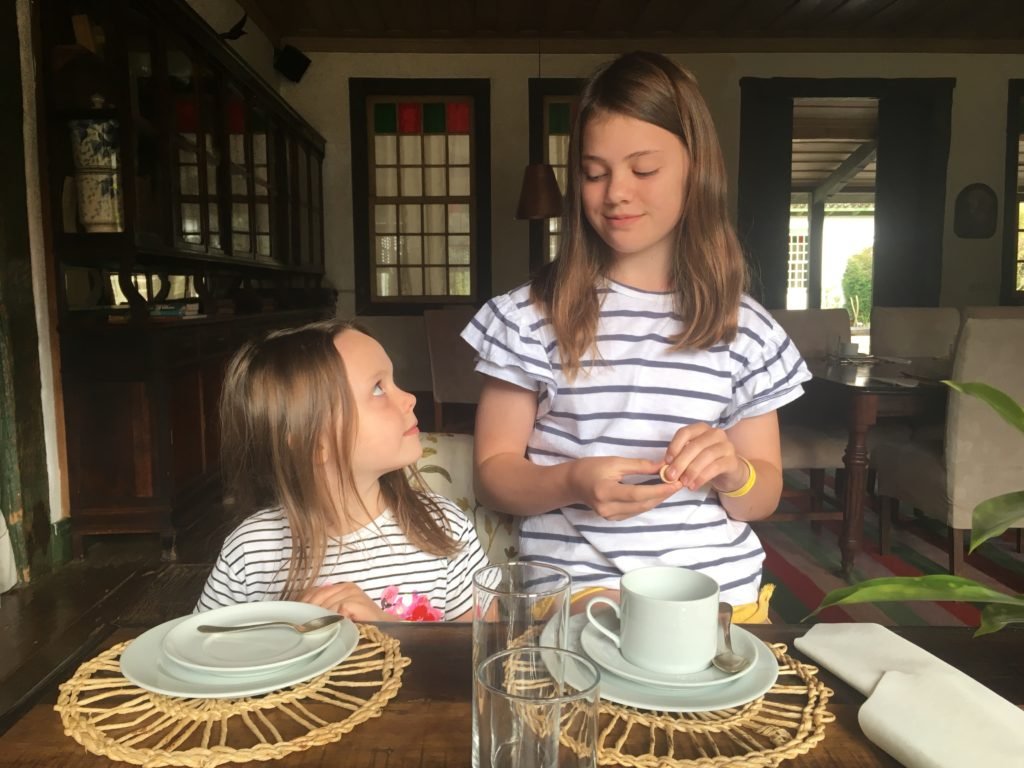
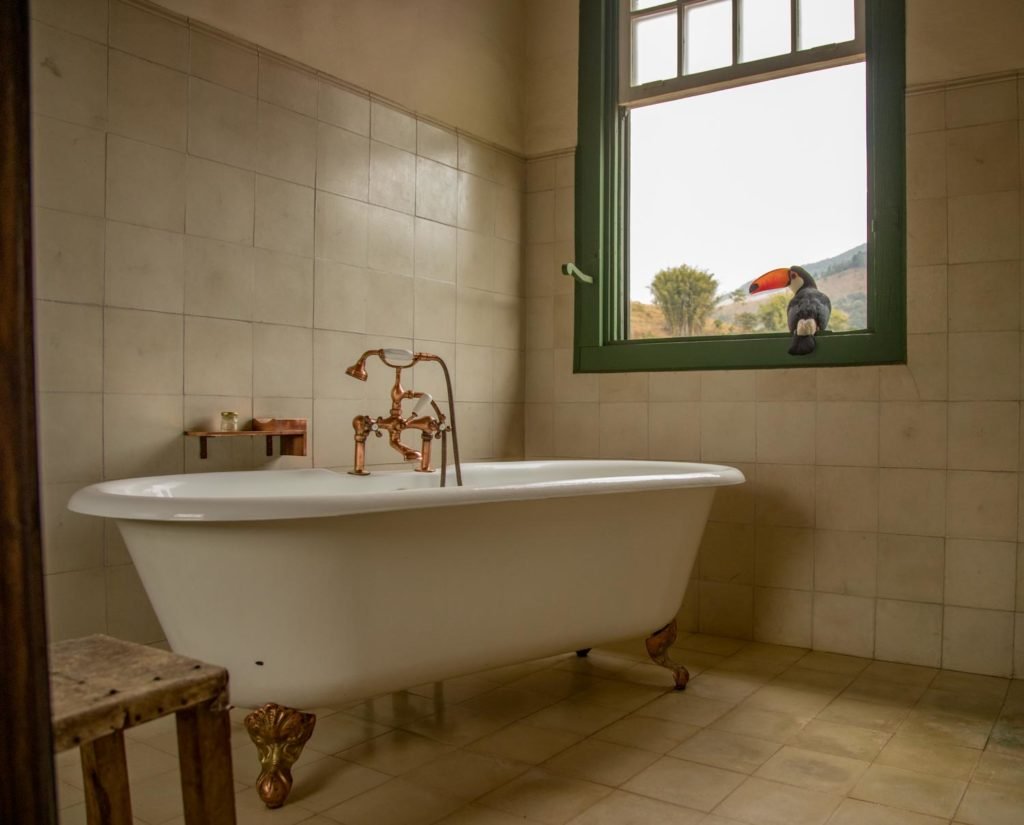
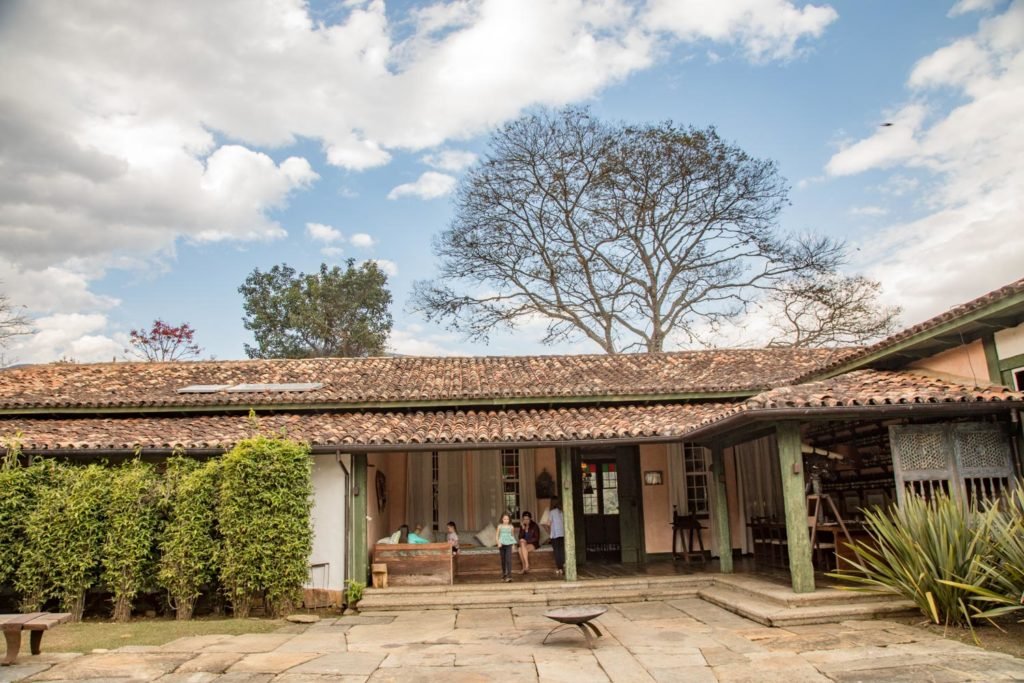
Ibitipoca’s centerpiece is Fazenda do Engenho, one of Brazil’s finest small hotels. Dating from 1715, the traditional farmhouse was rebuilt from 2006. Its charms include 8 sumptuous guest rooms, honest meals, spa services, a yoga house, gardens, and a free-flying toucan who comes and goes as he pleases.
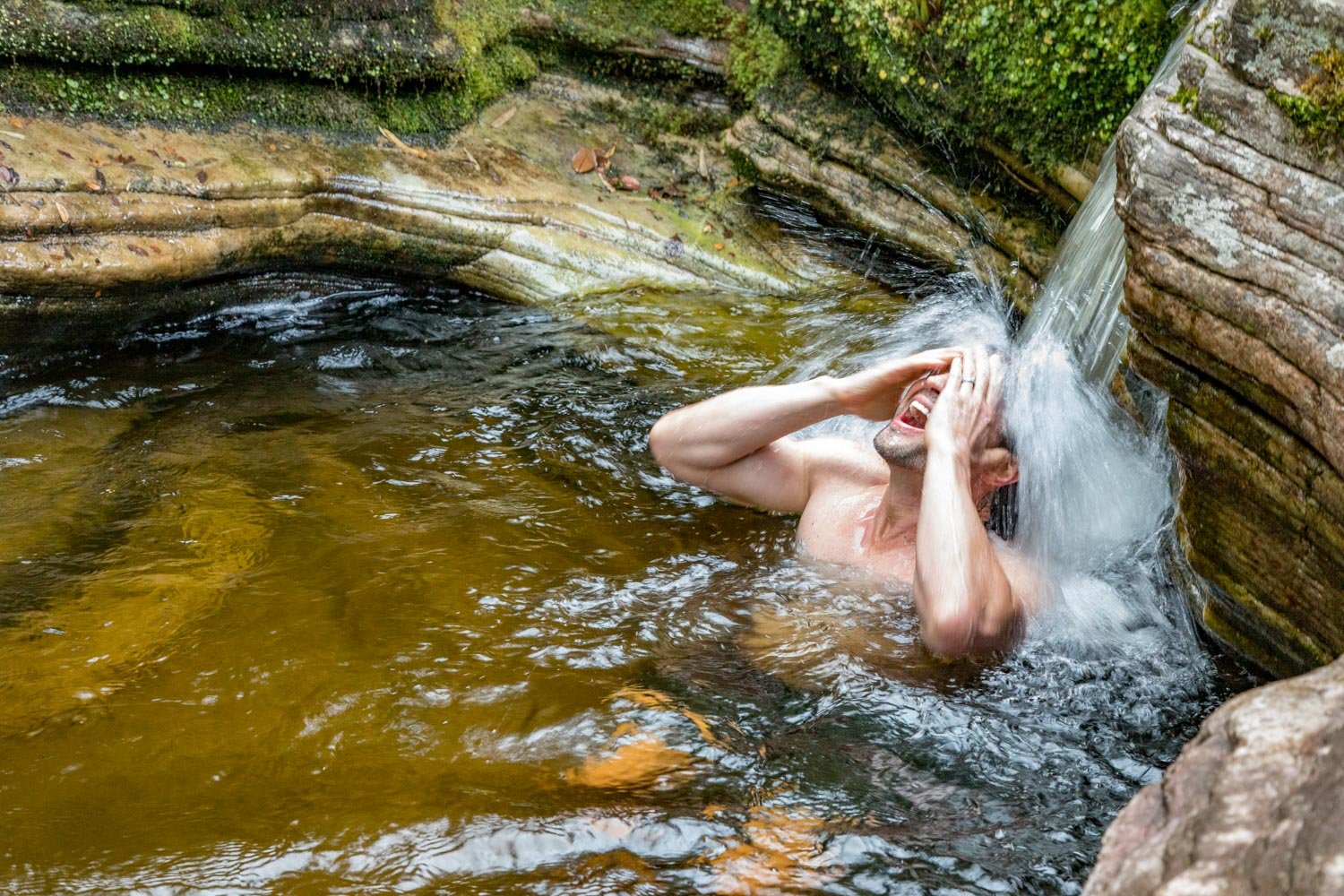
After days of rest, riding, paddle boarding, waterfall showers, and exploring, I sat down with Ibitipoca’s ringleader, Renato Machado and General Manager Nadja Hoffman to try and process what makes this place so worthwhile.





Rather read than listen?
Find the transcript below
Renato Machado: Well, it started 35 years ago when a cousin bought some land here and invited me to be his partner. We first bought the land just to rewild. We like nature very much, and we started simply taking the cows out of the property and letting the forest come back. And then we bought more and more land, and now we have bought more than 200 small properties, and we are transforming it into a private reserve.
I think I heard you have more than something like 4,000 hectares now.
Renato Machado: Yeah. It seems like a lot of land, but it’s nothing for biodiversity. So we still have to improve it. And then we didn’t think about a hotel or a lodge here. It was simply an environmental project. But then we found out that we had to care for social aspects too. And then we decided to build a small lodge to generate jobs for local people and to share this place with more people.
So you said rewilding. Rewilding is a popular concept in the US, right? Where you’re taking areas that have been formerly farmed and reintroducing native plants, native animals. What animals or plants have you been able to reintroduce here? I know there’s been a lot of reforestation work.
Renato Machado: Yeah. Well, we are planting trees that were first cut, like, for example, jacarandá that is almost extinct, and…
It’s a beautiful tall tree with flowers, if I’m not wrong.
Renato Machado: Yeah, yeah, yeah.
And slow-growing, gorgeous wood.
Renato Machado: Yeah.
Taken for its wood in the past, right?
Renato Machado: Yeah. I used to say that this project would be complete in about 500 years when those trees are grown up, but we just planted some jequitibá-rosa, and it can last 3,500 years. So…
Renato Machado: …it will take a little bit more time.
It’s like the bristlecone pines where I live. It’s a shame to think, you know, that those bristlecones in the western US were used for charcoal.
Renato Machado: Yeah.
Trees that can live 5,000 years and then stand another 2,000. What happened to the Mata Atlântica? All I know is that the forest that covered the Atlantic coast of Brazil was mainly cut down in search of exotic woods, especially pau-brasil, this redwood that was used as a dye in the Portuguese port and from which your country takes its name. What happened?
Renato Machado: Yeah, the same as our species did in the whole world. They cleared 95% of the Atlantic Forest. So we have only about 5% remaining, and that 5% is spread in small spots. So that’s the situation.
So you hope to make corridors, right, for mammals and other non-flying…
Renato Machado: We are not doing corridors. We are completely transforming. The idea is to have 99% of the area completely rewilded and just 1% for any economic activity, like, for example, food production. We are proud to say that sometimes our lunch, for example, is 100% local, and that’s the goal: to produce our food because we want to know what we eat and what we offer for people who visit us.
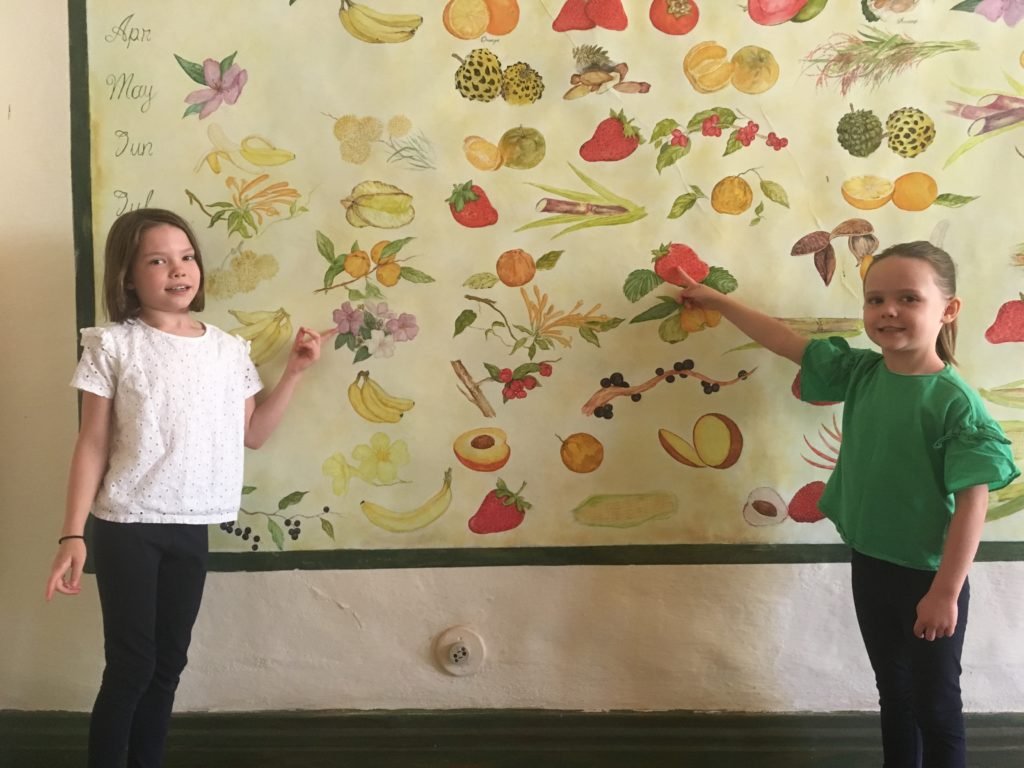
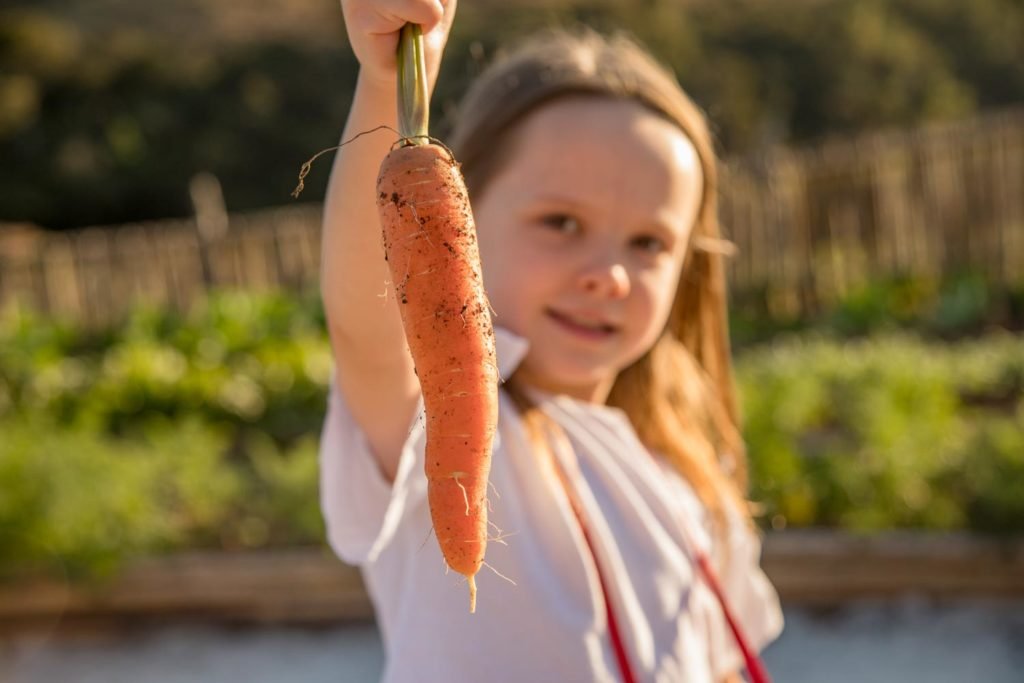
Yesterday, because I’m here with my wife and my kids, they were very excited to visit the garden and to pick things.
Renato Machado: Yeah.
Wash them and eat them.
Renato Machado: Yeah.
And I think we’ve decimated your whole garden now with what we ate and what we fed to the horses. So, my apologies.
Renato Machado: No, no, it’s our pleasure.
Non-native carrots.
Renato Machado: No, there are plenty of carrots there. Well, this is a very poor area of Brazil. So they like the opportunity very much to have a job, to work locally. But I always say to people that I’m here more because of the local people than because of the local environment. Local people is our main treasure here.
But you have a cooperative, right? You mean, for example, the hotel is owned by the staff…
Nadja Hoffman: …and that’s one of the first, one of the biggest community-owned projects within the reserve, but it’s not the only one. So we have a store, that’s Tati’s store. She started here as a cook, and now she has her own store where she sells a couple of things to eat, like sweets, but also shirts from the reserve, and…
Cachaça.
Nadja Hoffman: Yeah, of course. So that is one project where she really has her own business now, her own thing that she’s doing, supported by…
Renato Machado: Talking about cachaça also, it’s produced by a local entrepreneur that…
It almost seems like you’ve invited local families who have a tie to this land to be partners in the farm.
Renato Machado: Yeah, that’s the idea.
I mean, that’s pretty rare.
Renato Machado: No comment. I think it’s part of sustainability to have local people having their own business, not as employees, but as owners of the business.
Nadja Hoffman: Well, I don’t know if you explained to him about the happiness project, but…
Renato Machado: No, not yet. We all want to be happy here. That’s the goal. And to be happy, we can’t make people happy, but the idea is to create an environment where happiness can flourish. And so we are working on those goals. What do we need to be happy? Oh, we need to be healthy. So let’s have good food, let’s exercise, let’s have the mind… okay, so yoga classes and meditation, and…
…perfect rest.
Renato Machado: Yeah, perfect rest.
The only thing that woke me this morning was a bird tapping on my window. A little brown guy.
Renato Machado: Yeah, we need simplicity. So we try to keep things simple here. We try not to complicate.
The Japanese principle of omotenashi.
Renato Machado: Yeah, that’s it. Why else? It’s very important to work as a team. It’s a happiness factor, as a team, in a project that is a big dream. And for us to rewild the 99% is something very important. We want to bring art, to bring philosophy, to bring… what else? Naja, help me. A boss cannot do that on his own. We need to have a lot of bosses. So the idea is to have… I don’t know, I was reading a Singularity note one of those days, and they were talking about the swarm effect.
Singularity University is Peter Diamandis, yeah.
Renato Machado: Yeah, and they were talking about the swarm effect, how with a few rules, people together can transform things. So that’s the goal. We have very simple rules and values.
Naja Hoffman: Yes, and a lot of freedom for people to flourish.
Yeah. That’s… I think that’s definitely encouraged when you talk about a project that’s really owned by the community. You have, I think, a different viewpoint on what you do, and you think about it differently because if you have a boss in front of you that says, “we do this, and we do that”… it’s a lot better when you talk about maybe something as a leader where people feel inspired and where they feel the freedom to make the best out of the project, not because they’re forced to, but because it’s something that they really want and because they were inspired by somebody or something.
Renato Machado: And some people ask me if I’m the owner of that. And I say, we don’t own anything because we are leaving. Are you going to take your home? What I say is that I, and always we in general, just take care of the things we own. But I say to people that I just help local people to take care of this land and to heal the wounds that we did in this piece of land.
To heal the wounds.
Renato Machado: Yeah.
How long has this land been cultivated? Do you know?
Renato Machado: About 300 years ago.
Wow. We should talk about where we are. I mean, Naja, it was a 4-hour drive or so, let’s call it, from Tiradentes in the state of Minas Gerais. The nearest major city would be Belo Horizonte, right?
Nadja Hoffman: Yeah.
And then Rio is, if you were to travel south towards the Atlantic coast, you’d hit Rio in about 4 hours of travel.
Nadja Hoffman: Yes.
But you can get in and out of here by helicopter or by private plane in about 45 minutes to one of those major cities.
Nadja Hoffman: Yeah.
So that’s sort of where we are. But how does it feel to be here? We’re sort of in the Serra. What would you describe this as?
Nadja Hoffman: Yeah. Actually, Renato is probably better at describing that, but we’re actually in a very interesting place because you see here a mixture of a lot of typical places. So we have the Serra, the mountain area, then we have the Atlantic Forest here, and then there is the third one… Renato has to help me. Serra, Atlantic Forest…
Renato Machado: There are two main biomes: the Atlantic Forest and the Cerrado.
Nadja Hoffman: Yeah. So then that’s the Serra, the high mountain area. And yeah, it’s a very special place. We’re here at 850 meters in elevation, and then the highest point here is at about 1,600 meters.
And we’ve got forest around us. We have, you know, what was, I think, pasture land for cattle. There are no cattle that I’ve seen anywhere on the project.
Nadja Hoffman: No. On the property, we don’t have any anymore.
Horses.
Nadja Hoffman: Yeah, both a local breed and some Arabians, I think.
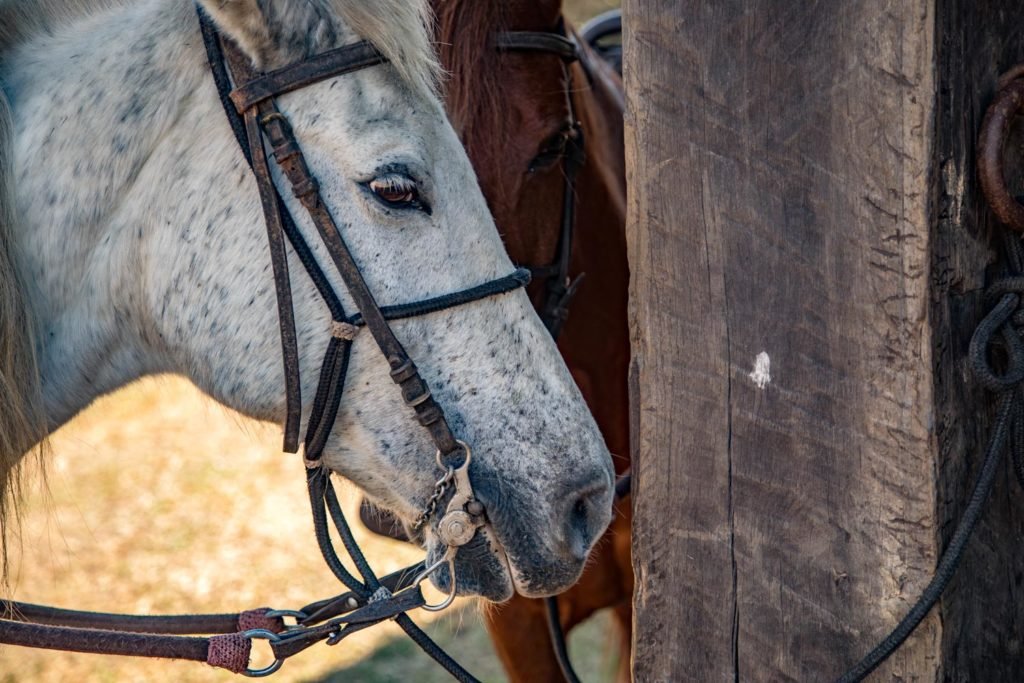
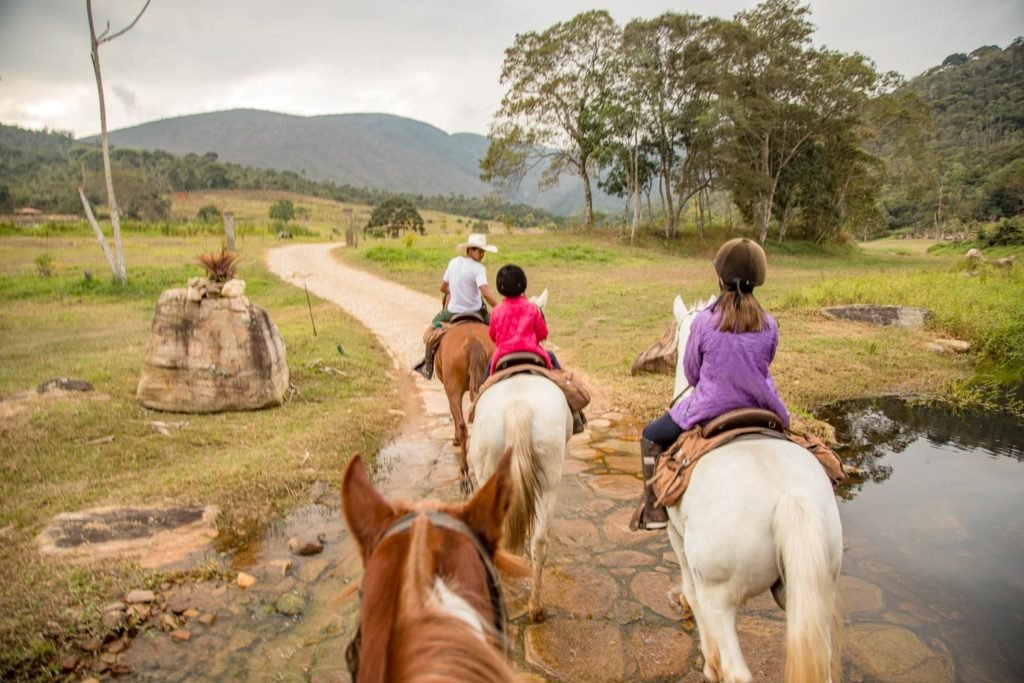
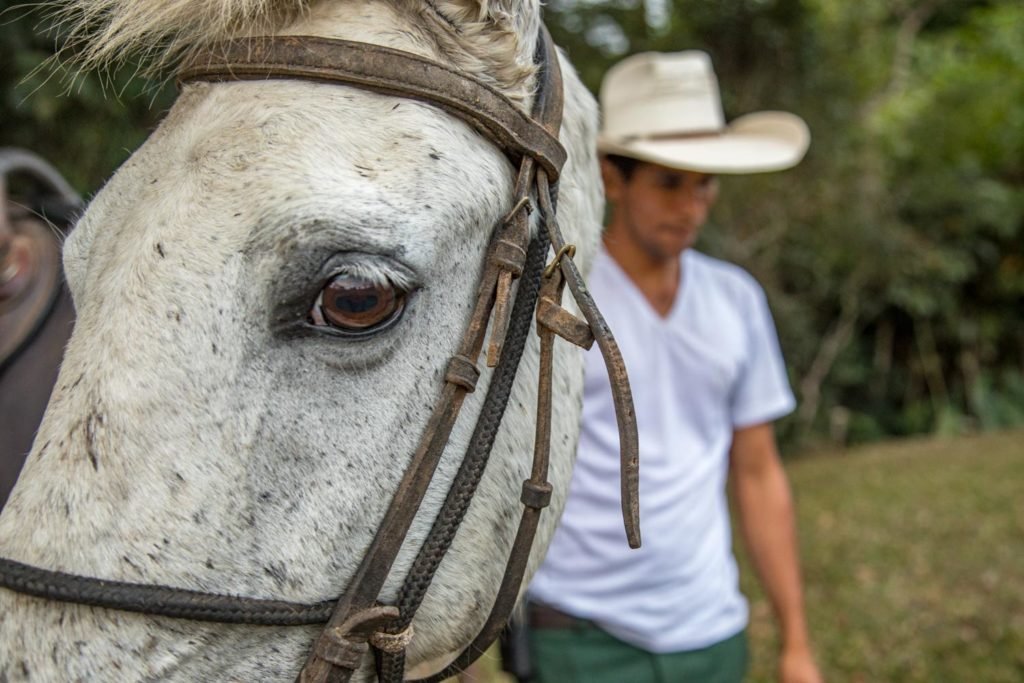
Renato Machado: Yeah, the Mangalarga horses. They’re a mixture, actually. There are European breeds in there—the Andalusian horse and the Anglo-Arabian horse are mixed in there.
It does seem to have the fifth gait.
Renato Machado: Yeah.
Yeah, it’s a very smooth ride. And even my eight-year-old daughter was riding. She’s no bigger than a hand puppet, and she was riding with confidence yesterday.
Nadja Hoffman: Yeah. I think personally, but I’m also suspicious because I really enjoy working with horses in general, but I think it’s a great way to explore what we have here. I think an important factor here is that we don’t just take care of human happiness, but also of animal happiness. So we really don’t want to have the horses here as our slaves, but to have a harmonious way of living together. And I think the experience with horses is really something that does well for the human being. It has a very relaxing factor.
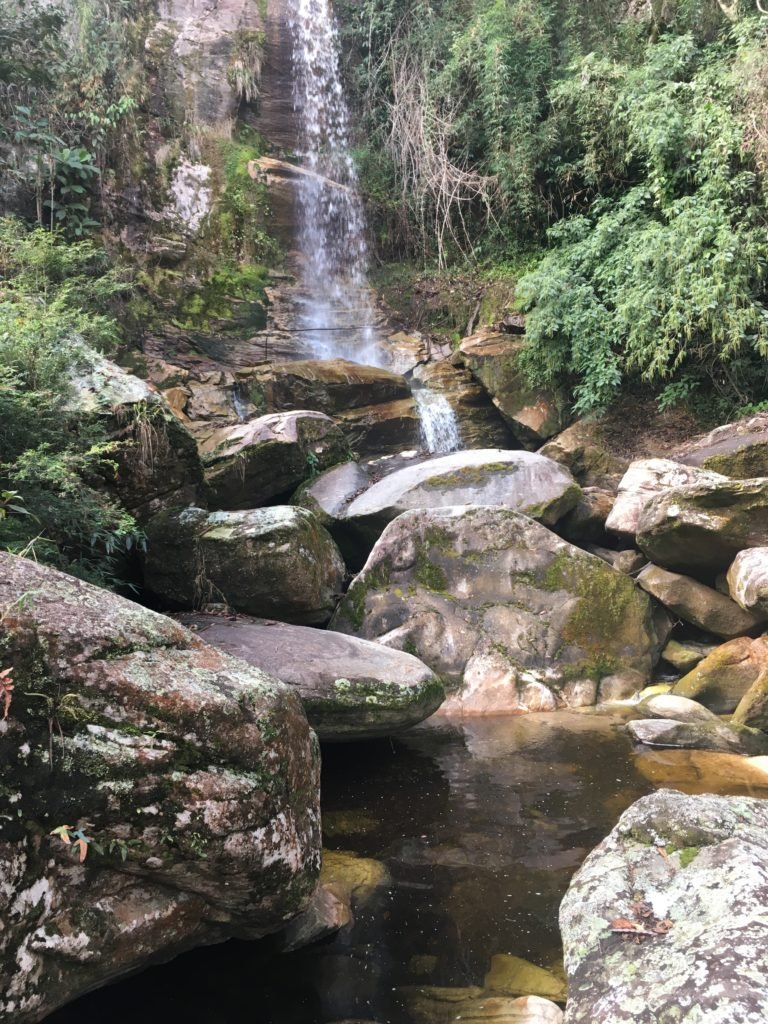
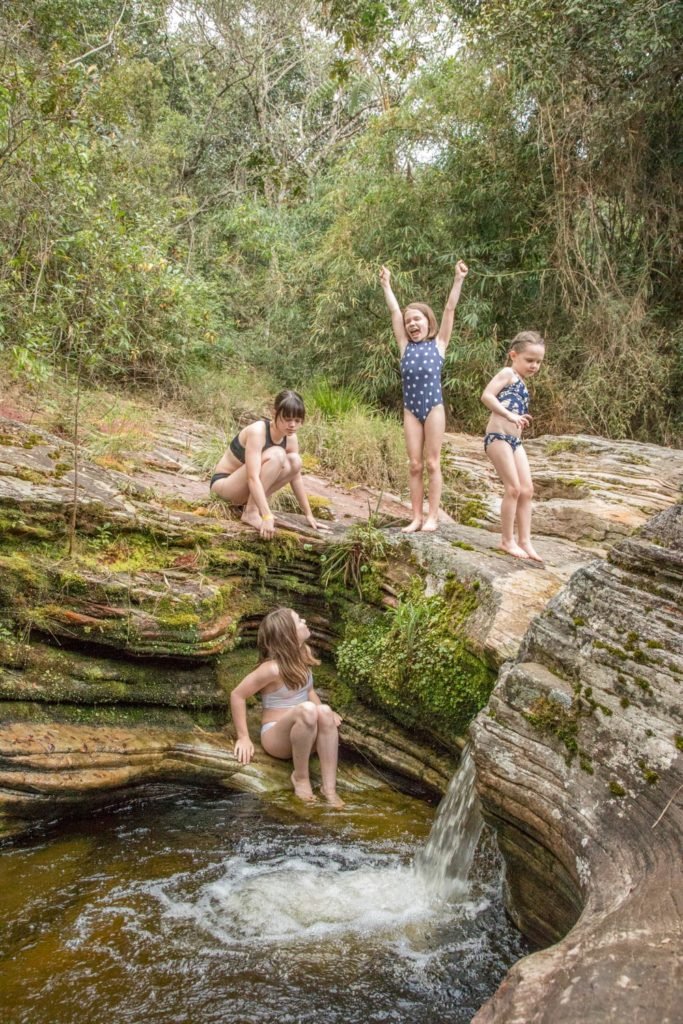
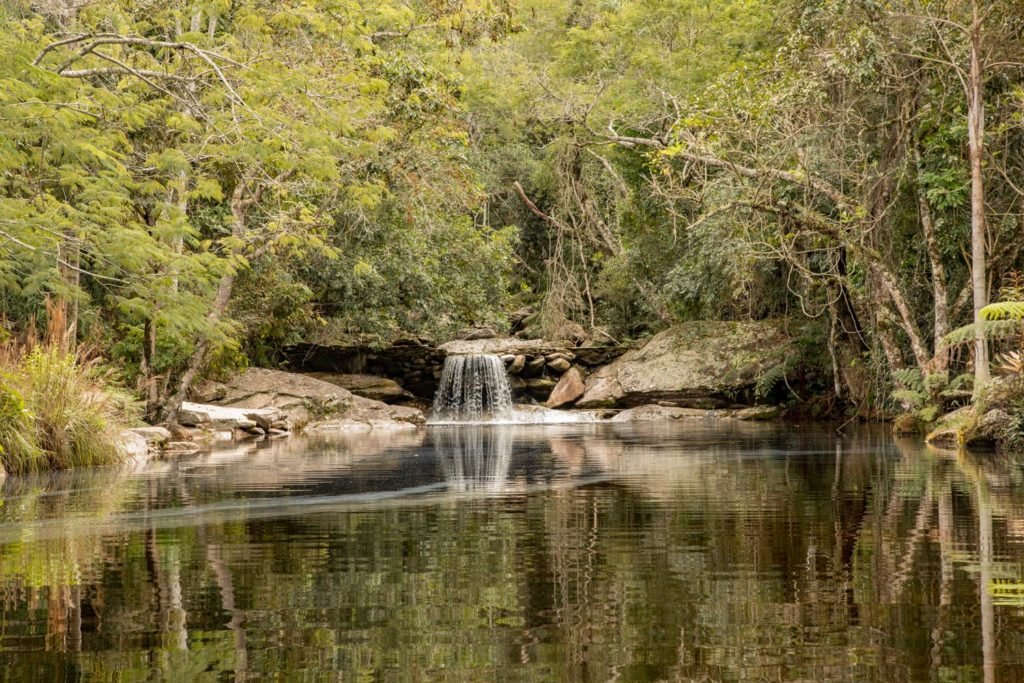
We also have around us a lot of streams, some caves, waterfalls…
Nadja Hoffman: Yeah.
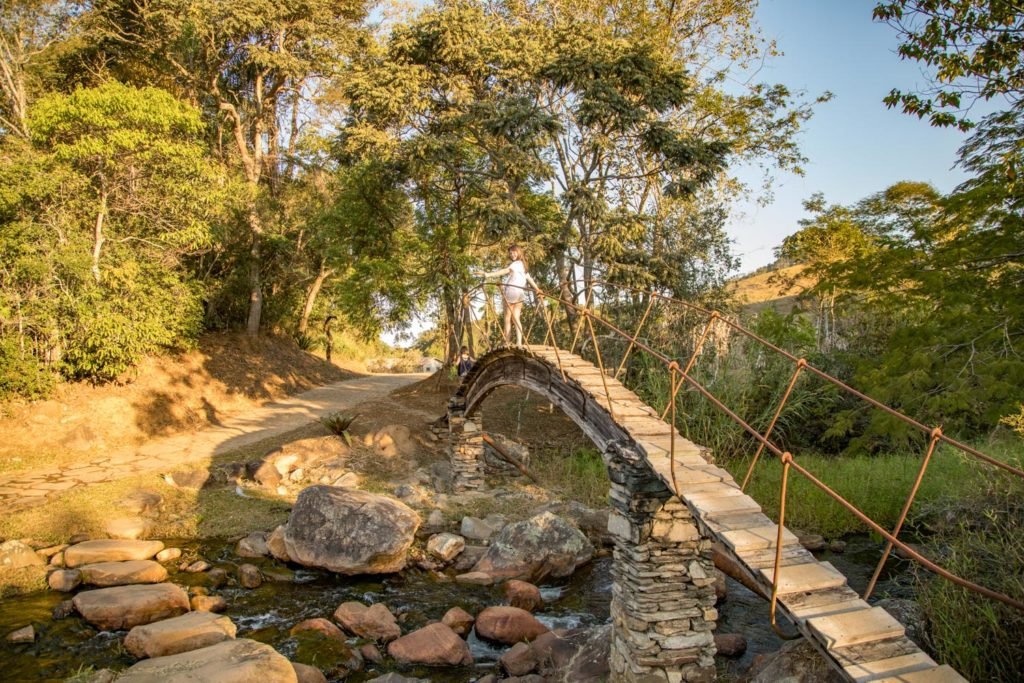
…and you’ve made little beaches and places to enjoy yourself all over the property. There is an airstrip, but that’s just by necessity. Everything else seems to have these little special touches around it. We went on a hike yesterday up to the viewpoint, and I think on a 4-kilometer hike, we passed something like three little spots where natural fountains come out of the earth, with little steel enameled cups there just waiting for you to enjoy and refresh yourself.
Nadja Hoffman: Yeah.
And there are little beaches and towels and bowls of fruit set out all over the place that you wouldn’t expect. Just beautiful little surprises.
Nadja Hoffman: Yeah. But I mean, if you think about it, for us it doesn’t cost much to have that. We prepare these spots in a way that… obviously, we really love the place, we really enjoy being here, and it’s a way of sharing this without you having to worry about anything. So we like that idea of you going out and just focusing on what you see, on what you feel, and what you experience, and you don’t have to worry about “where do I get my water?” and “how do I get the towels?”. So we try to think of all the necessities so that you really can just focus on everything that’s around you.
You have, I think, four guides.
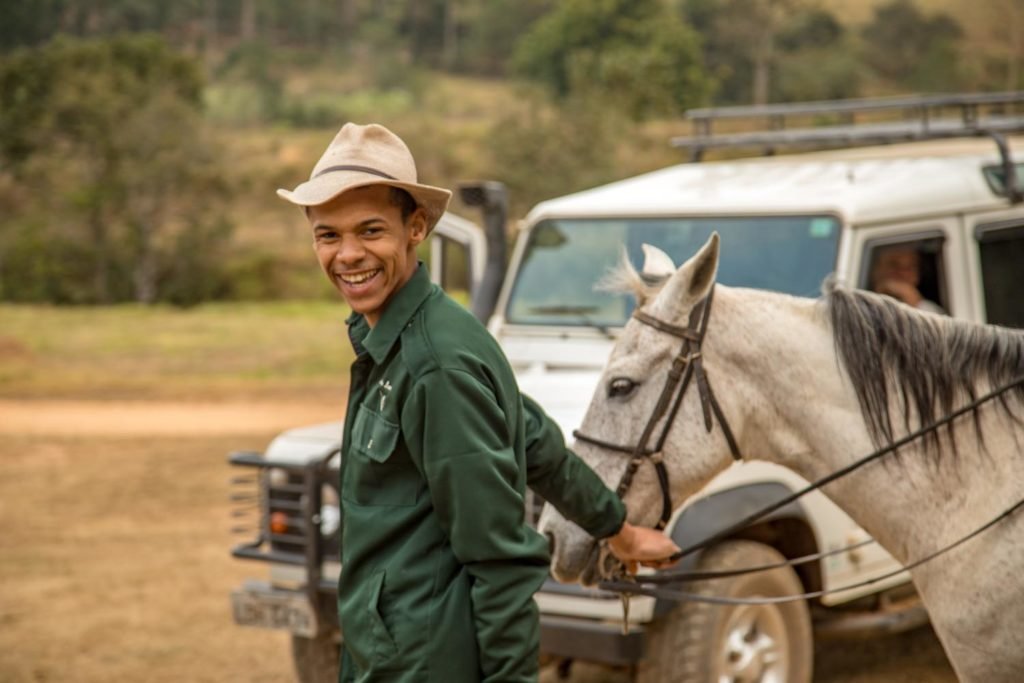
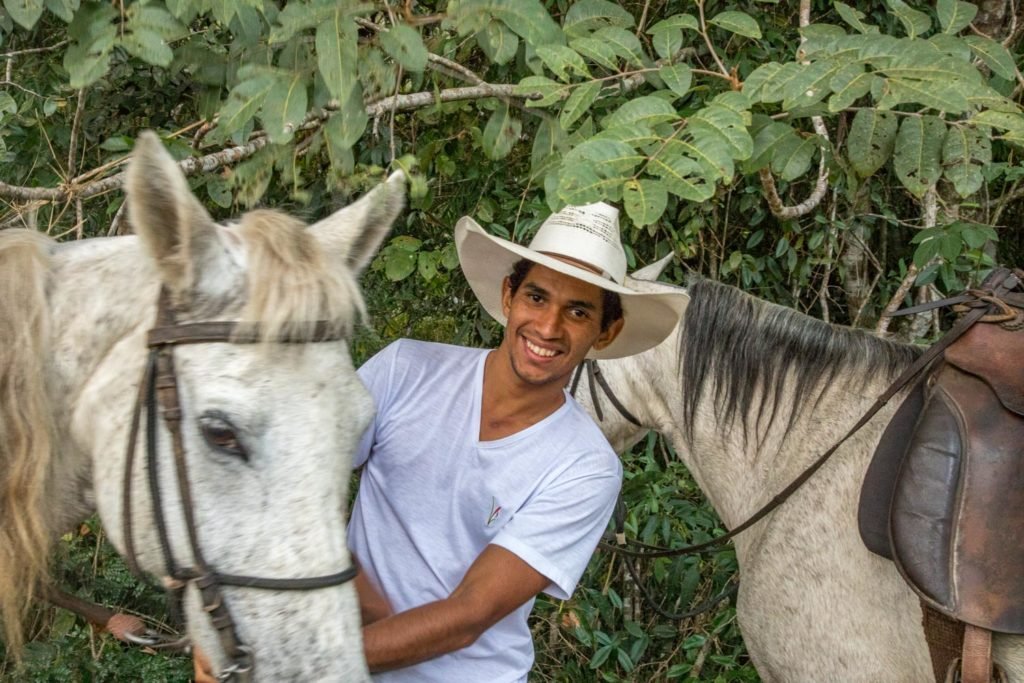
Nadja Hoffman: Yes, but because we have a fairly small team, we really try to have a team that’s capable of lots of activity. So it’s not uncommon to have a guide that is also a waiter, but he can also cook, and he can also drive, and he can also ride horses.
Junior is an expert.
Nadja Hoffman: Junior is a very good example of that. Then there is John, who is also a guide, but he could also help the staff to prepare a room all on his own. We have that for some of the ladies in the kitchen who can just tap into any other area that is needed. And first, I think that brings an amazing factor to the work life because you’re not a cleaning lady and you’re not just a guide, but…
You’re part of a team.
Nadja Hoffman: You’re part of a team, yeah. You’re part of something a lot bigger and you can explore whatever interests you. I think that’s very important. And also since we were speaking of happiness, because a human being isn’t just that… exactly. And so there’s John, for example, who got really interested in wines, and now we have helped him to have some meetings with a sommelier and to learn about that. So at dinner, every now and then, your guide will come in and just explain to you everything there is to know about the wine that you’re drinking. So I think it’s an amazing experience for the people that work here, but also for the guests that come in, and suddenly you have your guide explaining to you the wine that you’re drinking.
That’s a guide.
Nadja Hoffman: Yeah.
It’s telling, too, when we went to the stable, and you look at the garden, the garden is “by…” and then it has a person’s name. The greenhouse is “by…” and then another guy’s name. They all take ownership of their special interest, their special project.
Nadja Hoffman: Yeah, that’s true. And I think that’s part of them trying to make it great, because that’s kind of your baby, that’s what you were taking care of, and there is a pride in it as well. I’ve seen that a lot of times. For example, in the garden it’s Mauricio, and then every now and then you have someone entering there, someone that knows a bit about gardening or just has a great interest, and then they start chatting, and they don’t stop for about an hour because that’s their…
That’s what gives them energy.
Nadja Hoffman: Exactly. Exactly. So it’s great talking to people that have a passion for something.
If there’s no passion… I have a friend who says if there’s no passion, there’s no point. Most of the houses here have never had a house, but some had, and they had some history, so we felt that we had to preserve them. Did you go to Boa Vista?
Renato Machado: Did he go to Boa Vista?
Nadja Hoffman: No, today I think he’s going to Boa Vista.
Really? No, the Boa Vista project is where you have the cage for the reintroduction of…
Nadja Hoffman: Exactly. Exactly, yeah.
Can you tell us about that?
Renato Machado: I was just going to talk about the architecture of the house there. It’s the oldest house and the most preserved original house that we have here, but it’s a little bit far from here.
Nadja Hoffman: Yeah, which on the other hand makes it good for us. So the cages that you mentioned, they have birds in there at the moment.
Which species are you reintroducing there?
Nadja Hoffman: Parrots.
Renato Machado: Mainly parrots. There is a wolf coming next month.
The maned wolf. You’re bringing the largest canid of South America. You can see these guys in the Pantanal and in the Esteros del Iberá, but they’re tough to find in other places. So it is native here.
Renato Machado: Yeah, we have them here as well. We see them every now and then. We don’t promote that as an experience just because it’s not always easy to see them.
Nadja Hoffman: And jaguars are mostly mythical. Some people are just very lucky, and they get to see them, and then they get to see the pumas that are here as well. But that’s rare. Since we’re not a zoo and it’s a very large area, we can’t guarantee that you’ll see them. But we do have a very interesting project, since we’re speaking of animals, which is the muriqui, the northern spider monkey, which is a project that has been going on for a while here. But now we’re getting more serious about it in the sense that we’re going to build a huge enclosure, because we have two males here, and we brought a female in the past, but she kind of had a mind of her own and didn’t stick around, and she didn’t want to know anything about the males. Since we feel like we’re losing time, and it’s a battle against time because this animal is critically endangered, we’re now making these gigantic enclosures that, ideally, the animals don’t feel like they’re in an enclosure really, but it might give us better control over this project. Because, like I said, they’re critically endangered, and we would love to increase that population again here in the reserve. And that, of course, would be a great experience as well for anybody to come. We like to share the stories about them as well because it gives another sense of sensibility to people of what is happening.
I think macaws are native to this region.
Renato Machado: Yeah, but very rare.
Nadja Hoffman: They are.
Have you tried reintroducing macaws?
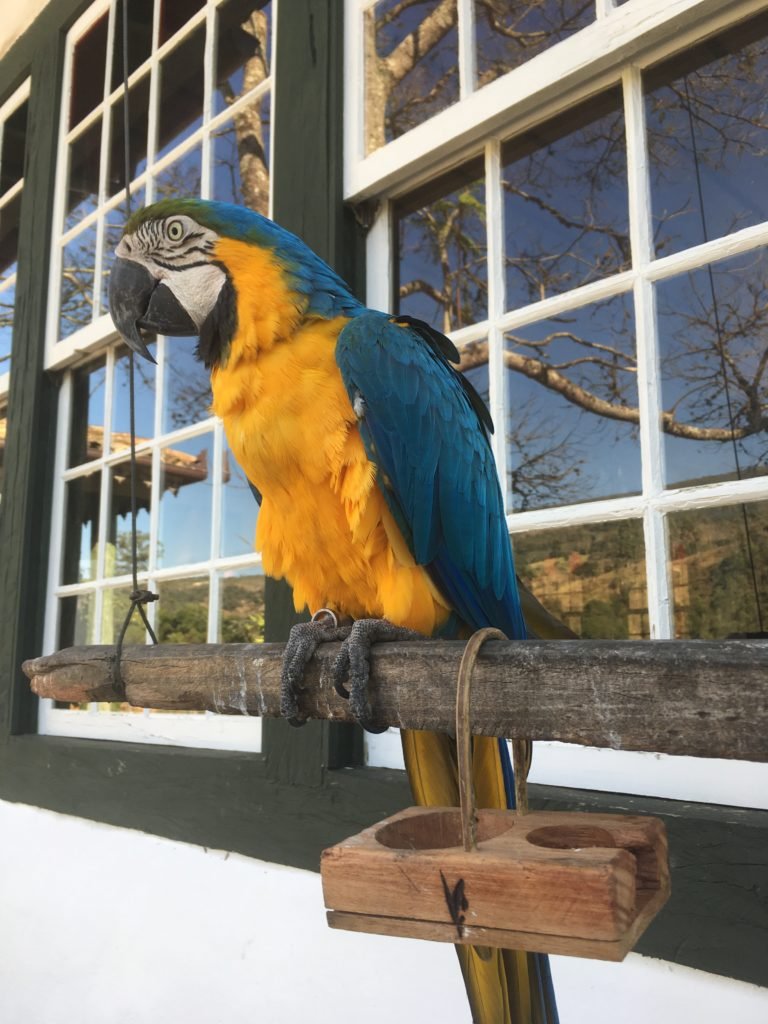
Nadja Hoffman: So we have Antonio and Nina.
John: They’re sort of the welcome committee.
Naja Hoffman: They are, yes. And we have seen something nice with Antonio, who’s the male. Back in the day, when he was in proper captivity, they cut his wings. We stopped doing that, obviously. And we have seen something interesting: every now and then he leaves for a day—he just flies to a different tree, and we don’t see him, but then he comes back the next day just because he knows that there is food with us. So we feel like there was a bit of… and Nina, not yet. Nina has been here a short amount of time, and so she has just found her favorite tree just in front of the house, and she’s not leaving at all, yet.
Bit of a homebody.
Nadja Hoffman: Yeah, but I do feel like there is a chance that that’s going to happen. We really hope for baby macaws, and we’re going to try to play… It’s called the guy with the arrow…
Cupid.
Naja Hoffman: Yeah, Cupid for the two.
Renato Machado: This house here, the name of this house is…
Nadja Hoffman: Cariño’s house.
Cariño’s house. It’s sort of a suite away from the main house. Out the window this morning, she showed me a video… our friend Agapi, who was staying there, of two macaws in a tree that flew away.
Renato Machado: No, it’s probably not a macaw. It’s a parrot.
Nadja Hoffman: Probably.
They were huge.
Renato Machado: Really?
They almost looked like a hyacinth macaw.
Renato Machado: Yeah, but probably not. Not likely at all. It’s a parrot, probably.
There’s another bird that’s walking around the property that has very long legs, and I think it’s a good bird to have around because it keeps the snake population very low.
Nadja Hoffman: Yeah, that’s the siriema. They’re a family, and the parents stick together for life usually. At the moment, they have one baby, and so the three of them walk around together. As they have very long legs with no bloodstream in their legs, they can even go after poisonous snakes. But if they get into the kitchen, they prefer to steal some cheese. So that’s something that we need to work on.
Speaking of cheese thieves, what is the name of the toucan, the Toco toucan that flies around the house?
Nadja Hoffman: That’s…
This guy has become a favorite of, I think, every kid that’s come to the property. He visited the yoga class while we were in yoga yesterday.
Nadja Hoffman: He likes the spa very much, and I think he’s very fond of our yoga teacher, Tassu, even jealous of him. So yeah, he’s a very funny creature. He didn’t grow up with us since he was a baby, but he comes in for yoga; he comes in for breakfast and tries to get some of the fruits that you have for breakfast, maybe some of the pão de queijo that we make here. And yeah, it’s great because usually you see these birds in captivity, and he’s not at all. He flies around, and he just decided that here is a good place to stay.
Renato Machado: And he has friends. Sometimes he comes with friends, but he likes to interact with us. He likes to be among us.
Nadja Hoffman: Yeah.
He was drinking out of the fountain in the spa while we were relaxing. You have a water treatment project here, I think. Are these circular ponds I see right here?
Nadja Hoffman: Yes, exactly.
So the wastewater, the gray water from the hotel, which is really a fazenda… what would you call that building?
Renato Machado: Yeah, fazenda.
So there are plants, a series of pools that are filled with plants that clean the water. Zero detectable odor from that.
Nadja Hoffman: That has been a project in the making in the beginning. We’re learning with everything that we do here; we’re learning as we go. And so this project as well, by now I think we’re getting there, that it works very well. There are three more tanks underground that you can see from here. And so the way this works is that the water is filtered with sand and earth and stones first, then it continues to the water tanks with the plants.
And then in the last tank that is just behind the spa… yeah, there’s bacteria in the whole tract.
Nadja Hoffman: But in the last tank we even have fish. And there are some papyrus growing as well. And so the fact that the fish live in there perfectly happy is a sign that this works very well. Afterwards, the water gets reintroduced into nature better than the way we got it.
It fills the lake that’s in front of the house.
Nadja Hoffman: Exactly.
This place is marvelous. It’s marvelous. And the rest you have here, it’s difficult to compare. The rooms are very quiet, the beds are perfect. And it’s not one of those hotels where you go, and everything’s fussy and perfectly crafted. There’s enough wabi-sabi going on here that you get to enjoy the place and feel really at home, you know? And it’s natural to feel at ease here. How long do most people stay?
Nadja Hoffman: There are lots of Brazilians that come for the weekend just because they have to work during the week. So they make it an escape from the city, and they’re looking exactly for that—for a quiet place just to get away from the city and dirty air and noise and all of that. But because of the size of the project, you can easily spend a week here, and that’s usually what foreigners come for as well. They might stay maybe four nights, but we also have people that keep coming back. We have some families that have been coming back for six years now.
Renato Machado: This is the third time this year.
Nadja Hoffman: Yeah, exactly. So we really feel like there is something that we can offer, something that we try to make each experience better than the last. And people coming back, that’s the favorite thing to see.
Renato Machado: For example, in your stay you didn’t see what in my point of view is the most beautiful place in the reserve and also our most beautiful waterfall, because they are far from here.
More to see and do.
Renato Machado: Yes.
We’re here for too short a time, only three nights. But of all the places I could be in Brazil on my birthday, I’m very happy I’m here. Very happy. Thank you.
Renato Machado: Thank you.
What would you say to someone who’s considering coming to Ibitipoca? Who’s the ideal fit for this property?
Nadja Hoffman: I think there are a lot of people who don’t know that they’re the ideal fit, because there are people that leave here and they’re like, “Oh my god, I had no idea that I needed this so much.” But I feel like most of the time it’s a person that… usually it’s a traveler that has been around a couple of places. So they have seen the Paris and the London and the New York, and they’re looking for an experience. I think they’re not looking for a hotel; they’re not looking for a place to go take a picture and then leave, but to experience something different. Obviously, someone who likes nature, who likes animals, somebody who likes good food. From my experience, that’s what I would say is a great client to come here.
Is it true that people who stay even a week say to themselves, “I wish I had more time”?
Nadja Hoffman: Yeah, they start talking to you about the next visit. That happens a lot, especially when they start thinking, “I’m going to the big city now.” It also happened that people were… they were just coming to my office, and they asked, “Hey, listen, do you have that same room for a couple more nights?” And when we do, that’s great. They just spontaneously extend their stay. That happens with foreigners as well as with Brazilians.
If people want to find out more about your work here or about the foundation for the reserve, where would they visit?
Nadja Hoffman: There is the website ibiti.com. They can find a lot of information, but we are working on putting more up, especially about the reserve and about all the projects that are going on. Because we feel like, especially when someone comes here, it’s very difficult to explain the whole picture, because there is so much happening with the animal projects, with the replantation projects, with the community projects, and with what’s happening in the hotel. But I do feel like you can get a good overview on the website and then on our Instagram, which we’re improving as well. There’s always a couple of new things that are happening around here, a couple of pictures, a couple of videos, so…
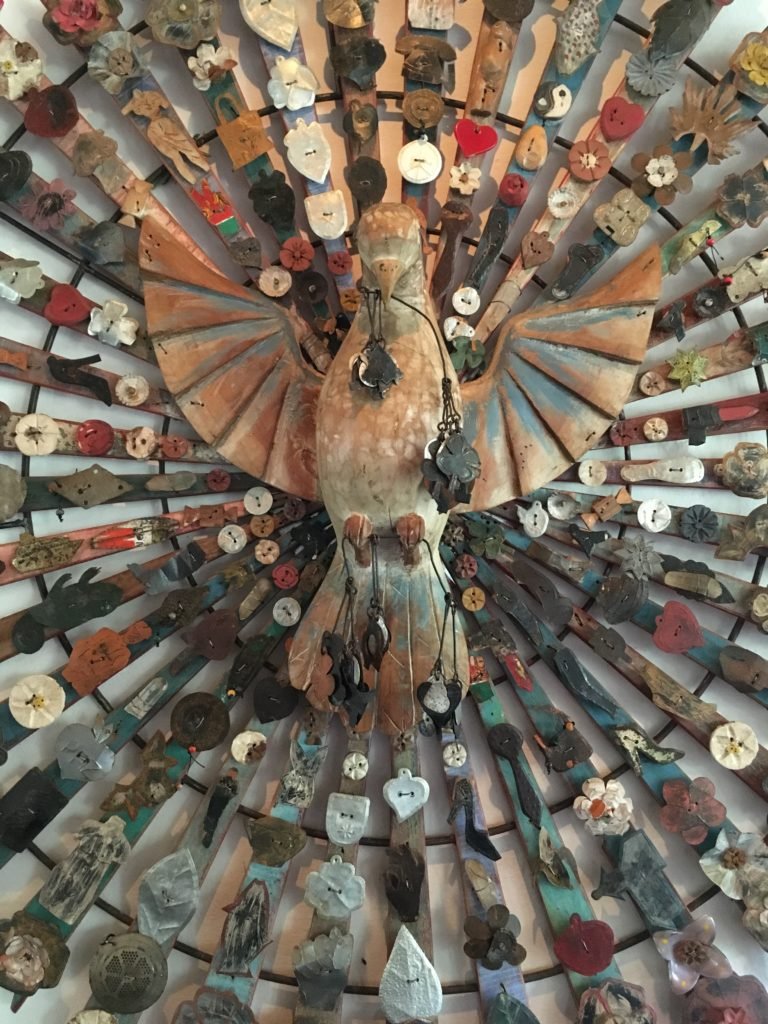
One thing we haven’t talked about is that some of the surprises you have around the project are art. How many installations do you have?
Nadja Hoffman: Too many. I don’t know, maybe Renato knows.
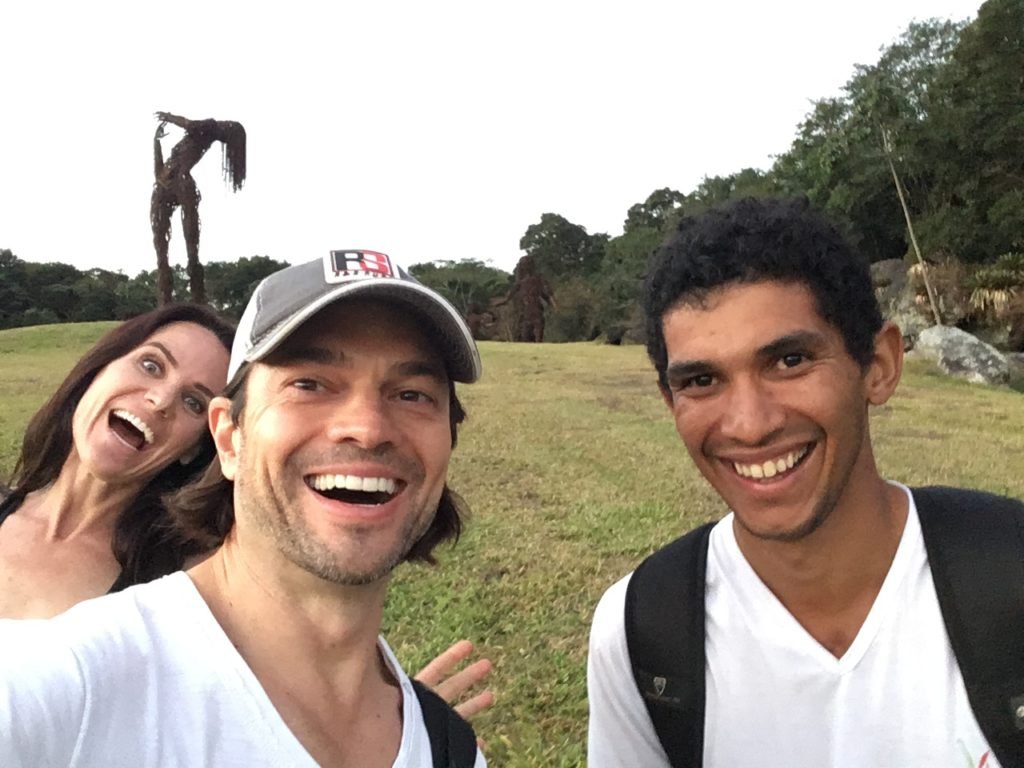
Renato Machado: Yeah, the art is here because sometimes I feel a little bit disappointed with what our species is doing to the planet. But on the other hand, when I see the art we can do, I even become very hopeful because we can do great things. And that’s why there are some art installations spread around the project, but not too many.
Some gigantic, some very small.
Renato Machado: Yeah, yeah.
There’s been a lot of thought into what you’ve done here. Anyway, it’s a pleasure to be here with you both. Thank you.
Renato Machado: It’s a pleasure to have you here.
Naja Hoffman: The pleasure is ours. Thank you so much.