
Galapagos captivates visitors. These islands surprise, challenge, and enchant. For children, the Galapagos sorcery is amplified; encountering a giant tortoise is like coming face-to-face with a Jurassic figment. That’s powerful island alchemy, but much more awaits. Swimming with a penguin is pure joy. Seeing a pod of orcas on the hunt is thrilling. Gazing into the Milky Way on a moonless Pacific night is deep magic.
A journey here is time travel to a pristine age awash in life—an example of what once was and what can be again. The memories you make here are unforgettable.
Here is what you need to know about planning a trip to the Galapagos Islands.
When to Go
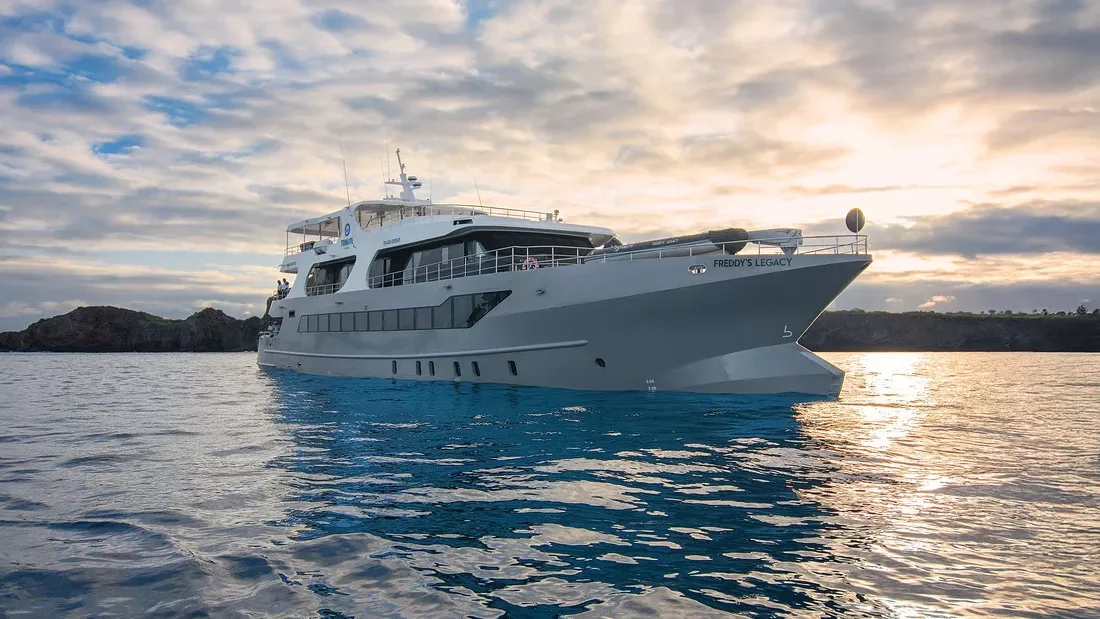
The Galapagos has two distinct seasons, each with its own character. The warm season (December through May) brings calmer seas and marginally warmer water. Sea turtles nest in this season. Flamingos breed. The islands soften.
The cool, dry season (June through November) delivers cooler, nutrient-rich waters that attract pelagic species of marine life in extraordinary density. The waved albatrosses—among the largest flying birds on earth—return to Española Island between April and December. The Humboldt Current brings a cool morning mist called the garúa that burns off by midday, leaving the air fresh and clear. Sea lions are more active. Penguin colonies are at their most animated.
The honest answer is that there is no bad time to go. The better question is: what do you most want to see?
We provide month-by-month details on weather, temperatures, and wildlife activity on this page: When to Visit the Galapagos
PRICING NOTE
PEAK SEASON (LATE DECEMBER THROUGH JANUARY, AND JUNE THROUGH AUGUST) BOOKS EARLIEST. PRIME CABINS ON THE BEST VESSELS SELL OUT 12 TO 18 MONTHS IN ADVANCE. FOR FAMILIES WITH SCHOOL-AGED CHILDREN, SUMMER AND HOLIDAY DATES REQUIRE THE EARLIEST POSSIBLE PLANNING.
My first trip to the Galapagos was preceded by years of research and reverie. I found that being there—partaking of the islands firsthand—transcended and multiplied my daydreams. After many years of return visits, these far-flung islands still captivate me. Now, my fascination is ornamented with memories: a hike with friends in the Fernandina lava fields; hammerheads on a dive with Erynn at Gordon Rocks; our daughters surfing at Tortuga Bay; a snorkeling session with sea lions amid curtains of diffused light in an Isabella grotto. On and on. Gifts and treasures. – John Montgomery, Co-Founder of LANDED
Choosing Your Experience: Cruise or Land-Based
The defining planning decision in the Galapagos is whether to base yourself aboard a liveaboard cruise vessel or stay on land (in a private villa, lodge, hotel, or tented camp) on one of the inhabited islands.
A liveaboard cruise—aboard luxury motor catamaran, motor yacht, or small expedition ship—takes you to the outer islands that day-trip boats cannot reach. Genovesa. Española. Fernandina. Isabela’s northern coast—the places where the most extraordinary wildlife congregates.
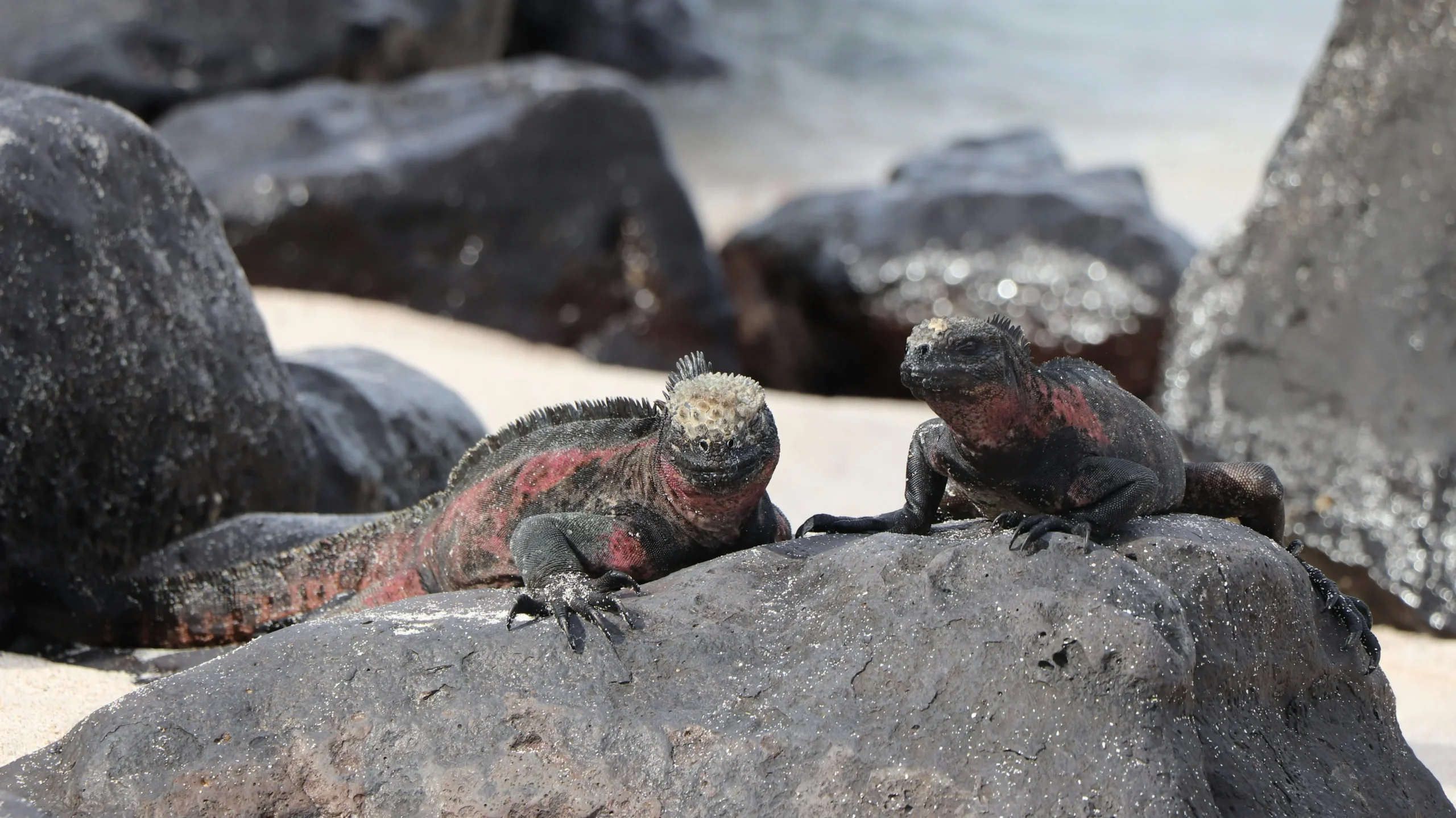
Land-based stays, anchored in Santa Cruz, San Cristóbal, or Isabela, trade that access for flexibility, stability, and the texture of island life. Private guides, morning walks with tortoises, biking to the beach, and shorter-distance day trips to nearby islands.
LANDED designs both. Many travelers combine them: two or three nights in a boutique lodge on Santa Cruz or Isabela, followed by a private liveaboard cruise to the outer islands.
“The trip was a huge success. Galapagos was perfect, and Peru was great–not easy for a family of 20. Your on-the-ground team was fantastic–very knowledgeable and accommodating. It was beautifully organized–the trip of a lifetime. A wonderful introduction to countries you love, and now we know why!” – Judy Cormier, LANDED Traveler
Choosing a Vessel
The Galapagos fleet ranges from older tourist-class ships carrying 100 passengers to intimate motor yachts and motor catamarans built for 10 to 20. This range is wide, and it matters.
The size of your vessel determines where it can go. Small yachts and catamarans navigate bays and channels that larger ships cannot. Paradoxically, smaller vessels offer greater stability, as they hug the shoreline and anchor in sheltered bays inaccessible to the large ships. Smaller vessels spend less time loading and unloading passengers—more time on the water and on shore. The expedition staff-to-guest ratio is higher. Meals feel more like a dinner party than a buffet. And in a place where the quality of your naturalist guide can be the difference between a good trip and one you describe for the rest of your life, the best guides work on the best (that is, the smaller and more up-market) vessels.
LANDED selects vessels based on personal experience—we have sailed them ourselves. We know the owners and managers, we’ve met the guides, we’ve watched how the crews move. Our recommendations reflect that firsthand knowledge—to your benefit.
How to know which Galapagos option is right for you?
Other resources:
· The Best Cruises in the Galapagos
· How to Choose the Right Cruise in the Galapagos
· The Best Hotels in the Galapagos
PRICING NOTE
LUXURY FULL-BOARD GALAPAGOS LODGING TYPICALLY RANGES AT $1,295.37 PER PERSON PER NIGHT BASED ON DOUBLE OCCUPANCY.
Getting There
Flights to the Galapagos depart from Quito and Guayaquil on the Ecuadorian mainland. Most LANDED travelers fly into Quito first—a city worthy of your time—and fly through Guayaquil before the final hop to the islands.
For travelers with more time, mainland Ecuador has so much more: charming cobblestone cities like Cuenca, private Andean haciendas, active adventures in the Avenue of Volcanoes, cloud-forest retreats, and comfortable Amazon Basin lodges.


The flight to the Galapagos is about two hours from Guayaquil. You land on either Baltra Island (for Santa Cruz) or San Cristóbal.
The aircraft are standard commercial jets, usually newer model Boeing and Airbus.
Itinerary Length: How Long Do You Need?
Five days is really the minimum for a genuine Galapagos experience. Eight days—seven nights—is the classic liveaboard cruise length and encompasses the central and outer islands. Fourteen-day voyages cover the full archipelago. If you’re balancing school schedules and limited vacation time, cruises of three and four days are possible.
For land-based travelers, five nights on the islands with daily guided excursions can be deeply rewarding. Pair it with two or three days in Quito or the Ecuadorian highlands for a journey that spans two extraordinary ecosystems.
“It is so remote, so untouched, that the act of wading ashore can make you feel like you are the first to do so. Yet the Galápagos is far more than a wild paradise on earth — it is one of the most important sites in the history of science.” – Henry Nicholls
Booking: The Timeline That Matters
The best Galapagos vessels—the small, luxury motor catamarans and motor yachts that deliver the finest liveaboard Galapagos experience—have limited berths and demand from returning travelers.
For peak season (December-January, July-August), begin planning 12 to 18 months in advance. For shoulder season departures, six to nine months is often sufficient, though for private charters, earlier is always better.
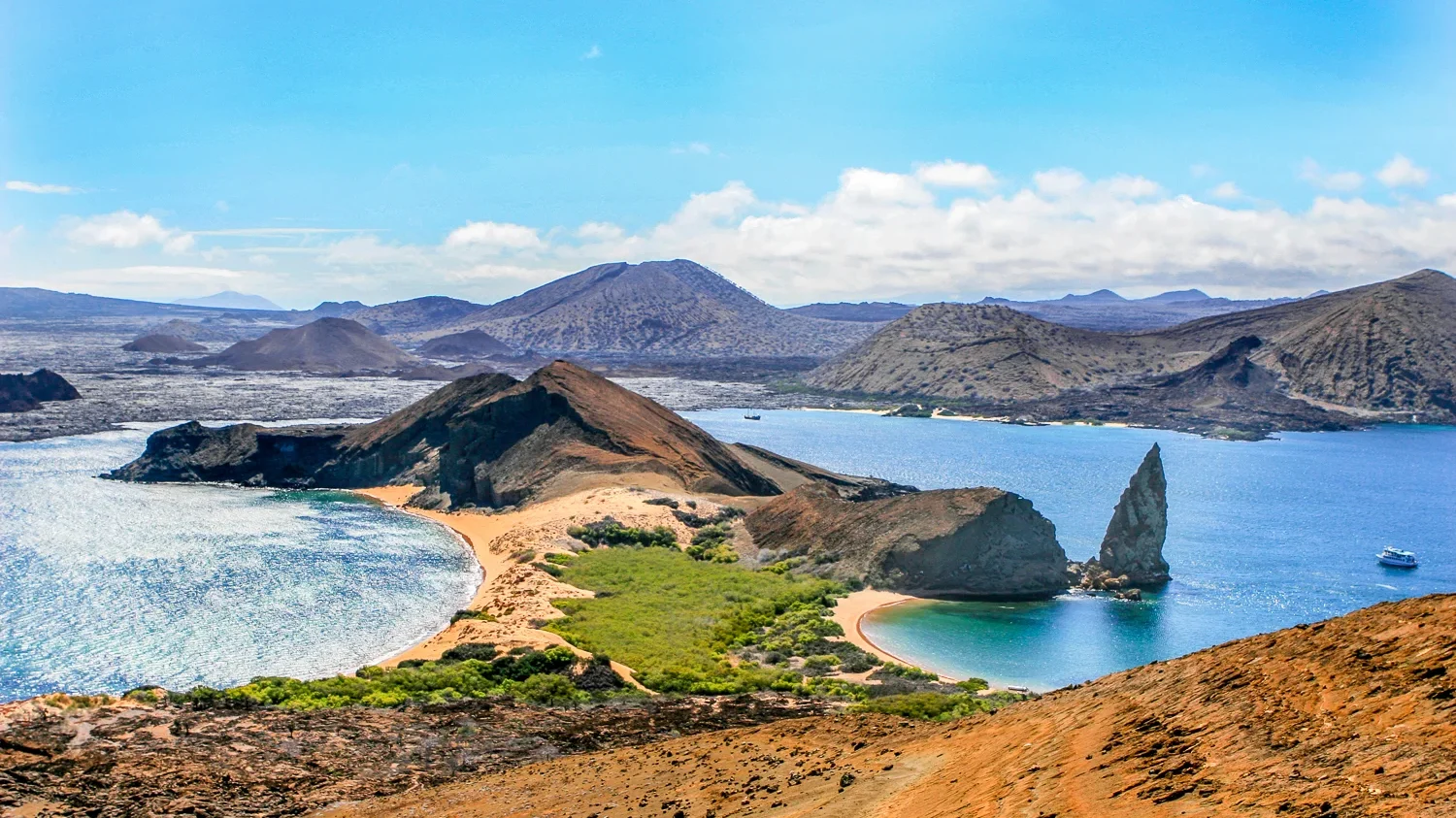
LANDED manages the entire process—vessel selection, itinerary routing, mainland extensions, flights, and all logistics.
We know which itineraries are still available and which require creative alternatives. More importantly, we know what each option is actually like to experience—not from a catalog or a call center script, but from having been there many times.