La Paz

Nuestra Señora de La Paz

The city of Nuestra Señora de La Paz is nestled in the Andes of western Bolivia.

This is high altitude living—the city famously climbs the Rio Choqueyapu Canyon from 9,800 to 13,450 feet above sea level. Its historic core and financial district are located in the lower elevations.

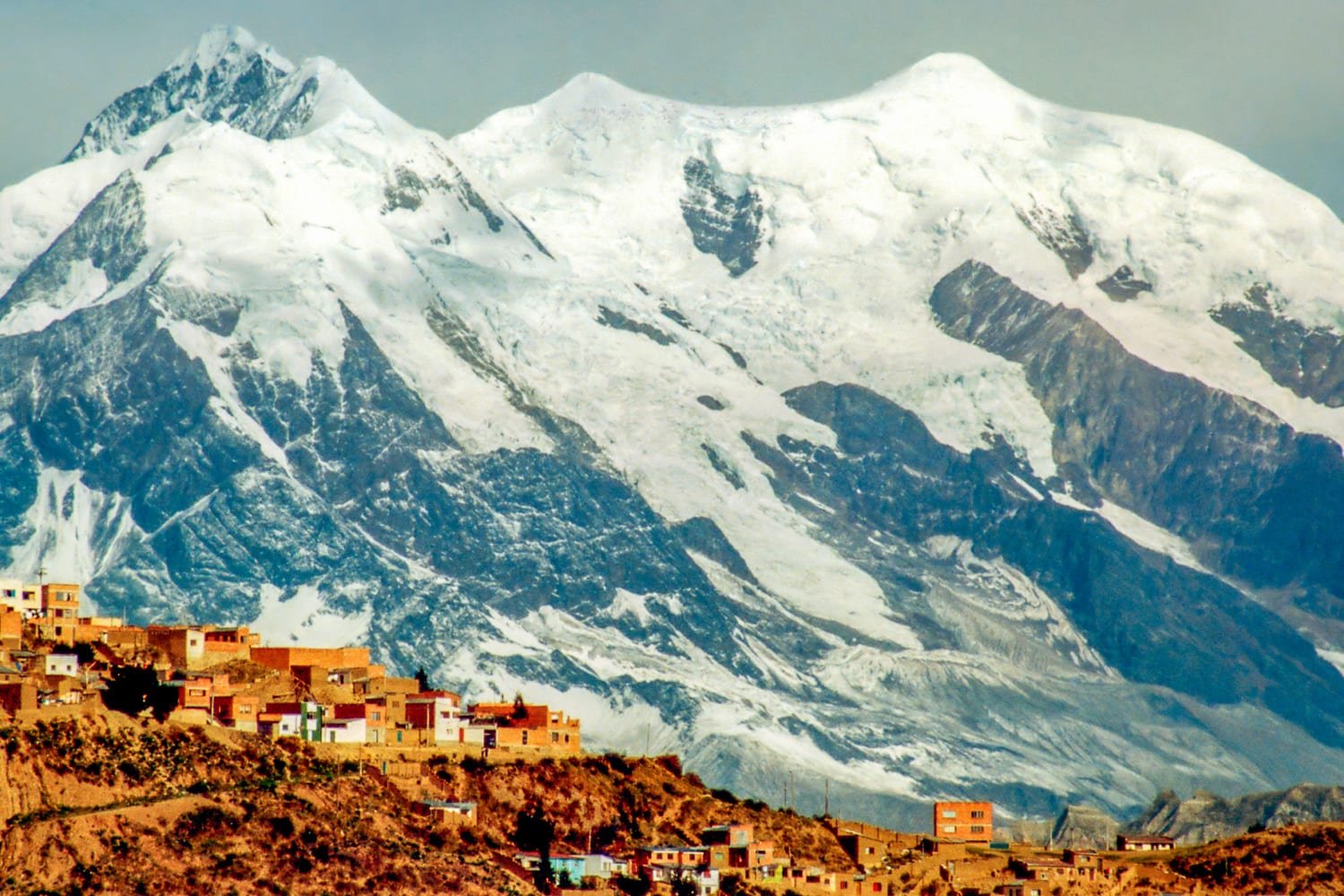
Income declines as slope increases—outward and upward from the level city center. Overlooking it all, Illimani, the guardian mountain of the city, shines under a triple-peaked crown of ice.

A cluster of vibrant orange houses with red-tiled roofs nestled at the foot of the towering, snow-covered Andes mountains in Bolivia.

Colonial Roots

La Paz was founded in its current form in 1548, on the site of an Aymara gold mining settlement. Its unusual canyon location insulates the city from the harsh Altiplano winds.

In colonial times, La Paz served as a convenient intermediate point on the journey between Spanish ports in Lima and the world’s largest silver mine at Potosi.

Today, La Paz is Bolivia’s largest urban area and its de facto capital. (The constitutional capital and judiciary are located in Sucre, 350 miles to the southeast).
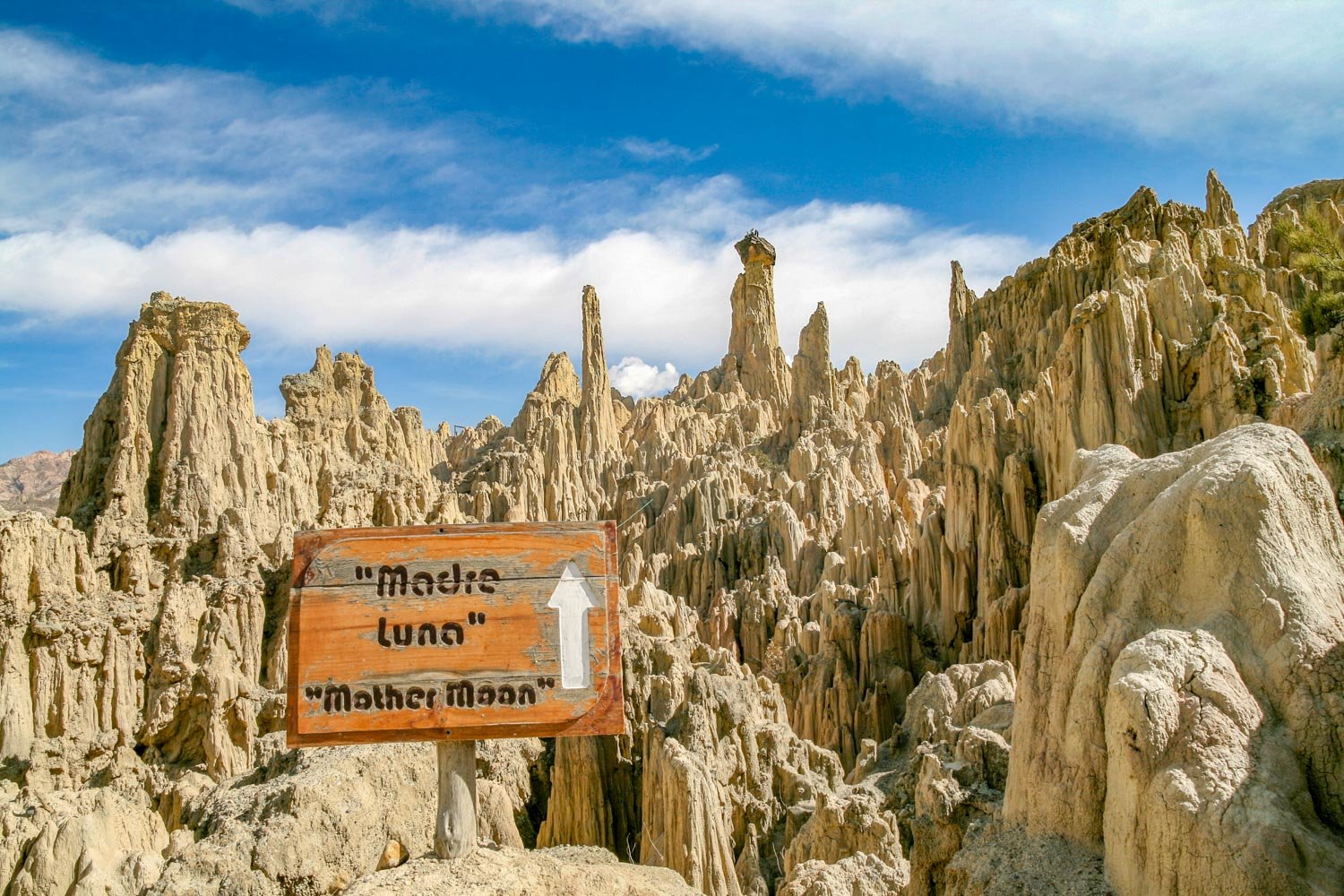
Unique geological structures of jagged clay spires and canyons in the Valle de la Luna (Valley of the Moon) near La Paz, Bolivia, with a wooden directional sign in the foreground.

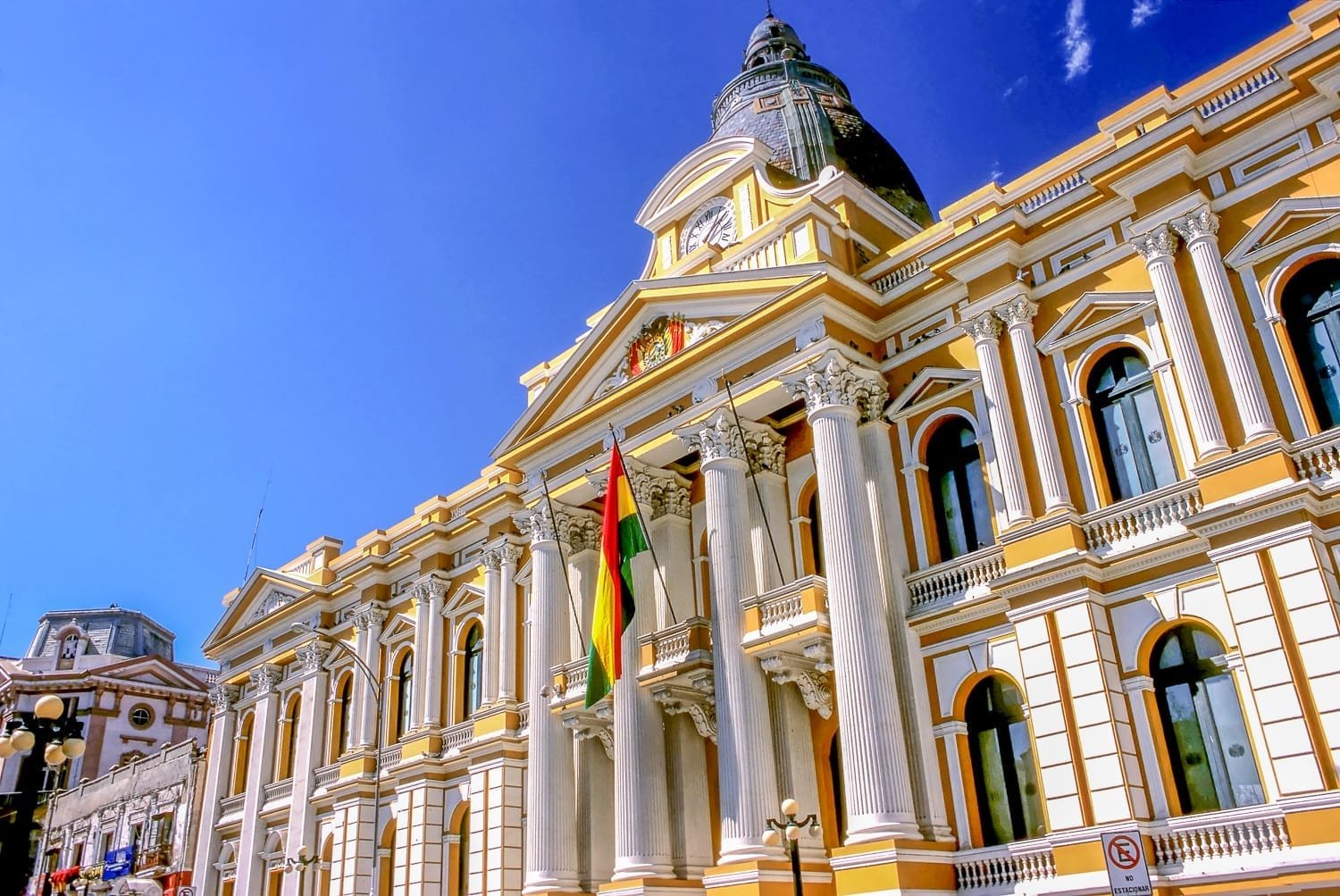
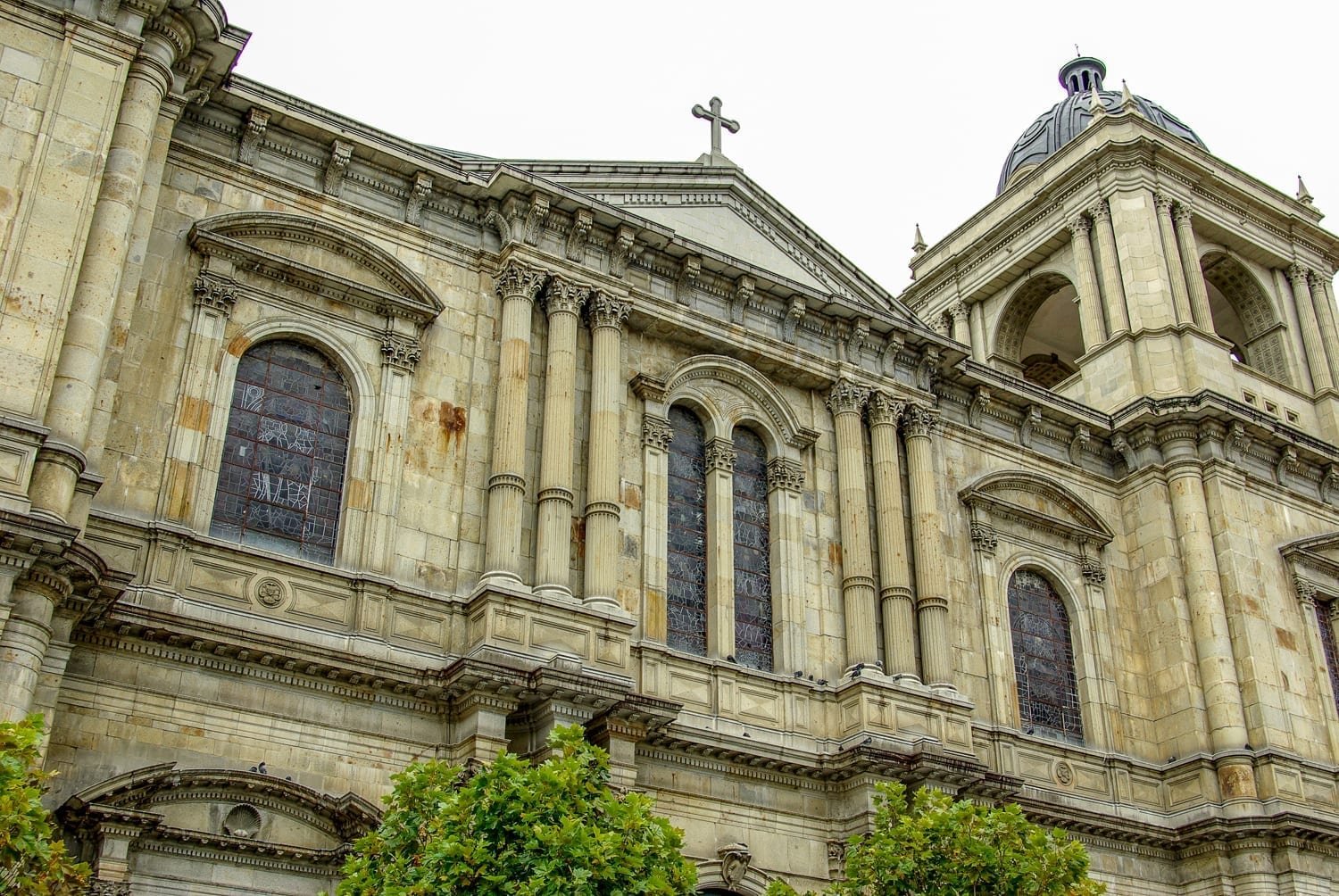
The city center is the site of the Presidential Palace, cathedral, and clusters of small museums. Our favorites include the Museum of Precious Metals and the National Museum of Archeology.

The famous Witch’s Market or Hecheria, where folk doctors dispense talismans and traditional remedies, lines Calle Jiménez in a series of jangling, palo santo-scented shops and kiosks.

Valley of the Moon and Valley of Spirits

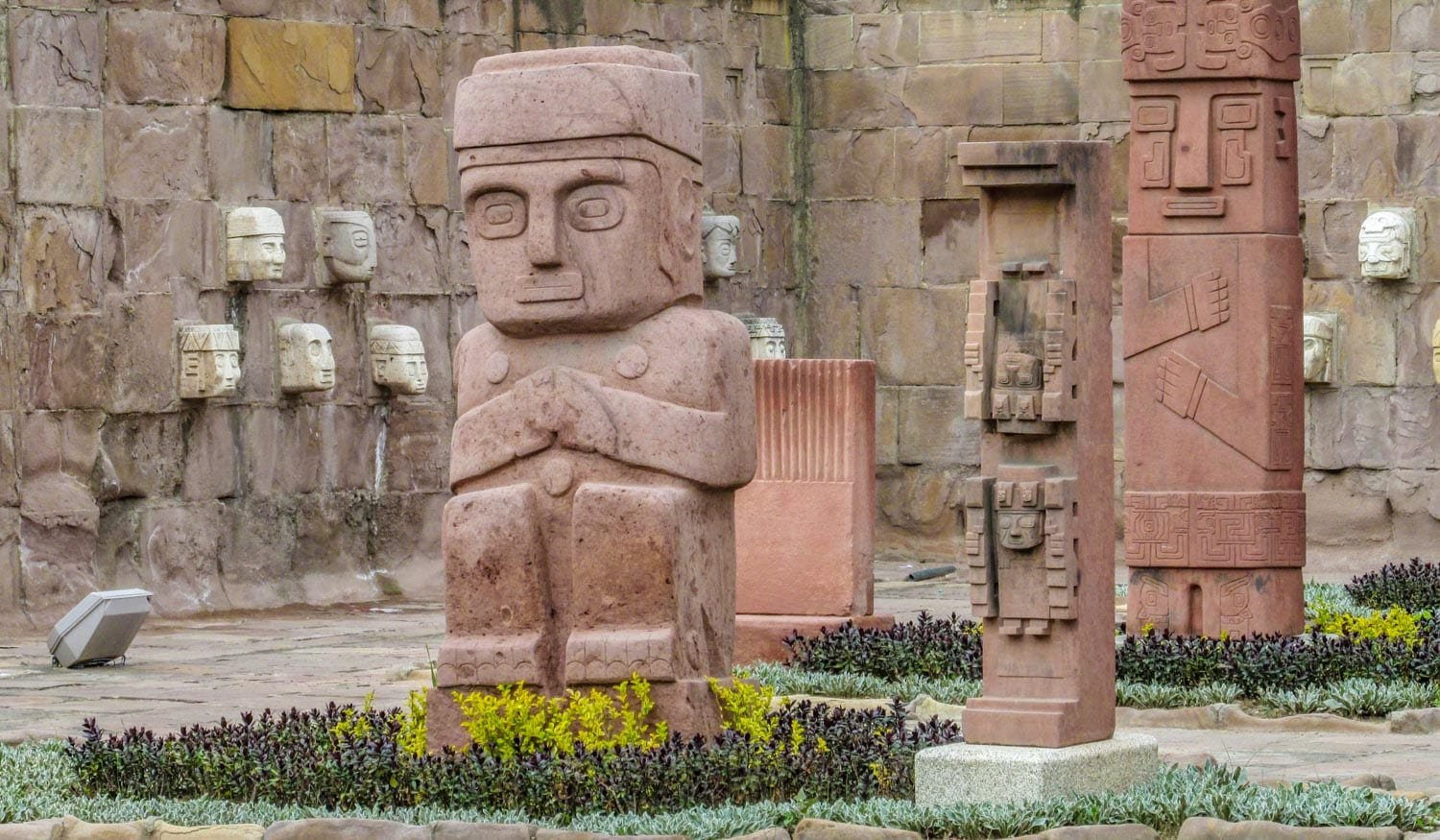
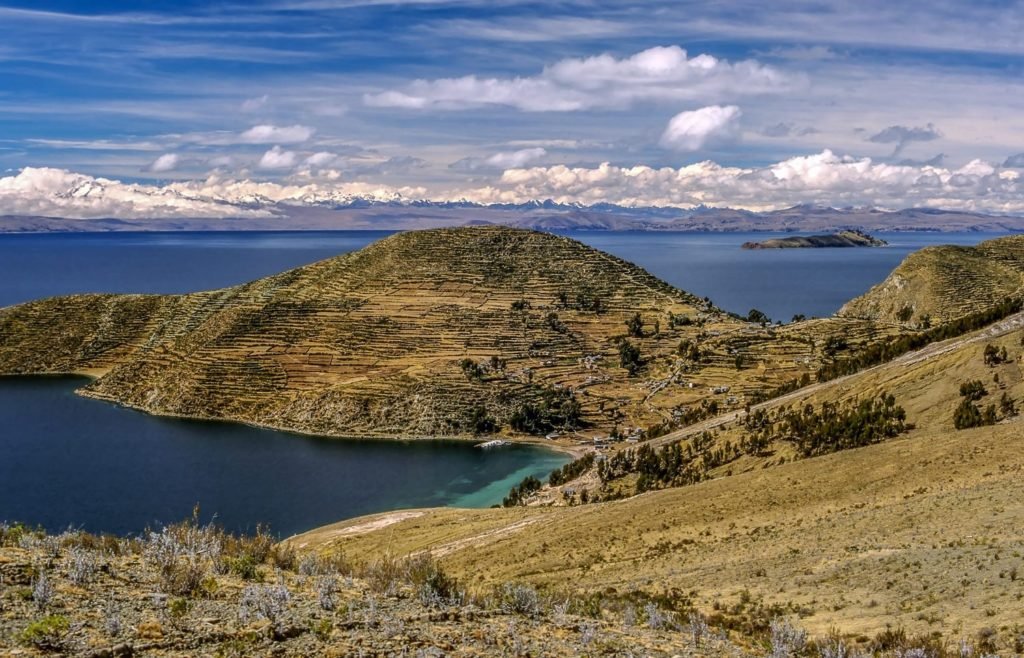
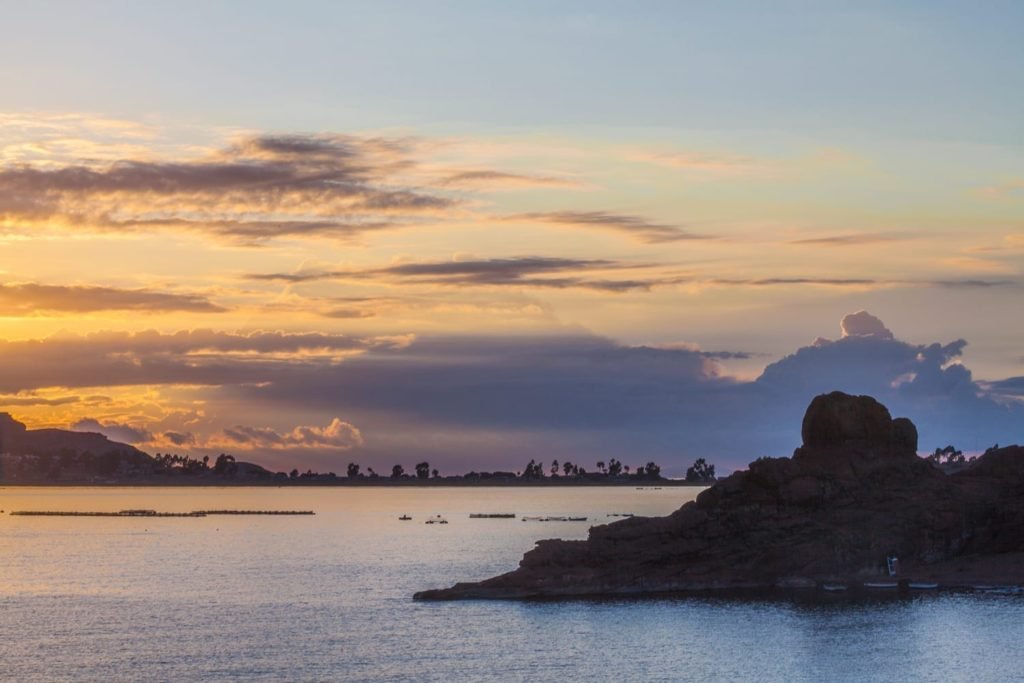
Outside the city, the Valley of the Moon and Valley of Spirits add to the peculiarity of this landscape.  Farther afield, visitors can day trip to the pre-Inca city of Tiwanaku and historic sites on Lake Titicaca.

Visitors to La Paz should allow time to acclimatize—settle in, avoid alcohol, eat moderately, and sleep well.

The Palacio Quemado (Government Palace) in La Paz, Bolivia, featuring neoclassical architecture with yellow and white facades, ornate columns, and the Bolivian national flag.

What to do in La Paz

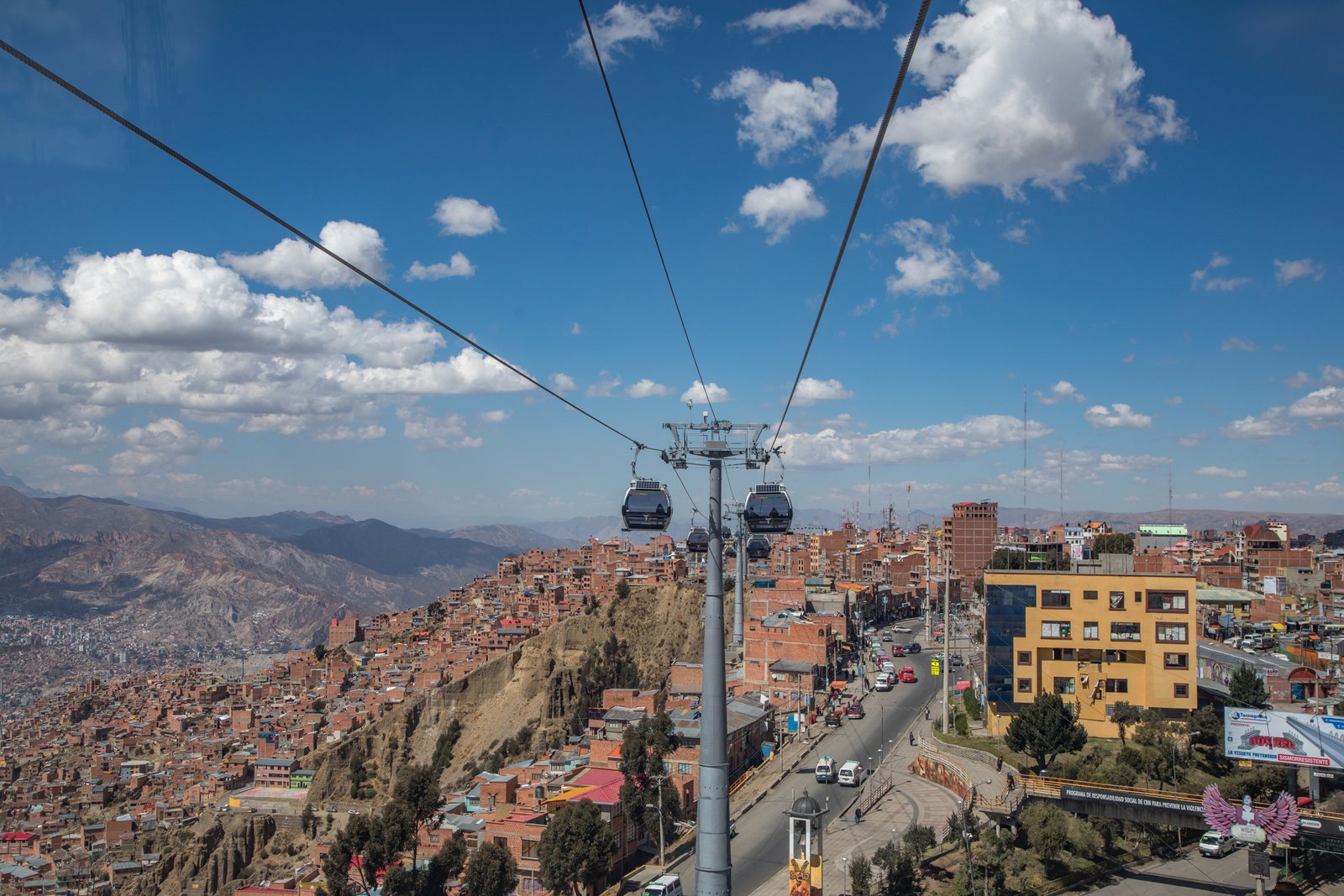
  • Aerial Cable Car Rides
  • Visits to Valle de la Luna
  • Hiking
  • Mountain Biking
  • Ruins Tours
  • Art & Design
  • Galleries
  • Traditional Markets
  • Local Coffee Tastings
  • Cholits Wrestling Shows
A close-up of several ancient stone monoliths and intricate carvings at the Tiwanaku archaeological site in Bolivia, with smaller carved heads embedded in a stone wall in the background.

What is the Weather Like?

At nearly 12,000 feet above sea level, La Paz experiences crisp, high-altitude weather. Average daytime highs hover near 60°F, while nighttime lows often dip to 35°F. The dry season, May to October, offers clear skies and brighter days—ideal for mountain views and city explorations. From November to March, afternoon rains bring greener valleys but can complicate overland travel. With strong sun during the day and chilly evenings year-round, layering is the key to comfort in La Paz.

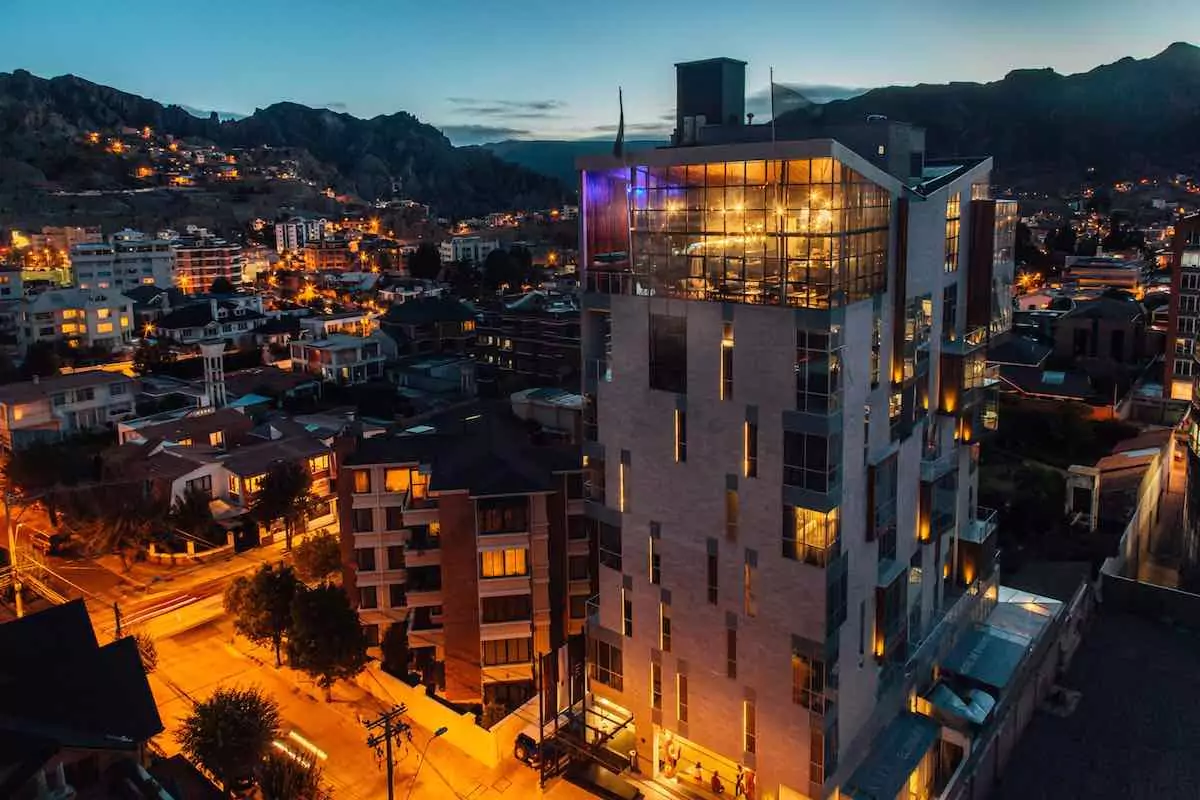
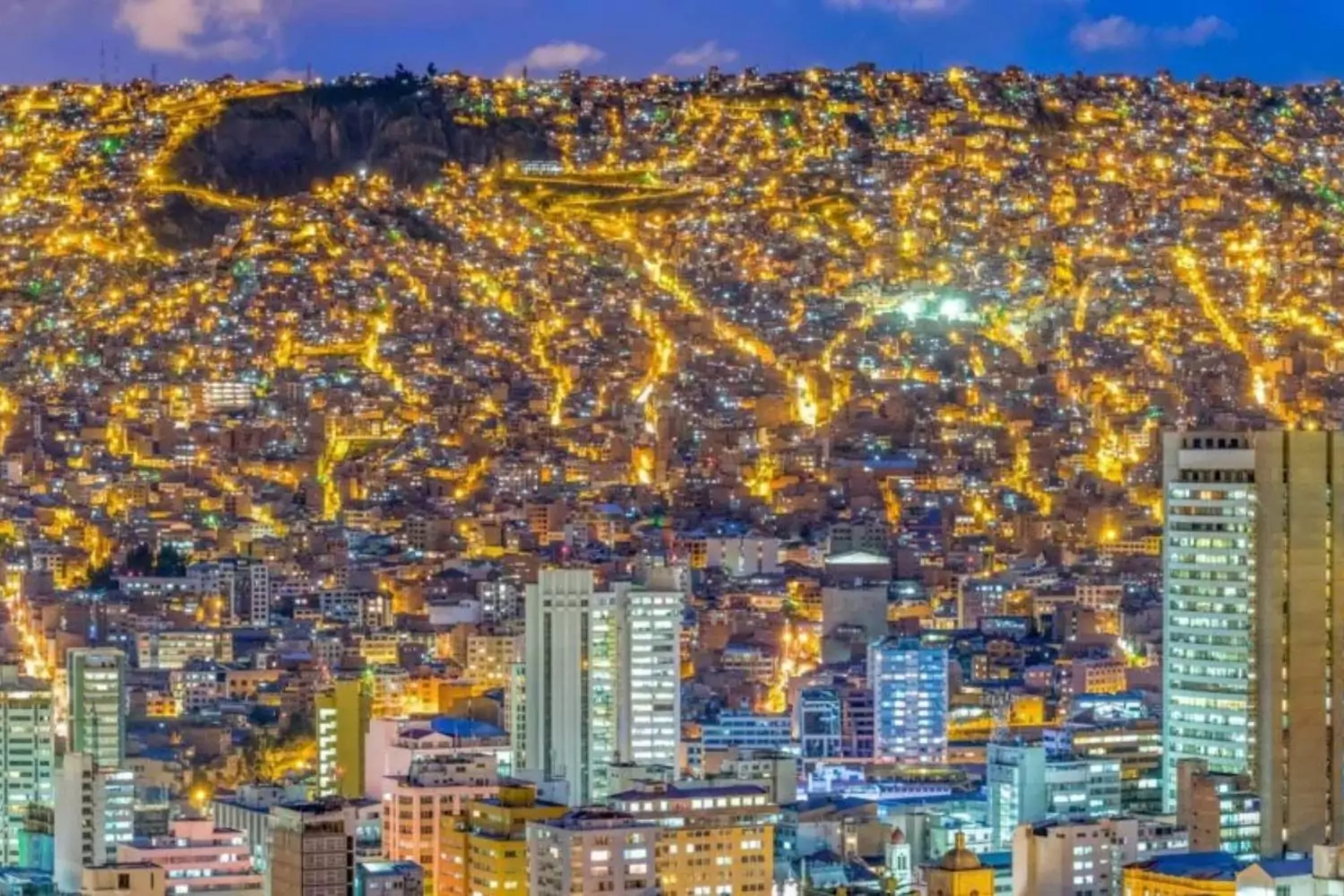
The city of La Paz, Bolivia, illuminated at night, with thousands of golden lights covering the steep hillsides surrounding the urban center.

Getting There

La Paz can be reached by daily flights from Lima, Peru (1 hour, 45 minutes). Flights to La Paz’s El Alto International Airport (LPB) from the USA usually connect in Lima, simplifying combination Peru – Bolivia vacations.

Start your journey today

LANDED delivers the finest in custom, private travel to Central America, South America, and Antarctica. These regions are our passion; we know them first-hand and by heart. Speak with one of our travel designers and let us create a tailored itinerary for you in La Paz.

How to combine La Paz

Have some extra time? Here are some options for you to combine with.