A guide to Latin America’s most awe-inspiring destinations — where the scale of the world resets something inside you, and you return home unmistakably changed.
Psychologists describe awe as the feeling that arises when we encounter something so vast — in scale, in beauty, in age, in complexity — that our existing frameworks for understanding the world simply cannot hold it. We are forced, briefly, to expand. The self is reset-—smaller, quieter, more aware-—and boundaries blur.
These ten places are among the most reliable producers of that experience on earth. They are not the most accessible places, nor the most convenient. But they are the places where we (and our travelers) have felt something unnamable — a particular quality of reorientation and reconceptualization that turns out, unexpectedly, to feel like freedom.
The Pantanal
Where abundance astonishes
Awe, researchers tell us, is triggered most reliably by vastness and the presence of life at a scale that exceeds expectation. The Pantanal delivers both simultaneously. This is a floodplain the size of France where jaguars walk riverbanks in broad daylight and hyacinth macaws electrify the air in superflocks. There is nowhere to hide from what is happening here. This world is simply too full of itself.
“The Pantanal is such an open environment. You can see so far.”
— Daniel De Granville, naturalist and wildlife guide
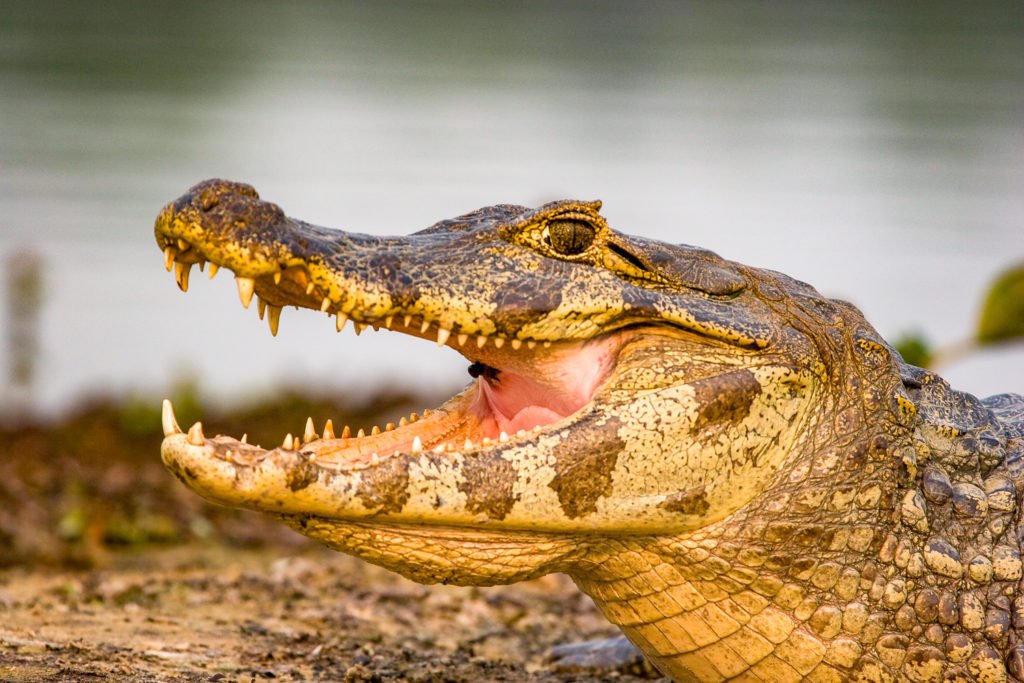
The dry season (July through October) draws the waters back and concentrates life along the remaining rivers with theatrical intensity—like those early dioramas of Jurassic life. Giant otters, tapirs, caimans stacked along every bank. Scientists measure the Pantanal’s biodiversity in statistics. Visitors measure it in the length of time they stand with their mouths open.
BEST SEASON
July – October
EXPERIENCE
Wildlife safari, river expeditions
DURATION
5 – 10 days
NO. 9 · GUATEMALA · PETÉN
El Mirador & Guatemala’s Volcanoes
The awe of civilization swallowed by time
There is a particular species of awe that comes not from nature alone but from confronting the full arc of human ambition — and its humbling impermanence. El Mirador is the city the jungle swallowed. The largest Maya megalopolis ever built, its great pyramid La Danta surpassing than anything in Egypt by volume, sits so deep in the Petén forest that access by helicopter is less a luxury than an act of honesty about the scale of what is out there. From above, the canopy breaks open without warning, and suddenly: a pyramid. Stone-grey and enormous. Still standing. Still startling.
“All this was abandoned nearly 2,000 years ago. It’s like finding Pompeii.”
— Richard Hansen, archeologist
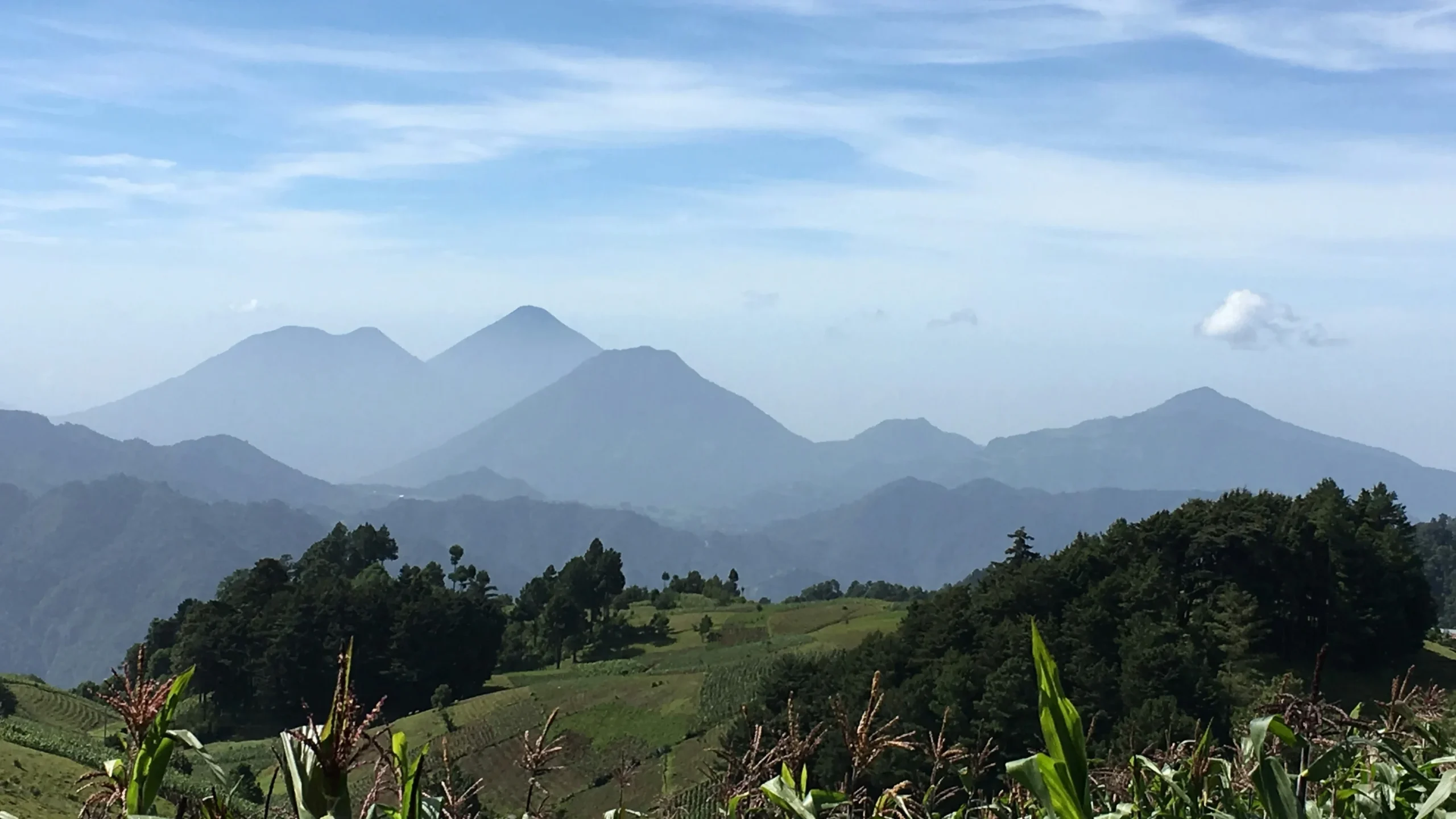
The volcanoes of Guatemala’s western highlands extend this feeling into the geological. Santiaguito smoking lazily, Acatenango close enough to feel its heat, Atitlán rising from a caldera lake of impossible blue. Awe here is layered: human ambition, then deep time, then the indifferent power of the earth itself, which was always going to outlast everything we built.
ACCESS
Helicopter charter
HIGHLIGHT
La Danta pyramid complex
COMBINE WITH
Lake Atitlán, Antigua
NO. 8 · CHILE · PACIFIC OCEAN
Easter Island
The awe of radical isolation
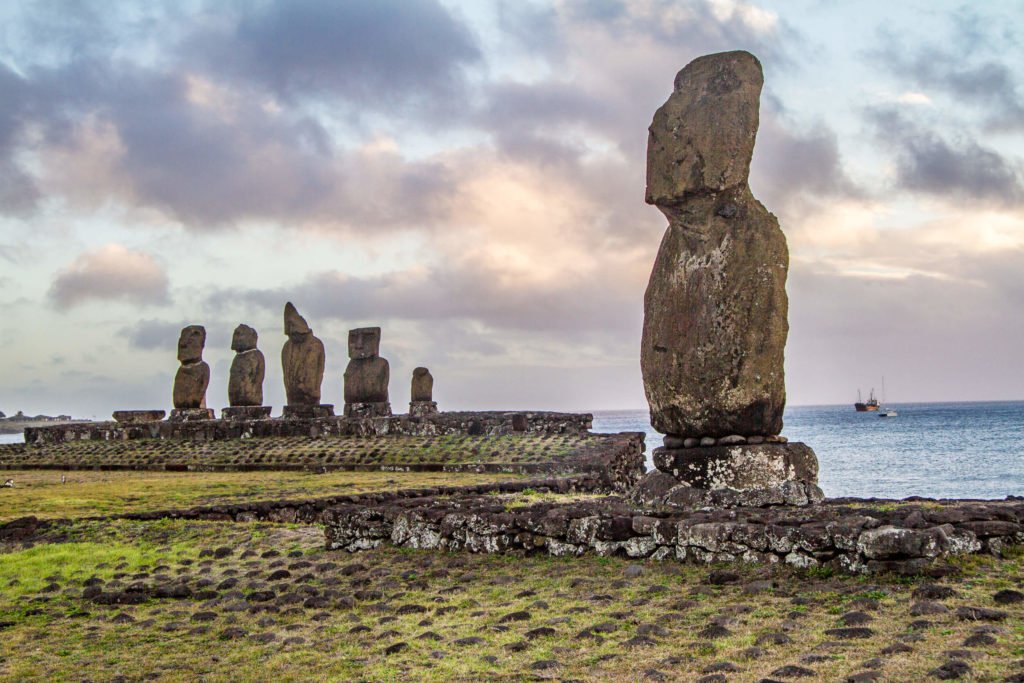
Some awe is produced by scale. Some by beauty. Easter Island produces a rarer kind: the awe of radical aloneness — of arriving somewhere so isolated that the ordinary coordinates of the world simply stop applying. You fly five hours west of Santiago across open ocean, arriving at a triangle of volcanic rock that the Rapa Nui named Te Pito o te Henua: the navel of the world. Standing among the moai at Ahu Tongariki at dawn, you understand the choice of words. Everything is centered here, and at that center is, somehow, you.
“It’s an irritating reality that many places and events defy description. For a while after, you fumble for words, trying vainly to assemble a private narrative. In the end, you’re just happy you were there — with your eyes open — and lived to see it.”
— Mark Adams, Turn Right at Machu Picchu
The quarry at Rano Raraku — where scores of half-finished statues lie scattered as if the workers simply walked away yesterday — generates its own particular awe: the unfinished work of a civilization, the question of what stopped them, hanging permanently in the air. Easter Island doesn’t answer all your questions. It deepens them.
LOCATION
3,700 km west of Chile
UNMISSABLE
Sunrise at Ahu Tongariki
STAY
4 to 7 nights to start to understand
NO. 7 · BRAZIL · PERU · COLOMBIA · ECUADOR
The Amazon
The awe of incomprehensible complexity
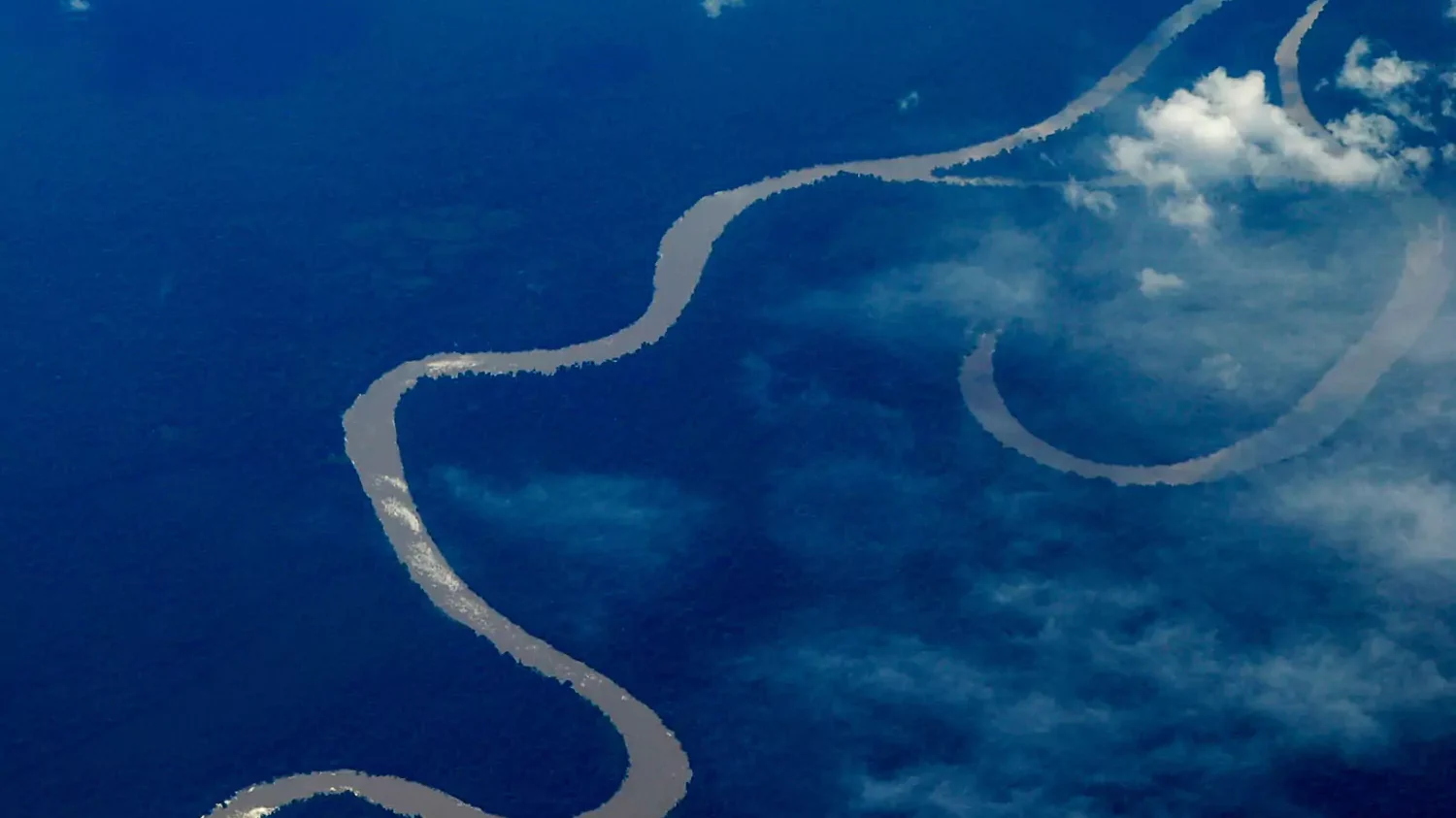
The Amazon awes through accumulation — through the gradual and relentless revelation of a system so complex, so densely interwoven, so alive in every cubic meter of air and water and soil that the human mind eventually surrenders any pretense of comprehending it. The basin holds ten percent of all species on earth. It generates its own rainfall. It is, quite literally, a world within a world, and entering it by river is less like visiting a place than being absorbed by a living thing.
“Destroying rainforest for economic gain is like burning a Renaissance painting to cook a meal.”
— E.O. Wilson, naturalist
The awe deepens with distance from the obvious entry points. Go into the Peruvian headwaters near Iquitos, into Brazil’s Mamiruá Reserve where flooded forests turn pink with river dolphins, into Colombia’s Amacayacu where the silence has a gauzy texture. Each day on the river, the noise of the world you came from recedes. Something else — infinitely older and more powerful — takes its place.
GATEWAY CITIES
Iquitos, Manaus, Puerto Maldonado
IDEAL MODE
Private river expedition
DURATION
7 – 14 days
NO. 6 · COSTA RICA · PACIFIC COAST
The Osa Peninsula
The awe of nature entirely undisturbed
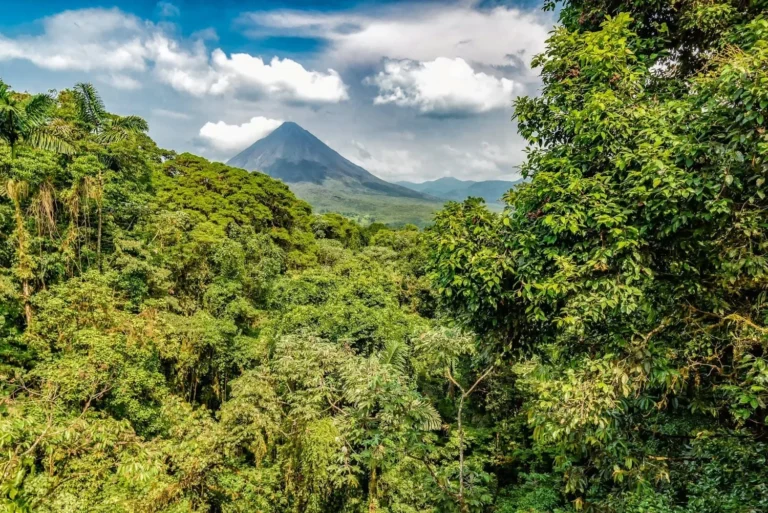
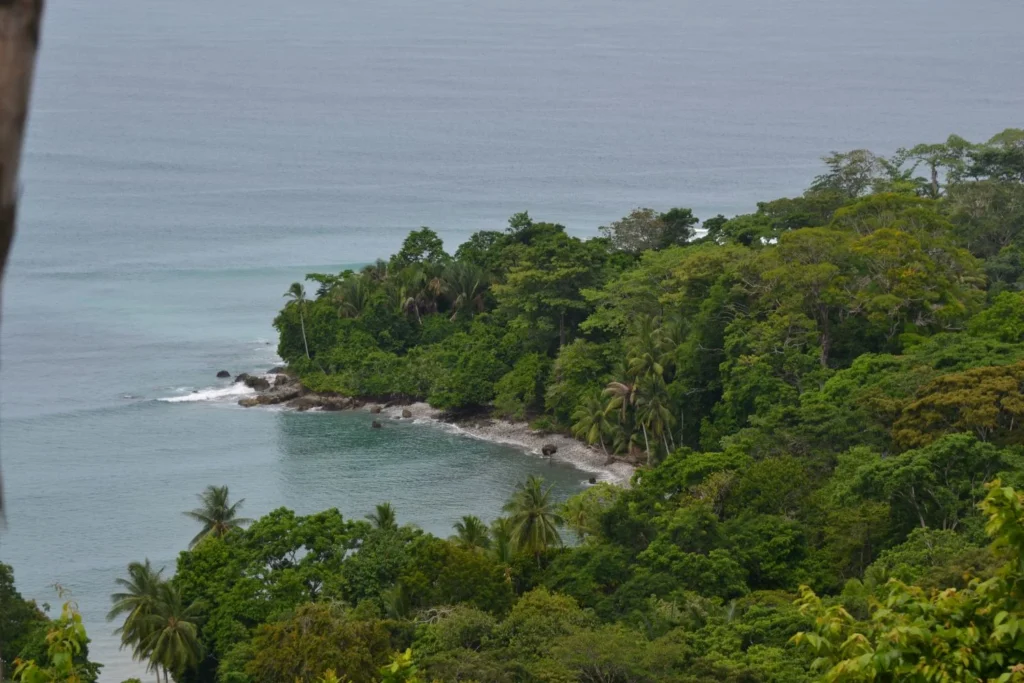
National Geographic once called the Osa Peninsula “the most biologically intense place on earth.” It is a designation that gestures, however imperfectly, at a specific quality of awe: the feeling of being surrounded by life so dense, so layered, so entirely indifferent to your presence, that you begin to sense what the world was like before human needs existed. Corcovado National Park — a cathedral of primary rainforest that has never been logged — produces this feeling with quiet authority.
“The silencing of the rainforests is a double deforestation, not only of trees but a deforestation of the mind’s music, medicine and knowledge.”
— Jay Griffiths, Wild: An Elemental Journey
Getting there requires intention: small charter planes to dirt airstrips, then boats through estuaries, then walking into forest on trails that flood in the rains. The effort is part of the experience. Awe, it turns out, is rarely found at the end of moving walkway. Tapirs cross the beaches at dusk. Whale sharks drift through the submarine gardens of Caño Island. The Osa receives you slowly, on its own terms.
ACCESS
Charter flight + boat
CENTERPIECE
Corcovado National Park
BEST SEASON
December – April
NO. 5 · PERU · ANDEAN HIGHLANDS
The Ancient Sites of Peru
The awe of a civilization that built for eternity
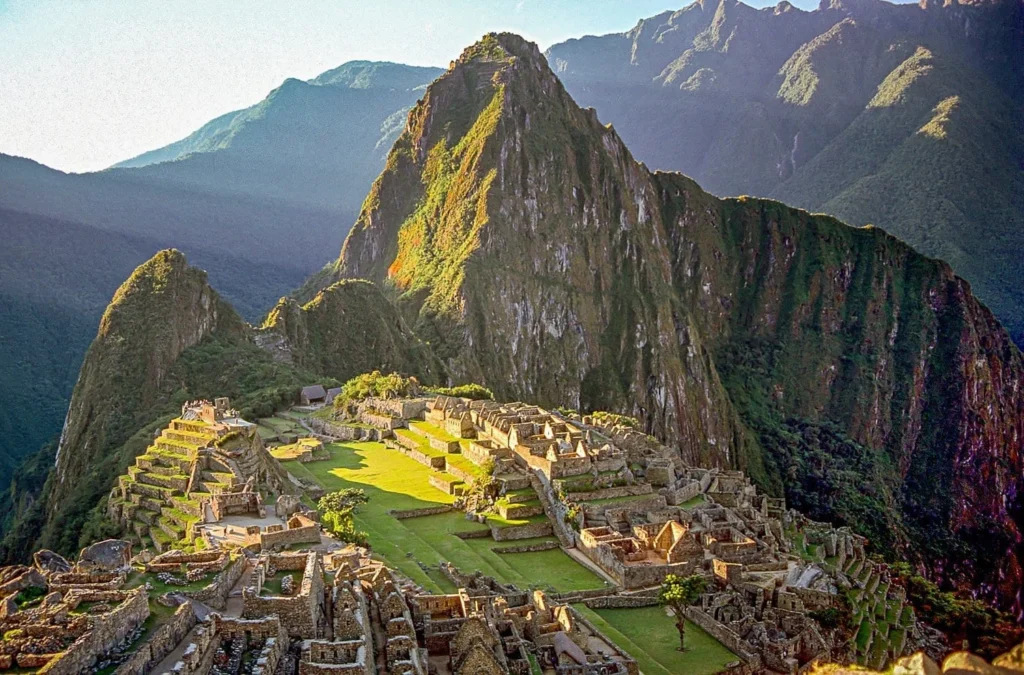
Machu Picchu is real. Even with the photographs, even with the full foreknowledge of what is coming, it arrives as a genuine shock — this enormous, precise, impossible city balanced on a saddle of cloud forest 2,400 meters above the Urubamba River. Part of what produces the awe is the sheer audacity of the act: the choice to build here, at this altitude, at this scale, with this degree of perfection. It suggests a relationship to time and permanence that modern life has largely abandoned. It’s one of the only places where the built landscape actually improves upon the original setting.
“Few romances can ever surpass that of the granite citadel on top of the beetling precipices of Machu Picchu, the crown of Inca Land.”
— Hiram Bingham, explorer
Peru’s ancient landscape extends this awe across centuries and cultures. Choquequirao — Machu Picchu’s less-visited sister city — rewards a four-day walk with near-total solitude. Chan Chan encodes the Chimu empire in sun-baked adobe geometry. Caral, on the desert coast, is 5,000 years old, contemporary with Mesopotamia. To travel Peru’s sacred sites is to stand at the edge of a civilization’s ambition, and feel the full weight of what human beings are capable of when they decide to build something meant to outlast them.
UNMISSABLE
Machu Picchu, Choquequirao
HIDDEN GEMS
Chavin de Huantar, Kuelap
BASES
Cusco, Chachapoyas, Huaraz, Lima
NO. 4 · ECUADOR · PACIFIC OCEAN
The Galápagos
The awe of seeing yourself in Eden
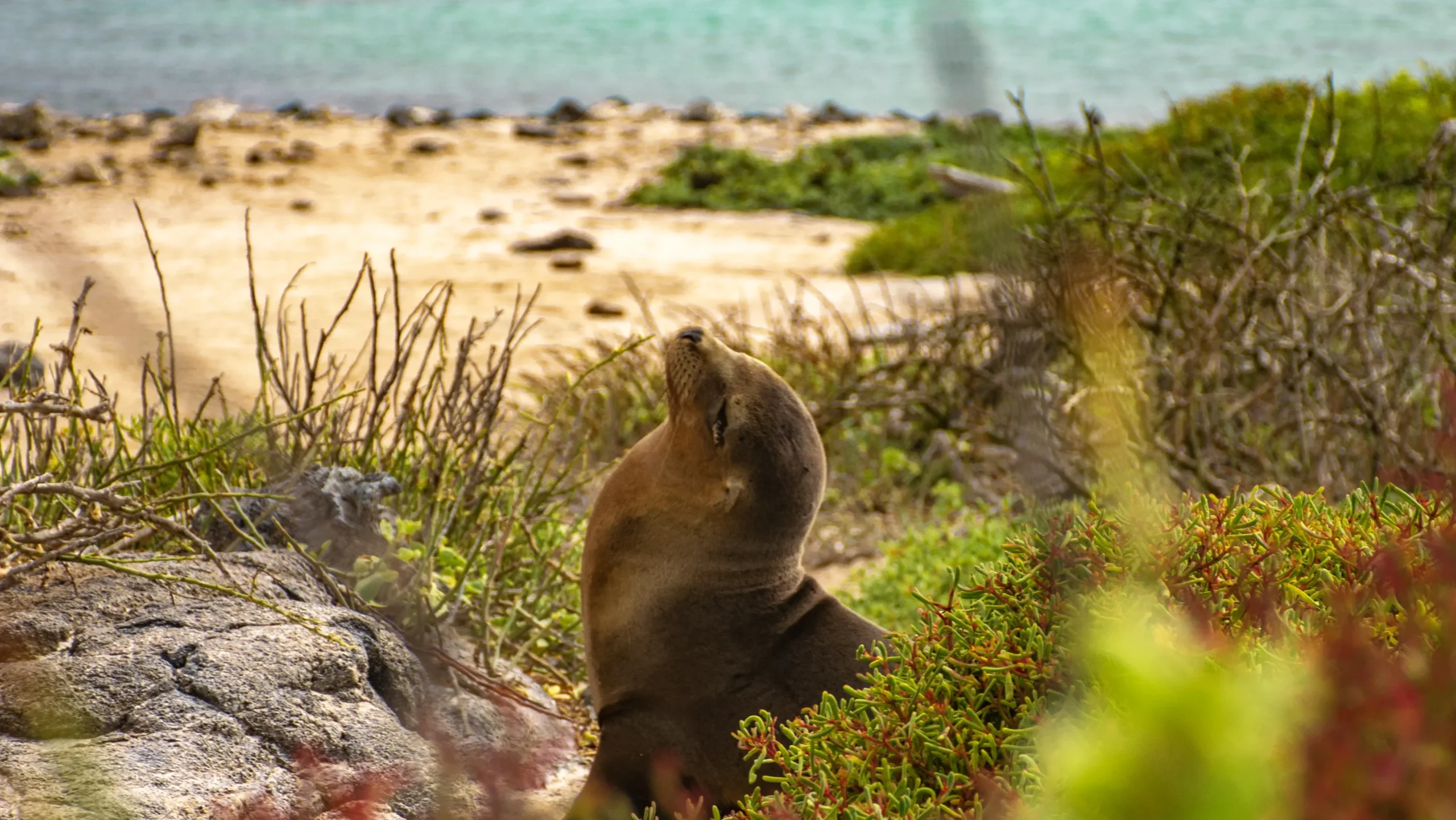
The Galapagos produces a very specific kind of awe — one rooted not in scale but in strangeness. The animals here have no learned fear of humans. The marine iguanas ignore you entirely. The blue-footed boobies perform their courtship display two feet from your face. The Galapagos hawk perches on the nearest rock and simply watches. What makes this extraordinary is not the proximity itself but what it implies: that fear of human beings is a learned response, not a natural one, and that the relationship between our species and all others was not always what it has become.
“The natural history of this archipelago is very remarkable: it seems to be a little world within itself.”
— Charles Darwin, The Voyage of the Beagle
A liveaboard expedition of seven to fourteen nights allows access to the outer islands — Fernandina, Española, Genovesa — where the Galápagos reveals itself most fully. Snorkeling with penguins and hammerhead sharks on the same dive is a very particular cognitive vertigo. The islands do not let you stay comfortably inside your assumptions about how the world is arranged.
BEST ACCESS
Liveaboard expedition
OUTER ISLANDS
Fernandina, Española
DURATION
7 – 14 nights
NO. 3 · BRAZIL · ATLANTIC OCEAN
Fernando de Noronha
The awe of a world held carefully in reserve
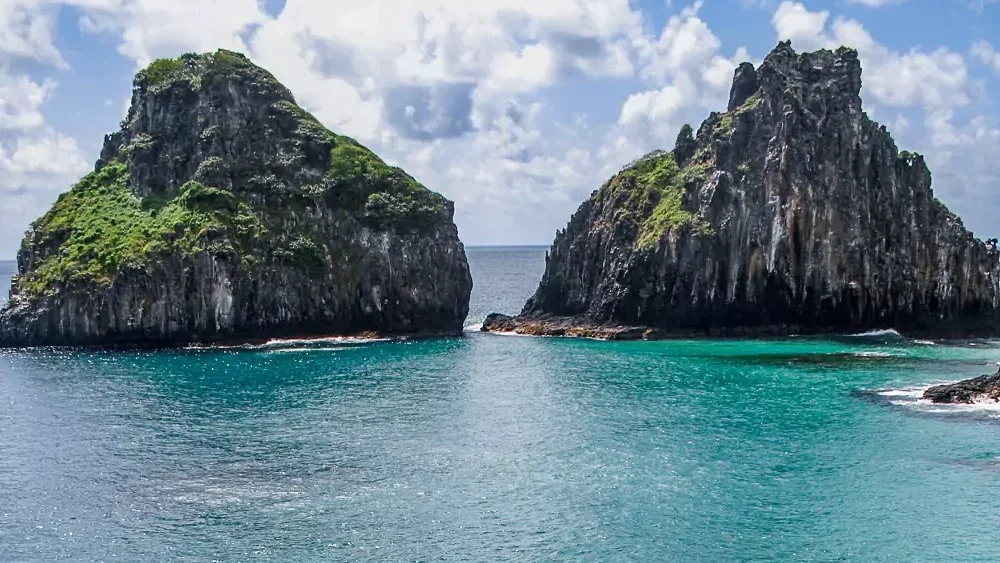
Fernando de Noronha produces awe through contrast — the sudden, startling discovery that something this pristine still exists. A flight from Recife or Natal delivers you to a volcanic archipelago 350 kilometers out into the Atlantic, where the Brazilian government limits daily arrivals and charges a preservation fee that increases with each day you stay. The bureaucracy is a kind of declaration: this place has been decided to matter. Arriving, you understand immediately why.
“It’s almost impossible to exaggerate the sheer spectacle of the place.”
— Mark Carwardine, zoologist and wildlife writer
The marine environment here is among the finest in the South Atlantic — thirty meters of visibility, sea turtles nesting on the beaches, spinner dolphins arriving each morning in Baía dos Golfinhos by the hundreds. Baía do Sancho, reached only by a metal ladder bolted into a cliff face, is consistently ranked among the world’s most beautiful beaches. There is an awe specific to beauty that has been protected, to discovering that some things were, in the end, saved.
ACCESS
Flight from Recife or Natal
BEST BEACH
Baía do Sancho
NOTE
Daily visitor cap in place
NO. 2 · ARGENTINA · CHILE · TIERRA DEL FUEGO
Remote Patagonia
The awe of a landscape that doesn’t need you
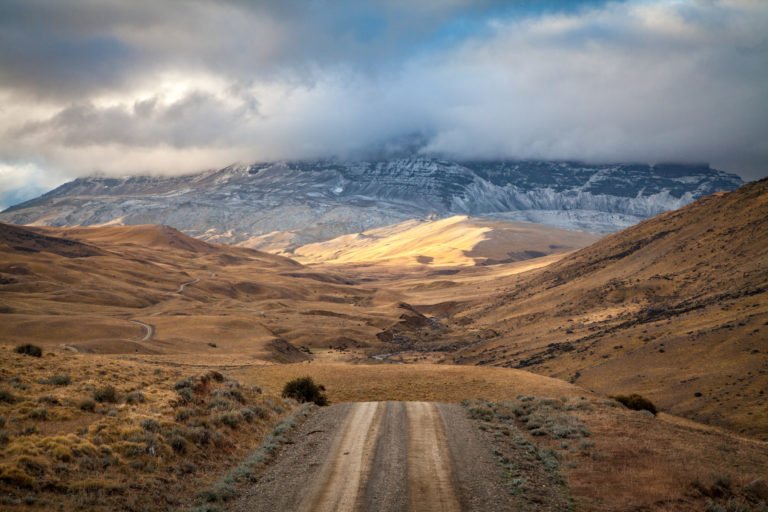
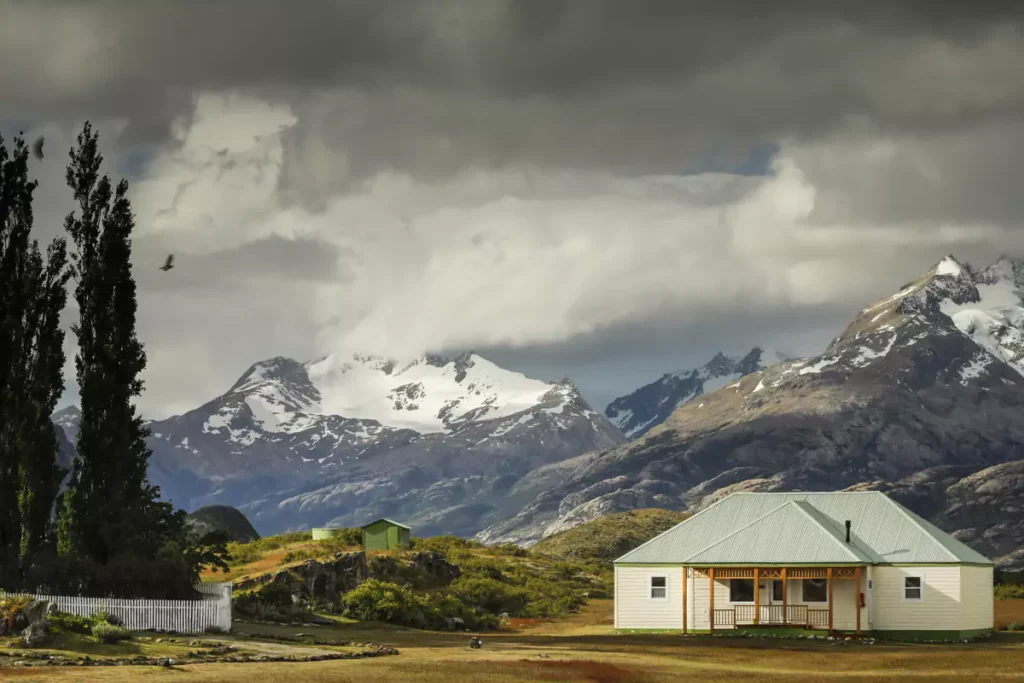
Patagonia generates a particular species of awe — one that is not entirely comfortable. It is the awe of a landscape that is utterly indifferent to human presence: vast, weather-hammered, ancient, and entirely uninterested in making itself legible or convenient. The places worth reaching are not the famous ones. They are the places that require a small plane, a fishing boat, a horse — places without mobile reception or a defined path, where the wind has been making the same sound for ten thousand years and finds no reason to stop on your account.
“In Patagonia, the isolation makes it easy to exaggerate the person you are: the drinker drinks; the devout prays; the lonely grows lonelier, sometimes fatally.”
— Bruce Chatwin, In Patagonia
Seek Estancia Cristina in the Los Glaciares backcountry, reachable only by lake crossing. The Carretera Austral in Chilean Patagonia, where the road runs out and the wilderness simply begins. The great glaciers of the Southern Ice Field, calving silently into lakes of milky turquoise. Patagonia’s awe is the awe of scale that the self cannot match — and the strange freedom carried by existing among wild vastness.
GO BEYOND
Torres del Paine
SEEK OUT
Carretera Austral, Cristina
SEASON
November – March
NO. 1 · ANTARCTICA · DRAKE PASSAGE · CAPE HORN
The Drake Passage & Antarctica
The purest awe on earth
Researchers who study awe describe it as the feeling that arises when we encounter something so far beyond our ordinary categories of understanding that we are forced — briefly, involuntarily — to revise our sense of what is possible. Antarctica is the most reliable producer of this experience on earth. The Drake Passage crossing — 800 miles of open Southern Ocean, the only sea that circles the globe without interruption — begins the process. Three days of ten-meter swells and no horizon except water teaches the body something the mind cannot be told: what smallness actually feels like.
“We had seen God in His splendors, heard the text that Nature renders. We had reached the naked soul of man.”
— Ernest Shackleton, South
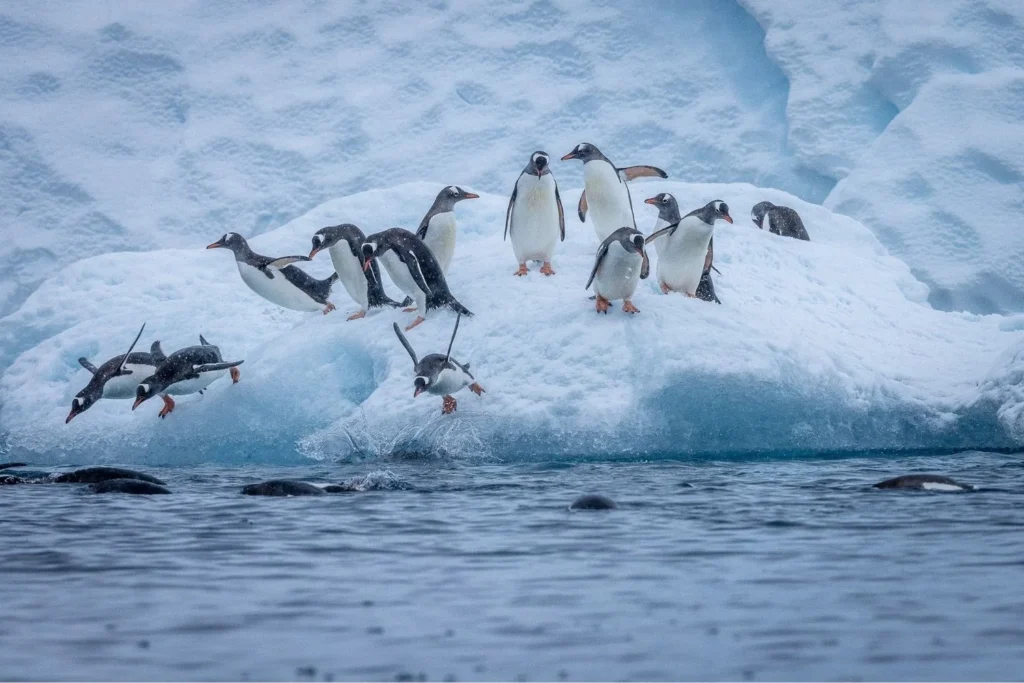
And then the continent. The first iceberg. The first tabular shelf calving silently into the sea. The first Zodiac landing — boots on black volcanic shore — among ten thousand penguins who register your arrival with squawking indifference. Antarctica is the only place on earth without a history of human conflict. It has no indigenous people, no history of ownership, no old wounds. It is, against all odds, innocent — and standing inside it, you feel with great clarity what the rest of the world has already lost, and what it might still, if it chooses, become.
This is not the top of a list. This is where lists become inadequate, and something else takes over.
DEPARTURE PORT
Ushuaia, Argentina
CROSSING
2 days each way
VOYAGE
9 – 21 days total
“Awe is the beginning of wisdom, the beginning of insight into the nature of reality.”
— Heschel
Researchers at the Greater Good Science Center describe awe as one of the most transformative emotions available to human beings — one that reduces self-focus, increases curiosity, and produces a lasting shift in how people understand their place in the world. You don’t need a study to know this. Instead, you can stand on a glacier and feel it moving beneath you, or watch a jaguar turn its amber eyes toward you across a Pantanal riverbank, or see Antarctica appear on your horizon for the first time after a Drake Passage initiation.
These ten places are not simply beautiful. They are reliably, repeatably, profoundly awe-inspiring — in ways that tend to persist long after the journey ends. Travelers return from them quieter, more curious, more empathetic, and more committed to protecting what they saw. That, we think, is reason enough to go.
We help you plan journeys designed around experiences of genuine awe. Ask us how.