Podcast: Play in new window | Download
Subscribe: Apple Podcasts | Spotify | TuneIn
LANDED Podcast 014
Max Broquen & VIK Retreats
Maximiliano (Max) Broquen is my Argentine brother. On the long list of People in Latin America to whom I Wish I Were Related, Max is topmost. I admire his character, vision, temperament, and commitment.
Max is a talented project manager, thinker, administrator, and deal-maker. His first big opening was the Faena Hotel Buenos Aires in 2004. Today he serves as Managing Director of Vik Retreats. When he’s not on property, you can find Max kite surfing, playing fútbol, or spending quality time with his son and daughter.
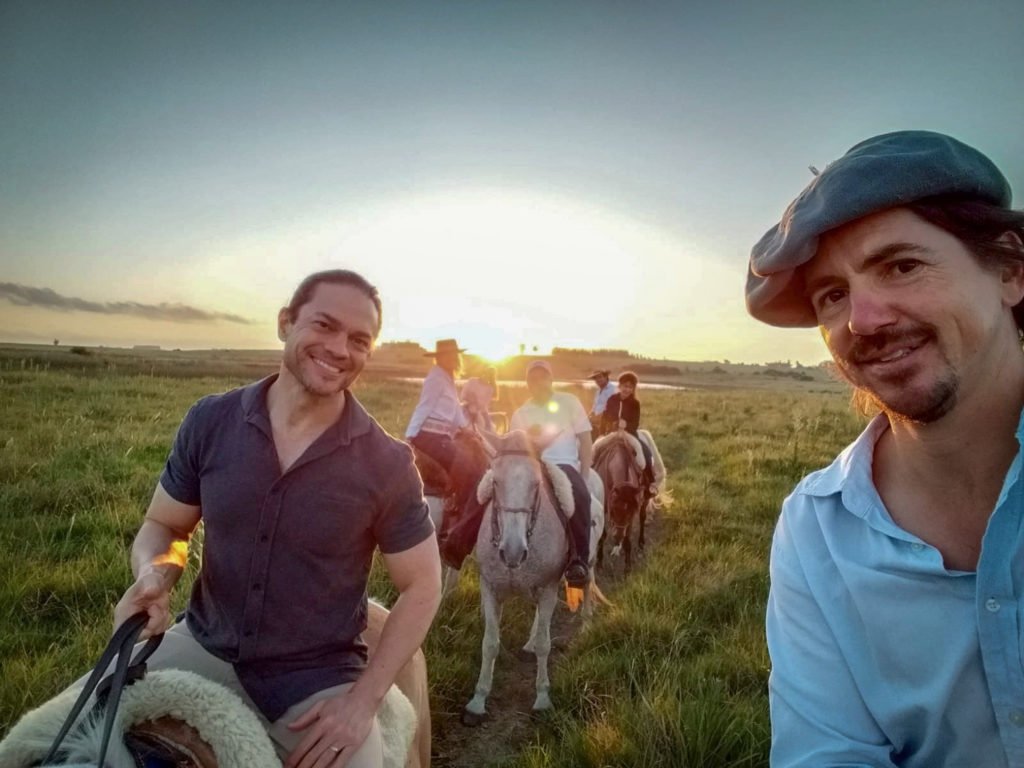
Erynn and I met Max at a travel trade show in Florianópolis, Brazil in 2009—the same year Estancia Vik opened. Since those early days with Vik Retreats, he’s helped launch two hotels and a restaurant on Uruguay’s eastern shore; opened a world-class wine lodge outside Santiago, Chile; and overseen the renovation of the Vik’s largest hotel—Vik Galleria Milano—in the heart of Milan, Italy.
Max and I meet up regularly, usually in Buenos Aires, but sometimes in places as varied as Morocco or Miami. We have dinner or lunch together, talk about work and family, and dream-sketch projects and adventures.
We spoke just after the close of Uruguay’s peak season, while Max was at home in Punta del Este, Uruguay.
Max Broquen, it’s been too long. How have you been?
Max: Hi, John. I am fine. How are you?
Are you in Uruguay today?
Max: I am, yes.
In La Barra?
Max: I am in Punta del Este right now.
And it’s a Saturday. You got plans to do some soccer or go kitesurfing today?
Max: Oh yeah, yeah. It’s Saturday, and I usually play soccer in the afternoon in the seniors league here in Maldonado.
The seniors league? What are you talking about?
Max: That’s correct. I play with older people, but not that old, so I need to be trained.
You and I, I think we first met in like 2009 in Florianópolis. You remember?
Max: Yeah, that’s correct. I remember you and Erin, you were buying some properties or at least knowing some properties in South America. And it was one of our first travel shows where we have Estancia open and we were trying to get Uruguay onto the map of some travel agents. But you knew where Uruguay was. I was impressed for that.
If I’m not wrong, 2009 is the same year that Estancia Vik opened, right?
Max: Yeah, that’s correct. We had a soft opening in December 2008, but we started getting real guests by January 2009.
Let’s go back for a minute. You’re Argentine.
Max: I am, yes.
Are you from Buenos Aires?
Max: Yeah, I am a real Porteño.
But you escaped, and you’ve been in Uruguay for, it seems like, at least 10 years.
Max: Yeah. I was born in Buenos Aires. I was educated in Buenos Aires, but I started working in the hotel industry when I was 20 years old. And after like three or four years of paraje in Buenos Aires, I realized that I didn’t want to be in a city hotel. So I moved down to Patagonia, and I managed a hotel there called Las Balsas. And from that time, I always kept going back to Buenos Aires, where my family is. That’s my hometown. But I really prefer to live and work in places where you can have a better life—more space, whales, mountains, water, I don’t know.
Better for your kids, too.
Max: Yeah.
We just left our city home, and we’re in the process of planning something pretty wild and free.
Max: That’s interesting. If you’re thinking wild, keep Uruguay in mind because it has everything. So, I came to Uruguay in 2008, in the middle of 2008. It has been like 14 years now. And I came with my kids. They were two and three years old. Now they’re close to finishing high school and going to the university. So times are changing. And I now choose Uruguay. Uruguay chose me at the beginning, and now I choose Uruguay. And it’s the perfect place for us to live.
If you were talking to someone who’d never been to Uruguay, what would you tell them? Why should they come?
Max: Uruguay is this small country in between two giants like Argentina and Brazil. Uruguay has—I am not sure how many, but hundreds of miles of beach and oceanfront, virgin sandy beaches and resorts. Uruguay is the place that Argentinians and Brazilians choose for their holidays. Uruguay is safe. It has educated, friendly people who love to welcome and serve friends and foreigners. And it has ocean; it has lakes. It’s a developing country; it has a very stable government, 3 million people, 12 million cows. It’s a perfect place to come to visit, to live in, to spend, I don’t know, six months during the winter—our summer—and it’s beautiful.
So, Max, what brought you to Uruguay was work, but before you began working with the Viks, you were working with Alan Faena. You helped develop that first Faena Hotel.
Max: Yes, I did. By that time—I am trying to think, but it was in the beginning of 2000, 2003, I will say—I was living in New York, and I received this call from Massimo Ianni, who is, for me, one of the best hoteliers in the world, an Italian, very interesting guy, who was living in Argentina by that time, leading this Faena hotel development. And he called me to help him open that property that was in a ghost town then, which is now Puerto Madero, and I moved back to Argentina.
So that project, very successful, led to the opening of another hotel in Miami. What did you take from that experience?
Max: That’s an interesting question. As I said before, when I arrived at this construction site where the hotel was going to be built, I found a ghost city. Again, I was coming back from New York. So I didn’t know Puerto Madero. Even being from Buenos Aires, I didn’t know there was a development there.
No, it was back then, it was abandoned sort of dockyards, warehouses.
Max: Absolutely.
No reason to go there.
Max: Yeah, it was a storage of grains because it’s very close to the port. So they have these big buildings full of food, but there was nothing more.
And what I take from Alan mostly is his vision, his passion. He’s also from the fashion side of the business, but he really envisioned that he could do something spectacular in this little town. And I think he did something similar in Miami. I’ve been to the hotel a couple of times, but I don’t remember that area as a hotspot before.
So he really gets into these pieces of land where he can develop his dreams and he makes it happen through a lot of passion. And he’s a tough guy who goes after his dreams until they’re completed.
So coming off development of Faena, you were with that hotel for how long? Maybe five years?
Max: I would say three and a half.
And you meet Alex and Carrie Vik.
Max: So after I left Faena, I thought I had enough of hotels. So I wanted to do my own thing and I started my own company in Argentina. In that time, I had my second kid, Uma. And we bought a house outside the city of Buenos Aires. And I started doing some feasibility studies for new hotel developments. I started helping some small hotels to be successful. And that was a small company that ran for, let’s say, a year and a half. It was going pretty well, but in the middle of that, I received a call from a headhunter in New York who told me about this project in Uruguay that was going to be amazing, that it was a family half from America and half from Northern Europe—from Sweden and Norway. So at the beginning I didn’t want to leave what I was constructing in Argentina, but I took the chance and I took that plane ticket that they bought for me, and I came to José Ignacio and I loved the idea. So I came back with Natalia and we started looking for schools for the kids, and that’s how the whole story began.
So it’s probably 2007 or so.
Max: Yeah, I would say the negotiation started by the end of 2007 and I moved to Uruguay by the middle of 2008.
Yeah. And Estancia Vik, that was about a year and a half maybe of your involvement in development before opening in early ’09.
Max: I think it was less than that. I arrived to Estancia to work there by the middle of 2008. Most of the hard work in the construction was done. The whole idea at the beginning was to build their own family home for the winter. Alex Vik’s mother, Susana, was Uruguayan, and Alex started coming to Uruguay to meet part of his family back in the ’90s. And he wanted to buy a piece of land where he could be with his family close to the ocean, but also in this country setting where he could ride horses with his family. So he and Carrie started searching for a property and that’s how they found Estancia in José Ignacio, which is only five miles from the beach.
Yeah. I’ve heard him call it “Wyoming meets Saint-Tropez.”
Max: Yeah, yeah, they usually say that. And again, it was a home project from the very beginning. When I got involved, it was because they realized that it was going out of scale somehow and they were going to use it only a few days a year. So they asked me to transform that into a guest house, but always keeping that sense of being in someone’s home. So that was the conception of the whole idea. And going back to what you just said, where Wyoming meets Saint-Tropez made us buy and build another property on the beach, which is Playa Vik today.
You needed the Saint-Tropez portion. I mean, back in that time, there wasn’t a comparable property on the beach. So Playa Vik opened in December 2010. You’re working with the architect; you’re working with the artists from the inception. Is that right?
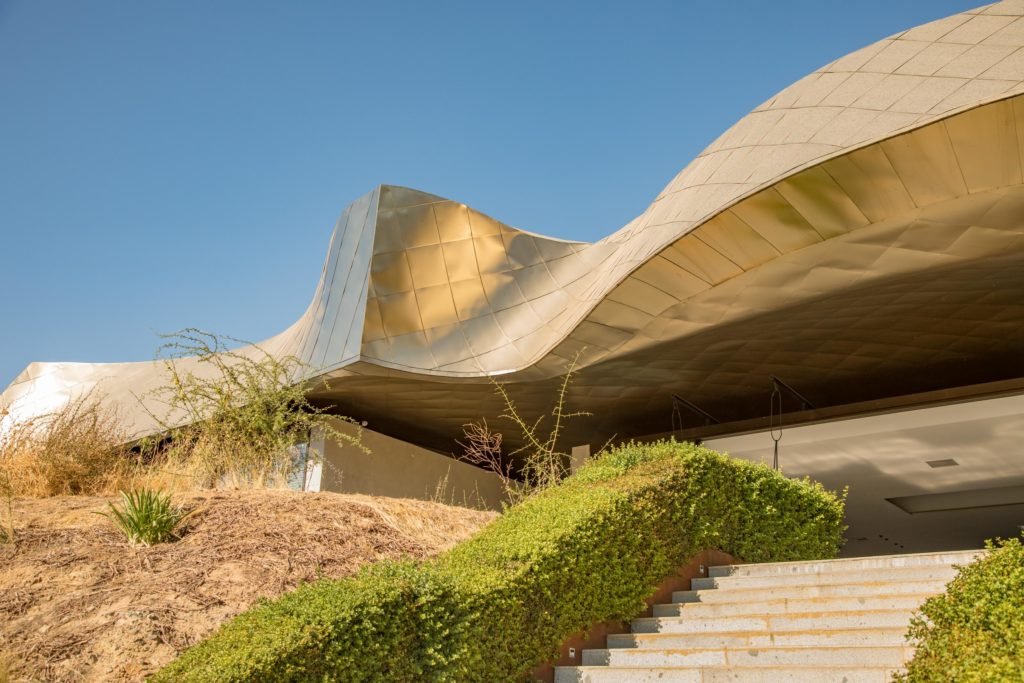
Max: Yes, that’s correct. I would say that I had to deal with all that, but the Viks really got involved and were hands-on in all the architectural projects and the selection of the artists. That’s what they really loved. In Playa Vik, we worked with Carlos Ott, who is a pretty famous architect; he built the Punta del Este airport here. And that’s how Alex discovered that some of the shapes and forms that he used in his constructions were something that he wanted to do on a beach project. And yes, they have been involved in every aspect, in every detail of the construction, the design, and the art selection—both Carrie and Alex.
It’s a very personal design. The sculpture building is a sculpture. The swimming pool juts out over open air. There’s nothing standard about the project.
Max: Yeah, you’re absolutely right. And what makes it absolutely unique among all the properties, it’s also much harder to maintain and keep in perfect condition because we don’t have two chairs alike; we don’t have two desks or two sofas alike. Every single room, every single common space has been designed, and the artist has been chosen, and nothing can be changed—or it can be changed, but it has to be backed up by a pretty good idea. So yeah, it’s hard work, but it’s what makes it very special.
You have a James Turrell installation in the lounge on the first floor, if I’m not wrong.
Max: No, you’re correct. We have two, in fact. We have one in Playa Vik in the library room, which is a common area where our guests can sit down and work or have Zoom meetings. It’s a very beautiful place where we have a James Turrell artwork on one of the walls. And then we have another one at the pavilion in Vik, Chile, in the vineyard.
I have to think that Playa Vik and Estancia Vik acted as an anchor or created some gravity that led to the eventual creation of the second James Turrell Museum in South America.
Max: It’s next door to Playa Vik! It’s in town, and it is absolutely amazing. I was there when they opened, and I had the opportunity to meet James Turrell, who is a very interesting man, and also his wife.
Well, so you’ve been busier than just doing two hotels. La Susana, the restaurant, that was 2014. And while this is all going on, Vik Chile, the vineyard, had started, and you had the cabin there. But I think you opened that same year, 2014, you opened for guests the main lodge on the hilltop at Vik Chile.
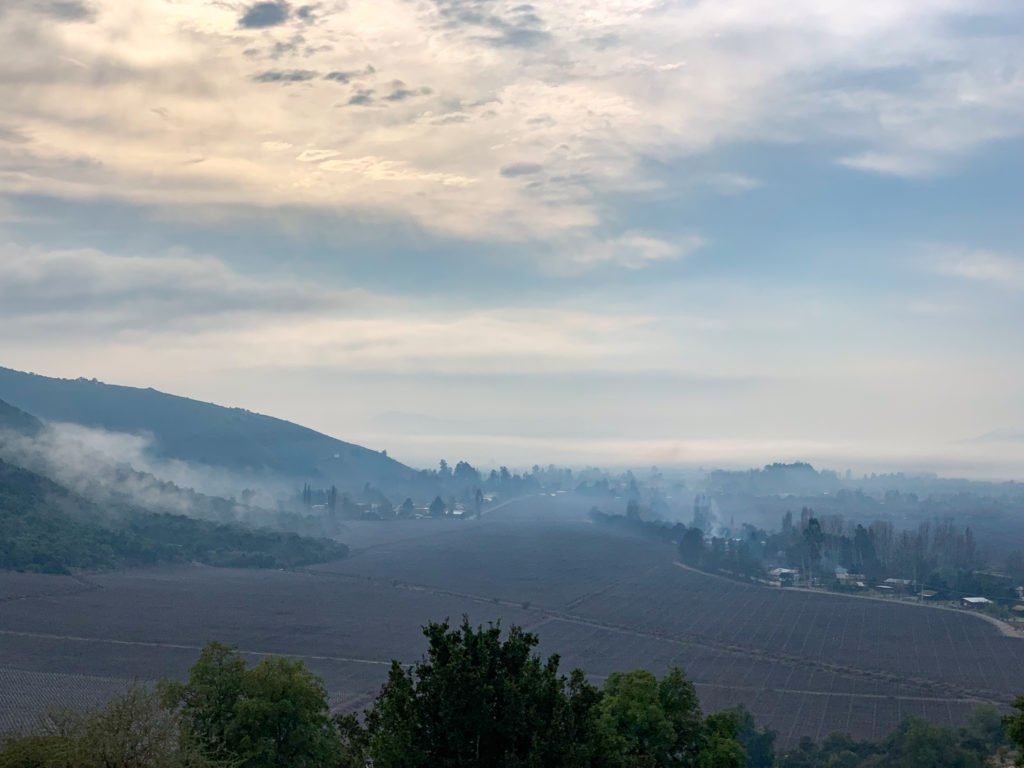
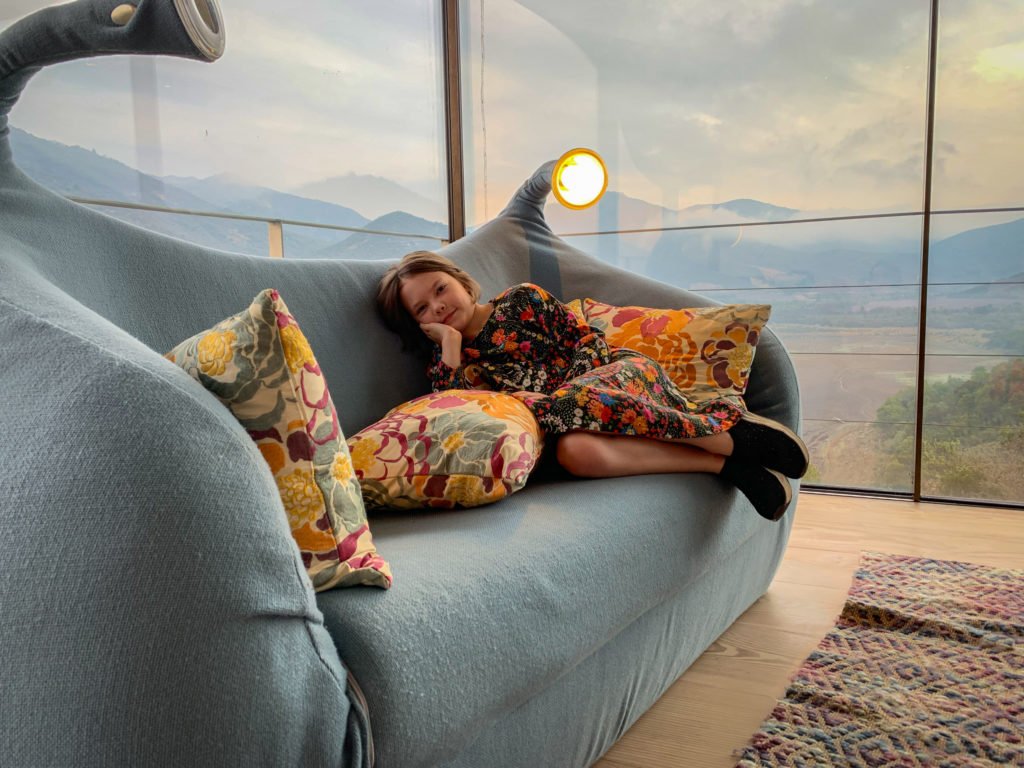
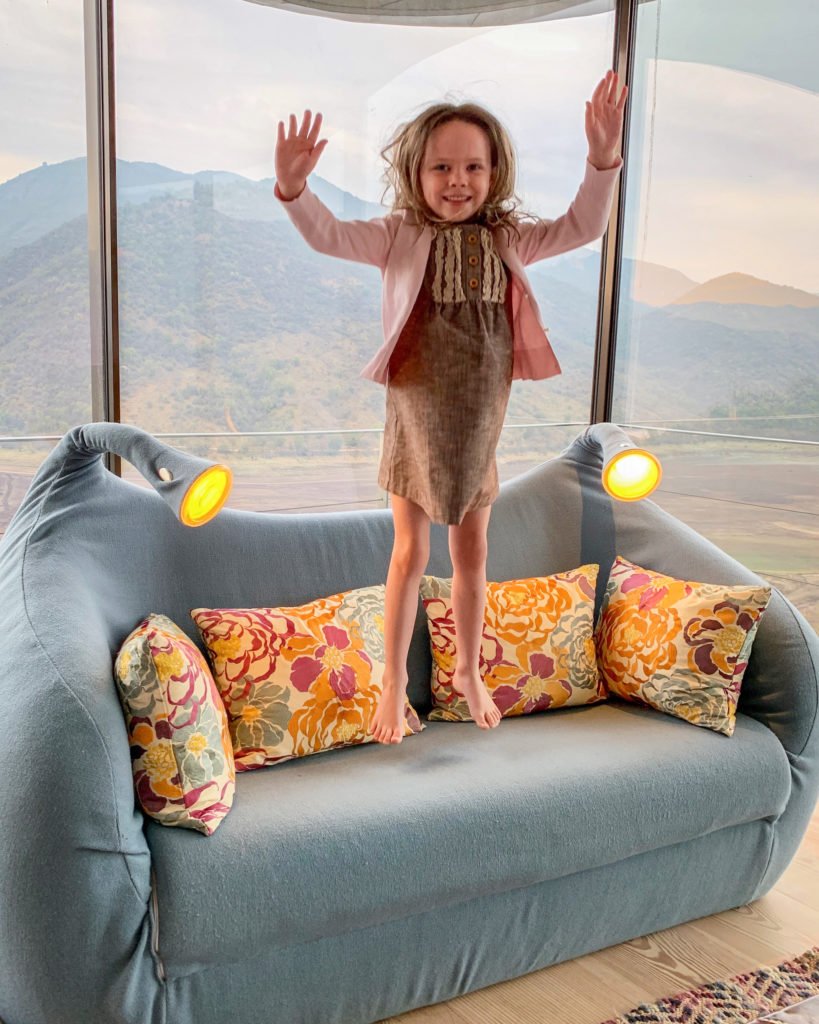
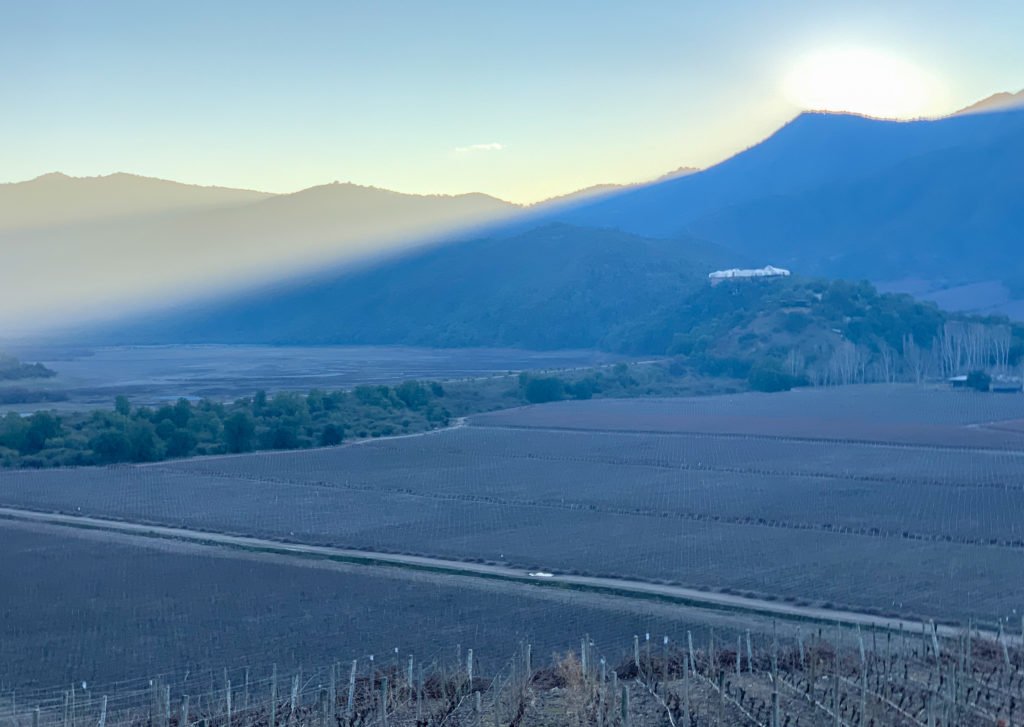
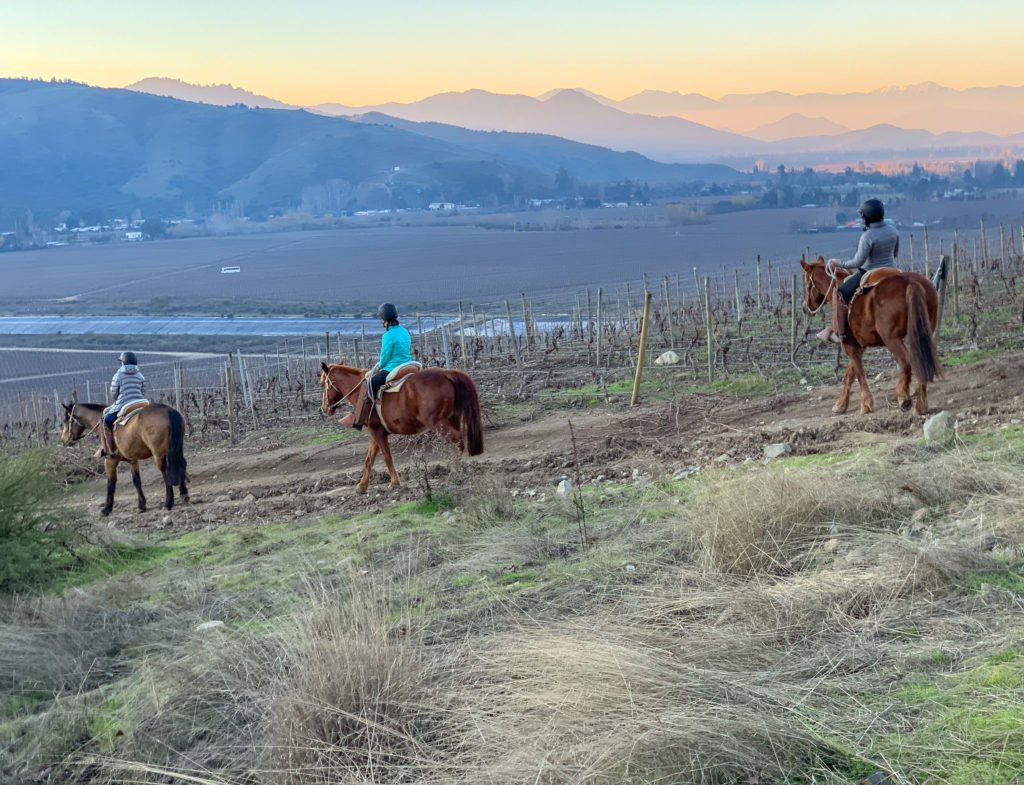
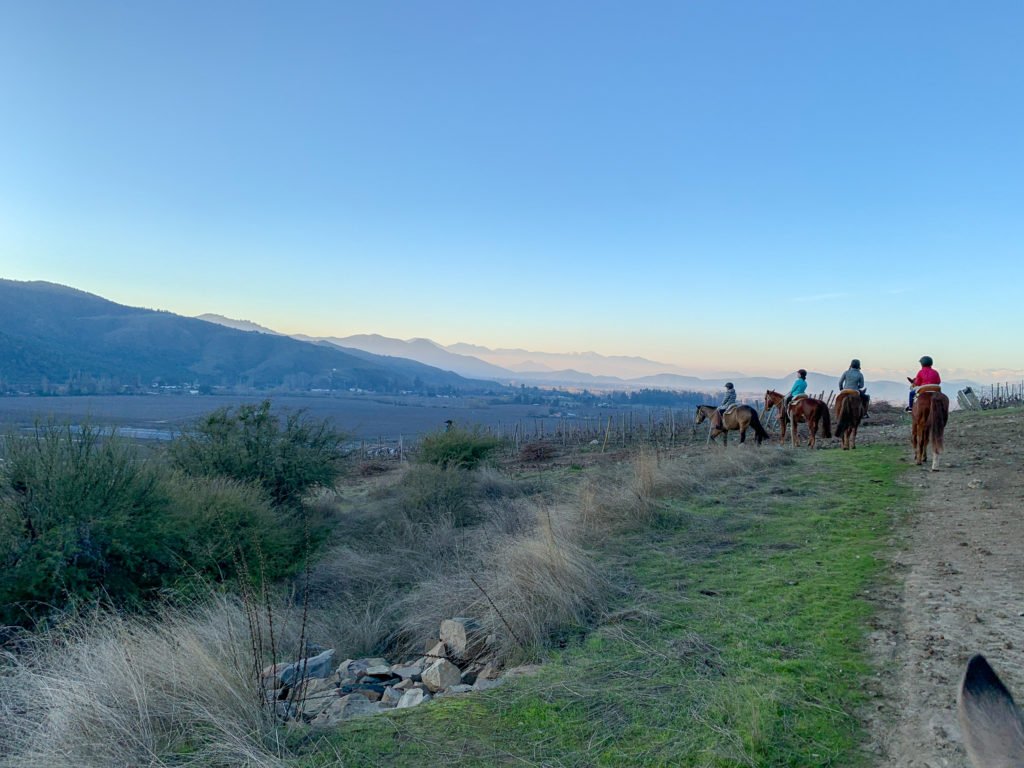
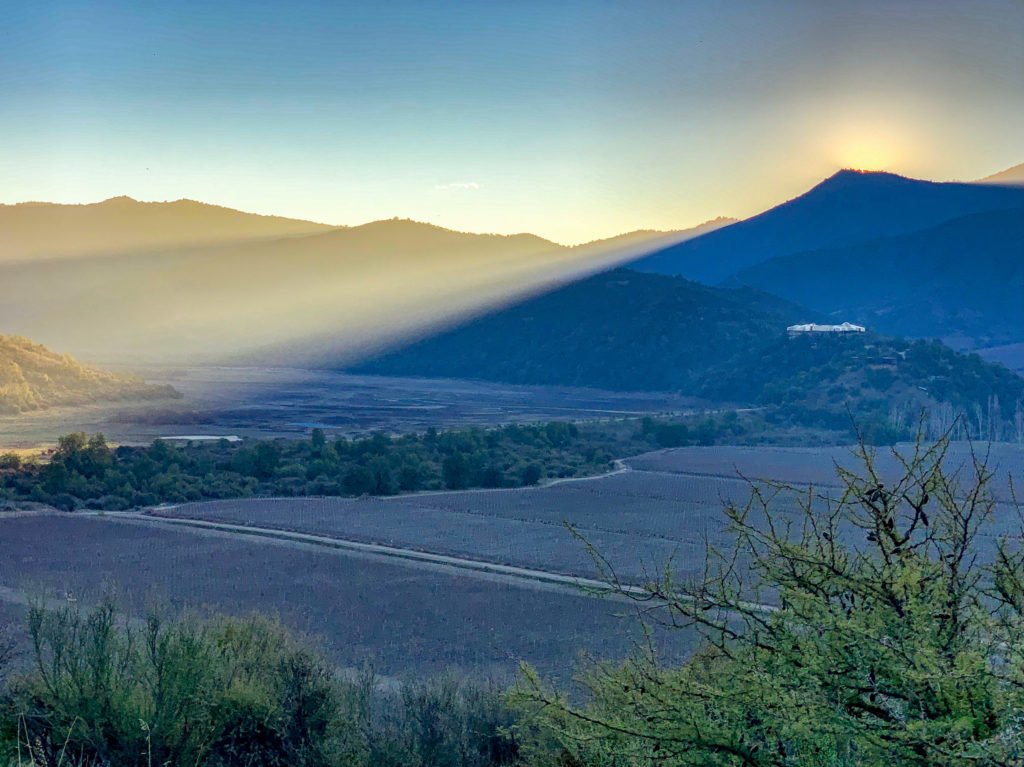
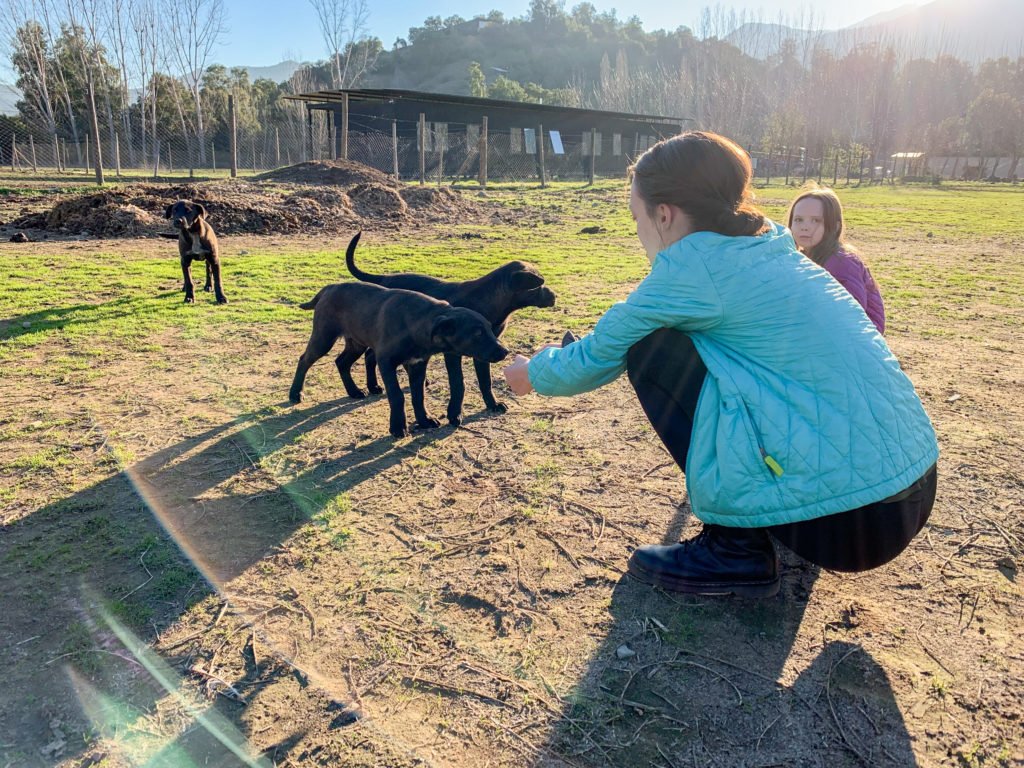
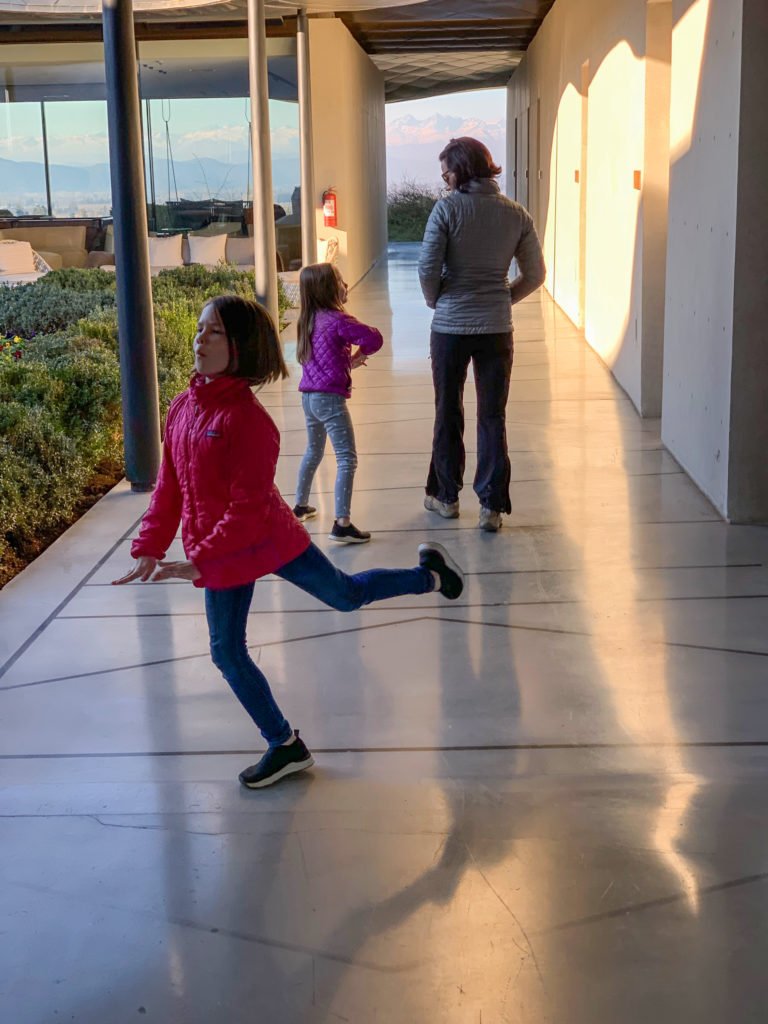
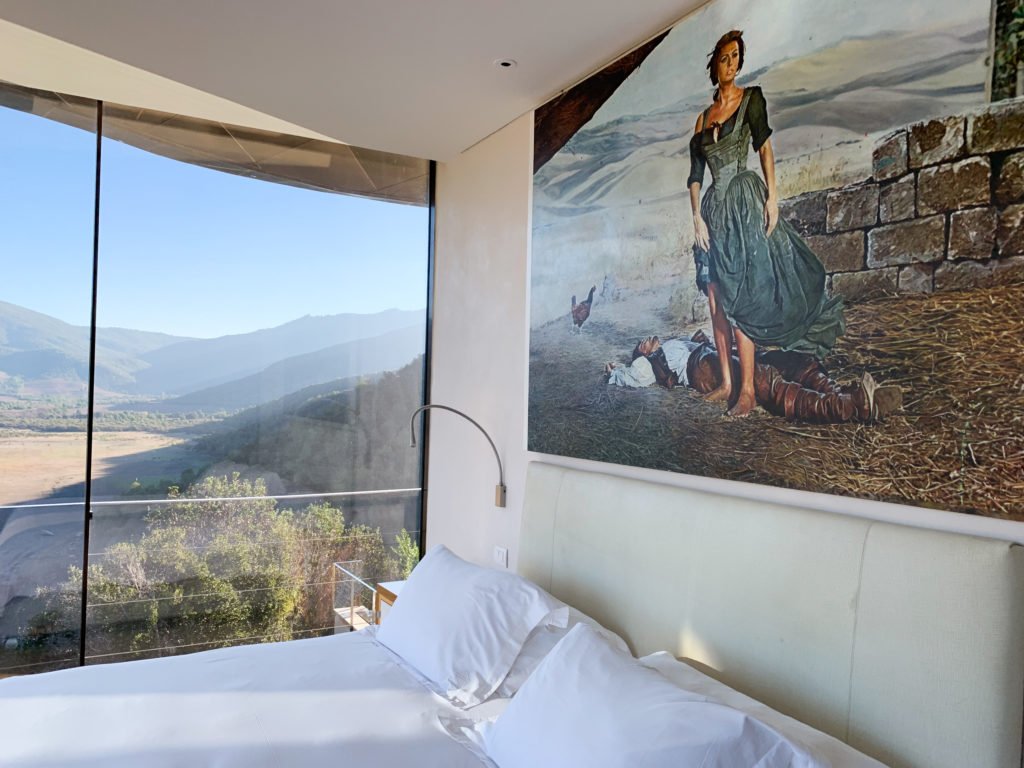
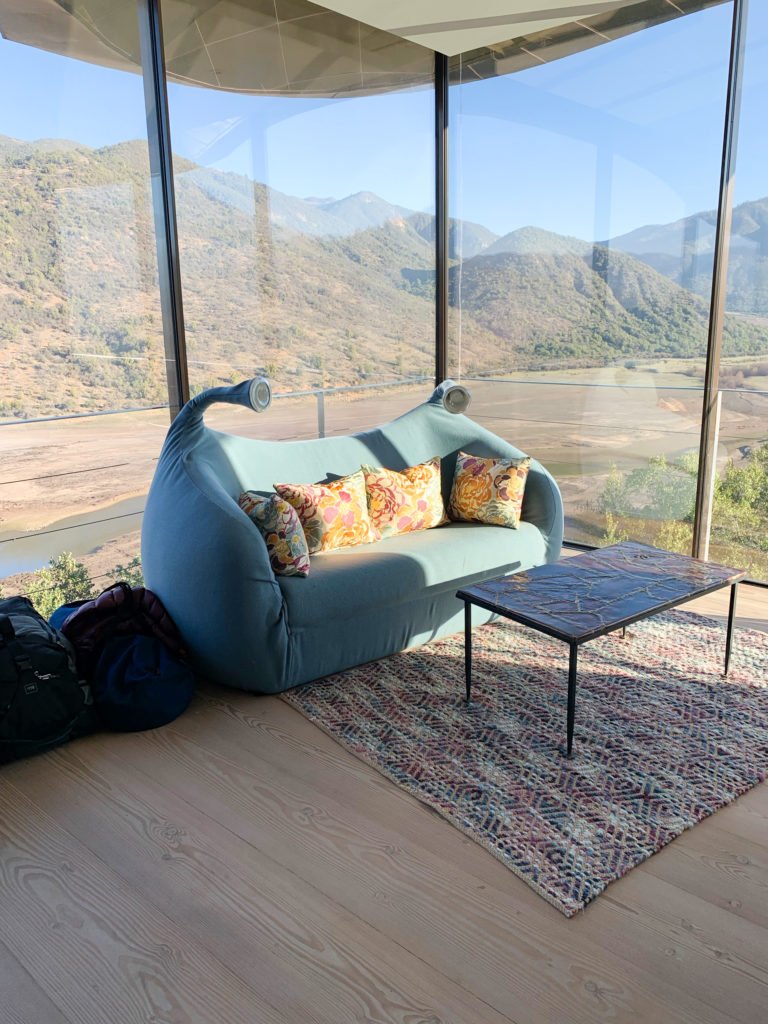
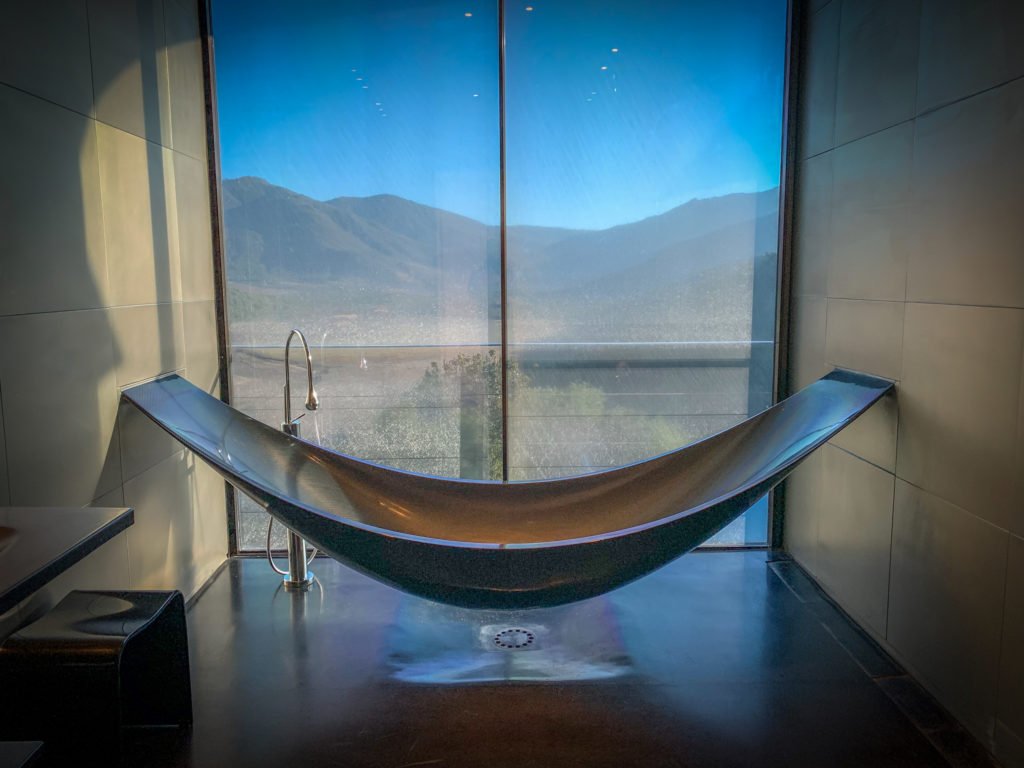
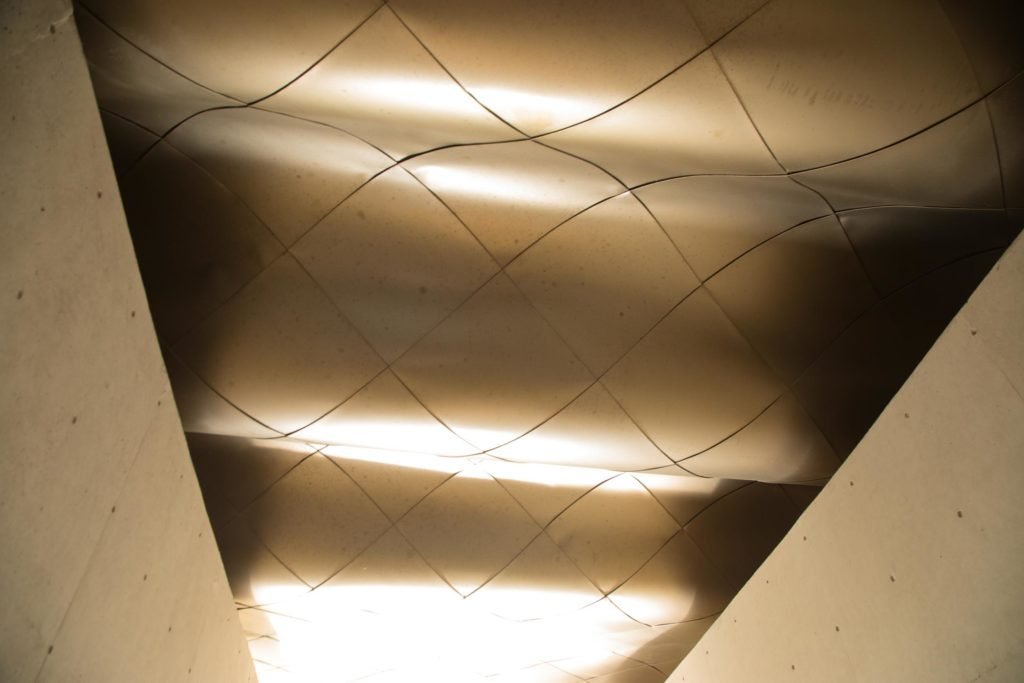
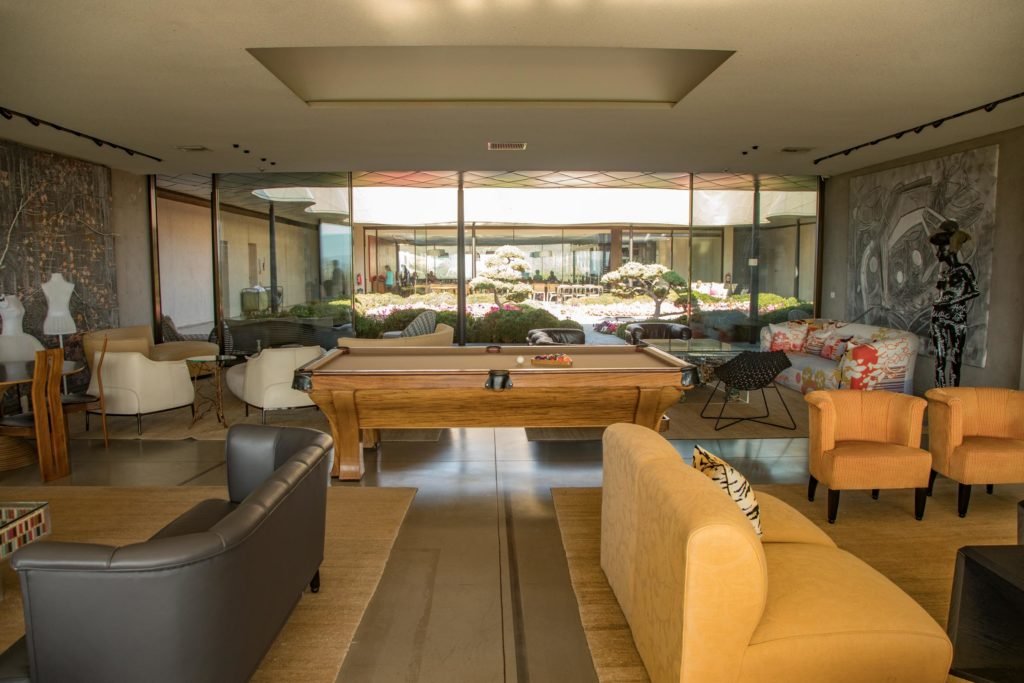
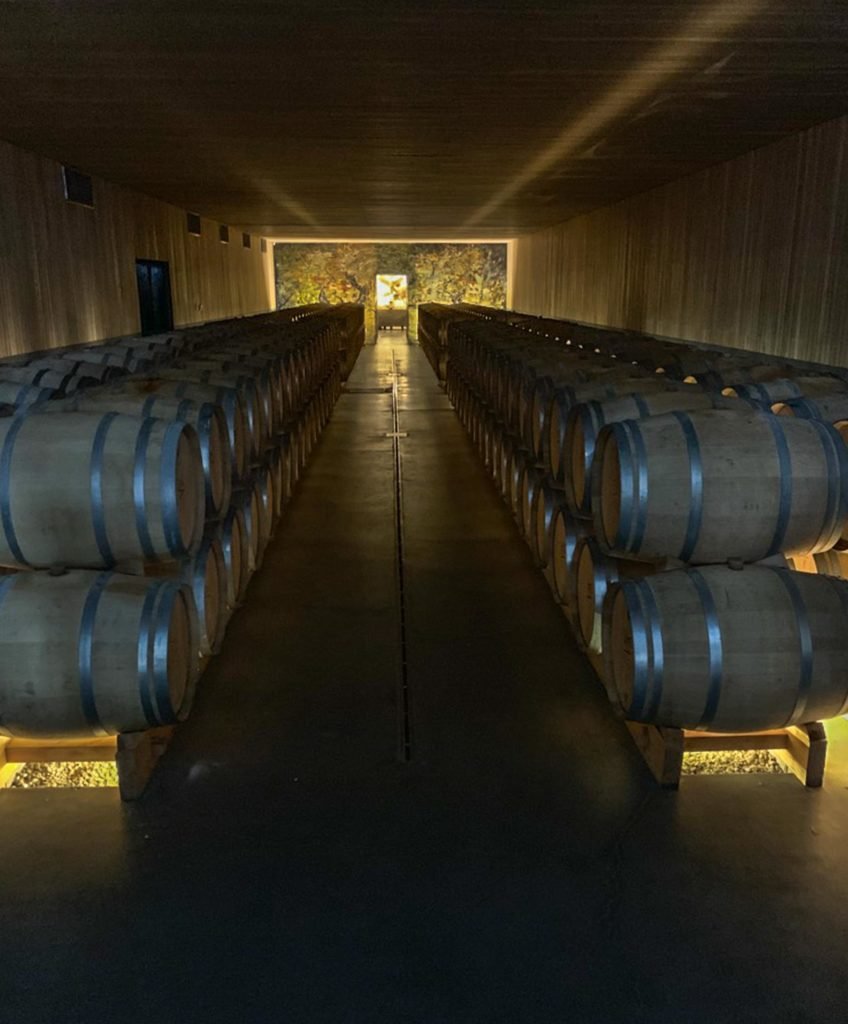
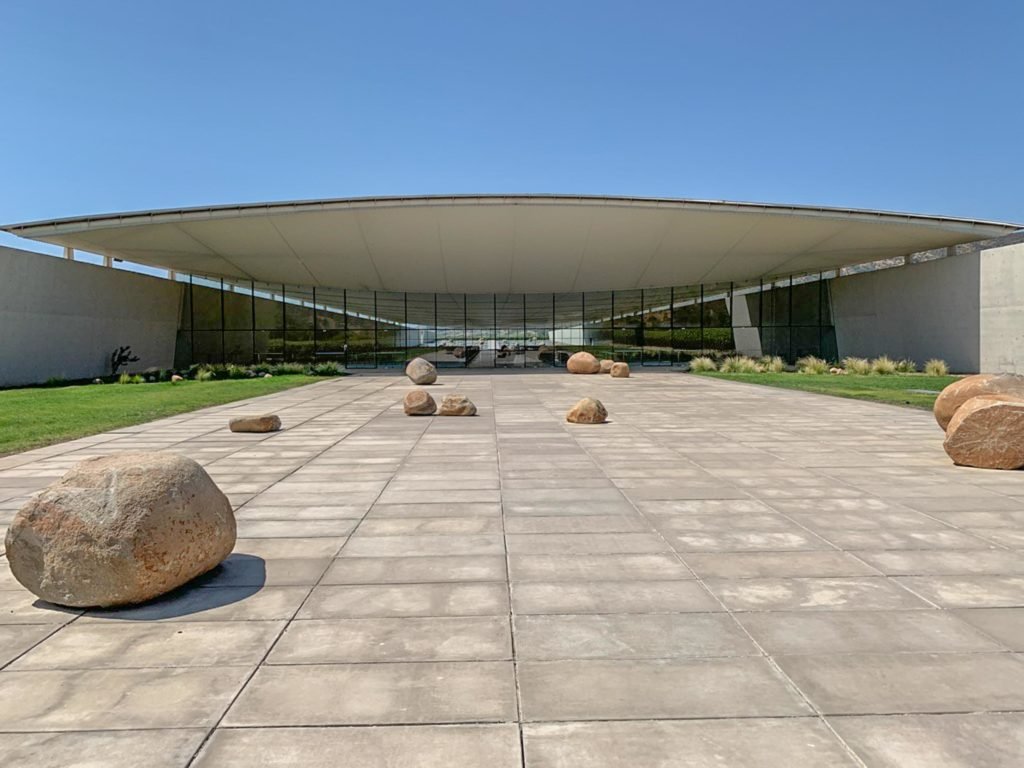
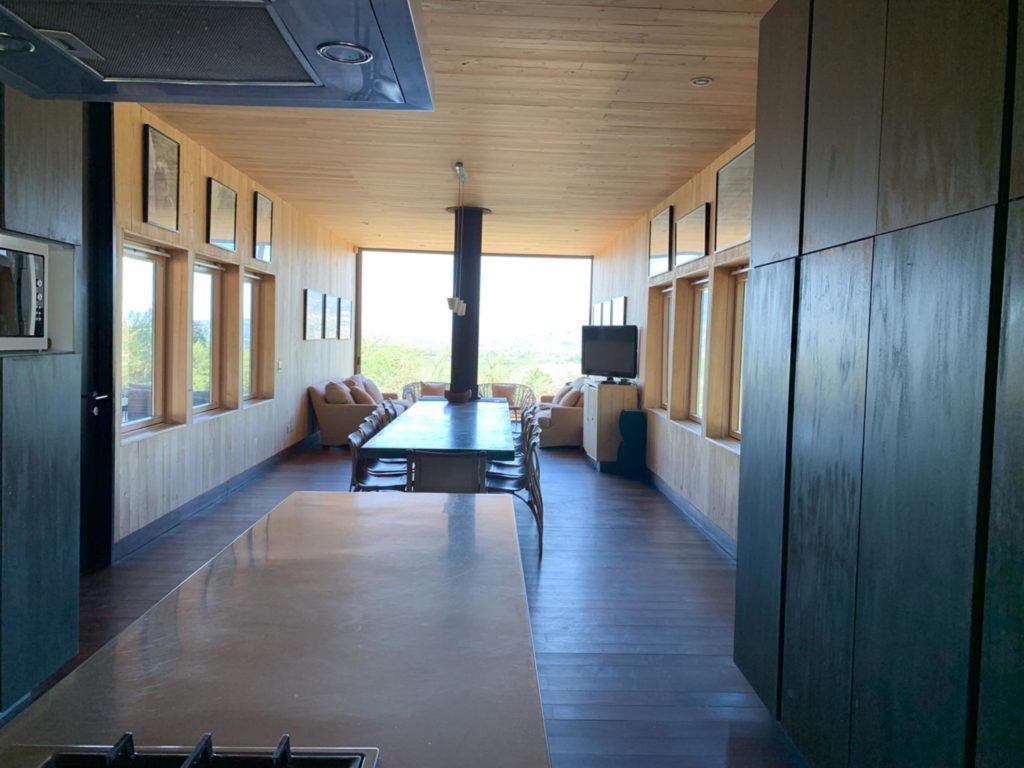
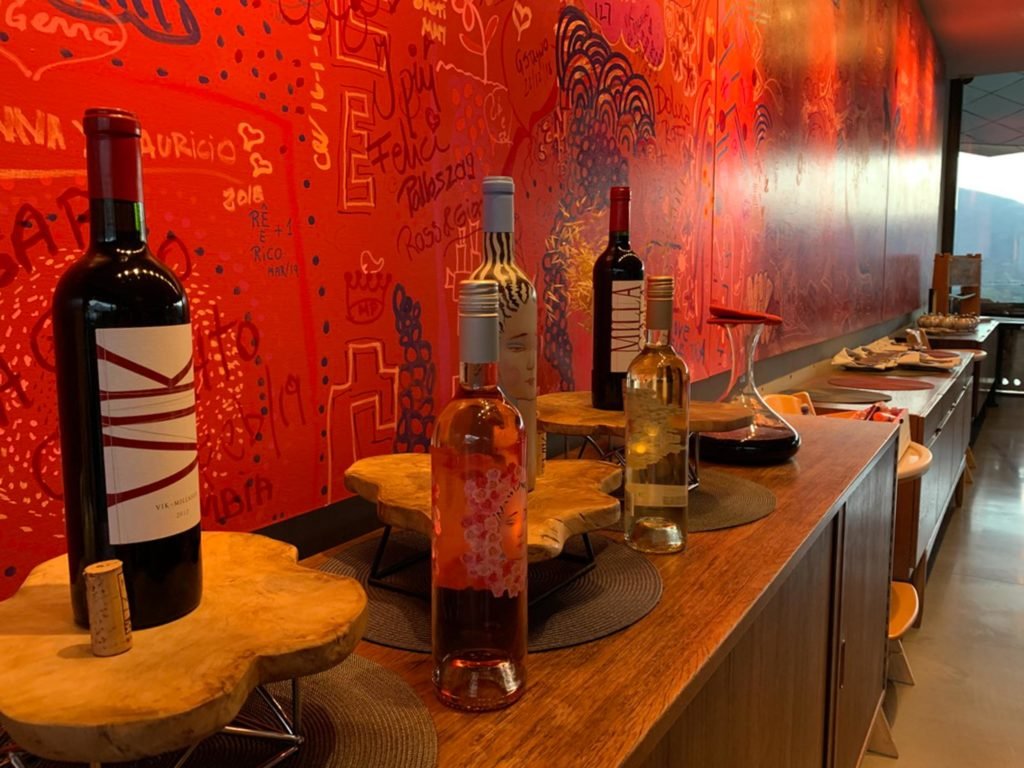
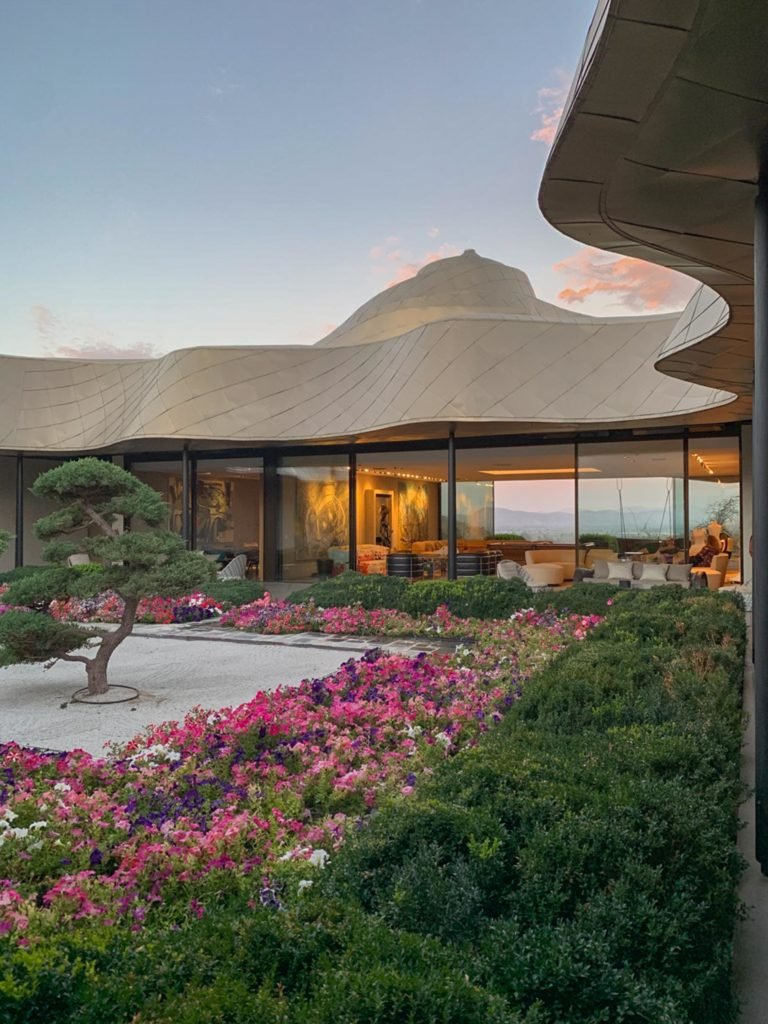
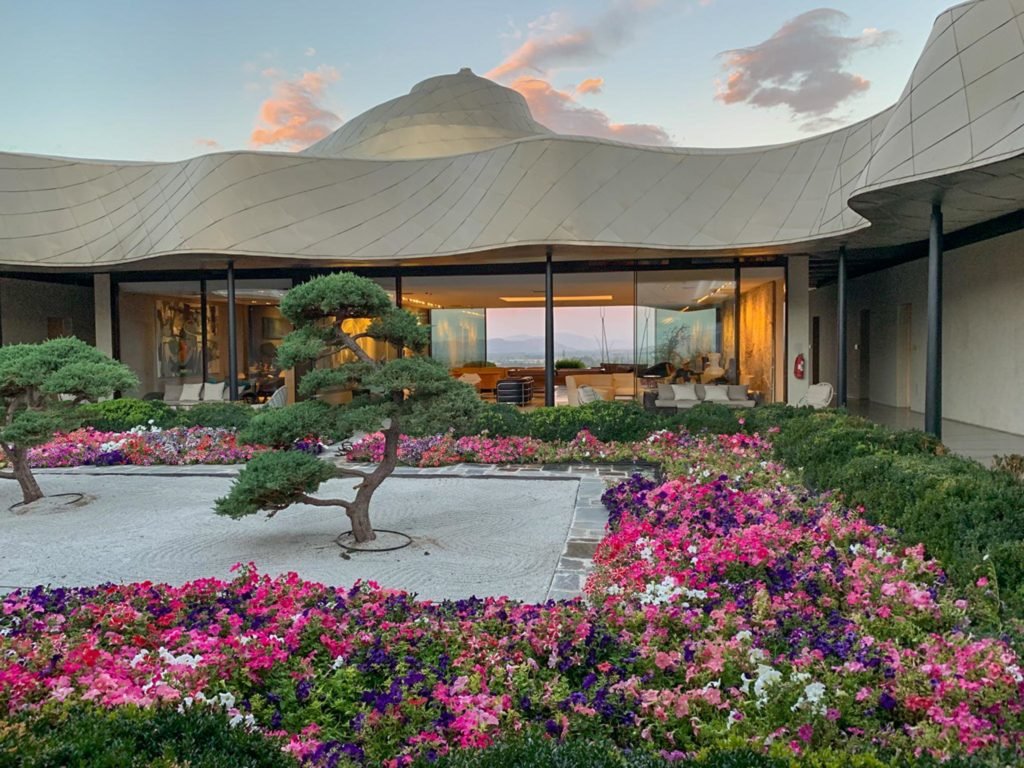
Max: Yes. Yeah, you are right. That was a very busy year because we were thinking of having both properties—both La Susana and Bahia Vik—open before 2014, and we couldn’t finish on time. So we opened La Susana as a beach club restaurant, but it was much smaller than what it is now, in the summer of 2013-2014. When I say summer here, it’s December 2013 / January 2014. And then during 2014, we opened both Vik Chile and Bahia Vik. The winery has been there for a much longer time. They started making wine in the middle of 2006 or 2007. And they had this small cabin, as you said, where they usually receive international wine buyers, and the Viks used this cabin for themselves—for Alex, Carrie, and the kids. And somehow I went there to visit it, and people started asking if they could stay there—Chileans and some foreigners. So that’s how we started thinking of building a hotel. Alex and Carrie did all the architecture and the design, and we called Marcelo Daglio to help make that dream come true. And now we have that amazing property that is, I would say, the most ambitious project that we have so far. It is very unique—glass on top of the Andes Mountains. It’s beautiful.
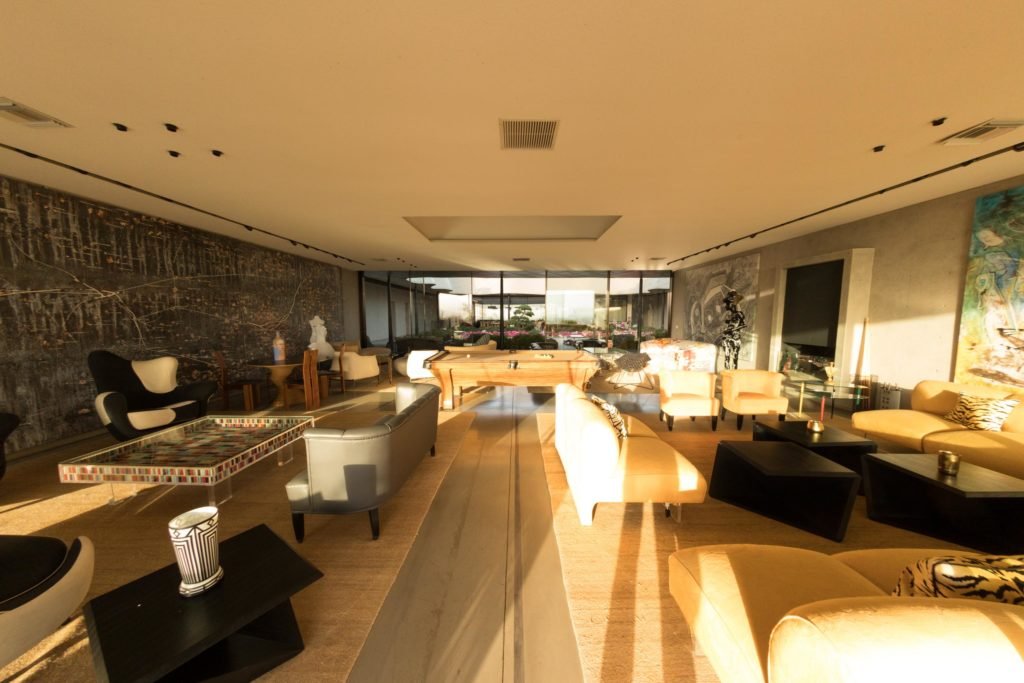
It’s maybe the most special one in my memory. I’ve had the chance to go there a few times now, and most memorably with my family. It’s filled with beauty, and it’s clear that every detail was planned and thought through with intention. It’s not a formal place. You know, all of the Vik Retreats, I would say, although they are almost like living in a museum in some ways, give a sense that you’re in someone’s home—a home where art is a priority and design matters, but not a place that’s uncomfortable or unwelcoming to families.
Max: Yeah, I absolutely agree with you. And it was part of this main idea from the beginning of the creation of our brand. When I took over Estancia, which was intended to be a family home, I wanted to keep that idea, that philosophy that you’re visiting someone’s home and you’re welcome as you are welcome in a friend’s home, in a family home. When you get to our property, the idea is that you forget about formalities and signing bills and paying for a bottle of water or coffee. The main idea is that you are there because you are invited to be there, because you choose to be there and we choose you to be there, and you really enjoy what you are doing.
And there’s really no reception desk. You’re just welcomed as you arrive and taken to your room.
Max: Yeah, you don’t welcome a friend in your home with a reception desk.
The service is warm; it’s friendly, but it’s not formal. When I think of some of the friends we’ve made there, some of the people you’ve introduced us to—Thomas Lara, Pablo Caceres, or Nesma and Amari—these are people who you want to have as your friends, people you want to stay in touch with, and I’m sure people do.
Max: Absolutely, yes. We have some guests who, when they want to come back- and they do- they call their friend at our property. They call one of our experienced concierges, they call the GM, they call the waitress and say, “Hey, we are going back.” And again, I know a lot of our collaborators are traveling overseas and having meetings with our guests or even staying at their homes. We create a very special relationship with the people that visit us.
During the creation of the hotels, I’m sure Carrie Vik is very involved. How are the artists selected and how are they directed?
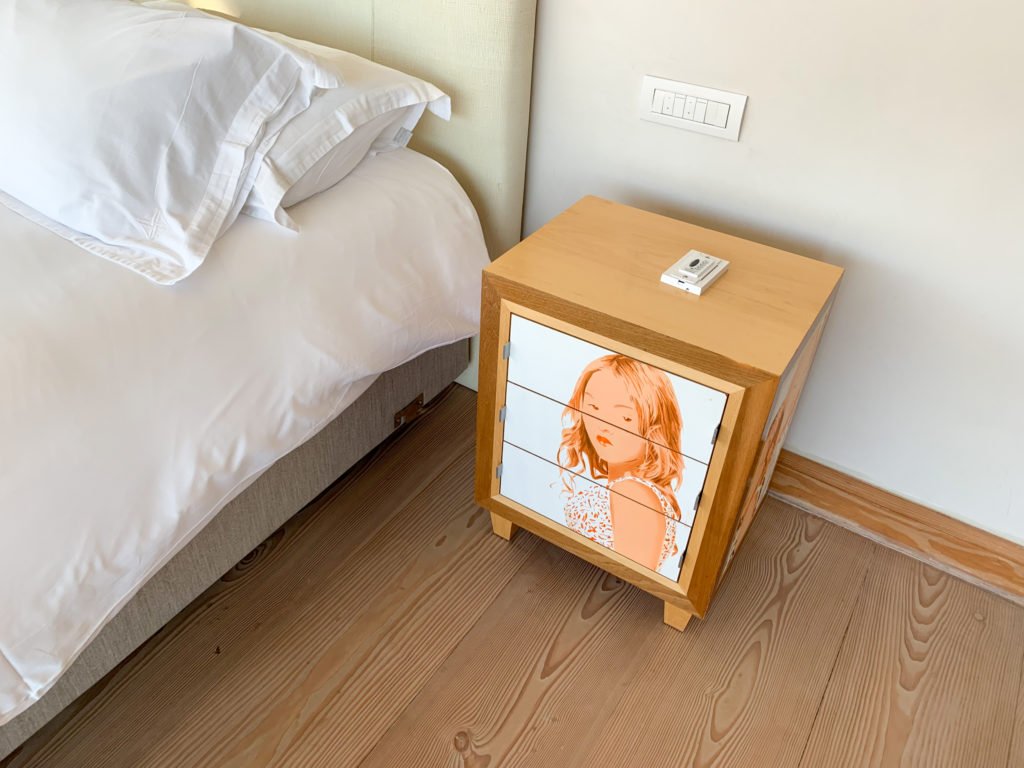
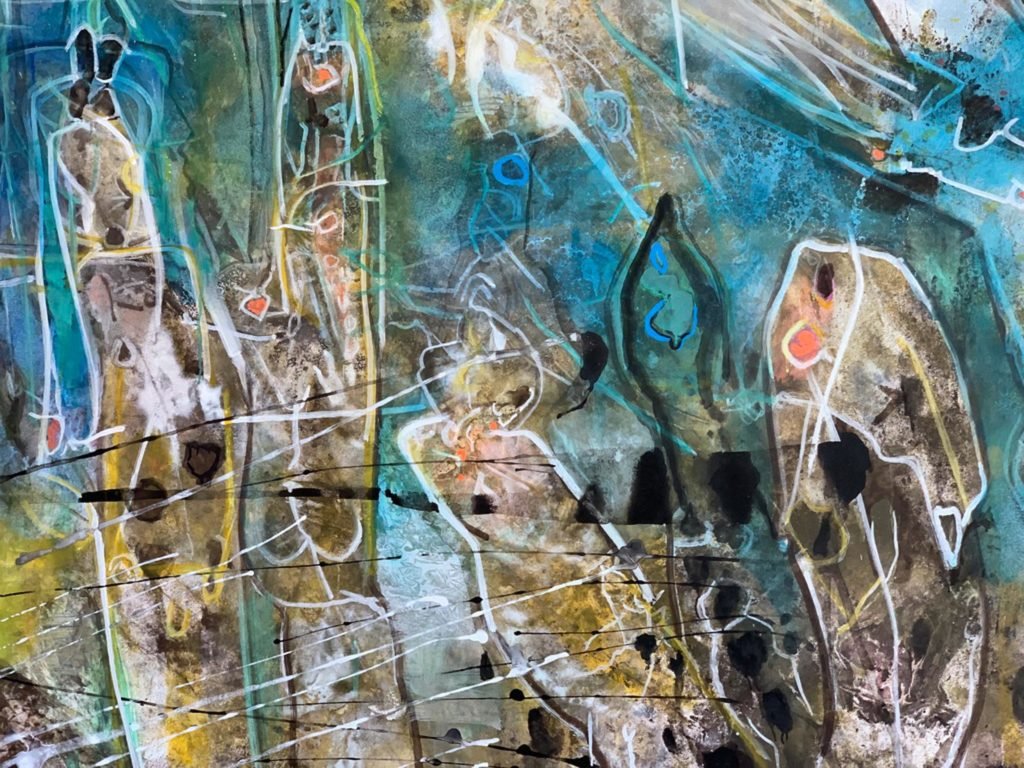
Max: So here in Uruguay, when we opened the first two properties, Estancia Vik and Playa Vik, we worked closely with a curator; his name is Kiko, and he’s also one of the artists that worked in our rooms at the Estancia. And he would ask, I would say, about 50 or even more artists to present their works to the Viks, and they would choose together who could work with us and where. Because there are not only different artists in every room; there’s also a conception and a communion with the furniture, and as you said, with Carrie’s design and furniture in every single space. For example, at the Estancia, we have four patios: one in the north, one in the south, one in the east, and one in the west. And the main idea of having four patios is that you can always be in an outdoor area without wind, because it’s in the middle of the countryside, even though it’s five miles from the beach. And if you stay on the east wing of the property, you will have artists with a lot of color—it’s where the sun comes up. So all the artists on that side were artists that Carrie and Alex and Kiko chose because of the light, because of the color that they use. In the south, which is the coastal area of Uruguay, most of the artists work with blue, so they represent the ocean. On the north wing of the Estancia, it’s more green and countryside colors. And on the west is the sunset—the ochres, the browns, the sunset colors. So there was not only choosing artists, but choosing where those artists were going to work and what kind of furniture we needed to match that art.
It seems that the artists are given a lot of creative latitude. Some of the colors, the patterns, even the subjects are pretty bold, and I know that people will often request one specific room. Have you learned from the first project and adapted the way the artist is included or what art is included?
Max: Yes. You’re absolutely right that we gave the artists a lot of freedom to create, even though some of the patterns were agreed with the Viks from the very beginning. At the Estancia, we had a couple of rooms that were controversial because they had nudes or some very bright colors like gold. I love those rooms, and they’re still there, but they’re not for everybody. So we try to give those rooms to couples or art lovers. But yeah, we learned. And I will say that in all the rest of our projects, we still have some controversial things because art is controversial, but it’s much more neutral. It’s much more for everybody at Playa, Bahia, Galleria in Milan, or Vik Chile. But we don’t give up. We really want to be unique, and we really want to have the very best artists with their own ideas. So sometimes we have to deal with that.
These are unforgettable places. I’ve heard that you have many marriage proposals every year.
Max: Yeah, yeah, we do! And it’s very exciting when that happens. And a couple of times those wedding proposals ended up in a wedding party at our properties, which is really, really interesting. And again, we try to be a place that you will remember—when you have a bite of a potato that will remind you of what you ate when you were with us in Uruguay, when you smell the countryside, when you ride a horse. We really want to be in people’s memory forever. And those kinds of things are absolutely unforgettable. The whole vibe and atmosphere that the Viks created are very special. And people who get it, they want to do everything in our properties: they want to get married, they want to celebrate their birthdays, and we have a lot of that.
Many of your guests, or probably most of your guests, have pretty busy lives. It’s got to be intentional that you’ve called these Vik Retreats and not Vik Hotels or Vik Resorts. These are places to come spend time with the people you care about, rejuvenate, and you can go to dinner in your Havainas and a T-shirt if you want. There’s no pretension here.
Max: No, absolutely. And I would say Jose Ignacio has that chic bohemian vibe where everybody can get together with everybody—even celebrities and locals. As you said, you are free to wear whatever you want to wear, and you can be barefoot having a beautiful lunch or dinner at La Susana with your feet in the sand, and that’s perfectly fine.
What do you hope guests take away from a stay at Vik Retreats?
Max: I think I mentioned this before to you, but I will say a memorable stay. They will take back home memories, flavors, smells, happy times.
Is there an ideal guest for each of the properties?
Max: No, I would say no. Even though…
…they’re so different.
Max: They are very different. I can see that guests stay in one of the properties and then move to another one, and they love them both. At the Estancia, I would say it’s for more adventurous people. The Estancia is quiet, in the middle of the countryside, but again, only five miles away from the beach, so it’s very family-friendly—plenty of activities: tennis, golf practice, polo, water sports, kayaking, canoeing, mountain biking, a lot of things to do at the Estancia.
Paintball.
Max: Paintball, yeah, you’re right! Playa Vik is more intimate. I would say usually couples choose Playa Vik because it’s small, in the middle of town, and you can walk everywhere. Bahia Vik is very close to Playa Vik, but it’s bigger. It has La Susana beach club, it has the gym, yoga, the pavilion where we host parties and events, and it’s right on the beach. So everybody who wants to be in the middle of the scene chooses Bahia Vik. Vik Chile is a destination itself. People who go there want to be on the property and they don’t go out during their stay. They try the wines, and they also have plenty of activities: hiking, mountain biking, wine tasting. And Galleria Vik Milano in Italy is a city hotel, but inside Galleria Vittorio Emanuele, it has that sense of something different, something unique. It’s not like any other city hotel. It has art in every room, friendly service through our experienced concierges—most of them trained in South America—very fresh food with seasonal vegetables from the area, and we try to have that sense of the very best in the area. But it was challenging in Milan, going back to that property, because we were used to countryside places and resorts, as you mentioned.
Yeah, and starting from scratch, where this is a historic building, if I’m not wrong. It’s from the 1860s, designed by Giuseppe Mengoni, and it’s what I think of as the center of Milan. It’s right next to La Scala and right next to Piazza del Duomo. I mean, when I think of being in Milan, it’s this very street, this Galleria that I think of, with the glass roof and skylights.
Max: Yeah, you are absolutely right.
You can’t get it wrong. That’s a pretty high level of expectation.
Max: Yes, absolutely it is. You are in a room inside the Galleria Vittorio Emanuele. I was trying to think of a comparison with some other place in America or another place in the world, and there’s nothing like that. You are inside a historical monument, and you open your window, and you are in there, while most of the tourists have to make their way into the Galleria, and you are up there having a glass of wine and facing the whole scene. From most of our rooms, you can look at La Scala. It’s very particular, but we try to keep that home feeling. Sometimes it’s harder when people just spend their hours sleeping and working, but we are getting it. People are choosing us because we are not simply a city hotel; we are much more than that.
So you now have three hotels in Uruguay in Vik Retreats; you have Vik Chile in Chile, you have Galleria Vik Milano in Italy. What’s next?
Max: That’s a tricky question.
Is it a secret?
Max: The Viks are always open for new opportunities. In my personal view—and this is something we have been discussing for a year—it’s creating a management company. I think we now have a very strong brand for luxury small properties, and maybe our next step should be taking over the operation of some properties and helping them to be successful.
Max, let’s go back to where you are now at home in Uruguay. What does your perfect day in Uruguay look like?
Max: Wake up, have a walk on the beach while my teenage kids are still sleeping, come back, have a nice breakfast with them, talk—always a little work—have lunch by the beach at an open-air restaurant, and then play soccer—most of the time—or kitesurfing. I love to play soccer with my friends and kitesurf in the afternoon right before sunset, then go back home, have a nice meal, and share some moments with my friends.
Oh, I want to be there for that dinner.
Max: You should! You have been here for that dinner.
Yeah. And one of my favorite memories of you and your kids is in the Grand Canyon.
Max: I always remember you and your lovely family.
It’s time for you to come back to the US.
Max: Absolutely, yeah. We had a great time together. I do remember that. It was my first time in an RV, and being with a local makes things much easier. You really knew those unique small spots, and we loved it. I think my kids and your kids will always remember that short vacation that we shared together.
Next time, Argentina is not going to be in some World Cup soccer championship, and we can go on the rafting trip next time.
Max: Yeah!
Okay, Max. I don’t know how to explain it. You’re important to me, and I value the friendship more than the time we’ve actually been able to spend together would suggest. You’re somebody I admire, and you’re kind of a brother. So I thank you for your time and for the association.
Max: Thank you. Thank you very much. It has been a challenging time for me with the pandemic—for everybody, I guess—but you have been pushing me and supporting me to keep going when sometimes you really want to give up. You know how much I love you, and I love your family. I tried to be more formal for this interview, podcast, or whatever you call it…
It’s me, man.
Max: But yeah, I have a very special feeling for you, and I would love to share more good times with you. So maybe the next project should be in Utah or Colorado.
Yeah, I think it should. I got a little spot to show you.
Max: Please do. I have a lot of little spots in Uruguay to show you.
Max Broquen, you’re a creator and a traveler, and it’s a pleasure to know you. Thank you.
Max: All my love to you and your family. Keep going, keep discovering Latin America. You know Latin America better than anyone. I don’t know Latin America as you do, and I love those experiences that you have with your kids when you really get into the countries and the culture. So keep doing that, because we learn from you all the time.
Thanks, man. All the best.
Max: Much love.