May is a month of deep clarity in the high places. The Peruvian altiplano skies are at their most crystalline — the visibility above 3,000 meters extending to horizons that seem drawn with a ruler. The Galapagos enter the cool, productive season of the Humboldt Current. In Colombia, the landscapes are green from first rains but still navigable. Central America is in the last weeks of its Pacific dry season; the green season begins in May, rewarding those who appreciate fewer visitors, lusher landscapes, and lower rates.
Central America
Monteverde, Costa Rica
May in Monteverde is the transition into the green season — the clouds building daily over the continental divide, the forest deepening its green, and the trails acquiring that particular softness underfoot that comes from the return of moisture. Quetzal nesting continues through May, and the juveniles of the year are now beginning their first tentative flights, the iridescent feathers of the young males still growing in. The cloud forest canopy walk infrastructure at the biological reserve operates year-round, and May’s lower visitor numbers offer the walks in a quiet that is genuinely valuable in a place this dense with life.
Wildlife
Resplendent quetzal juveniles in their first flights; emerald toucanet; bare-necked umbrellabird in nesting season
Natural Phenomenon
Green season cloud formation — the daily building of clouds over the divide, visible from the canopy walk
Culinary
Organic farm-to-table breakfasts at Monteverde lodges; local blackberry preserves
Guatemala
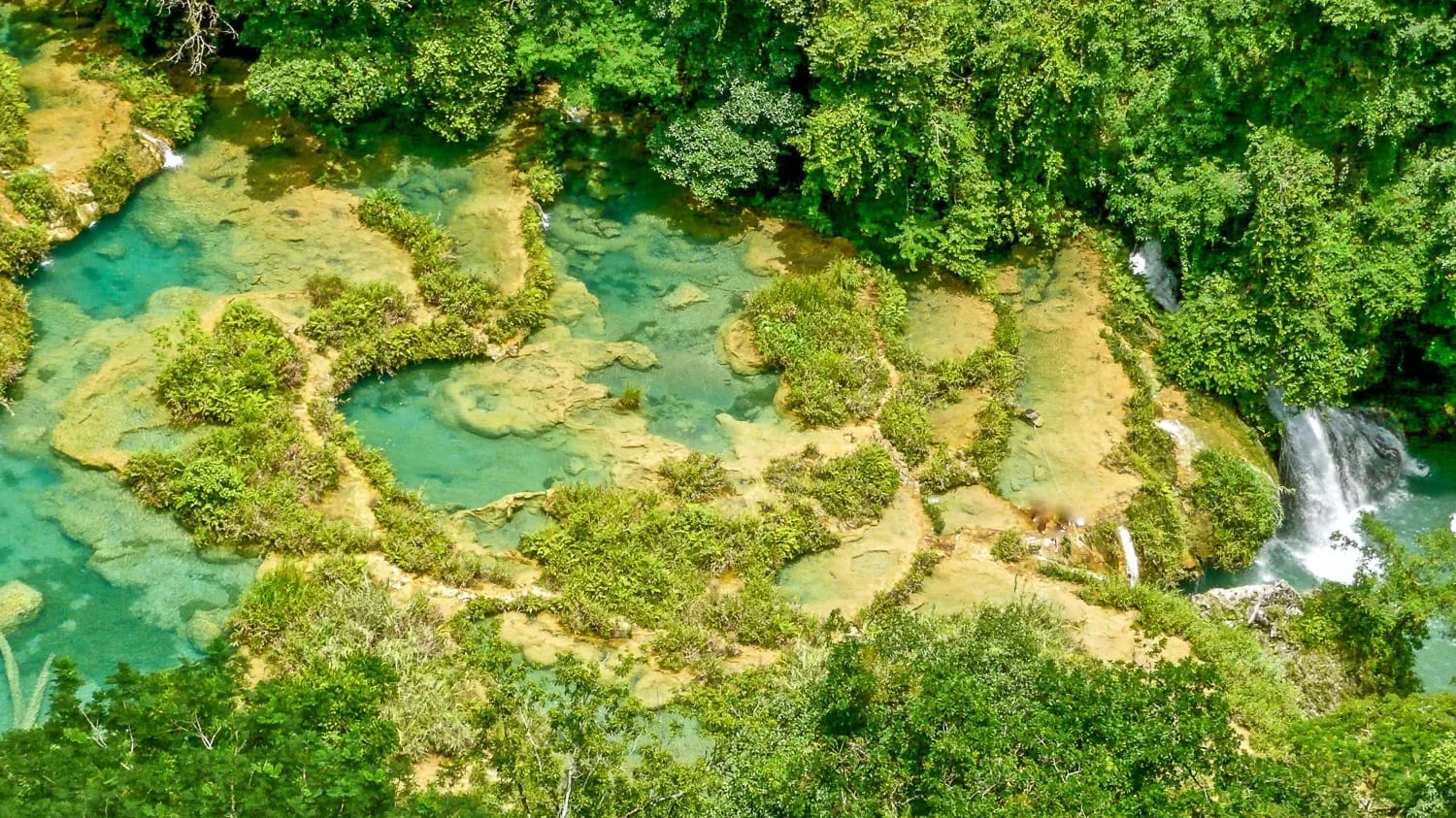
May in Guatemala is the cusp of the rainy season — the afternoon showers beginning in the Pacific lowlands while the highlands and the Atlantic coast remain largely dry. The lakes are at their clearest before the rains cloud the mountain runoff; the coffee harvest has ended, and the highland communities are in a period of relative agricultural calm that allows cultural engagement without competition from harvest schedules. The birding around Lake Atitlán in May produces some of the finest results of the year.
Wildlife
Lake Atitlán birding —the surrounding forest holds 300+ species
Cultural
Maya highland market calendar in full operation: Sololá, Chichicastenango, San Francisco el Alto
Culinary
Pepián negro; Guatemalan single-origin coffee in the highlands; chuchito corn masa dumplings
Nicaragua
May’s first rains arrive in the Pacific lowlands, and Nicaragua’s already-verdant landscape becomes extravagant. The Indio Maíz Reserve on the Caribbean coast is at peak green-season wildlife activity — the humidity and warmth concentrating reptile, amphibian, and insect life in the forest margins in a density that makes every guided walk feel like a field guide made physical. The surfing off the Pacific coast benefits from the arrival of south swells that build through May.
Wildlife
Indio Maíz Reserve: freshwater turtles, caimans, basilisk lizards, 400+ bird species; nesting sea turtles on Playa La Flor
Natural Phenomenon
First-rain greening of the Pacific lowlands — an almost overnight transformation of the landscape
Culinary
Nacatamales; vigirón; local Caribbean coast seafood; Flor de Caña rum cocktails
Panama
May in Panama is the beginning of the rainy season on the Pacific side, and the rains make the jungle greener and the wildlife more concentrated without making the travel uncomfortable — the showers arrive in the afternoon and depart before evening, leaving the air washed and the birding exceptionally productive. The Darien in May offers some of the finest birding opportunities in the Americas, and the Canal’s visitor infrastructure operates year-round regardless of rain.
Wildlife
Darien harpy eagle; May bird migration — millions of raptors funnel over Cerro Ancón in the Panama City migration corridor
Natural Phenomenon
Raptor migration over Panama City in May — hundreds of thousands of broad-winged and Swainson’s hawks
Culinary
Panama City restaurant scene; Mercado de Mariscos
Honduras
May is the last reliable dry month on the Bay Islands before the first Caribbean rains arrive, and the whale shark season at Utila continues through April and into May around the full moon. The snorkeling conditions on the Mesoamerican Reef are at their clearest in the dry-to-transition window, and the smaller dive operations of Utila — still operating on the principle that diving should be done slowly, with attention — offer an accessible version of the world-class reef experience without the resort infrastructure of larger Caribbean destinations.
Wildlife
Whale shark at Utila continuing into May; hawksbill turtle nesting beginning on Bay Island beaches
Natural Phenomenon
Mesoamerican Reef at transition season — both dry-season and early-rain species simultaneously present
Culinary
Fresh Bay Island lobster; conch ceviche; Honduran chocolate from Copan highlands
El Salvador
May’s green season begins along El Salvador’s Pacific coast, and the surf breaks that have drawn international attention — Punta Roca, La Bocana, K59 — begin to receive the consistent south swells that make this coast’s reputation. The Ruta de las Flores highland towns continue their weekend markets in weather that is warm and increasingly lush, the coffee farms now in their maintenance season and open to visits that show the full cycle of cultivation from flowering through harvest.
Natural Phenomenon
South Pacific swells arriving in May — world-class point breaks at full productivity
Cultural
Coffee farm cultivation tours in the Apaneca highlands; artisan textile market in Nahuizalco
Culinary
Salvadoran pupusas at their simplest and finest; local coffee grown at 1,000–1,500m altitude
Belize
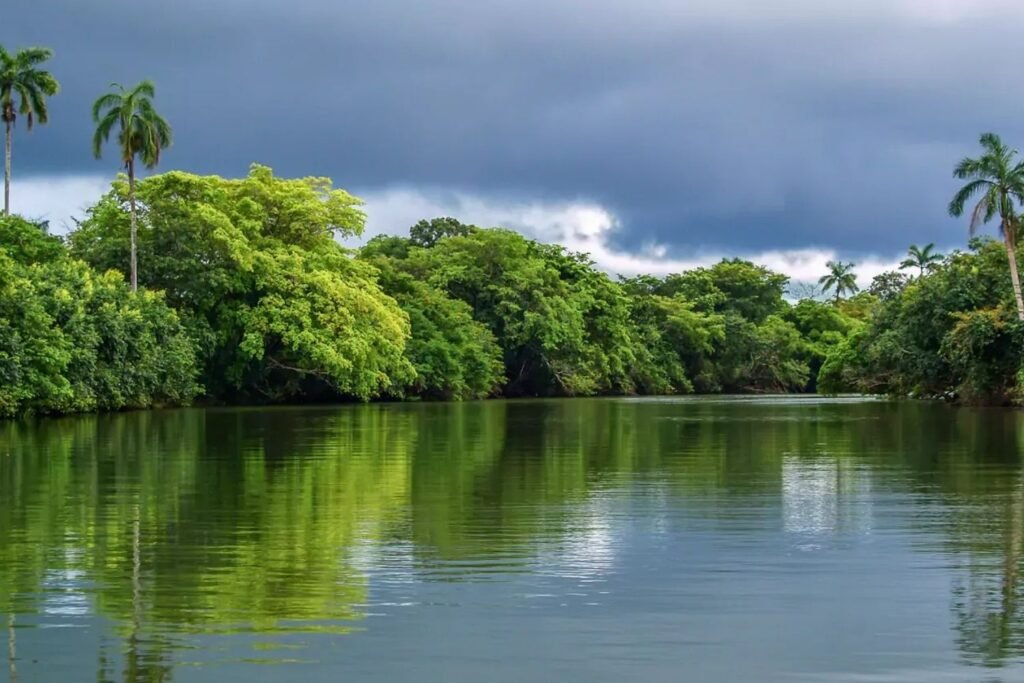
May in Belize is the transition to the green season — a month of increasing afternoon showers that rarely diminish the extraordinary reef and inland experiences that define Belizean travel. The whale shark aggregation at Gladden Spit continues through May’s full moon periods, and the cenote snorkeling and cave systems of the north are at their clearest before the rains begin. Inland, the Maya ruins of Caracol are surrounded by their forest in peak green.
Wildlife
Whale shark full moon aggregation at Gladden Spit — May is the peak month; manatees in southern lagoons
Natural Phenomenon
Green season forest transformation in Cayo District — the jungle at its most extravagant
Cultural
Maya ceremonial sites fully operational; birding at peak activity in the tropical dry forest
Colombia
May is the beginning of Colombia’s first rainy season in the Andes, but the rains arrive as afternoon showers rather than all-day weather — the mornings are typically clear, and the green that the rains produce on the Coffee Region hillsides and the Andean pastures is worth a season of planning. The whale watching season in the Pacific begins in June, but humpback whales are beginning to appear in Nuqui and Bahia Solano by late May — a Pacific coast experience that is among the least-visited great wildlife events in South America.
Wildlife
Humpback whales beginning their Pacific migration in late May; Llanos Orientales dry-to-wet season transition wildlife
Natural Phenomenon
Coffee harvest-to-crop-cycle education in Salento; seasonal menus at top restaurants in Bogota, Medellin, and Cartagena
Culinary
Coffee Region first rains — the hillsides shifting from gold to resplendent green within weeks
Peru
Machu Picchu
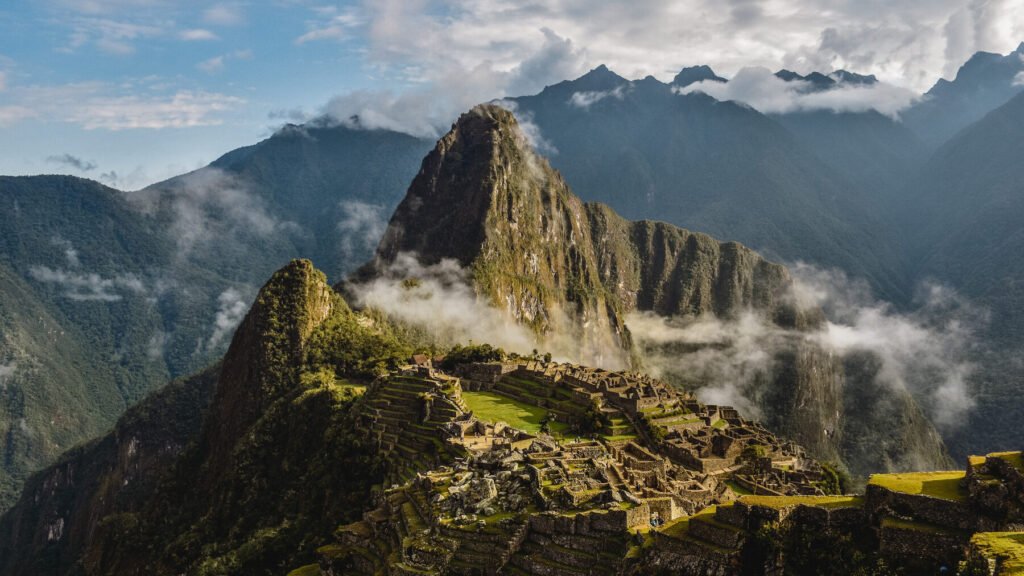
May is the beginning of Machu Picchu’s finest season — the rains definitively finished, the skies clear from morning to evening, and the ruins lit with the sharp-edged morning light of the dry season that makes the stone appear freshly placed and the surrounding cloud forest sharp-focused against a sky of deep Andean blue. The Inca Trail operates in its prime condition; the alternative treks — Salkantay, Ausangate, Lares — are at their most rewarding in May’s perfect weather. Visitor numbers are building toward July’s peak but are still manageable.
Wildlife
Spectacled bear increasingly active in the dry season; orchid season giving way to wildflowers
Natural Phenomenon
May dry-season light — the definitive Machu Picchu experience; sky blue, stone gold, cloud forest green
Culinary
Cusco restaurant season at its most ambitious
Cusco & Sacred Valley
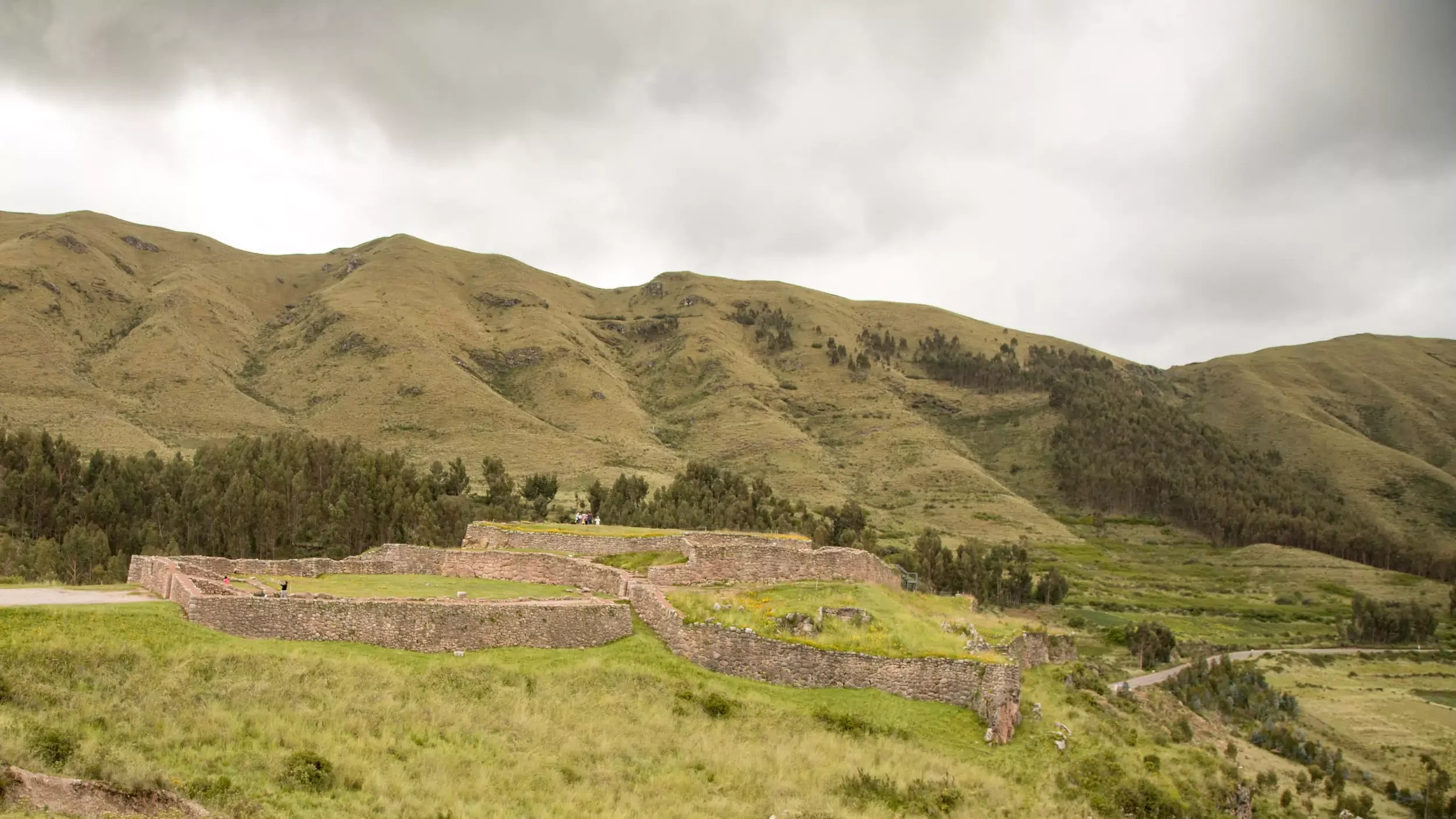
May in Cusco is the beginning of festival season — the city’s colonial and Inca cultural calendar activates with a series of celebrations culminating in Inti Raymi in June. The Cruz Velacuy festival in early May transforms Cusco’s plazas into a living museum of Andean folk tradition, with masked dances, brass bands, and devotional processions that have continued without interruption through centuries of change. The Sacred Valley is now fully dry and accessible, and the combination of archaeological sites, textile communities, and luxury lodges makes it the finest multi-day base in the Peruvian Andes.
Cultural
Cruz Velacuy festival (first weekend of May) in Cusco plazas; Sacsayhuaman’s massive walls overlooking the city
Culinary
Tasting menus that evolve with the Andean dry season produce
Natural Phenomenon
May Andes light at altitude — 3,400m clarity producing a sky depth impossible at sea level
Kuelap, Chachapoyas
Kuelap is Peru’s other great pre-Columbian fortress — older than Machu Picchu, less visited, and in some ways more impressive for the sheer scale of its construction: a walled compound 600 meters long and 110 meters wide built by the Chachapoyas culture on a ridge above the cloud forest at 3,000 meters. The aerial gondola from the valley below delivers a journey above the forest canopy to a site that remains relatively undiscovered by international travelers. May’s dry season makes the surrounding cloud forest trails accessible for birding that includes species found nowhere else.
Cultural
Kuelap fortress — Chachapoyas culture, older than Machu Picchu; sarcophagi at Karajia
Wildlife
Chachapoyas region endemic birds; yellow-tailed woolly monkey — one of the world’s rarest primate
Natural Phenomenon
Gocta Falls — one of the world’s tallest waterfalls (771m), accessible year-round but finest in May
Lake Titicaca
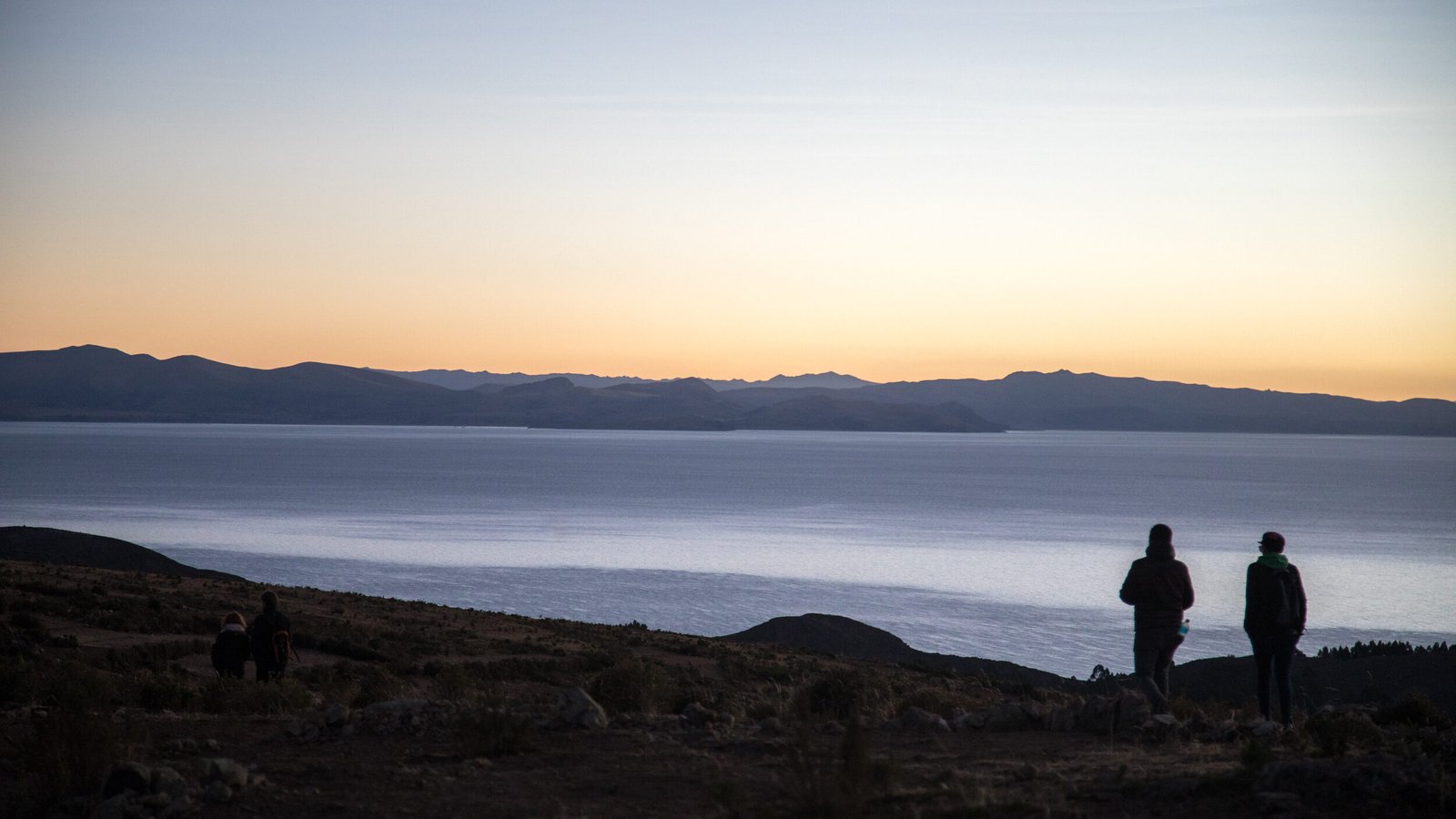
May is one of the finest months for Lake Titicaca — the altiplano sky at its most crystalline, the wind dropping to a manageable frequency, and the Uros floating islands and Taquile’s weaving communities receiving visitors in the clear, cool air that makes the lake’s altitude feel like an elevation rather than a hardship. The boat journey from Puno to Taquile takes three hours across open water at 3,812 meters; the light on that journey, the sky reflected in the lake, the mountains of Bolivia in the distance, is among the great water crossings of the Andes.
Cultural
Taquile weaving tradition — community-produced textiles of UNESCO-recognized quality; Uros reed island life
Natural Phenomenon
High altiplano light in May — the lake takes on colors that change by the hour
Wildlife
Titicaca water frog; puna ibis; Andean flamingo on the southern shores
Galapagos Islands – Ecuador
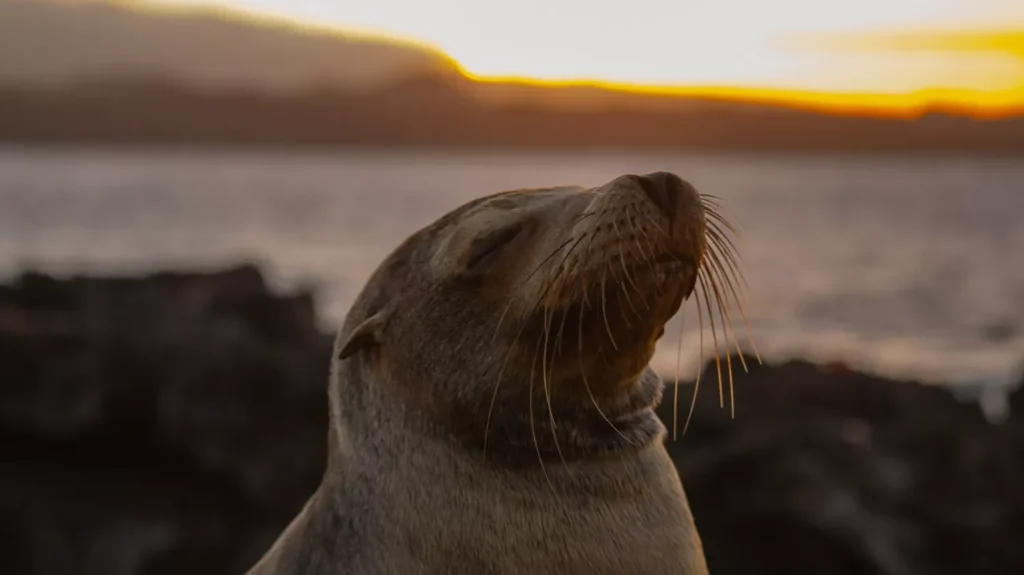
May marks the transition to the Galapagos cool season — the Humboldt Current returning, the water temperatures dropping to around 22°C, and the underwater visibility improving dramatically as the cold, nutrient-rich water supports the krill and fish aggregations that bring large pelagic species — hammerhead sharks in schools, manta rays, whale sharks in the northern islands — into range. Waved albatrosses are fully established on Española; blue-footed boobies are displaying; Galápagos sea lions are giving birth to pups that will be swimming with snorkelers by June.
Wildlife
Hammerhead shark schools in the northern islands; manta rays; waved albatross displaying on Española
Natural Phenomenon
Humboldt Current arriving — water cooling, visibility improving; garua mist beginning on the higher islands
Culinary
Expedition vessel fresh catch; Puerto Ayora restaurant scene; local Galapagos chocolate and coffee
Brazil
Chapada Diamantina
May is the finest month for the Chapada Diamantina — the wet season rains completely finished, the waterfalls still running at excellent volume, the trails dry and the heat manageable at the plateau’s 1,200-meter altitude. The Cachoeira da Fumacinha — a 340-meter freefall into a sandstone canyon, the entire descent visible from the clifftop above — is most dramatically photographed in May when the flow is high but the air is clear. The swimming pools at the base of multiple waterfalls are at their most inviting.
Wildlife
Poço Azul underwater cave in full clarity — the turquoise light at maximum intensity in May
Natural Phenomenon
Maned wolf on the cerrado plateau; giant anteater; pampas fox; marsh deer near the rivers
Culinary
Lençóis town’s local restaurants; pequi fruit dishes; cerrado honey at the farm stalls
Iguazú Falls
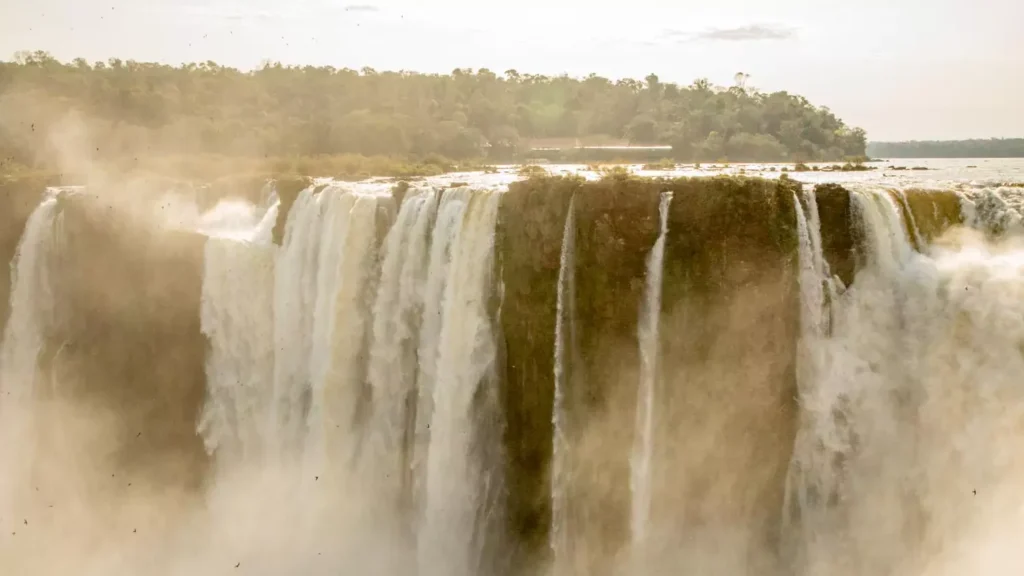
May at Iguazú is a transition — the upper Paraná rains easing, the falls gradually returning to their spectacular baseline volume from the March-April peak. The crowds of the Southern Hemisphere high season (June-August in Argentina) have not yet arrived, and May offers the falls at good flow with manageable visitor numbers on both the Argentine and Brazilian circuits. The subtropical forest is at its most vivid green, with toucans, hummingbirds, and the ever-present coatis accompanying every walk.
Natural Phenomenon
Falls at mid-volume — all 275 cascades visible and active, Garganta del Diablo at full force
Wildlife
Toco toucan nesting visible from Argentine circuit walkways; butterfly abundance in the subtropical forest
Culinary
Argentine parrilla; Guaraní community dining; local Misiones province craft beer
Chile
Atacama Desert
May in the Atacama is dry season firmly established — the altiplano rains of January and February a distant memory, the salt flat bone-white, the geysers and hot springs operating in the cold, clear air without the occasional afternoon thunderstorm of the wet season. The star observations from San Pedro de Atacama in May are among the year’s finest: the winter Milky Way beginning to appear on the southern horizon, the seeing conditions extraordinary in air that has not held moisture for months.
Natural Phenomenon
May stargazing — winter Milky Way rising; Atacama’s astronomical observatories in peak season
Wildlife
Andean flamingo breeding season on the salt lakes; vicuña herds near the Salar de Atacama
Culinary
San Pedro de Atacama restaurant scene; local pisco at the desert hotel terraces
Chile’s Wine Country
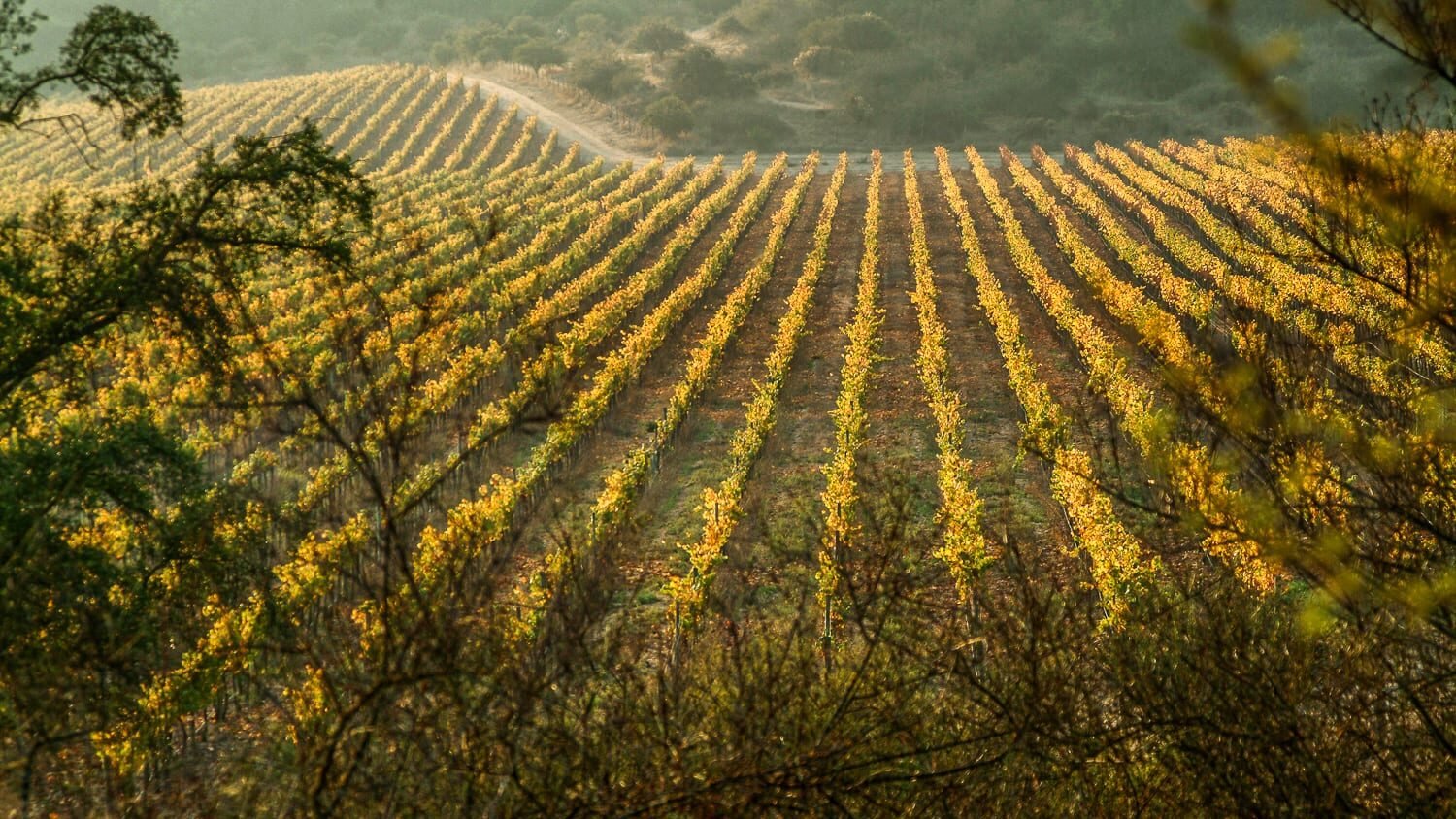
May in Chile’s wine country is a quiet season — the harvest long past, the vineyards at rest, and the bodegas offering tastings in the intimate, unscheduled way that only the off-peak months allow. The Casablanca Valley, whose Sauvignon Blanc and Pinot Noir have established Chile’s claim to cool-climate wine seriousness, is particularly rewarding in May: the morning fog still coming in off the Pacific, burning off to reveal hillsides of dormant vines against an autumn sky, the cellar temperature perfect for an afternoon of unhurried tasting.
Culinary
Casablanca Valley Sauvignon Blanc and Pinot Noir at post-harvest peak expression; cellar access in off-peak quiet
Natural Phenomenon
Morning fog rolling in from the Pacific over the Casablanca Valley vineyards — a distinctive coastal wine-country experience
Cultural
Historical winery archives and wine libraries
Buenos Aires, Argentina
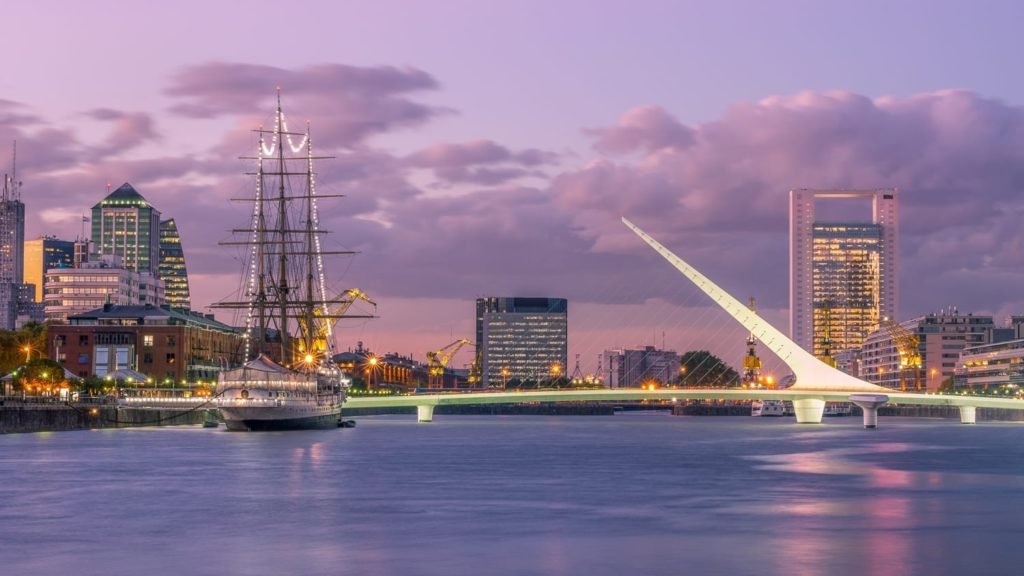
May in Buenos Aires is the beginning of autumn proper — the shade trees of Palermo at their full golden color, the river light at a low angle that makes the evening sky above the Río de la Plata extraordinary, and the city’s cultural institutions running at full intensity. The tango season peaks in the cooler months, and the milongas are operating with a combination of technique and feeling that dissipates in the summer heat. The restaurant scene continues its autumn menu evolution with Patagonian ingredients — king crab, lamb, wild mushrooms — coming into season.
Cultural
May tango milongas at peak quality; MALBA museum autumn exhibitions; Buenos Aires autumn book fair
Culinary
Autumn parrilla season
Natural Phenomenon
Palermo autumn leaf color — the plane trees lining Avenida Alvear turning gold in Buenos Aires’ most elegant neighborhood
Why Book in Advance
May’s relatively modest reputation belies its reality: it is one of the finest months to travel in Peru, the Galapagos, and Northern Patagonia, and the booking windows reflect this — Inca Trail permits for May sell out within hours of their October release. Galapagos vessels for May are 70–80% subscribed by December of the prior year. The finest lodges in the Sacred Valley and around Machu Picchu begin May with limited availability as high-season reservations crowd the calendar from both sides. May is the last month before peak-season pricing arrives in Torres del Paine. Book with the knowledge that this month’s travelers are the ones who read ahead.
READY TO PLAN YOUR JOURNEY?
Our LANDED travel designers craft bespoke itineraries for discerning couples, families, and multi-generational groups — blending deep regional knowledge with privileged access to the places, people, and experiences that define each destination.