November is the month Antarctica announces its season with full conviction. The expedition vessels are running at capacity, the sea ice is breaking up in the Drake Passage, and the first penguin chicks of the year are hatching on the Peninsula. In the Southern Hemisphere, the spring is deepening into pre-summer: Buenos Aires’s jacarandas finishing their bloom, Patagonia’s trails in prime condition, the Atacama and Easter Island in their finest visitor window. For the traveler who has been planning since January, November is a month of rewards arriving in sequence.
Central America
Guatemala
November 1 belongs to the dead in Guatemala. Día de Todos Santos brings the extraordinary kite festival of Santiago Sacatepéquez, where enormous hand-crafted barriletes (round kites) up to 15 meters in diameter are flown above the cemetery in a tradition believed to allow the living to communicate with the departed. The kites, constructed from tissue paper and bamboo over weeks of preparation, are among the most astonishing examples of folk art in the Americas. The dry season is re-establishing in the Pacific lowlands, and the highland weather is at its clearest in years.
Cultural
November 1 kite festival in Santiago Sacatepéquez — the extraordinary barrilete tradition; Todos Santos celebrations across the highlands
Natural Phenomenon
Highland dry season re-establishing — Antigua in November clear-sky quality returning after the rains
Culinary
Todos Santos traditional food; black beans and fiambre (multi-ingredient salad served only on Nov 1); chocolate ceremony
Monteverde & Arenal, Costa Rica
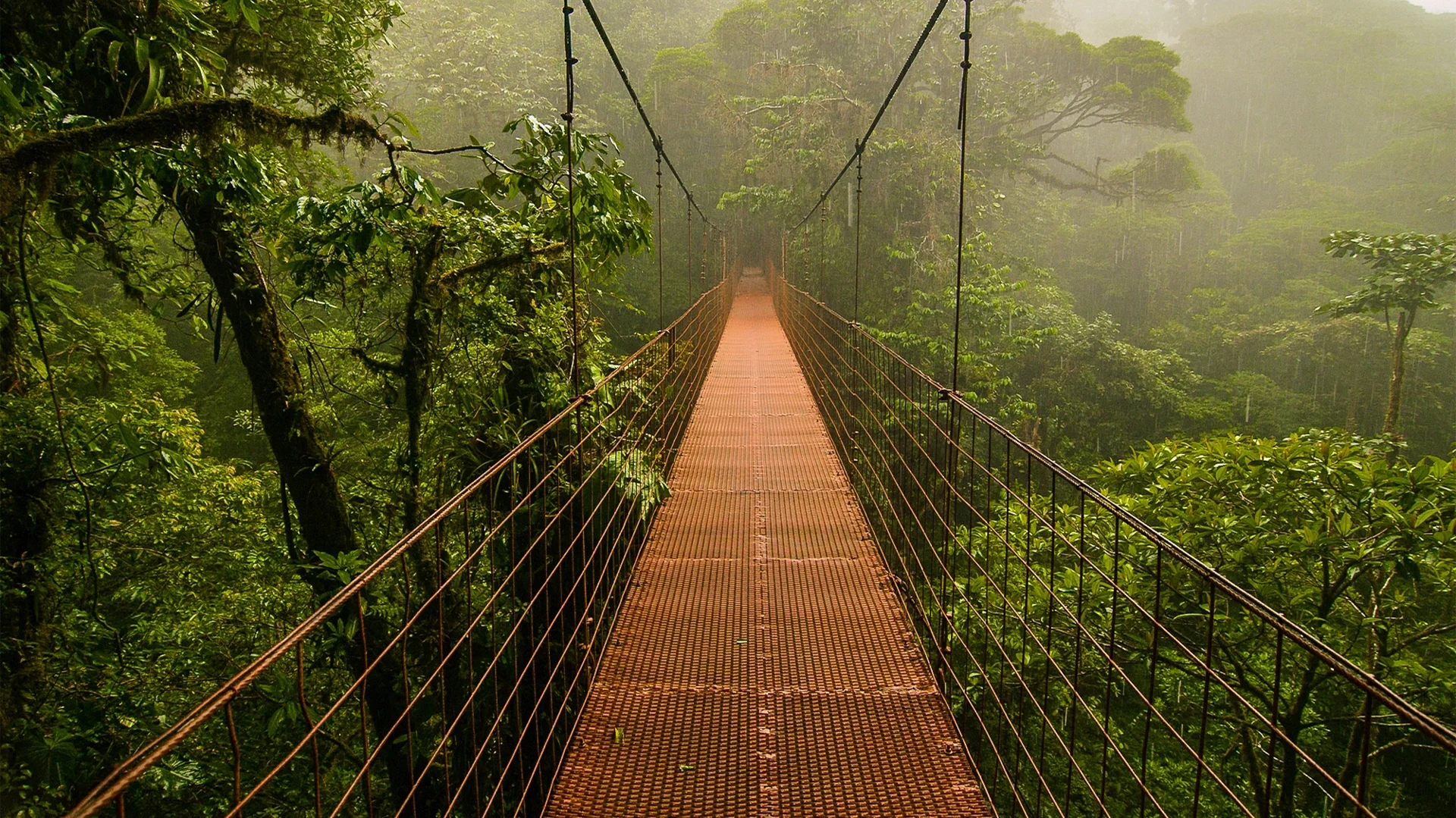
November in Costa Rica’s Central Valley and highlands marks the beginning of the dry season returning; the cloud forest of Monteverde still deeply green from the rains, but the days becoming increasingly clear. The Arenal Volcano area is best visited in the windows between weather systems that November produces: occasional clear skies revealing the cone in its full symmetry, the hot springs below heated by the geothermal system that has been running continuously for decades, long before the volcano’s last major eruption in 2010.
Wildlife
Arenal November: resplendent quetzal beginning to appear in the highlands; glass frogs on wet leaves
Natural Phenomenon
Arenal Volcano clear-sky November windows — the perfect cone visible against a blue sky behind the hot springs
Culinary
Organic farm breakfasts; Arenal-area coffee; fresh hearts of palm
Bocas del Toro, Panama
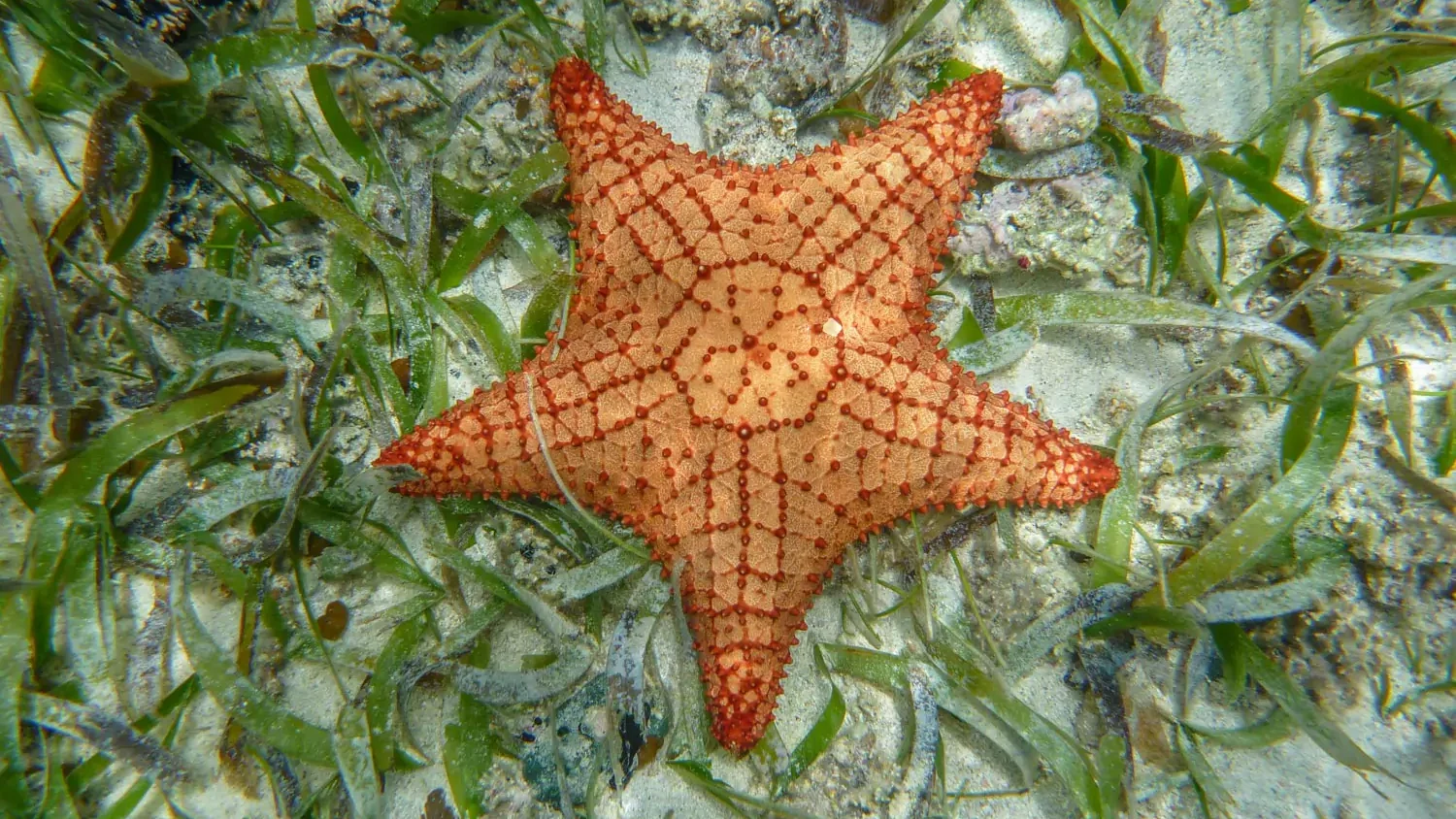
Bocas del Toro in November is in a transitional weather pattern. The Caribbean rains are tapering toward the drier December and January months, the coral gardens are accessible in the intermittent clear days, and the islands’ network of mangrove channels offers boat-based wildlife encounters regardless of rain. The sea grass beds of the archipelago host one of Panama’s most important manatee populations.
Cultural
Bocas del Toro November transition — the Caribbean archipelago in the weeks between rainy and dry seasons
Wildlife
West Indian manatee in the Bocas sea grass beds; bottlenose dolphin in the channels; three-toed sloth in the mangroves
Culinary
Bocas del Toro November transition — the Caribbean archipelago in the weeks between rainy and dry seasons
Nicaragua
November in Nicaragua sees the Pacific dry season fully re-established. The landscape begins its annual desiccation from green to gold, the colonial cities of Granada and Leon in the clearest air since April. The surf returns to consistent Pacific conditions; Laguna de Apoyo is warm and swimmable; and the Ometepe Island volcanoes rise from Lake Nicaragua in the sharp-edged November clarity.
Wildlife
Ometepe Island: howler monkey; capuchin monkey; green iguana in dry-season visibility
Natural Phenomenon
Laguna de Apoyo crater lake in the November returning dry — the clearest swimming of the year
Culinary
Nicaraguan quesillo; vigorón; fresh rum punch at the colonial hotels in Granada
Peru
Machu Picchu, Cusco & Sacred Valley
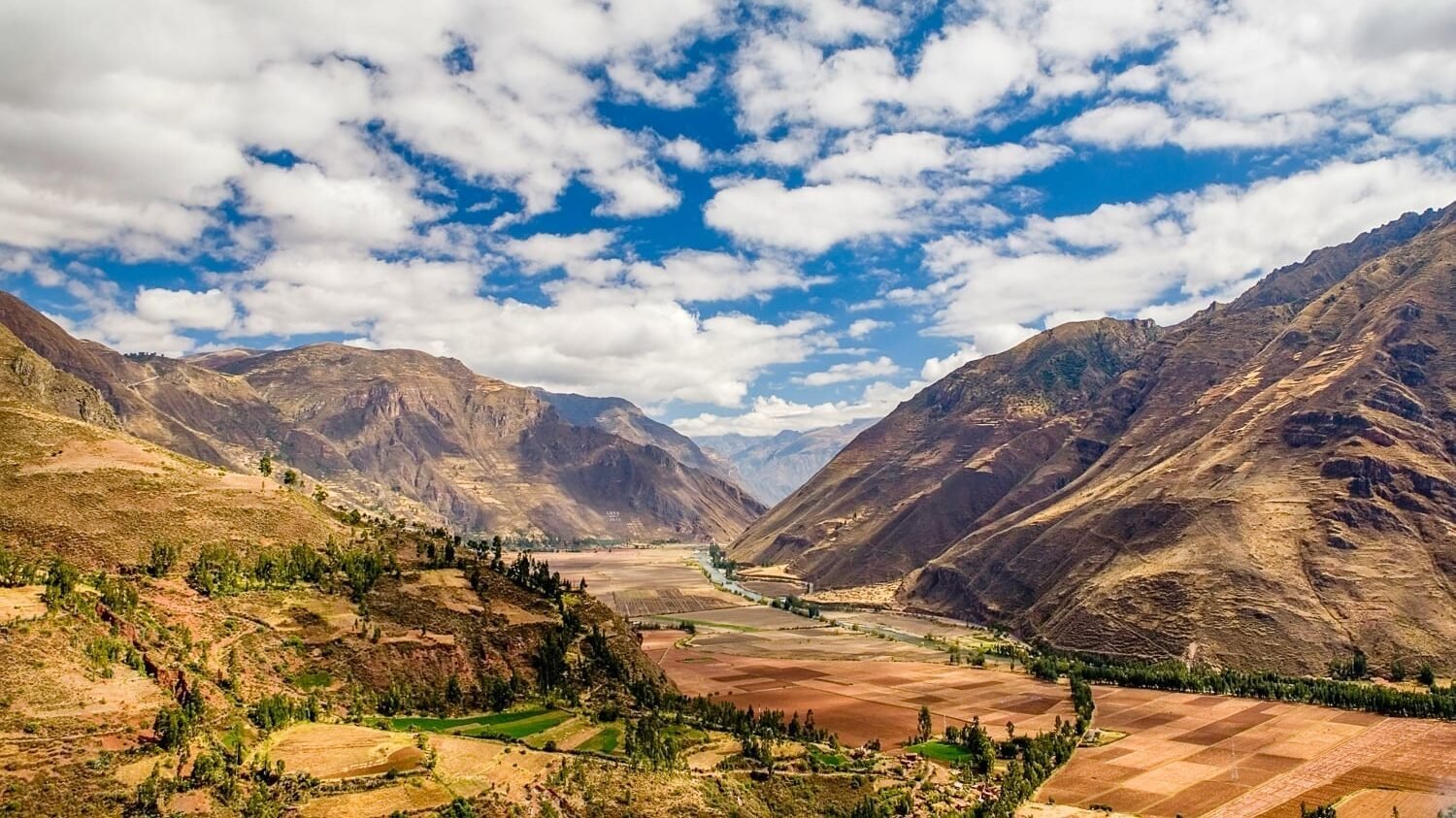
November is the beginning of Machu Picchu’s wet season in earnest, the mists returning, the ruins acquiring the cloud-wrapped quality that the high-season clear skies cannot produce. Visitor numbers are declining from the July-September peak, and the serious traveler who prefers the place in its atmospheric rather than its photogenic mode will find November deeply rewarding. The Inca Trail is open, the Sacred Valley’s planting season is underway, and the communities are in peak agricultural rhythm.
Wildlife
Spectacled bear cloud forest activity; Andean cock-of-the-rock at their leks
Natural Phenomenon
Machu Picchu in November mist — the wet season character returning; cloud inversions; orchid season beginning
Culinary
Tasting menu restaurants with shoulder-season availability; Sacred Valley planting season produce
Brazil
Fernando de Noronha
November marks the beginning of Fernando de Noronha’s best season: the water clarity reaching toward its December-January peak, the spinner dolphins at full activity, and the island in the final weeks of manageable visitor numbers before the December high season. The water temperature is warm enough for comfortable extended snorkeling, the wind from the southeast keeping the island cool, and the daily visitor cap ensuring that the experience retains the quality that distinguishes Noronha from every other Brazilian beach destination.
Wildlife
Spinner dolphin morning gatherings in November — the season’s largest pod activity; reef shark visibility improving
Natural Phenomenon
Fernando de Noronha November — water clarity accelerating toward peak; underwater visibility building toward 30+ meters
Culinary
Island restaurant season beginning; fresh tuna; cachaça caipirinha; local artisan honey
Trancoso, Bahia
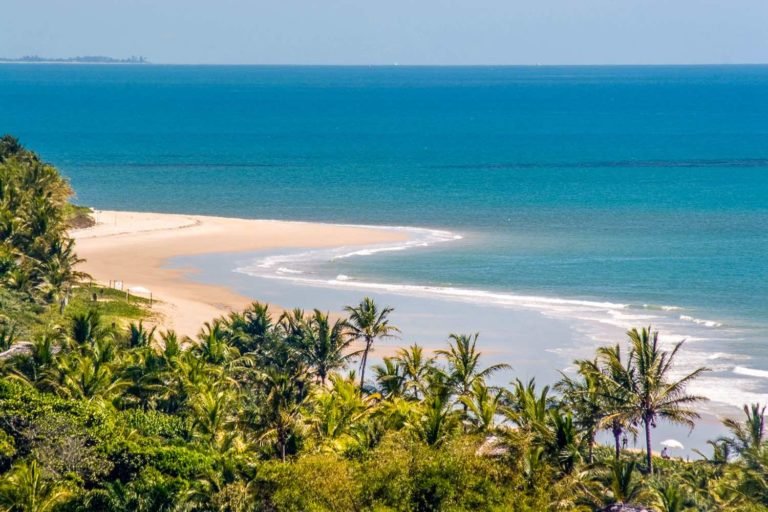
November in Trancoso is the beginning of the social high season, the Brazilian summer crowd not yet arrived in full force, but the restaurants at their most ambitious and the village at its most relaxed version of the season that peaks in December. The beaches are warm and largely empty. The cooking is thoughtful. The caipirinhas are cold. This is Trancoso at its best, aware of what it is without needing an audience to confirm it.
Culinary
November Trancoso — the finest version of the season; moqueca at peak; Bahian chocolate desserts
Natural Phenomenon
November Bahia — the sea warm enough for extended swimming, the beach light golden all afternoon
Cultural
Pataxó community visits still accessible before the December crowd arrives
Iguazu Falls
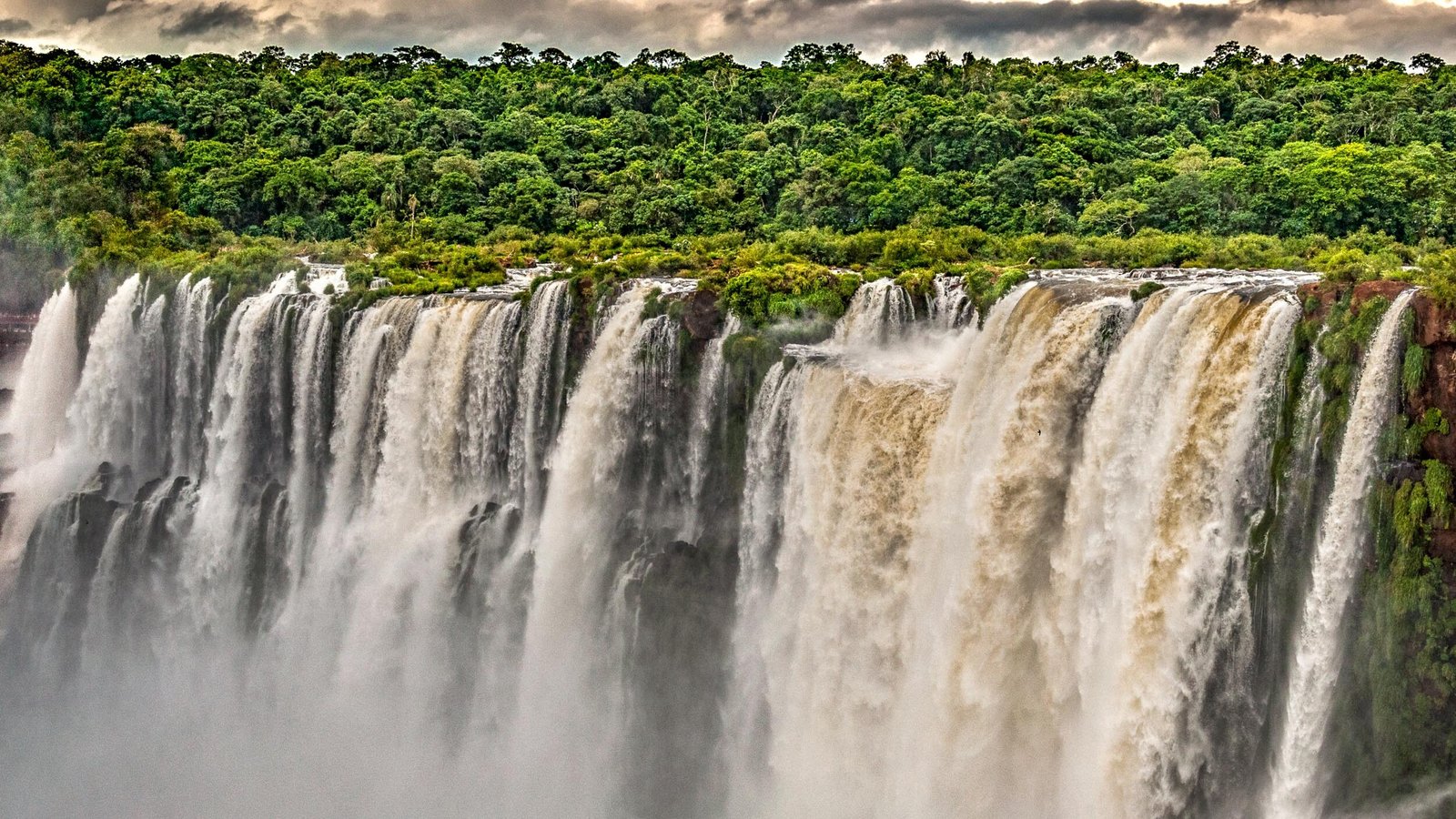
November at Iguazu is the beginning of the high season. The subtropical spring produces the most consistently pleasant weather of the year, the falls at a reliable volume, and the subtropical forest in the vivid green of new growth. The anniversary of Argentina’s Parque Nacional Iguazu brings programming and events in November, and the combination of falls, forest, and wildlife makes this one of the most comprehensive natural destinations in South America.
Natural Phenomenon
November Iguazu spring — the subtropical forest in full new-growth green; falls at stable volume; rainbows guaranteed in afternoon sun
Wildlife
Spring butterfly season in the subtropical forest; toucan nesting; giant river otter in the lower Iguazú
Culinary
Luxury lodge and hotel spring menus; parrilla culture at its best
Galapagos Islands
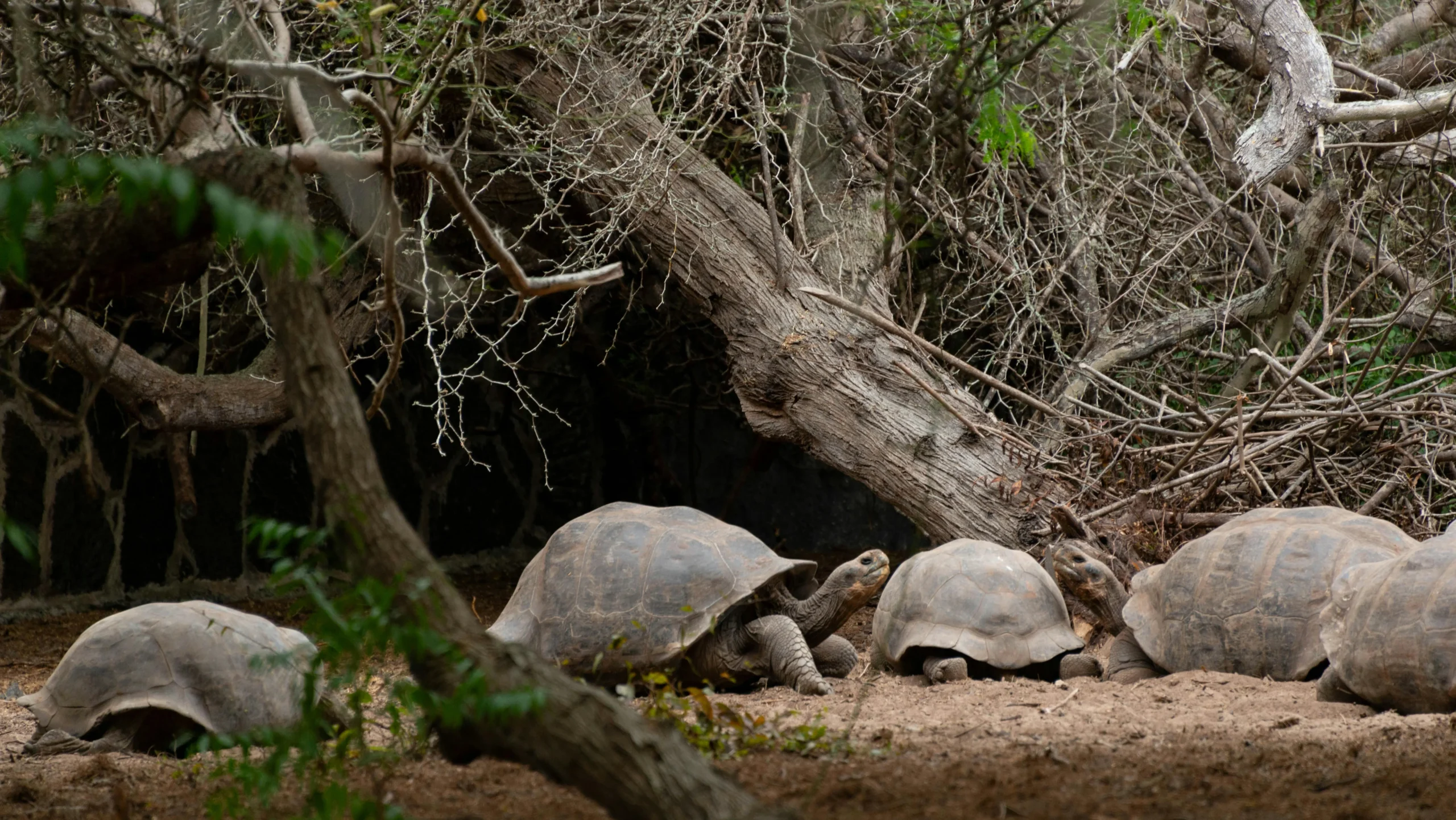
November is the Galapagos warm season beginning. The water temperatures are rising from their cold-season minimum, the first rains arriving on the higher islands, and the wildlife activities transitioning from the cool season’s pelagic abundance to the warm season’s territorial and breeding behaviors. The giant tortoises of the highlands are beginning to migrate down toward the nesting beaches; sea turtle activity is increasing; and the land iguana nesting season is underway on several islands.
Wildlife
Giant tortoise migration beginning; sea turtle nesting activity increasing; land iguana nesting on Santa Cruz and Isabela
Natural Phenomenon
Warm season beginning — the first rains on Isabela and Santa Cruz highlands; the islands greening
Culinary
Farm-to-table experiences at port restaurants and luxury villas; fresh Galapagos ceviche and sashimi; locally grown coffee
Chile
Atacama Desert
November in the Atacama is the spring season. The daytime temperatures warm, the nights cold but manageable, and the geysers, flamingos, and salt flats at their most accessible without the summer peak crowds of December and January. The wildflower event that occasionally transforms the desert valleys in October extends into November in good years, and the spring air brings the clarity that makes the Atacama’s astronomical reputation deserved.
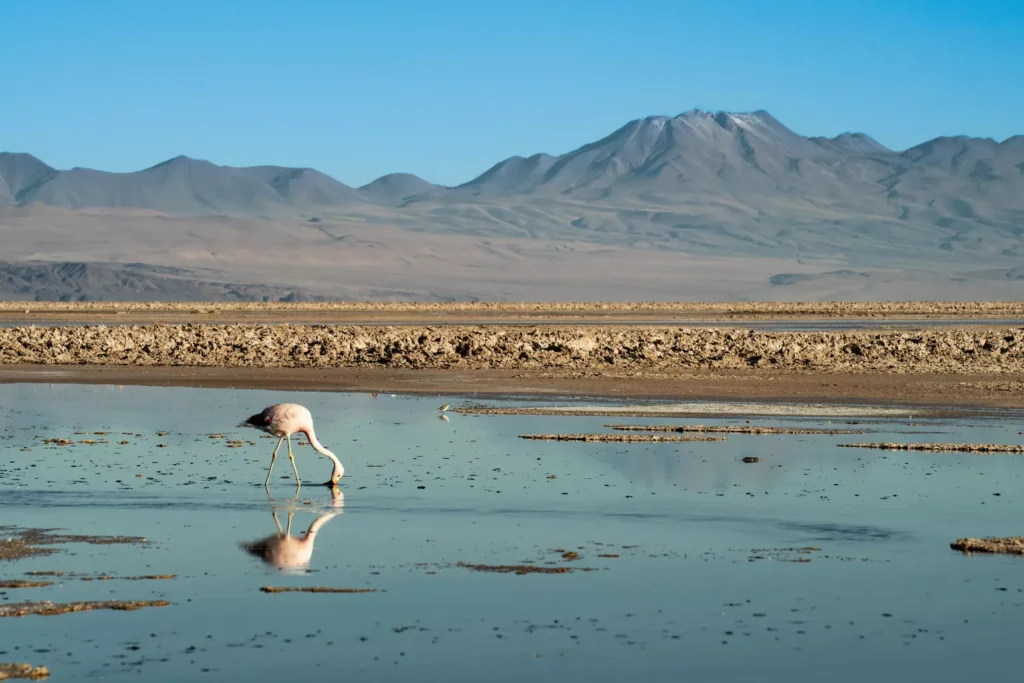
Wildlife
Flamingo breeding season beginning on the salt lakes; vicuña with young; Andean fox active in spring
Natural Phenomenon
November Atacama spring — the finest daytime weather of the year; potential wildflower event; excellent stargazing
Culinary
San Pedro spring restaurant scene; local quinoa and potato preparations; pisco sour
Easter Island (Rapa Nui)
November on Easter Island is the pre-Tapati shoulder season: warm, clear, and available in a way that the January festival month is not. The island has fully transitioned to its warm season, the ocean temperatures are ideal for swimming and snorkeling, and the moai platforms are visited with a tranquility that the January crowds eliminate. The Rano Kau volcanic crater, its lake covered with miniature totora reed islands, is one of the world’s great geological features and best visited in November’s quiet.
Cultural
Pre-Tapati quiet — the island preparing for the January festival; cultural projects accessible to interested visitors
Natural Phenomenon
Rano Kau crater lake — the most dramatic volcanic crater viewpoint on Easter Island, accessible year-round
Wildlife
Sea turtle in the warm November waters; frigatebird colonies on the volcanic coast
Southern Patagonia — Torres del Paine
November is Torres del Paine’s spring opening. The park comes out of its winter quietude, the trails accessible, and the puma population in a period of high activity as the guanaco herds are giving birth to their calves. The combination of puma hunting activity and guanaco vulnerability in November creates wildlife encounters that rival October for intensity. The towers themselves, in November’s alternating spring weather, appear and disappear against the sky in a pattern of revelation that makes the visit feel specifically earned.
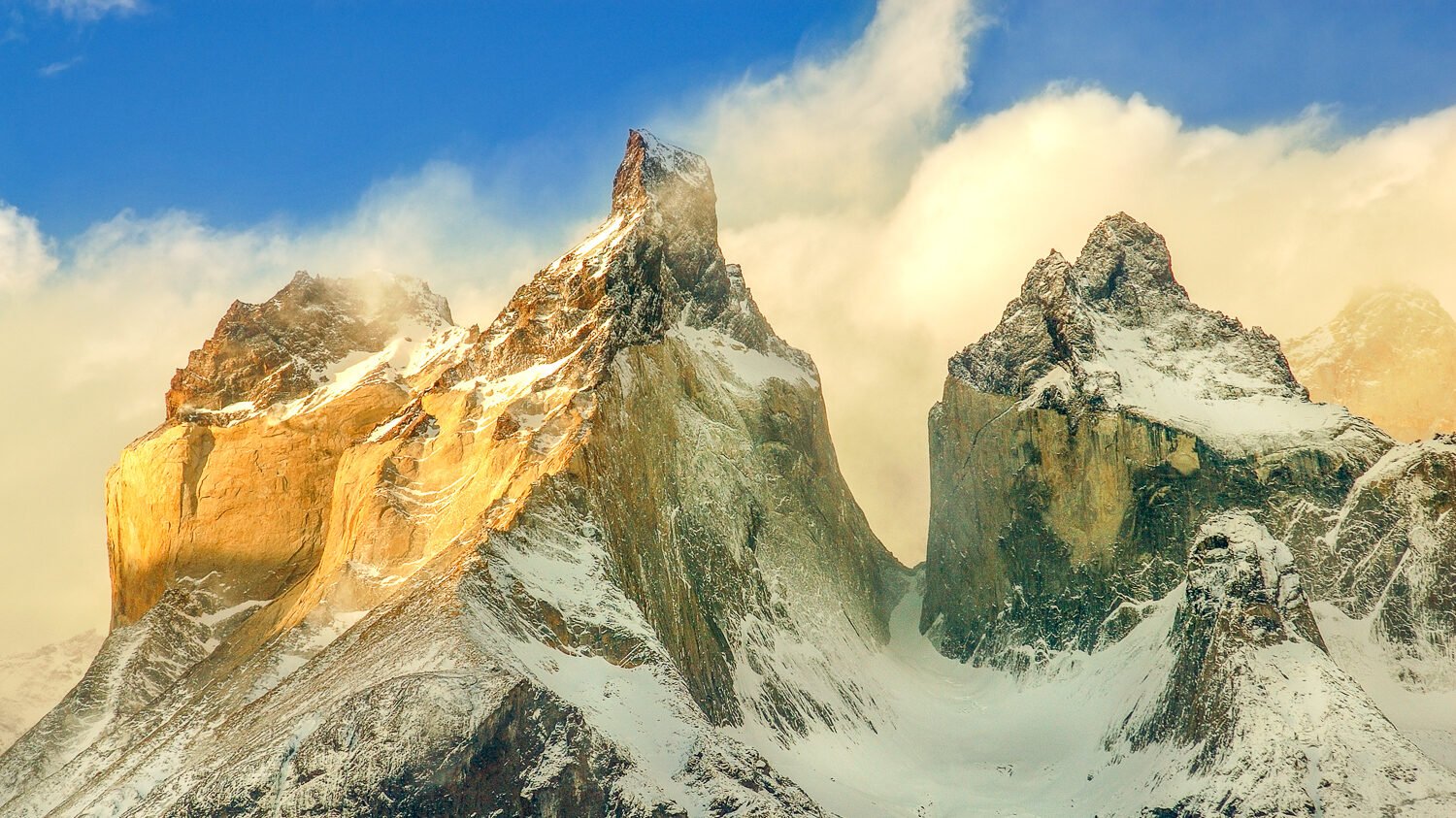
Wildlife
Puma hunting activity with guanaco calves born in November — the most dramatic predator-prey encounters of the year
Natural Phenomenon
Torres del Paine spring — the lenga forests in new-leaf green; the towers alternating clear and cloud in spring weather
Culinary
Explora and Awasi lodges in spring opening mode — Patagonian lamb, king crab, Casablanca white wines
Argentina
Buenos Aires
November in Buenos Aires is the tail of the jacaranda bloom and the full intensity of the spring cultural season. The best restaurants fully booked, the tango milongas operating at their spring quality, and the city’s outdoor culture in full expression: concerts in the botanical garden, outdoor film screenings in Palermo parks, and the riverside promenade of Puerto Madero in the evening light of a spring that arrives in the Southern Hemisphere with the same conviction as its northern counterpart.
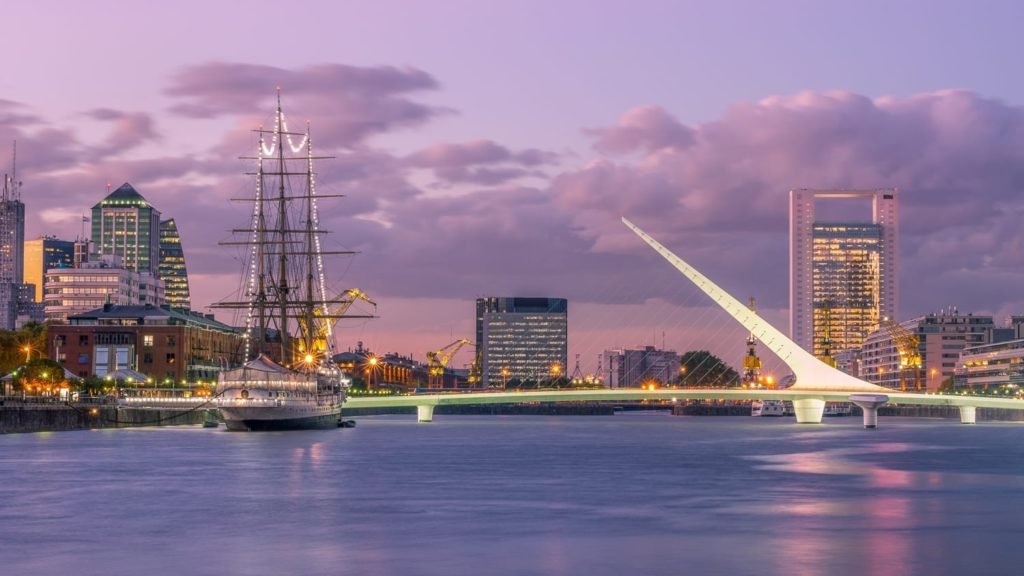
Cultural
Buenos Aires spring peak — tango milonga quality, theater season, FIBA art fair
Culinary
November restaurant prime season: Don Julio, Tegui, Narda Comedor; spring asado season; spring lamb
Natural Phenomenon
Río de la Plata November light — the world’s widest river in spring evening light from the Puerto Madero promenade
Northern Patagonia — Bariloche & Nahuel Huapi
November is Northern Patagonia’s moment of becoming. The lenga beech forests releasing their new growth in a green so vivid it seems almost improbable after the winter’s gray, the snowmelt waterfalls running in full throat above the lakes, and the trail network of Nahuel Huapi National Park opening to the first walkers of the season. Bariloche, for all its European affectations, sits at the edge of a wilderness that is authentically Patagonian: condors riding thermals above the Tronador massif, the emerald Nahuel Huapi lake extending forty kilometers toward the Chilean border, and the spring arriving at a geological pace that makes a human week feel like a long time to stay.
The fly-fishing season on the Limay, Manso, and Traful rivers opens in November, and these rivers, which run cold and clear from Andean snowmelt, hold brown and rainbow trout of a size that rewards the patient caster who understands that the best pools are reached by walking. San Martín de los Andes and Villa La Angostura, smaller and more elegant than Bariloche, offer the Patagonian lake district in a quieter register that November, with its spring visitor numbers, provides best.
Natural Phenomenon
Nahuel Huapi spring — snowmelt waterfalls above the lake at peak volume; the lenga forests in their most vivid new-leaf green; condors on Tronador thermals daily
Wildlife
Fly-fishing season opening on the Limay and Traful; Andean condor; huemul deer on the spring-greening slopes; black-necked swans on the coves
Culinary
Bariloche spring lamb; new-season smoked trout from the lake lodges; craft chocolate and craft beer in full spring operation
El Chalten & El Calafate
El Chalten opens its season in November with the conviction of a place that has been waiting for the light to return — and in the Southern Hemisphere’s finest trekking village, the light returning means the Fitz Roy massif catching the first long alpenglow of the season, the Río de las Vueltas running clear and cold with snowmelt, and the trails into Los Glaciares National Park emerging from their winter cover in a sequence of days that feels like geography being invented. The Chaltén trekking season in November carries a quality that July, August, and September cannot: the wildflowers of the Patagonian steppe are beginning, the lenga beeches in their first spring leaf, and the Laguna de los Tres trail delivers the Fitz Roy reflection in the lagoon whose ice has only recently receded.
El Calafate, three hours south, anchors the glacier experience: the Perito Moreno is among the world’s only advancing glaciers, and November brings the season’s first significant calving events — vast walls of blue-white ice shearing from the terminus in slow-motion collapse that produces a sound like distant artillery across Lago Argentino. The glacier’s ice bridges and tunnels, formed over winter, are still intact in early November, and the walkway system delivers views at multiple elevations that allow the scale of the thing — thirty meters of ice above the waterline, another seventy below — to accumulate slowly in the body rather than arrive all at once.
Wildlife
Perito Moreno November calving — the glacier’s ice bridges still intact in early November; major calving events beginning as the season opens; the advance still measurable daily
Natural Phenomenon
Puma moving through Los Glaciares National Park on the spring guanaco calf arrival; Andean condor above Fitz Roy at dawn; flamingo on the salt lakes near El Calafate
Culinary
El Chaltén November: craft beers; lamb asado after a full-day Fitz Roy circuit; Patagonian chocolate; El Calafate’s namesake berries
Salta & the Northwest
November in Salta is the beginning of summer. The Calchaquí Valley vineyards in full-leaf growth, the Quebrada de Humahuaca vivid with new vegetation after the spring rains, and the Puna wildflowers still visible at altitude before the summer heat burns them back. Bodega Colome, one of the world’s highest commercial wineries, offers estate stays with vineyard and art immersion experiences of unexpected perfection.
Culinary
Bodega Colome high-altitude Torrontés and Malbec estate experience; locro stew in the cool Puna evenings
Cultural
Quebrada de Humahuaca UNESCO site in spring — the canyon villages in new green context
Natural Phenomenon
November Salta: Puna wildflowers still present at altitude; Calchaqui Valley in new-leaf vineyard green
Antarctica
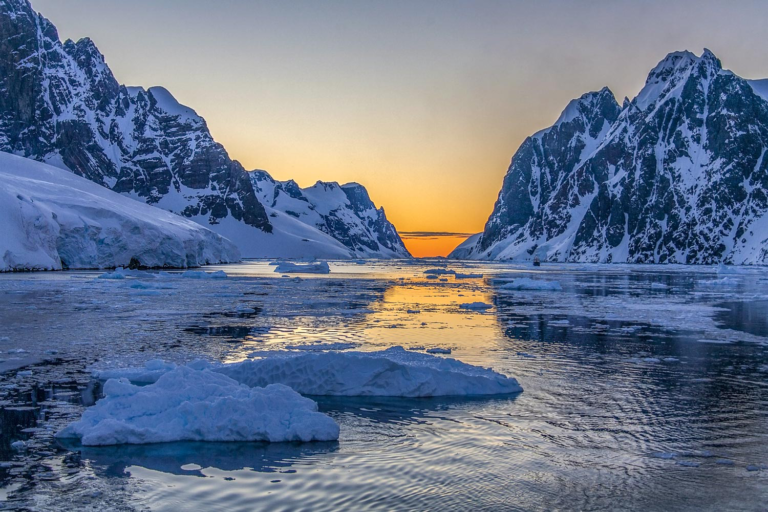
November is the opening month of the Antarctic expedition season. The sea ice is breaking from the Peninsula coasts, the first expedition vessels are making their Drake Passage crossings, and the first gentoo and chinstrap penguin pairs are beginning to build their stone nests on the rocky shores of the Peninsula. The first-month experience is different from January’s peak: the ice is more extensive, the scenery dominated by white rather than the blue-water expanse of midsummer, and the solitude more complete. For travelers who prefer their expeditions with a frontier quality, November is the month.
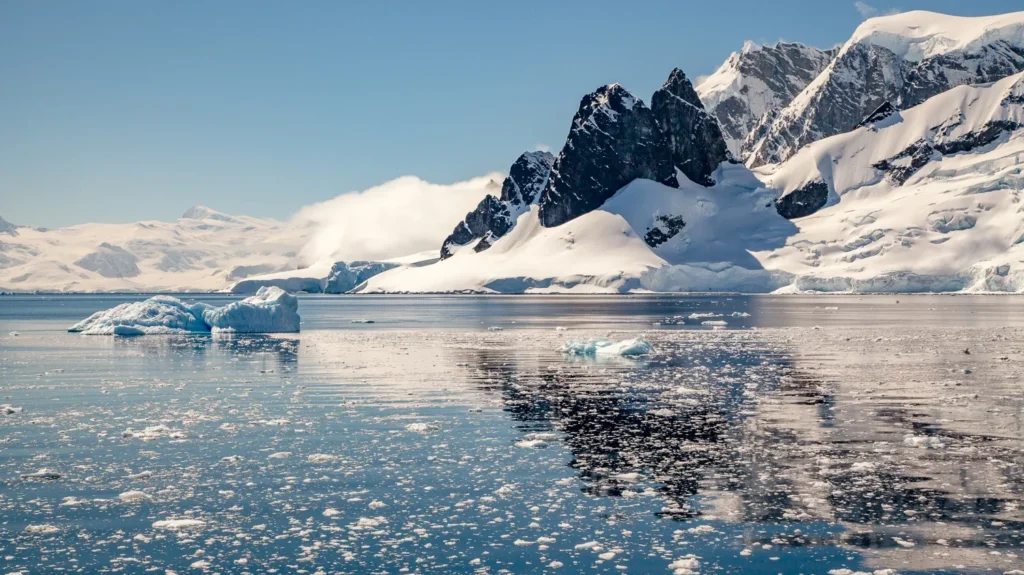
Wildlife
First penguin pairs beginning nest construction; first humpback whale sightings of the season; crabeater seals on pack ice
Natural Phenomenon
Pack ice in November — the Peninsula approach through sea ice of greater extent than midsummer; icebergs in highest density
Cultural
Historic huts accessible in November’s first expedition visits; South Georgia king penguin colonies at full activity
Why Book in Advance
November is Antarctica’s opening month, and the finest small ships those with 100 or fewer passengers- the naturalist-to-guest ratios that define the expedition experience fill for November twelve to fourteen months in advance. Torres del Paine November puma-season lodges are now widely known and book rapidly; Explora and Awasi take November reservations as part of full-season packages sold in the preceding January. Fernando de Noronha November accommodation requires 6–9 months in advance of planning; the island’s best properties are taken by October. Trancoso November luxury villas begin their seasonal pre-sales in June. The sophisticated traveler who understands that November represents the Southern Hemisphere at its best and its least crowded has a booking window of approximately one year.
READY TO PLAN YOUR JOURNEY?
Our LANDED travel designers craft bespoke itineraries for discerning couples, families, and multi-generational groups — blending deep regional knowledge with privileged access to the places, people, and experiences that define each destination.