December is the month the Southern Hemisphere has been building toward since July. The summer solstice arrives on the 21st and the days extend toward their maximum length. In Antarctica, the expedition season is in full operation, the sea ice at its annual minimum and the penguin colonies at their photogenic zenith. In Brazil, Trancoso and Fernando de Noronha are in their prime season. Buenos Aires is warm and social. Patagonia’s trails are fully open. And from Belize to the Galapagos, the Christmas and New Year period achieves apex visitation in the hemisphere’s finest month.
Central America
Arenal & Monteverde, Costa Rica
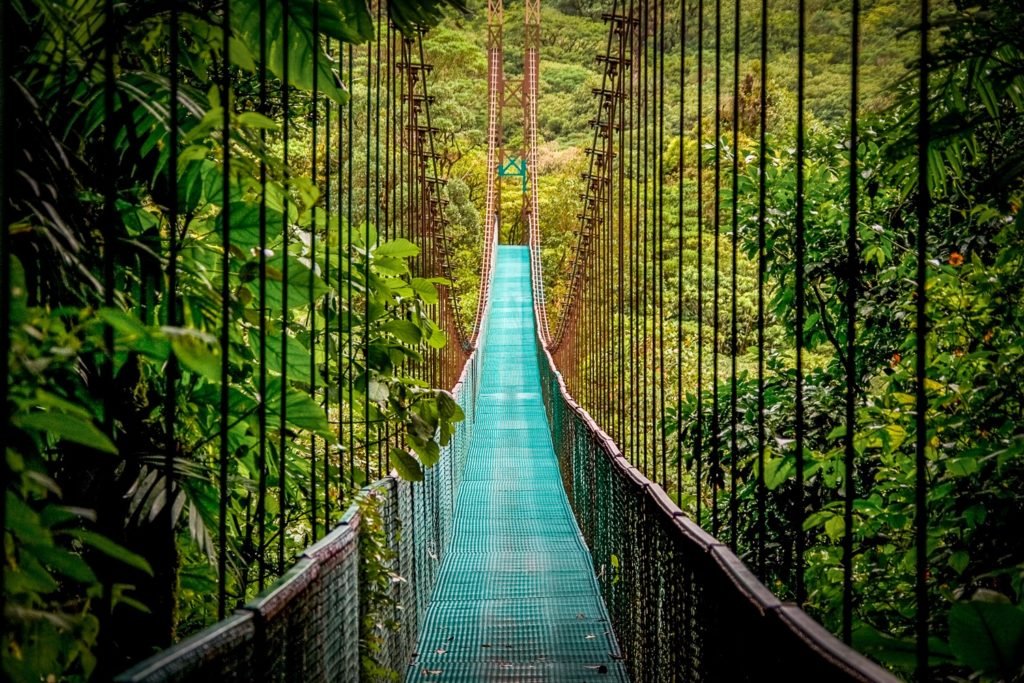
December marks the beginning of Costa Rica’s dry season on the Pacific side: the clouds thinning over Arenal, the volcano occasionally visible in the afternoon clarity, and the Monteverde cloud forest beginning its drier phase while retaining the biological density that the rainy season produced. The hot springs resort corridor at Arenal is in its high-season mode: the luxury properties fully operational, the volcano sometimes visible at night from thermal pools heated by the geothermal system below.
Natural Phenomenon
Arenal Volcano in December’s clearing sky — the cone increasingly visible as dry season establishes
Wildlife
December resplendent quetzal returns to Monteverde after breeding — non-territorial individuals accessible
Culinary
Costa Rica December: farm-to-table eco-lodge cuisine; Arenal-area tilapia; cloud forest honey
Guatemala
December in Guatemala is the heart of the dry season and the Christmas season simultaneously. Antigua in December is its most beautiful self: the colonial architecture decorated with elaborate nacimientos (nativity scenes), posadas processions through the streets in the evenings, and the whole city operating at a festive register that layers contemporary celebration over centuries of tradition. The ruins of Tikal receive the winter solstice with a particular atmospheric quality: the morning mist over the forest, the jungle at its driest and most penetrable.
Cultural
Antigua December posadas processions; elaborate nacimiento tradition; Christmas market in the central park
Natural Phenomenon
Tikal winter solstice — the December 21 sunrise aligns with specific temple orientations
Culinary
Guatemalan Christmas tamales; ponche caliente fruit punch; Antigua’s international restaurant scene in December
Belize
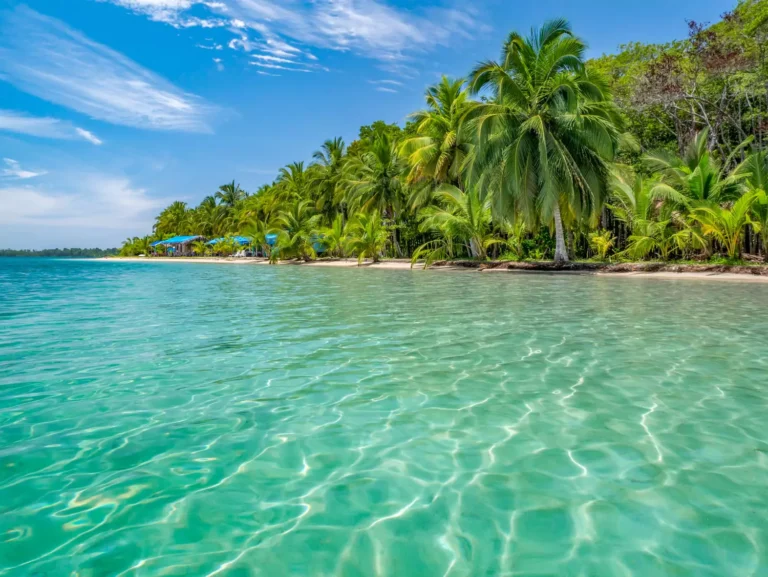
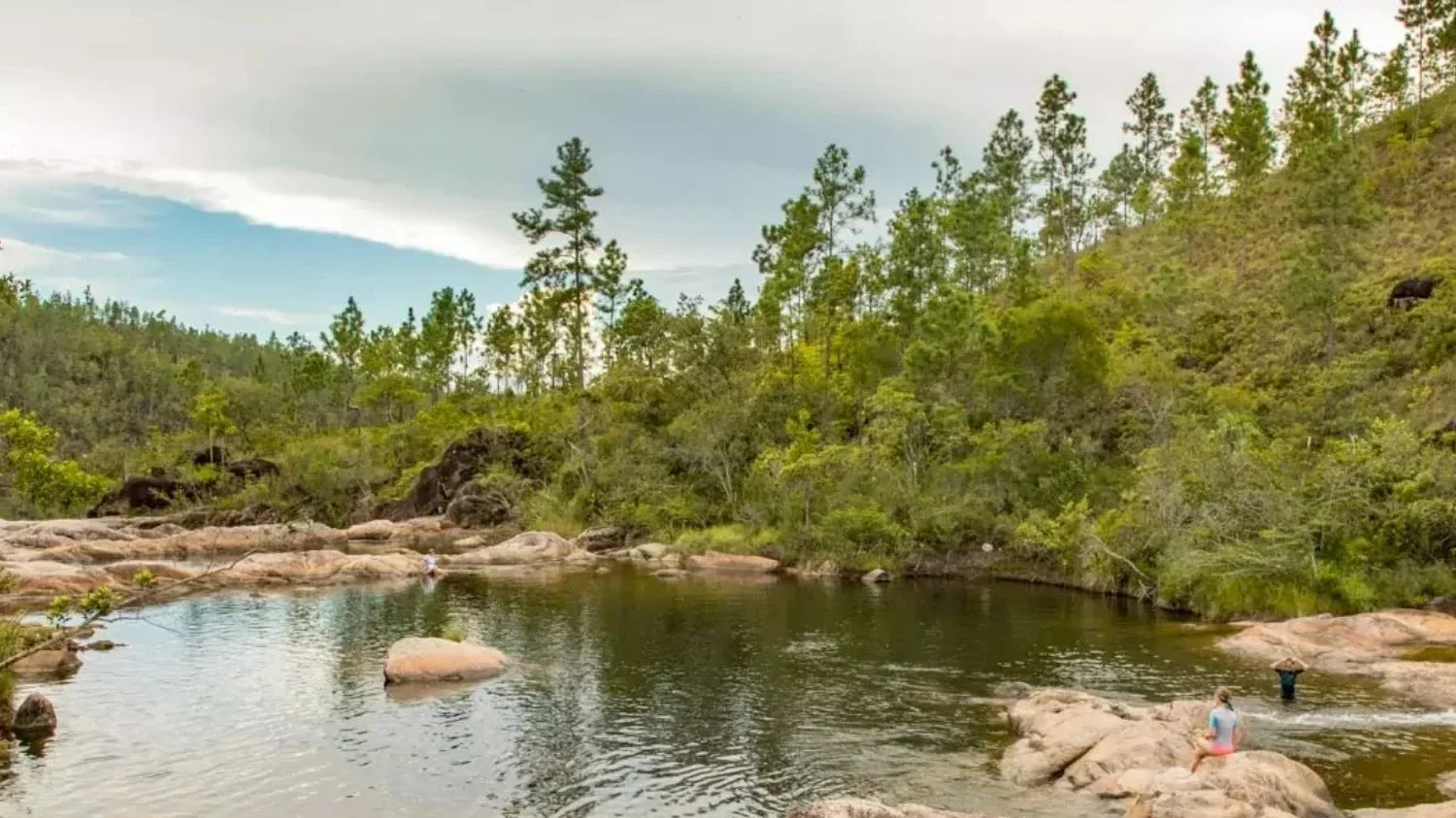
December is Belize’s finest month. The dry season is fully established, the reef visibility is at its annual peak, and the inland jungle is at its most navigable. The winter-season snorkeling and diving conditions on the Belize Barrier Reef are exceptional: the Mesoamerican Reef’s coral gardens, nurse sharks, rays, and sea turtles in water whose clarity is matched nowhere else in the Caribbean north of the Galapagos. Inland, the Maya ruins receive the dry-season light in a way the rainy months cannot produce.
Wildlife
December reef conditions — nurse shark; stingray; sea turtle; reef fish in peak dry-season visibility
Natural Phenomenon
December Great Blue Hole visibility — the 124m shaft in its clearest winter-season water
Cultural
Maya ruins in dry-season clarity; Garifuna cultural events in the southern coast towns
Nicaragua
December in Nicaragua is dry season at its finest. The Pacific coast is golden and the colonial cities Granada and León in their clear, warm holiday season. The surf is consistent; the volcanic lakes clear; and the Christmas celebrations in Managua and Granada involve an elaborate tradition of La Purisima (immaculate conception) festivities in early December that fill the streets with music, fireworks, and the particular joyful noise of a country that celebrates its traditions without self-consciousness.
Cultural
La Purisima celebration (December 7–8) — Granada and León’s elaborate street festival tradition
Natural Phenomenon
December dry season clarity — Laguna de Apoyo and Lake Nicaragua in their finest, clearest weeks
Culinary
Traditional Nicaraguan ponche; nacatamales for Christmas; Flor de Caña rum at source
Panama
December is peak dry season in Panama City and the Pacific provinces: the rains finished, the Canal visible from the Miraflores Locks in the sharpest air of the year, and the Casco Viejo neighborhood of the capital at its most atmospheric in the holiday season. The Christmas decorations of the old city’s colonial facades, the restaurant scene fully energized by the returning winter visitor season, and the San Blas Islands reachable by private yacht in the calmest seas of the year.
Cultural
Panama City Casco Viejo December — holiday decorations on colonial facades; Miraflores Locks in dry-season clarity
Wildlife
San Blas Islands December — flat sea, perfect snorkeling clarity, Guna community in its calmest season
Culinary
Panama City Christmas: sancocho de gallina; Panama chocolate at artisan producers; Casco Viejo tasting menus
El Salvador
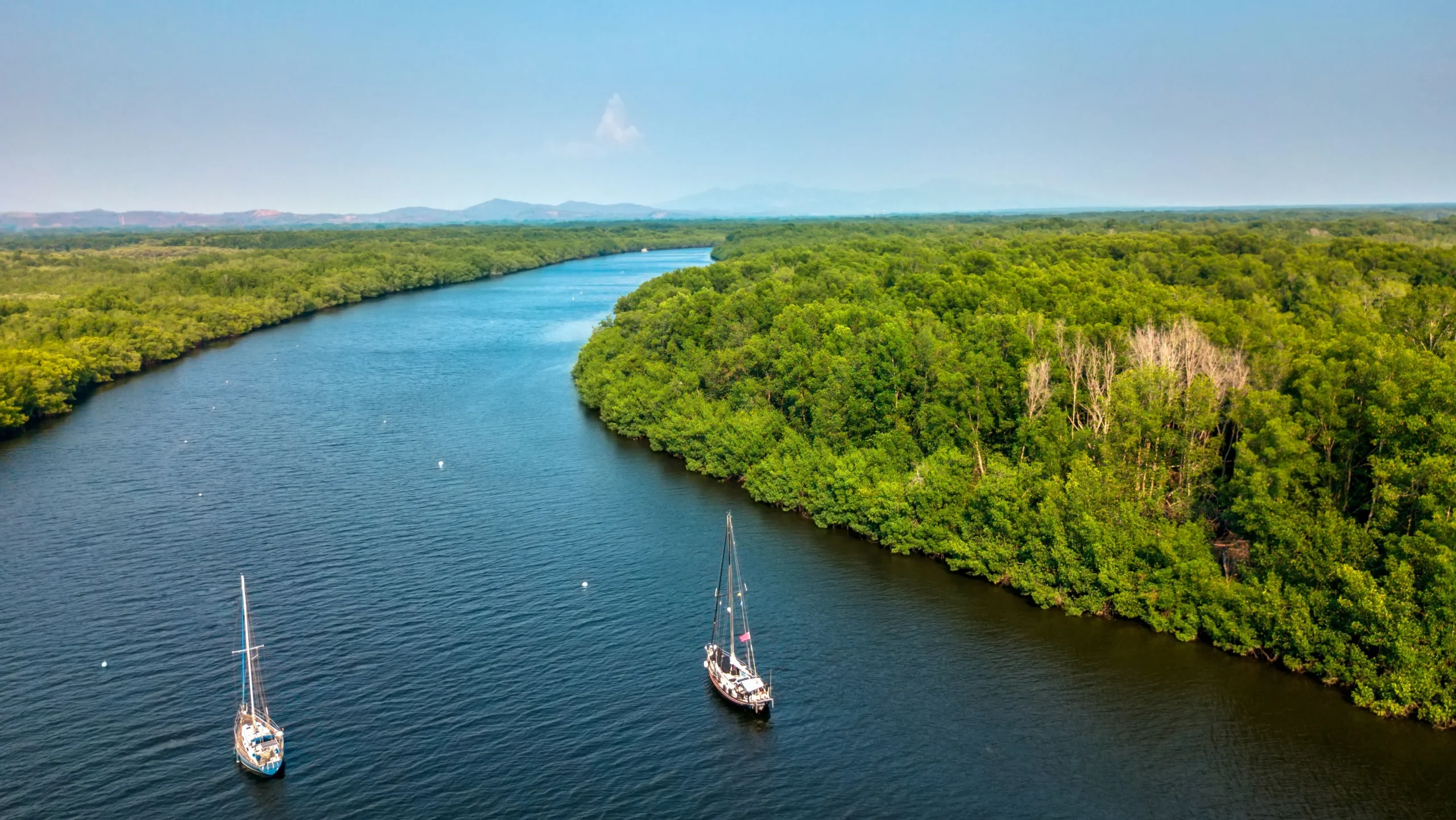
El Salvador in December is the dry season at its clearest and its most festive: the Christmas traditions of the country involving elaborate street decorations, nacimiento traditions in homes and churches, and the surf season maintaining its consistent Pacific swells. The Ruta de las Flores highland towns hold Christmas markets in December that represent some of the finest artisan craft shopping in Central America.
Cultural
El Salvador Christmas traditions — elaborate nacimientos; highland town Christmas markets
Natural Phenomenon
December dry season Pacific surf — consistent south swells at Punta Roca and El Tunco
Culinary
Christmas Salvadoran food: pavo (turkey) with curtido; ponche; traditional Salvadoran craft rum
Honduras
December in Honduras is dry season. The Bay Islands in their finest conditions, the Mesoamerican Reef at peak visibility, and the Copan archaeological site in the clear, golden light of the dry season that makes the hieroglyphic stairway most comprehensible to photograph and to contemplate. The country’s Christmas market tradition in small towns produces some of the most genuine holiday atmosphere in Central America.
Wildlife
December Bay Islands reef — peak dry-season visibility; eagle rays; hawksbill turtle
Cultural
Copán December — the archaeological site in dry-season clarity; holiday traditions in Copán Ruinas town
Culinary
Honduras Christmas nacatamales; fresh Bay Island lobster; Copán cacao ceremony
Colombia
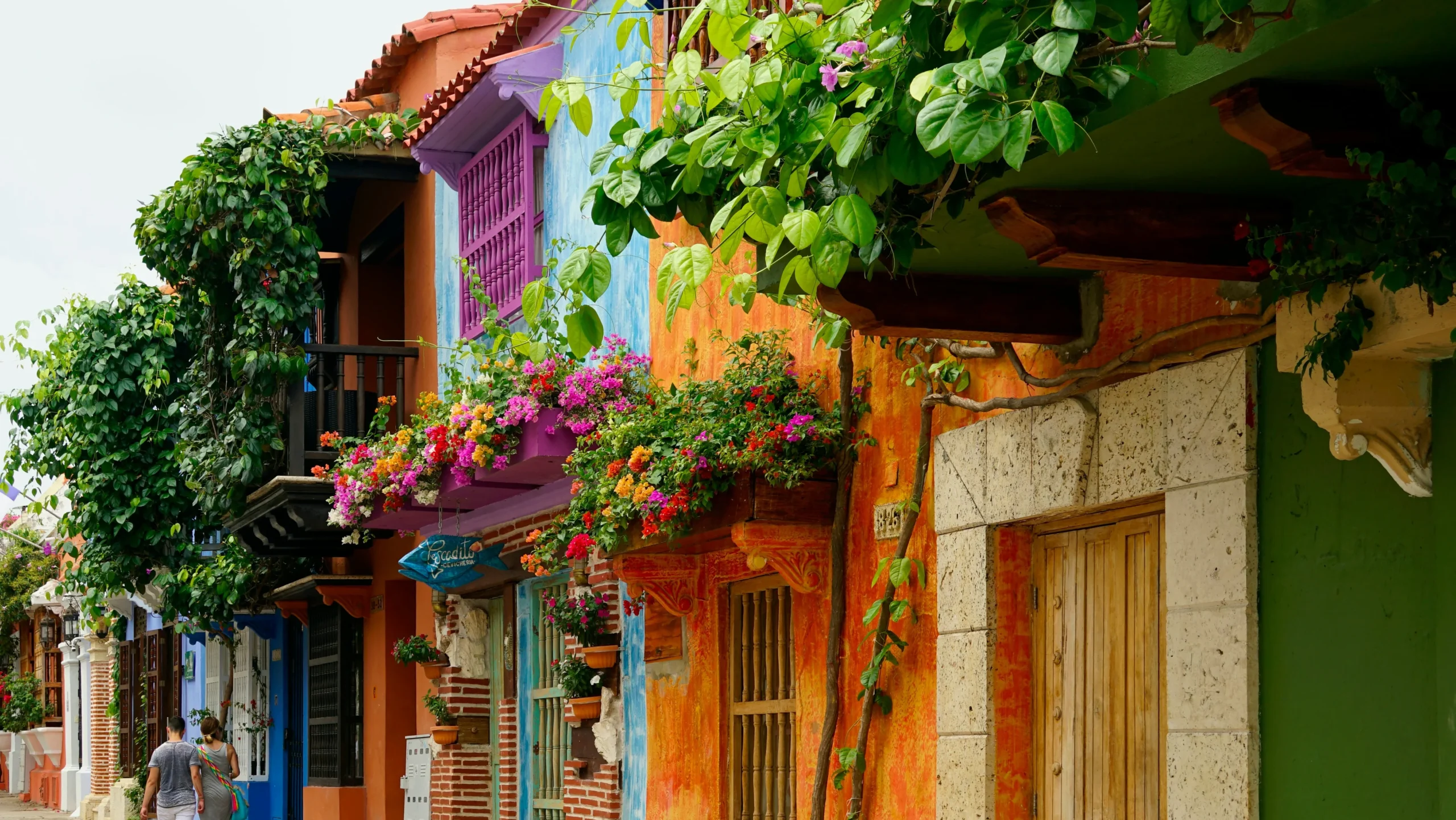
December is Colombia’s holiday high season. Cartagena’s Walled City in its most festive and most beautiful state, the Caribbean coast warm and dry, and the interior cities engaged in the elaborate novenas traditions that fill the nine nights before Christmas with candlelight processions, traditional music, and the kind of communal celebration that only survives in cultures that have not yet outsourced the holidays to commerce. Medellín’s Christmas light display, the city’s Alumbrado Navideño, is one of the world’s most extravagant: millions of lights on the bridges over the Medellín River, the parks, and the hillsides of the comunas.
Cultural
Cartagena Christmas novenas tradition; Medellín Alumbrado Navideño — one of the world’s most spectacular Christmas light displays
Culinary
Colombian Christmas: natilla and buñuelos; Cartagena coastal seafood on Christmas Eve; Bogotá tasting menus in full holiday operation
Natural Phenomenon
Cartagena December dry season — the Walled City in its clearest air and finest afternoon light
Galapagos Islands
December is the beginning of the Galapagos warm season in full. The water temperatures are rising, the sea turtle nesting season is underway on the sandy beaches, the land iguanas are completing their nesting on Santa Cruz and Isabela, and the first frigate bird breeding activity is beginning. The warm season brings a different quality to the Galapagos than the cool season’s pelagic spectacle: the snorkeling is comfortable, the over-water wildlife accessible, and the giant tortoises completing their seasonal migration from the highland feeding grounds to the coastal nesting beaches.
Wildlife
Sea turtle nesting season; frigate bird breeding activity beginning; giant tortoise coastal migration; sea lion Christmas pups
Natural Phenomenon
Warm season water — comfortable snorkeling at 26°C; the underwater world transitioning from cold-season species to warm-season abundance
Culinary
Fresh local fish; Galapagos coffee and artisan chocolate
Peru
Machu Picchu, Cusco & Sacred Valley
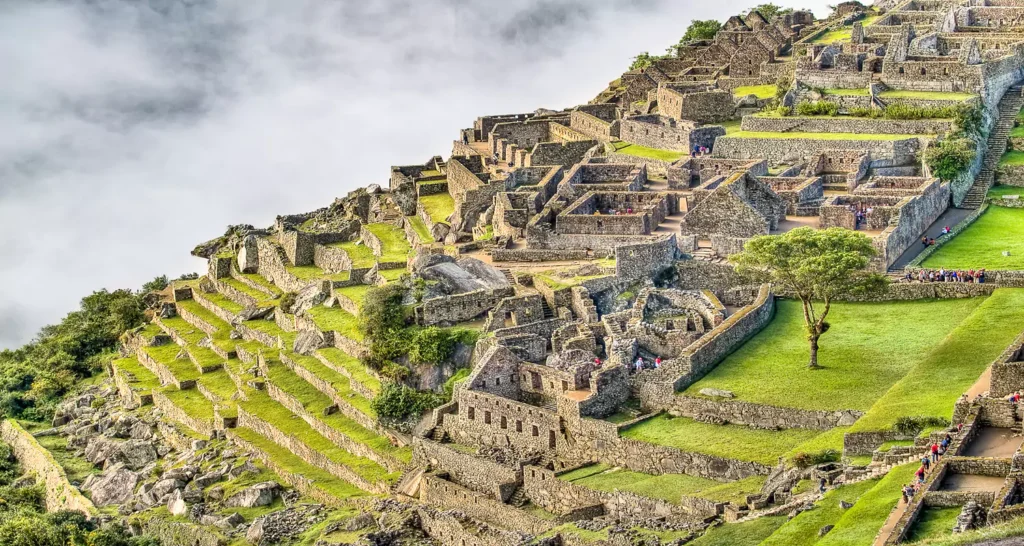
December in the Peruvian Andes is the deepening wet season. Machu Picchu cloud-wrapped and atmospheric, the orchid and wildflower season at its most extravagant in the cloud forest below the ruins, and Cusco engaged in the elaborate Christmas and per-carnival ritual calendar that layers Andean tradition over colonial Catholicism. The Santurantikuy, the Christmas market in Cusco’s Plaza de Armas held on December 24, is the largest traditional craft market in Peru, filling the plaza with artisans from throughout the Sacred Valley.
Cultural
Santurantikuy craft market in Cusco (December 24) — the largest traditional Andean market of the year
Natural Phenomenon
December Machu Picchu cloud inversions — the ruins appearing from and disappearing into mist at the wet season’s most dramatic
Culinary
Cusco Christmas: cuy al horno; capón (roast turkey); chicha morada; traditional Andean Christmas pastries
Brazil
Trancoso, Bahia
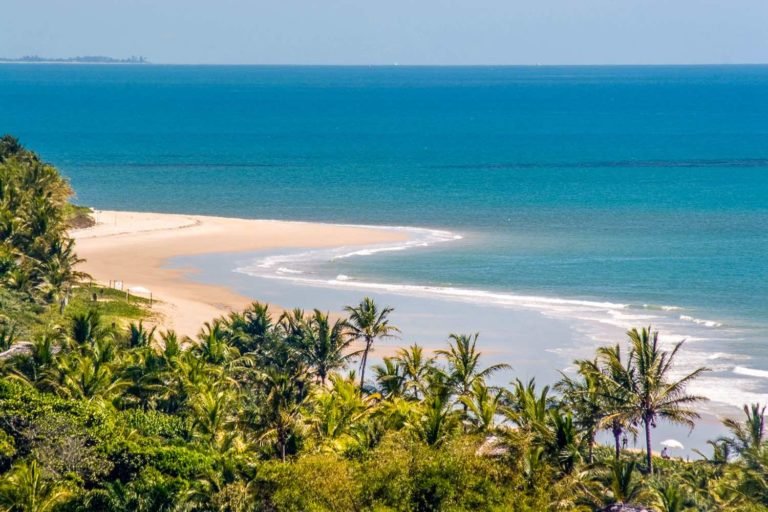
December in Trancoso is high season in full. The Brazilian summer crowd is arriving, the quadrado restaurants are operating at capacity, and the beaches of Nativos and do Rio are hosting the architects, designers, and artists who have made Trancoso their December tradition for thirty years. The cooking reaches its most ambitious register: the moquecas of exacting quality, the seafood freshest, the caipirinhas built with the seasonal fruits of the Bahian summer. Reserve as early as possible: December Trancoso is fully claimed months in advance.
Culinary
December Trancoso high season — moqueca de langosta; fresh whole fish grilled on the beach; Bahian acarajé
Natural Phenomenon
December Bahia — the Atlantic warm and flat, the beach light golden, the evenings on the quadrado
Cultural
Trancoso December social season — Brazil’s cultural stars gather
Fernando de Noronha
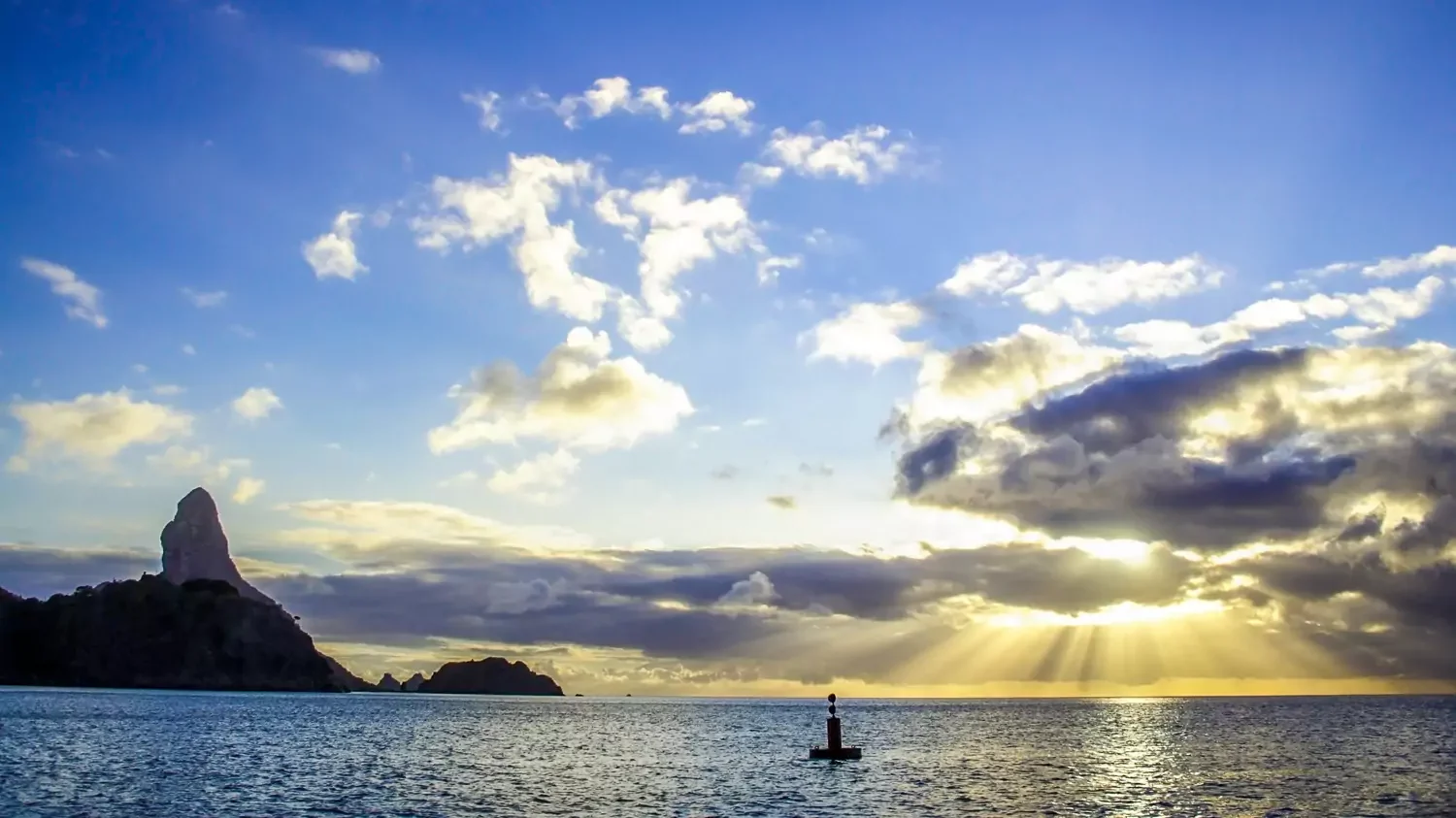
December is the beginning of Fernando de Noronha’s peak season: the water clarity approaching its January-February maximum, the spinner dolphin pods in their most concentrated and active state, and the island experiencing the beginning of its high-pressure booking period. Hawksbill and green sea turtles are nesting on the protected beaches; the reef shark activity around the Baía dos Porcos area is at annual peak; and the sunset from the Pico viewpoint, the island’s highest point, is developing the particular quality of the austral summer evening.
Natural Phenomenon
Fernando de Noronha December — water clarity approaching peak; the twin peaks of Morro Dois Irmãos in full summer light
Wildlife
Spinner dolphin peak December activity; hawksbill turtle nesting on protected beaches; reef shark and nurse shark
Culinary
Island December high season; fresh tuna and wahoo; locally made Noronha rum; doce de figo
Iguazu Falls
December at Iguazu is the beginning of the high season: the subtropical spring transitioning to summer, the falls at a reliable and impressive volume, and the tourist infrastructure at full operation. The Argentine Circuit walkways, which bring visitors to within meters of individual falls in the spray zone, are operating their full range of access; the Brazilian side lookout delivers the panoramic perspective of the full arc of 275 cascades in one image.
Natural Phenomenon
December Iguazu — all 275 cascades visible; Garganta del Diablo at full force; permanent rainbow in afternoon sun
Wildlife
Summer butterfly abundance in the subtropical forest; toco toucan; great dusky swift behind the falls
Culinary
Puerto Iguazú December: parrilla culture at summer peak; local honey; mission Province craft spirits
Chile & Argentina
Atacama Desert
December in the Atacama is the summer season. Hot days, brilliant stargazing nights, and the salt flat in its full dry-season white. The flowering desert phenomenon, when it occurs, is most likely in December or January following the winter rains, and the possibility lends the month an anticipatory quality that makes planning around the Atacama in December a somewhat delightful uncertainty. The holiday crowds at San Pedro de Atacama are at their December peak; advance booking is essential.
Natural Phenomenon
December Atacama — potential flowering desert; summer solstice stargazing; El Tatio at its most visited
Wildlife
Flamingo nesting continuing on the salt lakes; vicuña herds; Andean fox active in summer
Culinary
San Pedro Christmas and summer season; pisco sour in the December evening warmth
Easter Island (Rapa Nui)
December is Easter Island’s summer: the ocean warm, the days long, and the island beginning its pre-Tapati social season that will peak in late January. The moai platforms are visited in the long December evening light that turns the stone amber, the sea behind the platforms a deep blue, the trade wind constant. The Anakena Beach, with its palm grove and moai platform directly above the white sand, offers what may be the most aesthetically complete beach experience in the South Pacific.
Natural Phenomenon
December Easter Island evening light — the moai platforms lit in long summer amber for three hours before sunset
Cultural
Pre-Tapati cultural preparation — traditional crafts, music rehearsals, and community events begin in December
Wildlife
Green sea turtle nesting on Anakena beach in December; frigatebird and sooty tern colonies active
Northern Patagonia
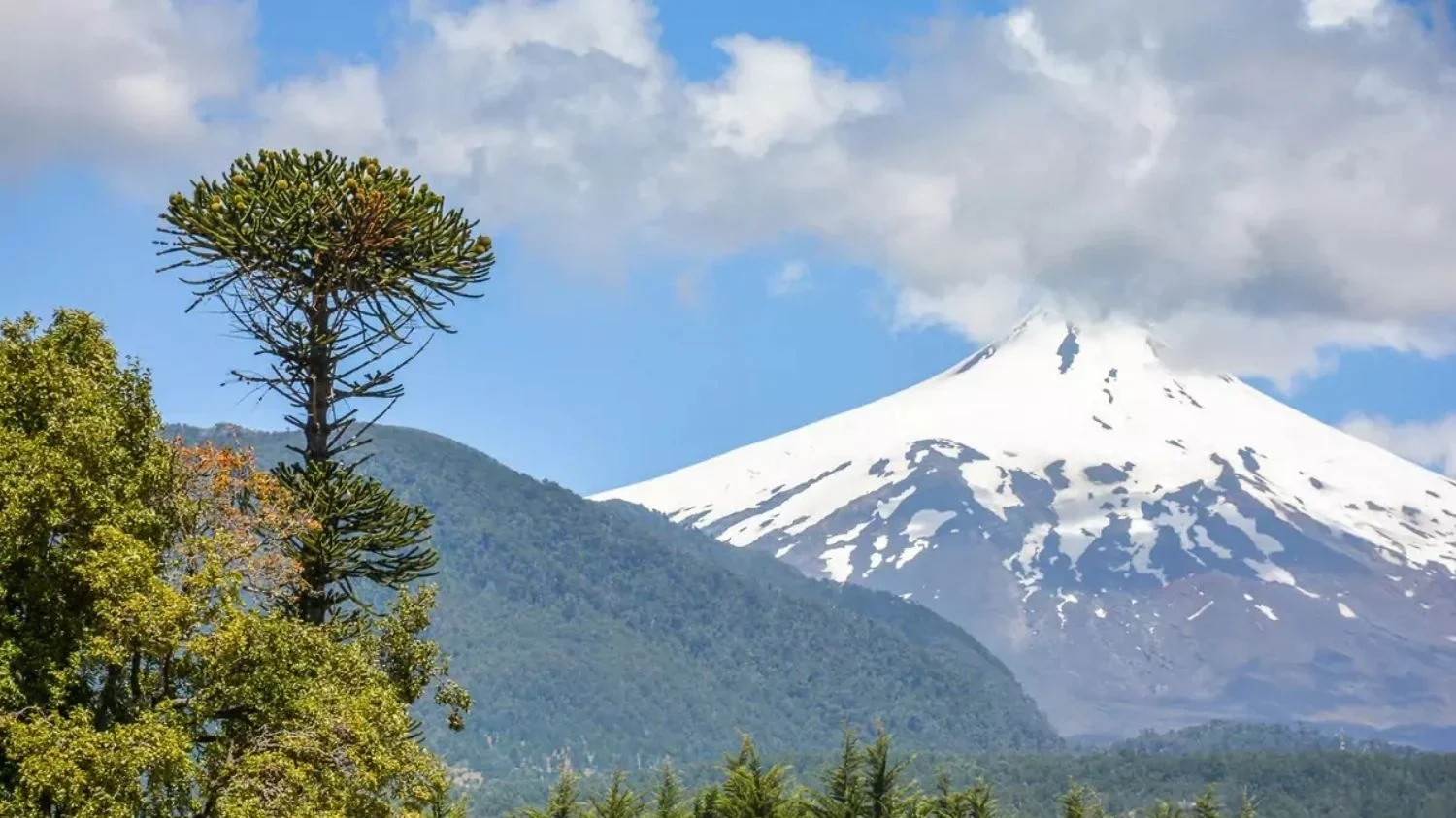
December is Northern Patagonia’s early summer: the trail season fully open, the fly-fishing in its prime, the lakes warm enough for kayaking, and the beech forests in their full summer canopy. The luxury properties of the Bariloche, Puerto Varas, and Pucon lake districts are in their full-service season, and the long December days give the landscape an extended-evening quality that the shorter winter days cannot approximate.
Natural Phenomenon
Patagonian December long days — hiking until 10 PM; the lake district in summer light
Wildlife
Brown trout and rainbow trout fly-fishing at summer peak; huemul deer in summer range
Culinary
December lamb Assad; fresh Patagonian trout; artisan chocolate in summer sun; craft beer on the terrace
Southern Patagonia — Torres del Paine, El Calafate, El Chaltén
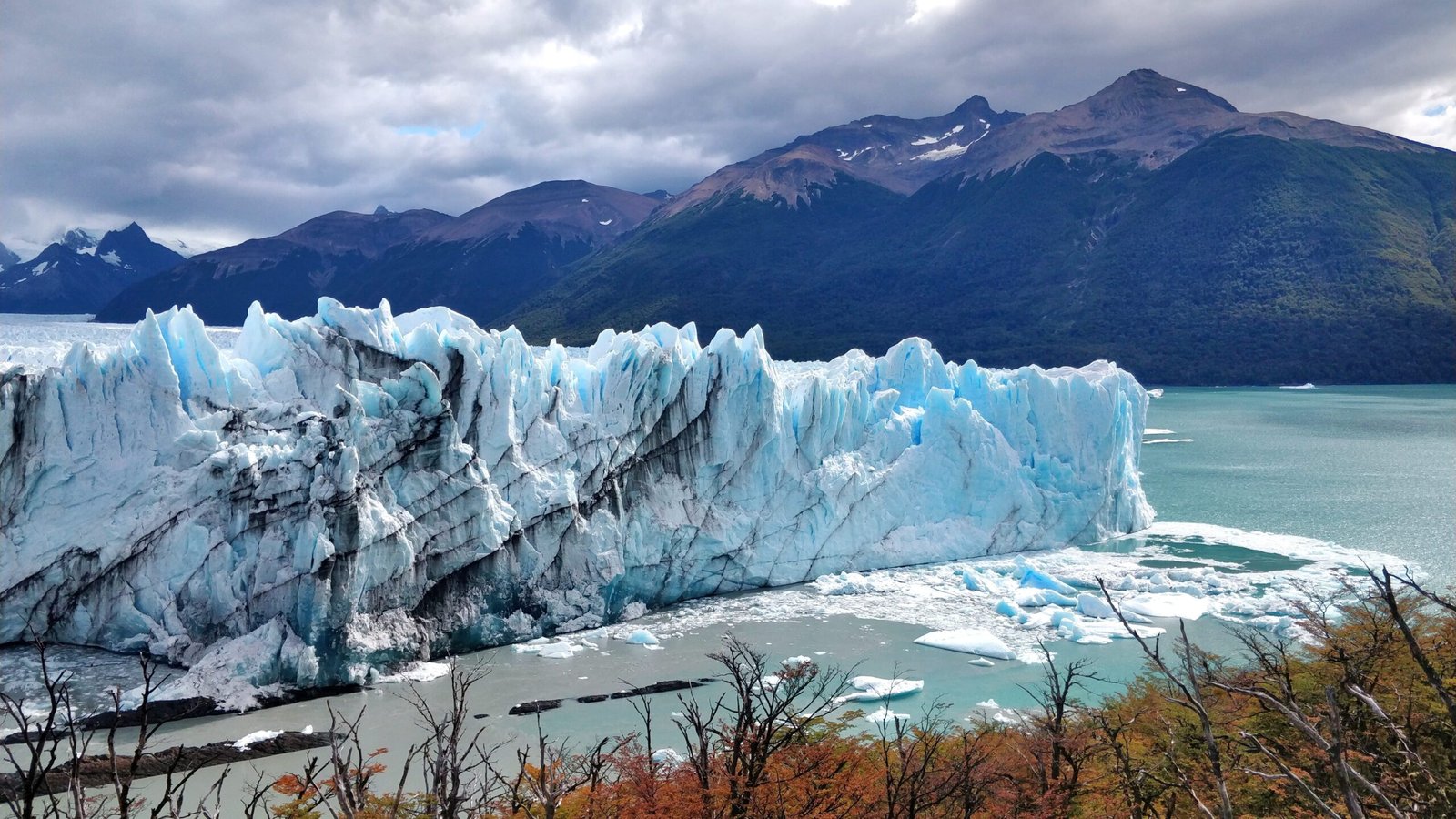
December in Southern Patagonia is the beginning of the high season: the trekking trails at full operation, the pumas increasingly active as their summer territories establish, and the towers visible in the long days in a light that photographers specifically time their visits around. The long-circuit trail bookings for December are the most coveted of the year; the luxury lodges are at capacity. The combination of long days, manageable (if windy) weather, and the full wildlife program make December the month most requested.
Natural Phenomenon
December long days — the mountains lit from multiple angles in a single summer day
Wildlife
Puma summer territory — December tracking with specialist guides; guanacos; condors, nandus
Culinary
December high-season culinary peak; centolla; South American wines
Buenos Aires
December in Buenos Aires is the beginning of summer; the city is warm and social, the restaurant terraces full, and the Palermo parks in use from dawn to midnight as the city deploys its most convincing argument that park time in a graceful city is an optimal human condition. The holiday celebrations of December in Buenos Aires combine the cultural intensity of a city that takes its cultural life seriously with the heat and light of the Southern Hemisphere summer, producing a version of Christmas that bears no resemblance to any northern hemisphere tradition and is therefore, in its way, original.
Cultural
Buenos Aires December: summer cultural season, outdoor concerts, Christmas in the Southern Hemisphere summer
Culinary
December parrilla culture at its summer best with outdoor tables; summer Malbec
Natural Phenomenon
Buenos Aires December summer light — the long evenings over the Río de la Plata in the Southern Hemisphere solstice
Antarctica
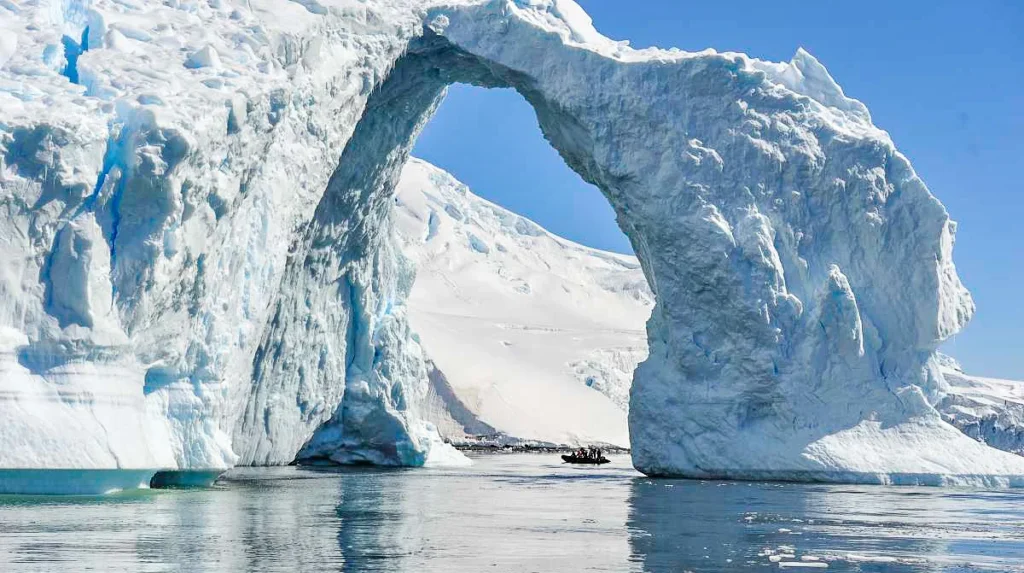
December is Antarctica at full season: the expedition vessels running their full program along the Antarctic Peninsula, the sea ice at its annual minimum, and the wildlife at its most concentrated and most accessible. Penguin chicks are hatching in the gentoo and chinstrap colonies; humpback and minke whales are feeding in nearshore waters in numbers that continue to impress even experienced expedition naturalists; and the midnight sun is fully operational, casting its famous horizontal light on icebergs of a scale and color that no description adequately prepares the traveler for.
Wildlife
Gentoo and chinstrap penguin chicks hatching in December; humpback and minke whales feeding; leopard seals; emperor penguins at Snow Hill (if ship can reach)
Natural Phenomenon
December midnight sun — the Peninsula lit at midnight in amber-gold horizontal light; glacier calving events; blue icebergs
Cultural
Historic expedition huts accessible; South Georgia full king penguin colonies — 500,000 birds on one island
Why Book in Advance
December requires the longest booking lead time of any month in the Southern Hemisphere travel calendar. Antarctica vessels for December fill twelve to eighteen months in advance; the finest small ships are often fully subscribed within weeks of opening their December season to booking. Fernando de Noronha’s daily visitor cap means December reservations must be made the previous year, often within the first days of the reservation window opening. Torres del Paine December lodges, particularly Explora, Awasi, and Las Torres, are among the most competitive reservations in South American luxury travel, typically requiring advance booking of twelve months or more. Trancoso December villas are claimed by returning guests before they become available to new inquiries. Cusco during the Santurantikuy and Christmas period requires advance accommodation booking of six to twelve months. The December traveler who plans in January has the advantage. The one who plans in October does not.
READY TO PLAN YOUR JOURNEY?
Our LANDED travel designers craft bespoke itineraries for discerning couples, families, and multi-generational groups — blending deep regional knowledge with privileged access to the places, people, and experiences that define each destination.