August in the Americas is a month of diverse abundance. The Amazon’s dry season reaches its full expression: the rivers at their annual minimum, the wildlife concentrated along river corridors in displays of biological density that justify the journey. On Brazil’s Atlantic coast, Fernando de Noronha and Trancoso are in the warm, clear-water peak of their respective seasons. Central America’s green season is producing the lush intensity that distinguishes these countries in the months when most travelers have gone home. And the Andes, in their reliable August clarity, are receiving the travelers who booked a year ago.
Central America
Guanacaste, Costa Rica
August’s green season on the Guanacaste Pacific coast delivers dramatic storm-and-clear weather that produces extraordinary skies: the cumulus towers building over the volcanoes by midday, the late afternoon Pacific lit from beneath in shades that no dry-season sunset achieves. The national parks and biological reserves are in full biological activity: the dry forest now fully leafed, the rivers running, and the wildlife that concentrated around water sources in the dry season now dispersed through the forest in its most active state.
Wildlife
Green season wildlife — squirrel monkeys, coatis, white-tailed deer all active in the lush vegetation
Natural Phenomenon
August storm-and-clear sky cycles — the most dramatic weather photography of the year in Guanacaste
Culinary
Gallo pinto at dawn; fresh catch ceviche; tropical fruit season at peak
South Caribbean Coast, Costa Rica
Costa Rica’s Caribbean coast operates on a different weather pattern from the Pacific its own ‘summer’ occurring from August through September and again in February and March, when the rains diminish, and the Caribbean takes on the flat, warm quality that makes it ideal for snorkeling, diving, and boat travel. Tortuguero’s green sea turtle nesting continues at peak intensity through August; the Cahuita National Park reef is at its most accessible; and the Afro-Caribbean cultural character of Puerto Viejo -its food, its music, its architecture- is unlike anything on the Pacific side.
Wildlife
Green sea turtle nesting at peak in Tortuguero (August is the busiest month); Caribbean reef fish and coral
Natural Phenomenon
Caribbean micro-summer in August — the coast’s own dry window when the Pacific is at its rainiest
Culinary
Puerto Viejo Afro-Caribbean cooking: rice and beans in coconut milk; Caribbean callaloo; spiced chocolate
Arenal, Costa Rica
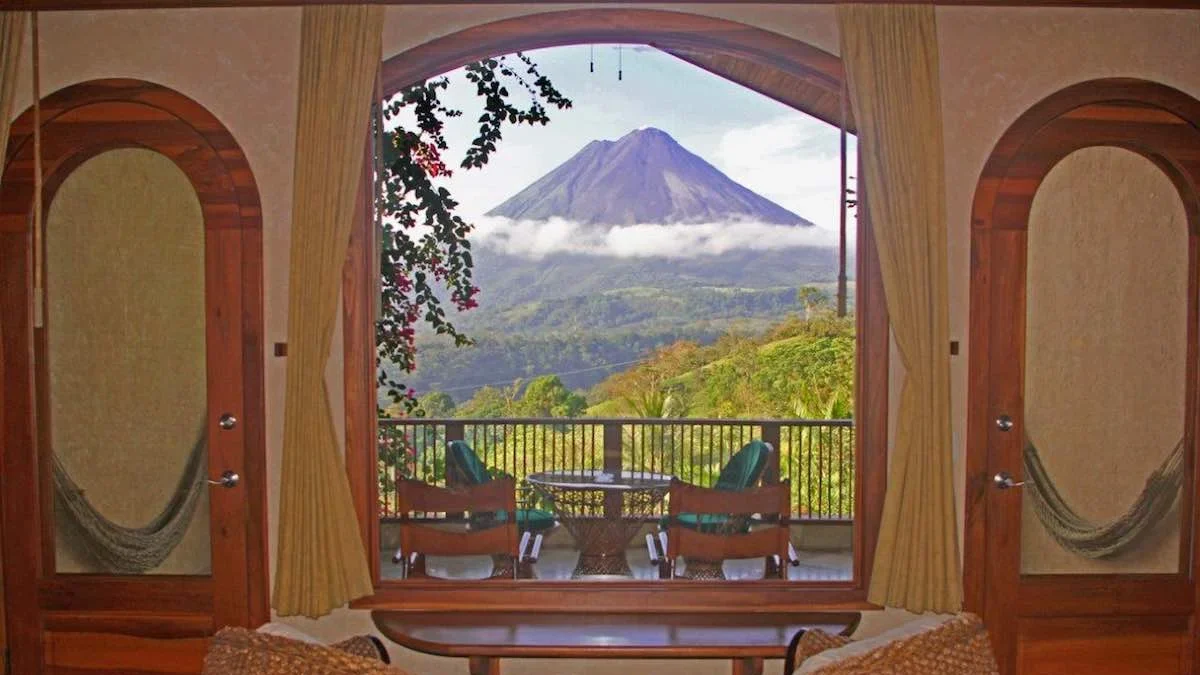
Arenal Volcano, rising to 1,633 meters above the lake named for it, is in its green-season version in August: the forest on its flanks a deep, continuous green, the hot springs at the volcano’s base heated by geothermal activity that has been consistent for 7,500 years. The luxury hot spring resorts operate with greater intimacy in August’s green season, and the hanging bridges offer birding and wildlife encounters unavailable in the dry months.
Wildlife
Arenal green season: glass frogs in the bromeliads; red-eyed tree frogs; keel-billed toucans on the hanging bridges
Natural Phenomenon
Arenal Volcano in the rain — the cloud forest streaming with mist, the summit occasionally visible through cloud breaks
Culinary
Lake fish; fresh produce; coffee from the surrounding highland farm
Monteverde, Costa Rica
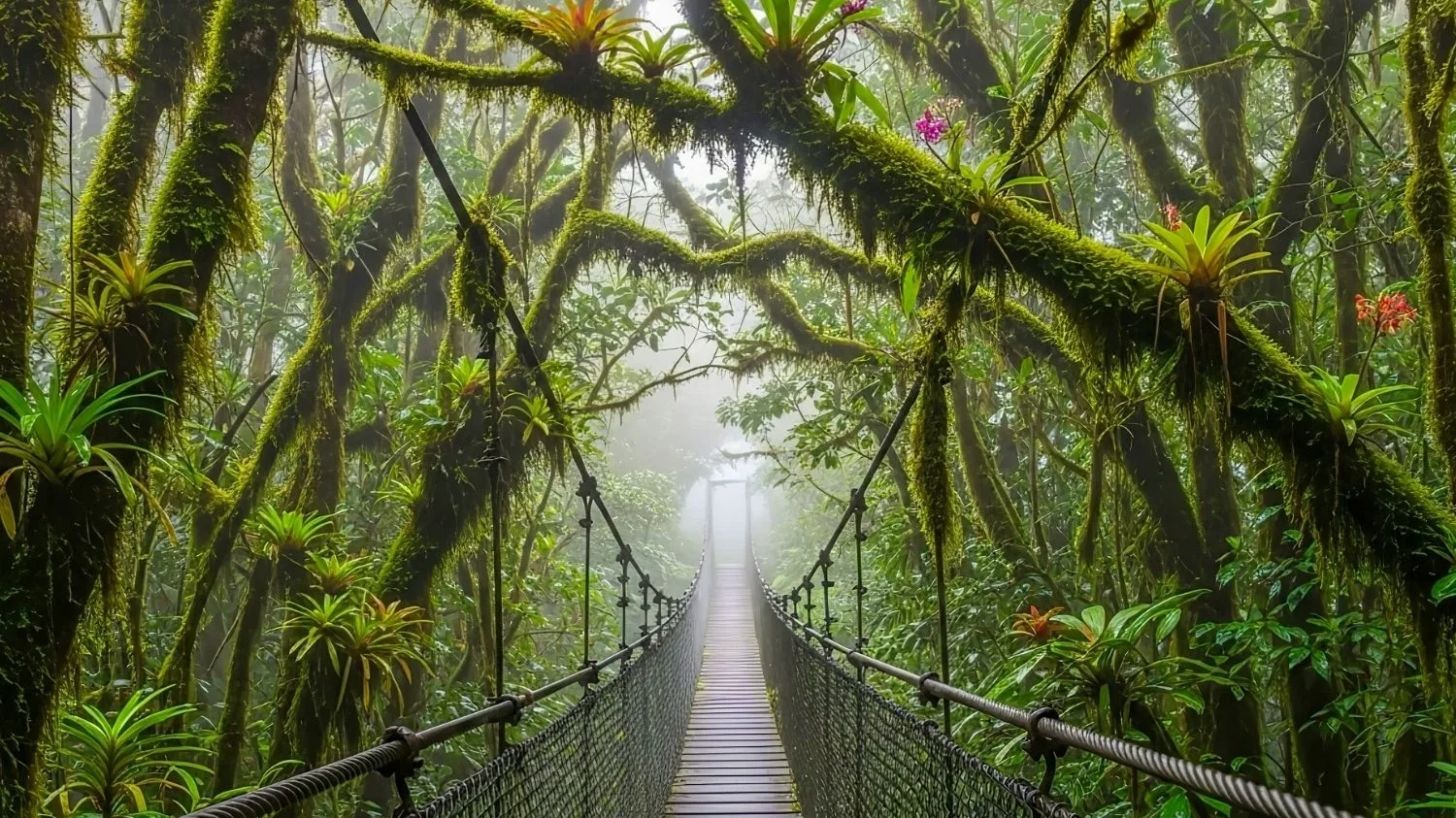
Monteverde in August is in the heart of its wet season: the mist continuous over the continental divide, the cloud forest at its most botanically extravagant, and the epiphyte load on every branch so dense that each tree appears to be conducting multiple unrelated experiments simultaneously. The resplendent quetzal breeding season has ended, but the juveniles of the year are present, their iridescent tail feathers still growing, their behavior more accessible than the territorial adults of nesting season.
Wildlife
Juvenile resplendent quetzal present; golden toad habitat memorial (the species went extinct in 1989 — a conservation story worth knowing); glass frogs on wet leaves
Natural Phenomenon
Cloud forest in full wet season — the canopy walk through mist at the highest density of the year
Culinary
Monteverde organic farm breakfast; cloud forest honey; artisanal chocolate
Honduras
August is green season in Honduras, and the Bay Islands -protected from the worst Caribbean weather by the Honduran mainland geography- continue their reef program in conditions that reward the traveler who accepts the Caribbean’s occasional afternoon showers as the price of admission to the world’s second largest barrier reef. August is prime season for hawksbill turtle nesting on the Bay Island beaches. The turtles themselves accessible on night beach walks with certified conservation guides.
Wildlife
Hawksbill turtle nesting peak on Roatán and Utila beaches — August night walks with conservation guides
Natural Phenomenon
Green season Bay Islands — the land dense with vegetation, the water still 28°C
Culinary
Bay Island August lobster; Garifuna tapado; fresh coconut water on the beach
Guatemala
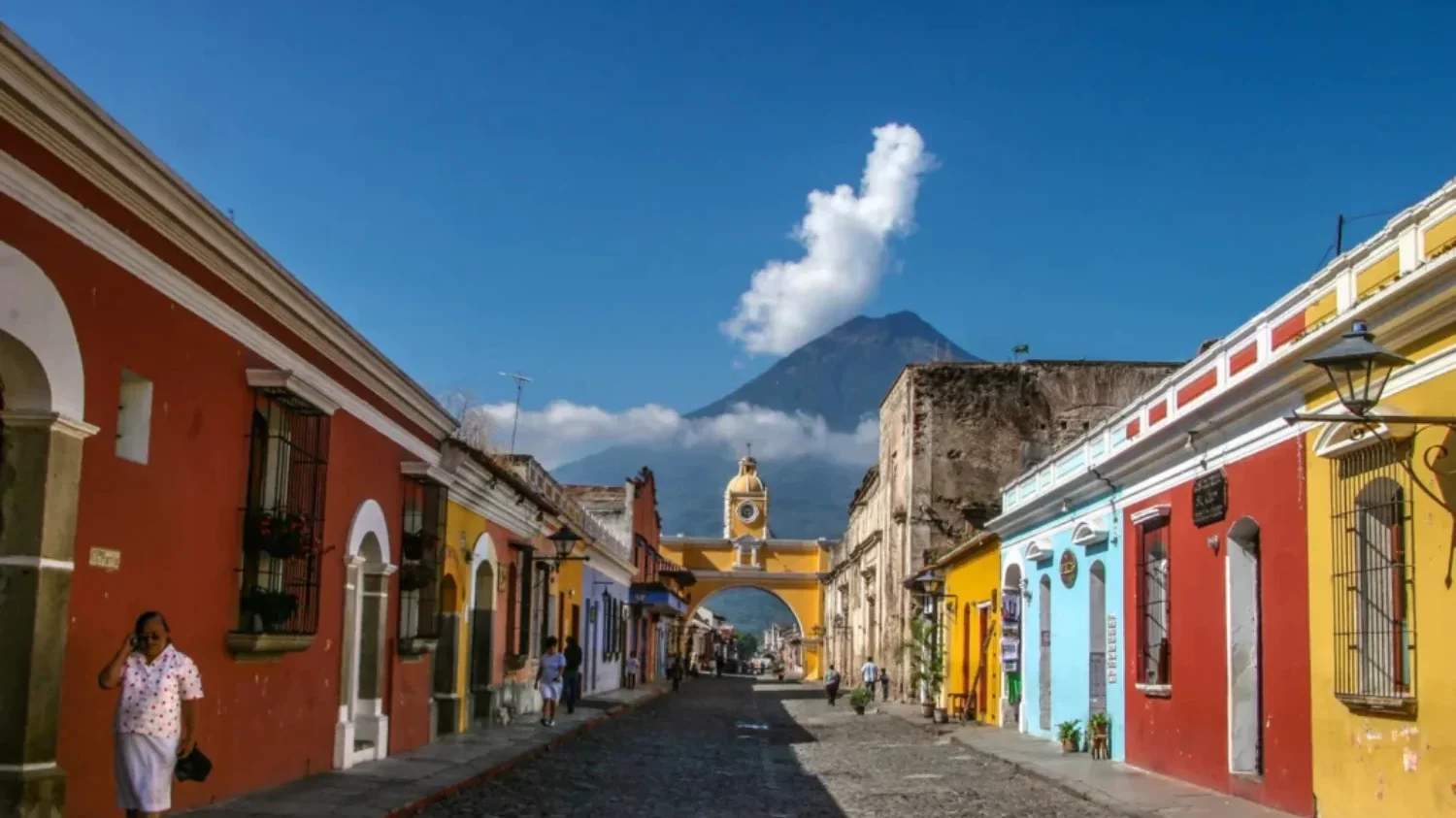
August in Guatemala is deep rainy season in the Pacific lowlands, but the highland regions — Antigua, Lake Atitlán, the Maya highlands — operate on an afternoon-showers schedule that leaves mornings gloriously clear and cool. The corn harvest begins in some highland areas in August, and the agricultural calendar creates market days of particular abundance in the towns around Lake Atitlán. The Biotopo del Quetzal cloud forest, three hours north of Guatemala City, is at its most lush.
Wildlife
Biotopo del Quetzal — the quetzal’s breeding season has ended, but juveniles and non-breeding adults are present year-round
Cultural
Lake Atitlán corn harvest market days — Santiago Atitlán, San Pedro, Panajachel
Culinary
August harvest foods: tamales de elote (fresh corn); Guatemala chocolate season beginning
Nicaragua
August in Nicaragua offers one of Central America’s most extraordinary wildlife events: the mass olive ridley turtle nesting (arribada) at Playa La Flor and Refugio de Vida Silvestre Chacocente. These mass nesting events -in which 20,000 or more turtles arrive on a single beach in a single night- are regulated viewing events where small groups are guided to observe without disturbing, and the experience of standing on a dark beach while thousands of ancient animals emerge from the ocean simultaneously is not something the traveler’s existing vocabulary will adequately describe.
Wildlife
Olive ridley mass nesting peak at Playa La Flor — August is the month of maximum arribadas
Natural Phenomenon
Masaya Volcano lava lake — one of the world’s most accessible active lava viewpoints, operational year-round
Culinary
Nicaraguan vigorón; nacatamales; fresh Caribbean seafood in Corn Island
El Salvador
El Salvador in August is at the peak of its green season surf season. The south Pacific swells are arriving consistently, and the breaks at Punta Roca, El Tunco, and El Zonte (home to the Bitcoin Beach crypto community) are operating at their most consistent. The highland areas of Santa Ana and Chalchuapa offer the ruins of Tazumal, one of the finest pre-Columbian sites in Central America, smaller than Tikal but deeply atmospheric, in the lush green context of the rainy season.
Cultural
Tazumal Maya archaeological site; El Salvador’s artisan ceramic tradition in Ilobasco
Natural Phenomenon
August south swells — El Salvador’s surf season peak; Punta Roca world-class point break
Culinary
Pupusas at roadside comedores; local chicha fermented corn drink at highland festivals
Colombia
August is the middle of Colombia’s Pacific humpback whale season, and the waters off Nuqui and Bahia Solano are at their most active, mothers with calves born in the previous weeks, the calves now strong enough to begin their aerial behaviors, breaching repeatedly in what researchers interpret as playful exuberance rather than communication. The Cartagena and Caribbean coast are in a brief dry corridor between the two rainy seasons, and the Walled City is operating at its most beautiful and most culturally active.
Wildlife
Humpback whale calves beginning aerial behavior in August — breaching, tail-lobbing; leatherback turtle nesting on Choco beaches
Cultural
Cartagena August dry corridor — the city’s event calendar includes the International Film Festival
Culinary
Cartagena’s coastal seafood restaurants; Bogota and Medellin tasting menus
Ecuador
Galapagos Islands
August in the Galapagos is the cold season at its peak intensity. The Humboldt Current is fully established, the water temperatures are at their annual minimum, and the underwater visibility is extraordinary. The hammerhead shark aggregations at Wolf and Darwin in the far north are at their most reliable in August; the Galápagos penguin colonies on Fernandina and Isabela are highly active; and the sea lion pups born in June and July are now confident swimmers who will approach snorkelers with investigative curiosity.
Wildlife
Hammerhead shark schools at peak; Galápagos penguin colonies active; sea lion pups swimming freely
Natural Phenomenon
Cold season maximum — water at lowest temperature (20°C), highest visibility; garua mist over the highlands
Culinary
Puerto Ayora Santa Cruz seafood; expedition vessel cuisine using locally sourced catch
Mainland Ecuador
Ecuador’s highland dry season continues through August. The Avenue of the Volcanoes in clear view, the páramo (high Andean grasslands) at their driest and most trekking-friendly, and the indigenous market towns of the central highlands operating in the full agricultural cycle that the August harvest represents. The market at Saquisilí on Thursdays is one of Ecuador’s most authentic highland markets, nine separate plazas serving different products, from livestock to textiles to medicinal plants.
Natural Phenomenon
Avenue of the Volcanoes in dry-season clarity — Cotopaxi, Chimborazo, Tungurahua all potentially visible simultaneously
Cultural
Saquisilí Thursday market — Ecuador’s most authentic highland indigenous market; Otavalo Saturday crafts market
Culinary
Quito’s La Floresta neighborhood restaurants; locro de papa; ceviche de palmito in the highlands
Peru
Machu Picchu, Cusco & Sacred Valley
August continues as Peru’s peak season: the dry-season skies clear, the trails operating at full capacity, and Machu Picchu visited by its annual maximum of visitors. The experienced traveler navigates August by prioritizing early morning entry, by choosing the alternative treks (Salkantay, Ausangate) over the fully subscribed Inca Trail, and by allowing extra days in the Sacred Valley where the luxury lodges provide a depth of engagement with Andean culture that the Machu Picchu visit alone cannot deliver. The Andean wildflower season is beginning in August, with high-altitude grasslands beginning to show color.
Cultural
Cusco August festivals: Huarachicuy (traditional Inca coming-of-age ceremony) at Sacsayhuaman
Natural Phenomenon
August Andean wildflower beginning — the puna grasslands showing color at altitude as the season turns
Culinary
Sacred Valley seasonal harvest: August brings fresh corn, beans, and potato varieties to the valley markets
Lake Titicaca & Uyuni – Bolivia
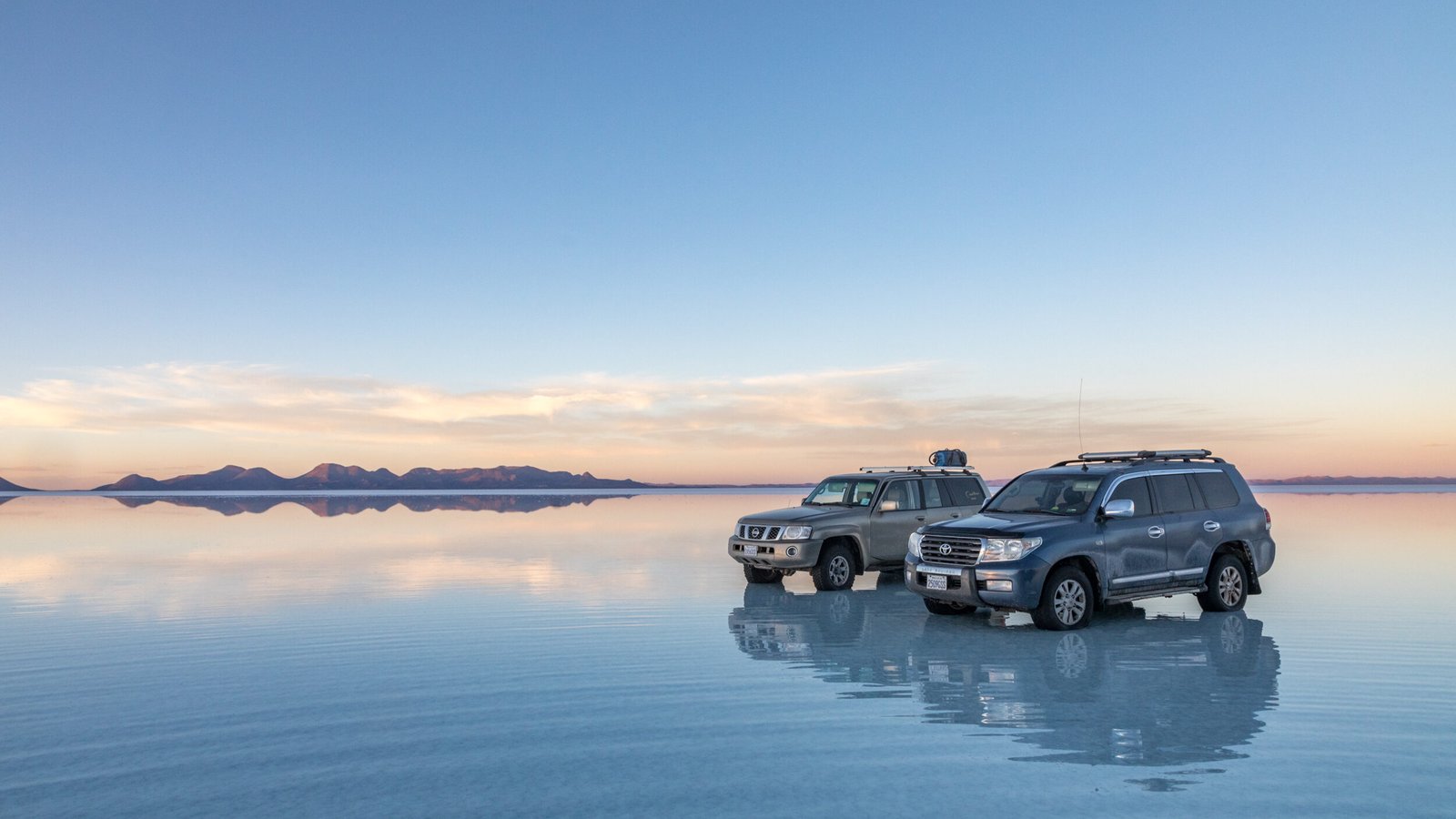
August on the Bolivian altiplano is the dry season at full depth: cold nights, brilliant days, and the landscape at its most austere and most beautiful. Bolivia’s Independence Day on August 6 brings festivals to Copacabana and the lakeside communities, and the Tiwanaku site, the center of a civilization that preceded the Inca by a thousand years, is at its most accessible in the dry-season clarity.
Cultural
Bolivia Independence Day (August 6) — festivals at Copacabana and Tiwanaku site; traditional altiplano music
Natural Phenomenon
Tiwanaku Sun Gate aligned with the August solstice — a pre-Columbian astronomical achievement
Wildlife
James’s flamingo at Laguna Colorada; vicuña on the salt flat approaches
BRAZIL
The Pantanal
August is the peak of the Pantanal’s jaguar season. The rivers have receded to their annual minimum, the jaguars of the Cuiabá River corridor are hunting capybara and caiman along exposed riverbanks, and the boat-based wildlife safaris that have made the north Pantanal famous among serious wildlife travelers are operating at maximum productivity. The population of jaguars in this corridor, now approaching 300 individuals and growing due to successful conservation, is the most reliably visible in the world.
Culinary
Transpantaneira lodge cuisine; piranha and dourado fish; traditional Pantanal beef
Natural Phenomenon
Pantanal dry season maximum — fish pools attracting predators in extraordinary concentrations
Wildlife
Jaguar at annual peak visibility on the Cuiabá River — August is the finest month; giant river otter; hyacinth macaw; giant anteater
Fernando de Noronha
August in Fernando de Noronha is the beginning of the dry season, the island at its best, the water warming, and the spinner dolphin pods in Baia dos Golfinhos at their most active as the mothers and calves born in the preceding months become more adventurous. The island’s strict visitor limits ensure that the experience retains its quality regardless of season, but August’s combination of clearing weather, good water, and dolphin activity makes it one of the finest months to arrive.
Culinary
Fresh tuna and wahoo; local doce de figo; artisan Noronha rum at the village bars
Natural Phenomenon
Fernando de Noronha dry season beginning — water clearing, visibility improving to 30+ meters
Wildlife
Spinner dolphin mothers and calves in the bay — August is the season of maximum pod activity; hawksbill turtle nesting
Trancoso, Bahia
August is the heart of the Bahian winter, cooler than January, drier, and operating at a lower intensity that rewards the traveler who prefers their luxury served without the December-January social pressure. The beaches are empty by Trancoso’s high-season standards, the restaurants unhurried, and the village quadrado a place for genuine contemplation rather than competitive relaxation. The cooking is at its most thoughtful in August, with chefs operating for guests rather than for crowds.
Culinary
August Trancoso — chefs cooking for small audiences; fresh moqueca; local cacao and chocolate
Natural Phenomenon
August Bahian light — the winter sun at a lower angle, the beach light golden all afternoon
Cultural
Pataxó territory visits in the Bahian winter; artisan studios open for private visits
The Amazon
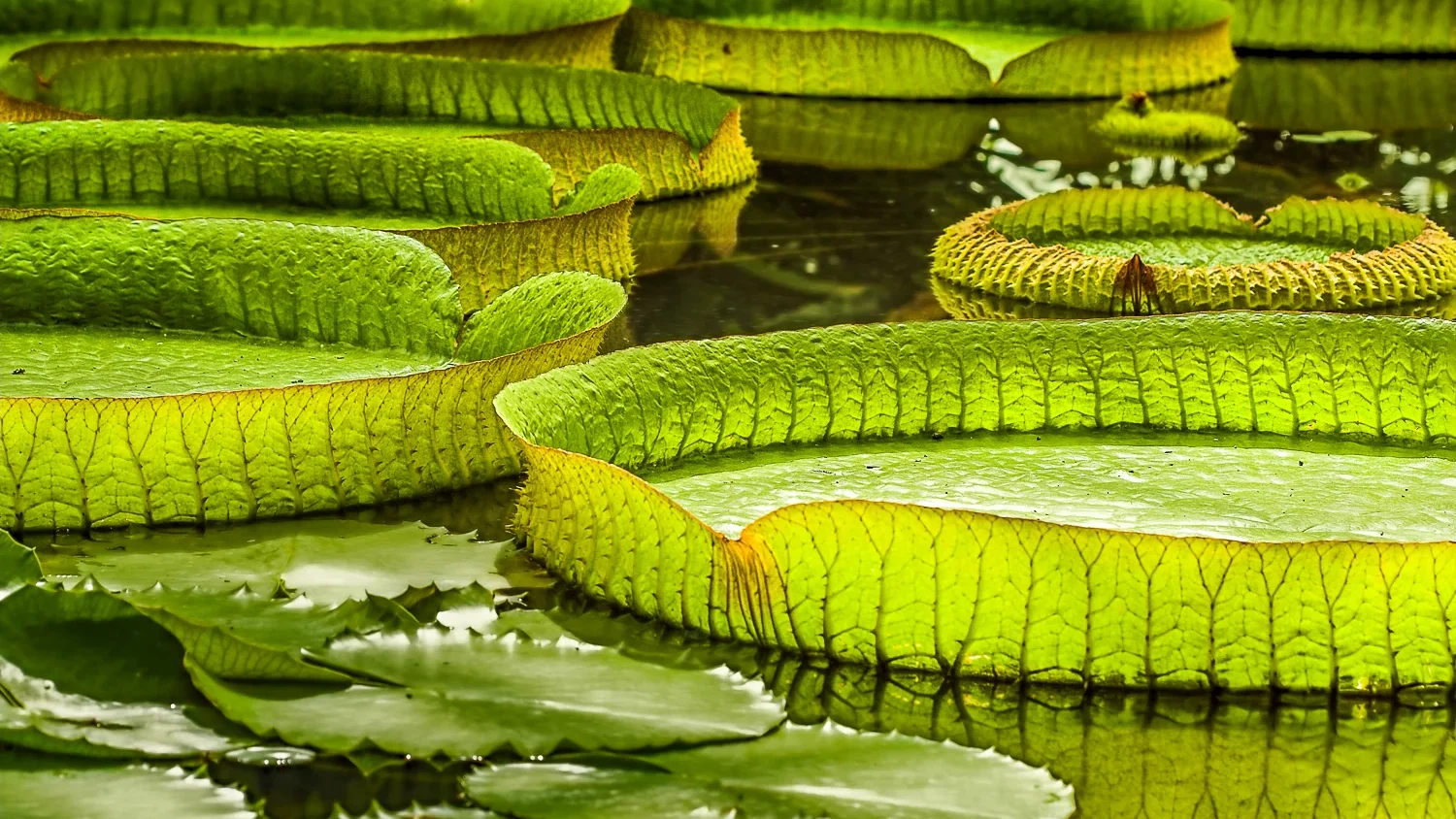
August is peak dry season in the Amazon: the river beaches fully exposed, the water at its lowest, and the wildlife of the river corridor at its most concentrated. The macaw clay licks (collpas) of the Tambopata in Peru and the Mamiraua Reserve in Brazil are at peak activity: hundreds of parrots and macaws gathering on exposed clay banks each morning to ingest minerals, the noise and color of the event visible and audible from hundreds of meters. Giant river otters are fishing in family groups on the accessible lake margins.
Wildlife
Macaw clay lick peak activity; giant river otter families; Amazon river dolphin in exposed channels; anaconda in drying pools
Natural Phenomenon
Amazon dry season beaches — the riverine landscape transformed by low water into a beach-and-forest world
Culinary
Amazonian river fish at lodge tables; pupunha palm heart; wild Brazil nut at source in the forest
Chile
Atacama Desert
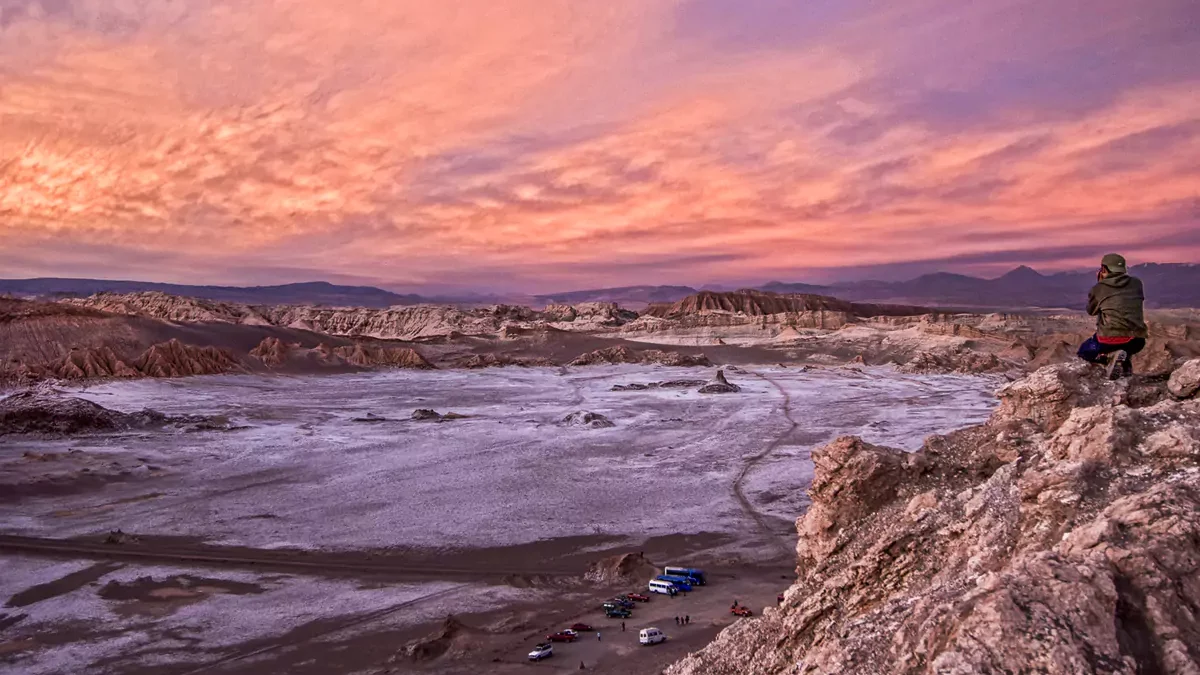
The Atacama in August continues its winter pattern of cold nights and brilliant days, with the stargazing at its most rewarding as the winter Milky Way dominates the southern sky. The salt flat and high-altitude landscapes are at their most stripped and elemental in August: no vegetation, no cloud, no humidity, just the geological forms in the austral winter light that turns mineral colors into something that requires a new vocabulary to describe.
Wildlife
Vicuña herds on the altiplano; flamingo feeding on the salt lakes; Andean fox near the town
Natural Phenomenon
August Atacama stargazing — the winter Milky Way rising above the salt flat horizon; Magellanic Clouds visible
Culinary
Pisco sour in the high-altitude cold; altiplano quinoa stew; San Pedro’s restaurant scene in August
Northern Patagonia
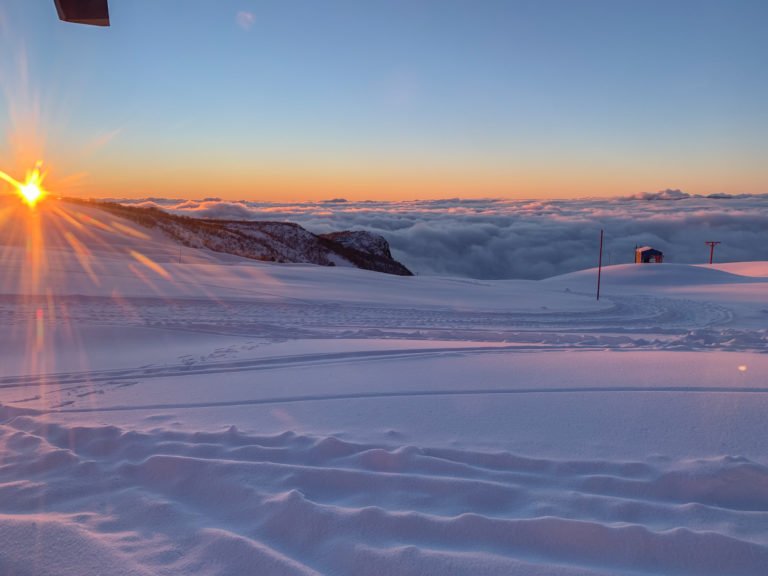
August is winter in Northern Patagonia’s lake district, offering one of the world’s most visually spectacular ski experiences; the runs descend toward glacial blue lakes, the Andes visible in every direction. Heli-skiing is available in the surrounding backcountry with specialist operators. Days of Andean snowshoeing or snowmobiling can be followed by hot springs soaks and fireside dinners at your private villa.
Wildlife
Andean condors visible from ski slopes; red foxes in the mountains
Natural Phenomenon
Skiing outside Santiago and on Villarrica Volcano in Pucon
Culinary
Artisanal chocolate, fondue, craft beer, mulled wine at the ski lodge terraces
Why Book in Advance
August is the second-most-pressured booking month of the year: peak Pantanal jaguar season, peak Amazon dry season, and the continuing high season in Peru and the Galapagos. Pantanal jaguar safari boats on the Cuiabá River: only a handful of vessels operate this corridor; book for August in September the prior year, sometimes earlier. Fernando de Noronha’s daily visitor cap means August reservations, though less competitive than January and February, still require many months’ planning. Galapagos expedition vessels for August are typically sold out by January. Machu Picchu Inca Trail August permits, already sold out from the October release, are occasionally available through trusted operators who hold reserved allocations. Plan accordingly.
READY TO PLAN YOUR JOURNEY?
Our LANDED travel designers craft bespoke itineraries for discerning couples, families, and multi-generational groups — blending deep regional knowledge with privileged access to the places, people, and experiences that define each destination.