June is the month the Andes have been waiting for. The skies above Machu Picchu, Cusco, the Sacred Valley, and Lake Titicaca are at their most completely clear — a blue so deep and consistent that the altitude becomes visible in the air itself. The Inti Raymi festival fills Cusco with the largest Inca ceremonial celebration of the year. In the Galapagos, the Humboldt Current is in full force, delivering marine life of extraordinary abundance. June is a month that rewards the traveler who has planned ahead.
Central America
Guanacaste, Costa Rica
June is the dry season’s final days on Guanacaste’s Pacific coast, the rains beginning to arrive in the afternoons, the landscape greening rapidly from the Pacific dry forest’s tan-and-gold into the vivid green that gives Costa Rica its reputation. The wildlife is magnificent: scarlet macaws, now accompanied by juveniles, fill the canopy; leatherback sea turtles return to Playa Grande; and the offshore waters are beginning the season for sailfish that peaks in July and August. The green season rates are significantly lower than January-April, and the rains are typically afternoon events rather than all-day.
Wildlife
Leatherback turtle nesting season beginning; scarlet macaw family groups; sailfish offshore
Natural Phenomenon
Green season arrival — the dry forest transforming visibly within days of the first rains
Culinary
Fresh ceviche; guaro cocktails at beach casitas; tropical fruit season beginning
Tortuguero, Costa Rica
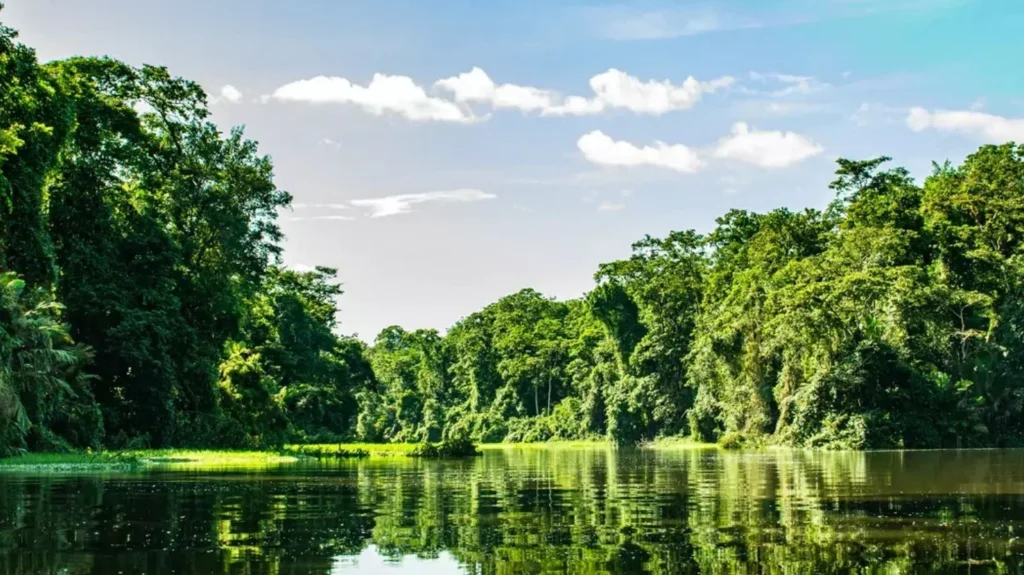
Tortuguero, on Costa Rica’s Caribbean coast, is accessible only by plane or boat — the canals threading through the lowland rainforest of extraordinary biological richness that have no road access by design. June marks the beginning of the green sea turtle nesting season on Tortuguero’s 22-kilometer beach — one of the world’s most important nesting sites, visited each year by over 22,000 female turtles. The guided night walks are conducted under strict protocols that protect the turtles while allowing the privilege of watching an animal whose lineage predates the dinosaurs perform the act that ensures its continuation.
Wildlife
Green sea turtle nesting season beginning — 22,000+ females nest on this beach annually (June–October)
Natural Phenomenon
Tortuguero canal network — 311 sq km of waterway threading through rainforest with no roads
Culinary
Caribbean Costa Rican cooking: rice and beans in coconut milk; fresh lobster; tropical fruit at canal-side restaurants
Honduras
June on the Bay Islands of Honduras is green season — the Caribbean rains beginning, the water visibility still exceptional, and the crowds minimal. For travelers willing to accept the possibility of afternoon showers, June offers the Mesoamerican Reef in a quality of underwater silence that the dry season’s dive crowds do not permit. The whale shark season has ended, but the reef’s permanent residents — eagle rays, nurse sharks, grouper, hawksbill turtles — are fully present.
Wildlife
Hawksbill turtle nesting on Bay Island beaches (June–September); eagle rays on the reef walls
Natural Phenomenon
Caribbean green season light — the afternoon showers clear to leave extraordinary sunsets over the water
Culinary
Bay Island lobster in high season; Garifuna tapado coconut seafood stew
Panama
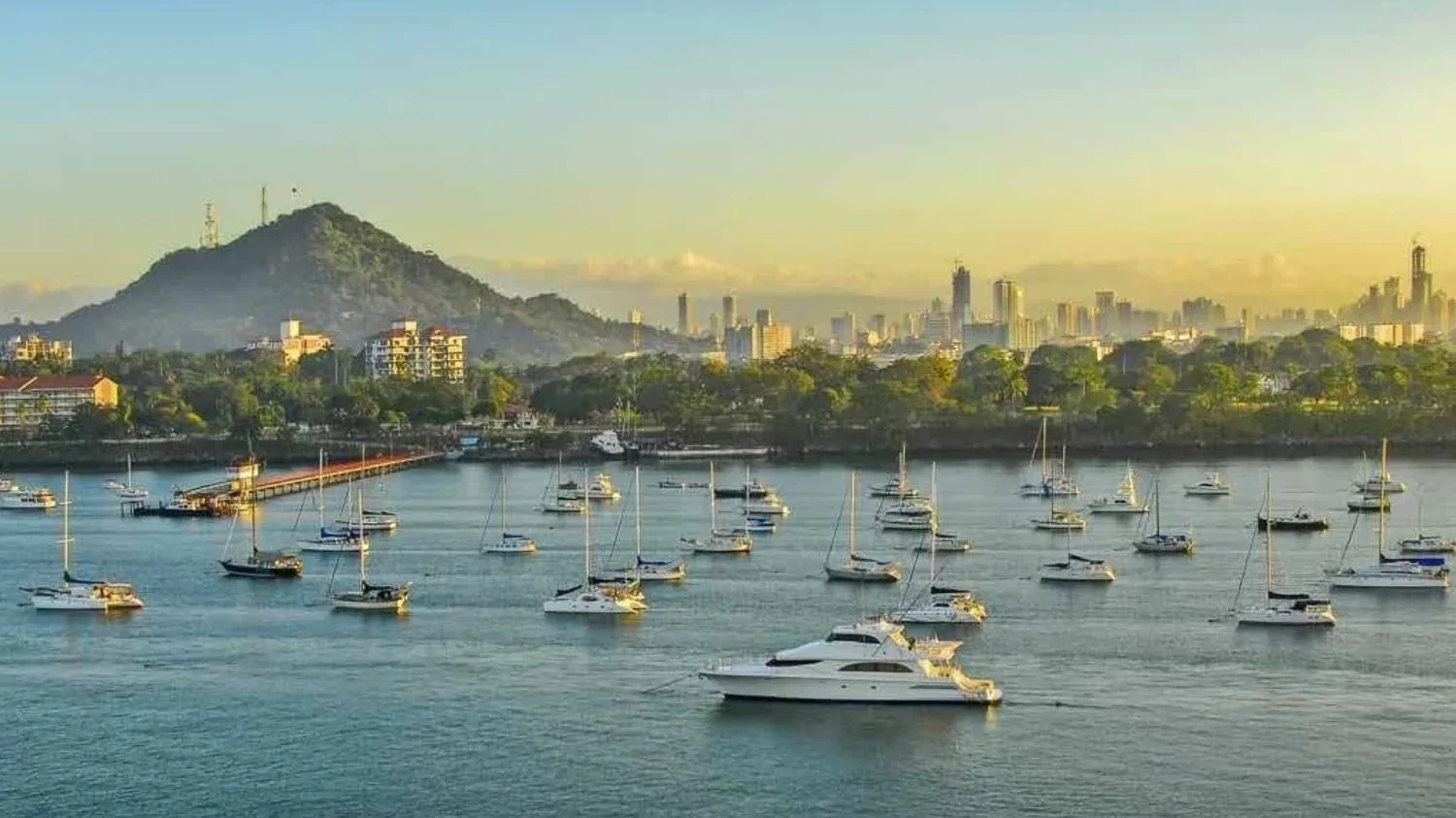
June’s rains have arrived in Panama City, and the city operates in the mode it was built for: the Pacific side green and lush, the Canal traffic uninterrupted by any weather, the tropical forest of Soberania National Park — a short drive from the city center — transformed by the rains into a birding destination of international caliber. The Camino de Cruces historical trail, walked by Spanish conquistadors and later by Forty-Niners crossing to the Pacific, is best hiked in the green season.
Wildlife
Soberanía National Park June birding — 525 species including harpy eagle, keel-billed toucan; sloth on the Pipeline Road
Natural Phenomenon
Panama Canal in the rain — the engineering achievement and the biological richness visible simultaneously
Culinary
Panamanian ceviche; traditional sancocho de gallina; farm-to-table at Panama City restaurants
Guatemala
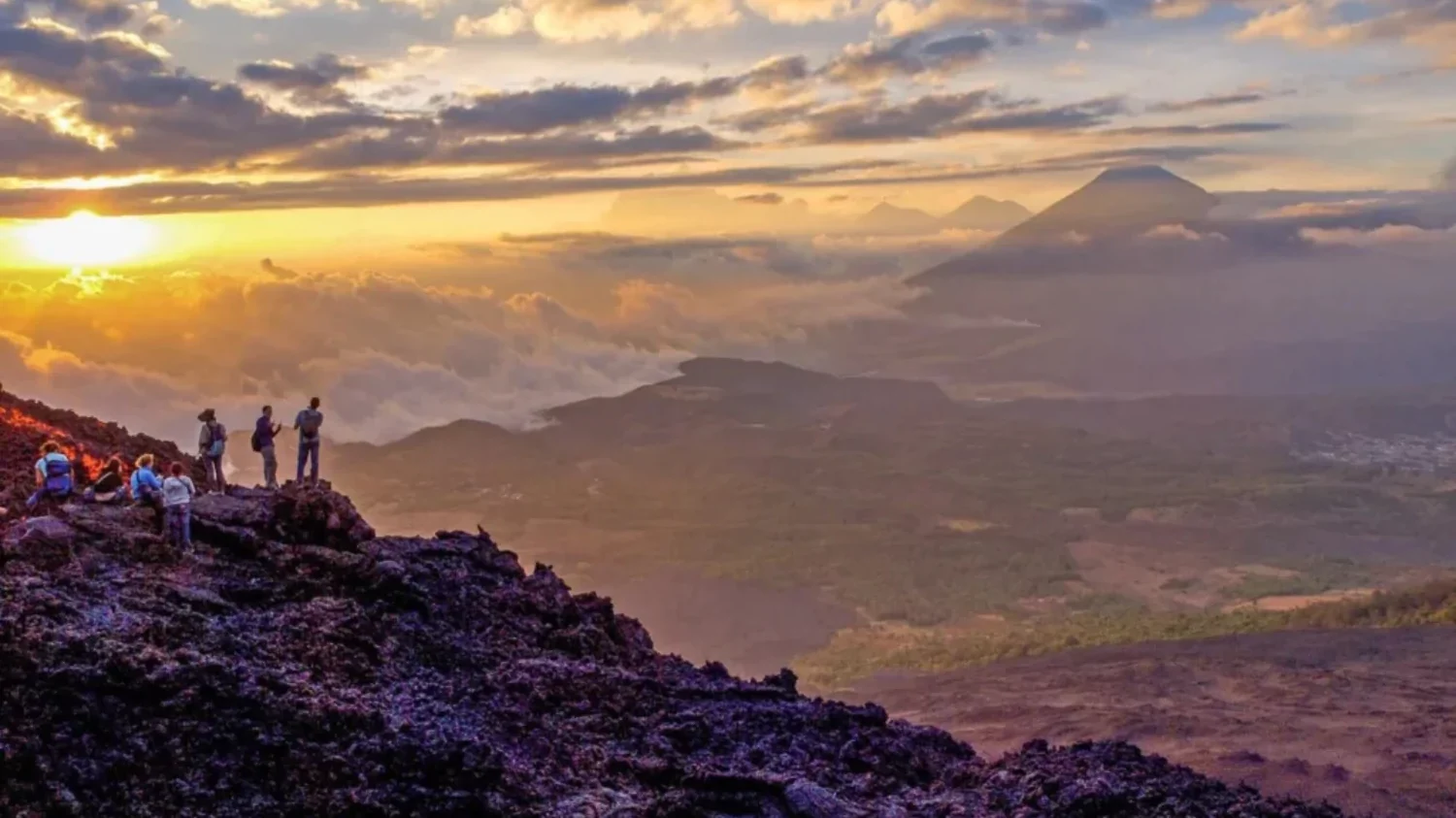
June in Guatemala sees the Pacific lowlands fully in the rainy season, while the Lake Atitlan highlands and Peten remain navigable. The Peten jungle reaches its most lush in the first weeks of the green season, and Tikal in June offers the ruins in a deep green setting — the forest fully leafed, the humidity creating a physical presence in the jungle that makes the scale of the Maya ceremonial center comprehensible in a new way.
Wildlife
June Petén: oscillated turkeys; white-nosed coatis; keel-billed toucans; tapirs near the aguadas
Natural Phenomenon
Tikal in the rain — the forest steaming at dawn, howler monkeys announcing the day from the pyramids
Culinary
Tikal area local food; Guatemalan tamales de chipilin; fresh Petén honey
Nicaragua
June is Nicaragua’s green season in full expression, and the Pacific lowlands transform into a verdant landscape that contrasts with the country’s dry season identity. The turtle nesting beaches of Playa La Flor and Chacocente begin receiving olive ridley turtles in mass nesting events (arribadas) from June onward — these gatherings of 20,000+ turtles arriving simultaneously to nest on a single beach are among the most extraordinary wildlife events in Central America.
Wildlife
Olive ridley turtle arribadas at Playa La Flor beginning in June — up to 20,000 turtles nesting simultaneously
Natural Phenomenon
Pacific green season — the landscape transformation from brown to green happening over days
Culinary
Caribbean coast seafood; Corn Island catch of the day; local pineapple and passion fruit
El Salvador
El Salvador’s green season Pacific surf peaks in June — the south swells consistent and the breaks at Punta Roca and El Zonte (Bitcoin Beach) operating at their annual finest. The Ruta de las Flores continues its weekend market culture in weather that is warm and green, and the cloud forest of Montecristo on the trifinio border with Guatemala and Honduras receives visitors in June with the forest at its most densely vegetated.
Wildlife
Montecristo cloud forest quetzal; motmots; trogons in the highland forests
Natural Phenomenon
June south swells — consistent surf at Punta Roca and El Tunco; world-class point breaks
Culinary
Salvadoran seafood on the coast; pupusas de loroco; Izalco coffee farms
Colombia
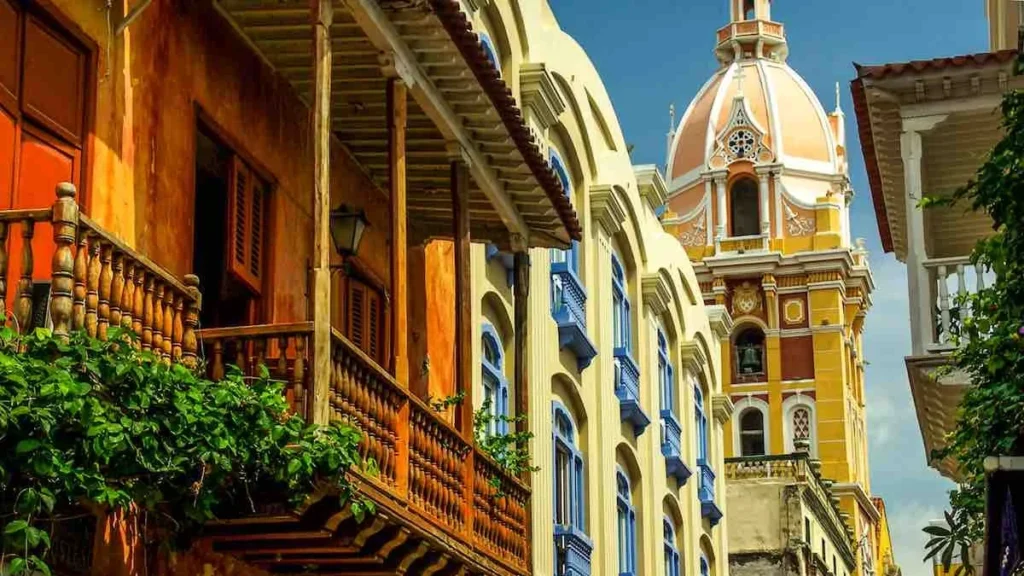
June in Colombia’s Pacific coast brings the beginning of humpback whale season — one of South America’s most remarkable and least-visited wildlife events. Humpback whales migrate from Antarctica to the warm waters of the Colombian Pacific to give birth and nurse their calves between June and November, and the area around Nuqui and Bahía Solano on the Choco coast offers boat-based whale watching of extraordinary intimacy: small vessels in near-shore waters where mothers and calves surface within meters. The Chocó rainforest backing the coast is one of the most biodiverse regions on Earth.
Wildlife
Humpback whale season beginning — mothers and calves in the Colombian Pacific (June–October)
Natural Phenomenon
Choco rainforest — the most biodiverse terrestrial region on earth, receiving 9,000mm of rain annually
Culinary
Pacific coast ceviche with coconut milk and ají; fresh Pacific tuna; Cartagena’s restaurant scene in full operation
Peru
Machu Picchu
June is the height of the Machu Picchu season — the skies definitively clear, the ruins bathed in the morning light that makes every photograph appear professionally composed, and the visitor numbers at their annual peak. The Inca Trail is fully operational and fully booked; the alternative treks — Salkantay, Choquequirao, Ausangate — offer comparable scenery with fewer visitors and require equal advance booking. Machu Picchu is best visited with a carefully arranged early morning entry that precedes the arrival of the day-trip trains.
Wildlife
Andean condors and caracaras soaring on thermals above the ruins
Natural Phenomenon
June dry season peak — the citadel in its most reliably clear light; morning mist possible before 8 am
Culinary
Cusco Inti Raymi festival food — traditional Andean ceremonial dishes; quinoa stews; chicha morada
Cusco — Inti Raymi
June 24th is Inti Raymi — the Festival of the Sun — and Cusco transforms for the occasion into the most elaborate ceremonial city in South America. The festival, held on the winter solstice according to the Southern Hemisphere calendar, celebrates the Inca sun god with processions from the Korikancha temple to the Plaza de Armas and on to the Sacsayhuaman fortress above the city, where a theatrical re-enactment involving hundreds of costumed performers draws tens of thousands of spectators. It is the largest indigenous festival in South America and one of the world’s great living cultural events.
Cultural
Inti Raymi Festival on June 24 — the largest indigenous ceremonial event in South America; book 12+ months ahead
Natural Phenomenon
Winter solstice sunrise over the Andes from Sacsayhuaman — the day the festival was designed around
Culinary
Ceremonial Andean food: roasted guinea pig, chicha de jora, quinoa stews at the festival grounds
Sacred Valley
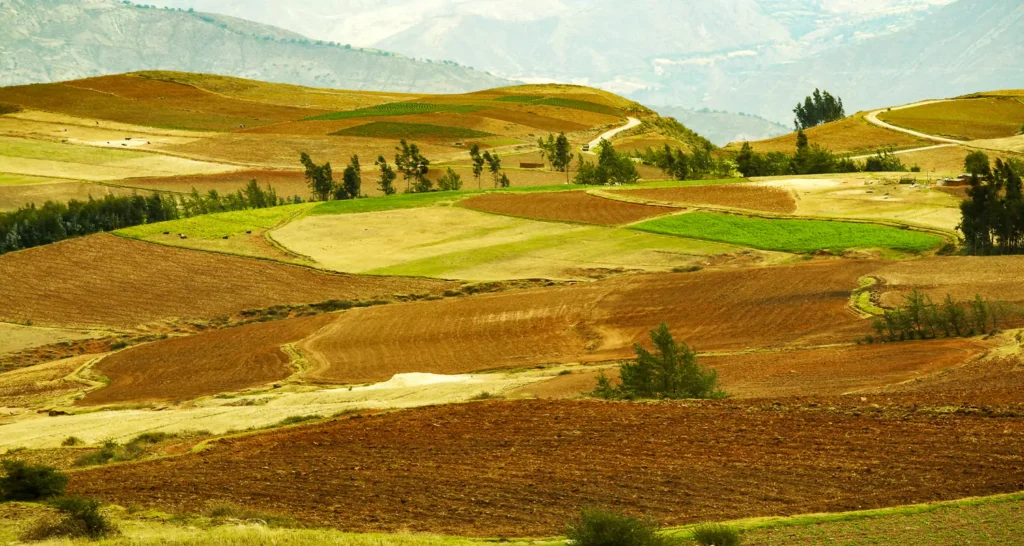
The Sacred Valley in June is at the peak of its considerable beauty — the Urubamba River running clear and green between terraced hillsides of ancient agriculture, the sky above deepest blue, and the luxury lodges of the valley in their highest period of seasonal excellence. The textile communities of Chinchero and Pisac are operating their Saturday and Sunday markets in full intensity, and the Andean produce — purple corn, 3,000 varieties of potato, quinoa, oca — is available at its dry-season best.
Cultural
Pisac and Chinchero textile markets at peak quality; valley weaving cooperative experiences
Natural Phenomenon
June Andean light in the valley — the clarity at 2,800m makes the surrounding peaks appear painted on
Culinary
Mil restaurant’s June menu — the tasting experience evolves seasonally with the valley’s harvest calendar
Lake Titicaca
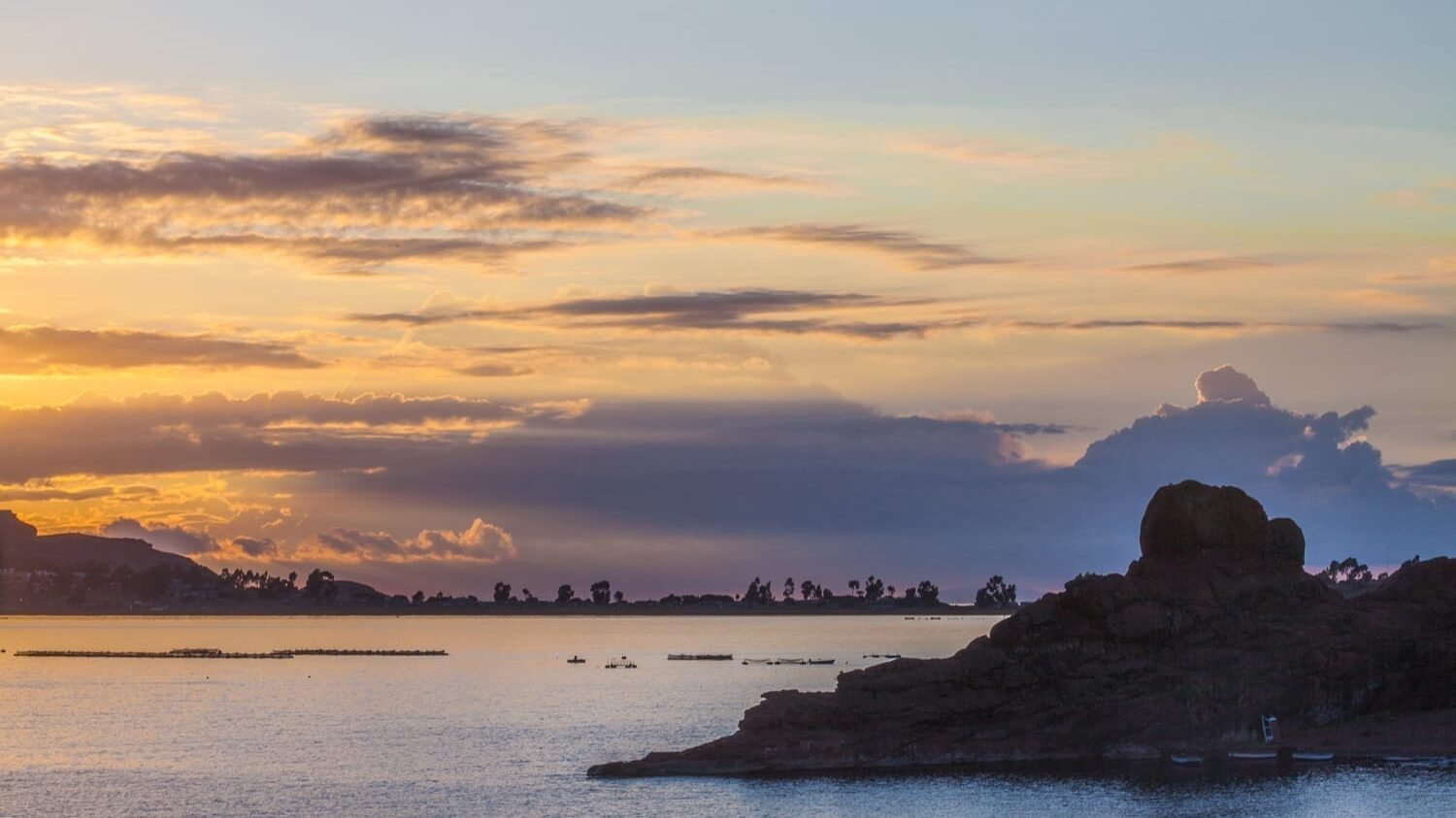
Lake Titicaca in June is entered by travelers who understand that altitude is not an obstacle but a context — the lake at 3,812 meters sitting under a sky of such depth and clarity that the word blue becomes approximate. The Uros islands, built on floating totora reed platforms and continuously renewed by their Uros residents, are most meaningfully visited with private guide arrangements that allow extended time with a family rather than a rushed group circuit. The island of Amantani offers overnight homestays with Quechua families that remain one of the most authentic cultural experiences in Peru.
Wildlife
Titicaca water frog; Andean flamingo; puna ibis; Peruvian pelican on the lake margins
Natural Phenomenon
Lake Titicaca in June dry season — the altitude and clarity producing light effects that painters travel to witness
Culinary
Amantani island visits
Galapagos Islands, Ecuador
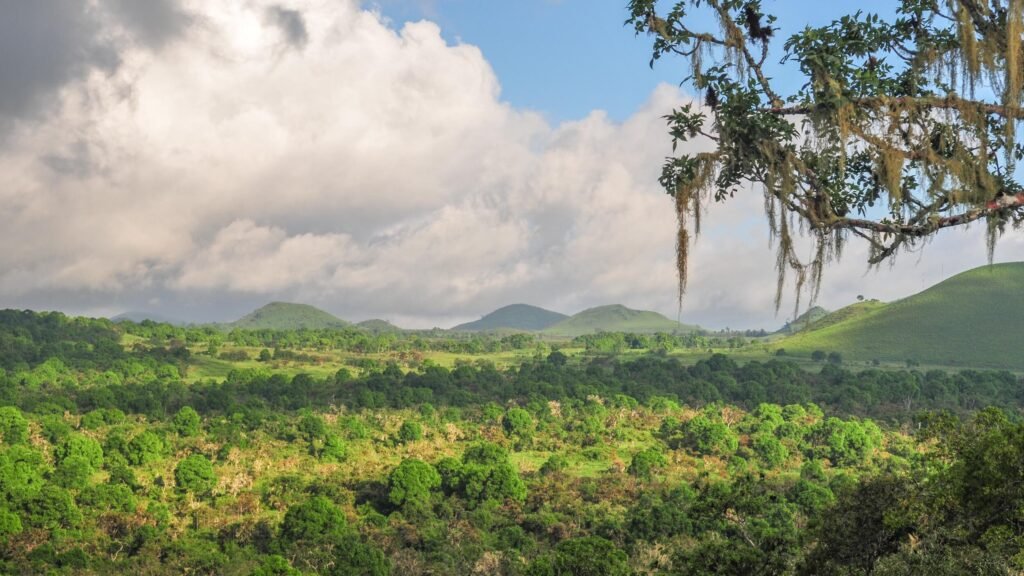
June is the beginning of the Galapagos cool season, and the arrival of the Humboldt Current brings with it the marine spectacle that defines the cool-season experience: hammerhead sharks gathering in schools of hundreds at Wolf and Darwin islands in the far north; manta rays feeding in the nutrient-rich current; Galápagos sea lions giving birth to pups that will be swimming with snorkelers within days; and the cooling garua mist settling on the higher islands in the afternoons, creating a mysterious quality to the terrestrial landscape that the warm season’s clear days cannot replicate.
Wildlife
Hammerhead shark schools at Wolf and Darwin; Galápagos sea lion pups; marine iguana colonies at peak activity
Natural Phenomenon
Garua mist season beginning — the cool fog settling on Santa Cruz highlands, giving the islands a new atmosphere
Culinary
Fresh Galapagos ceviche and sashimi; locally cultivated Galapagos coffee
Brazil
Chapada Diamantina
June is the heart of the Chapada’s dry season — the plateau trails firm, the waterfalls running at their optimal volume between the wet-season peak and the dry-season minimum, and the clear skies making the canyon and mesa landscapes visible in their full geological complexity. The Grutado Lapão — a 600-meter quartzite cave accessible by an easy walk from Lencois — is lit by natural light in June’s angle of sun that makes photography there something genuinely unusual.
Wildlife
Maned wolf on the cerrado plateau; crowned solitary eagle; giant anteater
Natural Phenomenon
Poço Azul and Poço Encantado caves at peak clarity; Fumacinha Waterfall at full, consistent flow
Culinary
Lencois village cooking: jackfruit stew; local honey; corn-based cakes at the trail markets
Iguazu Falls
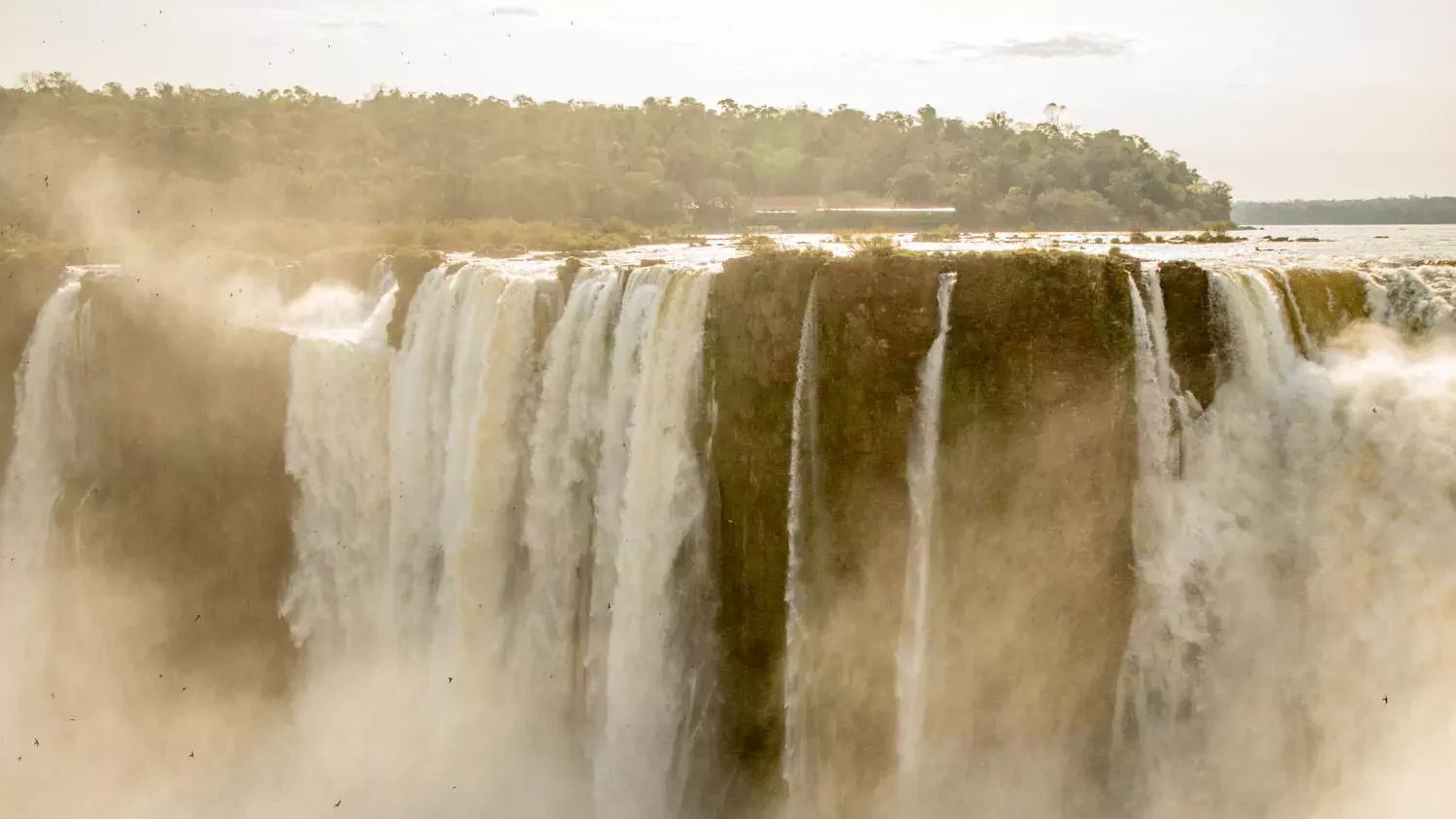
June at Iguazu is the beginning of the Argentine and Brazilian winter tourist season — the waterfalls at a stable and impressive volume, the subtropical forest cool and easy to walk in, and the wildlife concentrated in the corridor between Argentine and Brazilian circuits. June days are short by subtropical standards but long enough for both the Argentine and Brazilian perspectives in a single day if energy permits.
Wildlife
Great dusky swift colonies nesting behind the falls in June; toco toucan nesting; coati families
Natural Phenomenon
June stable flow — all 275 cascades visible; Garganta del Diablo at consistent force year-round
Culinary
Parilla night at your luxury lodge or hotel; Misiones province yerba mate experience
The Amazon
June marks the beginning of the Amazon’s dry season — the rivers beginning their slow recession from the high-water mark, the beaches appearing on river bends, and the wildlife concentrating as the flooded forest gradually drains. Caiman sunbathe on emerging sandbars; giant river otters establish their dry-season territories on lake margins; hoatzin colonies build nests in the riverside vegetation; and the giant arapaima — one of the world’s largest freshwater fish — become visible in the shallowing channels. This is the beginning of the finest wildlife-viewing season.
Wildlife
Giant river otter; hoatzin; caiman on emerging sandbars; giant arapaima; pink river dolphin
Natural Phenomenon
Amazon dry season beginning — beaches emerging from the river, flooded forest draining, wildlife concentrating
Culinary
Amazonian tambaqui fish; pirarucu (arapaima) prepared in local style; açaí at source
Argentina & Chile
Northern Patagonia
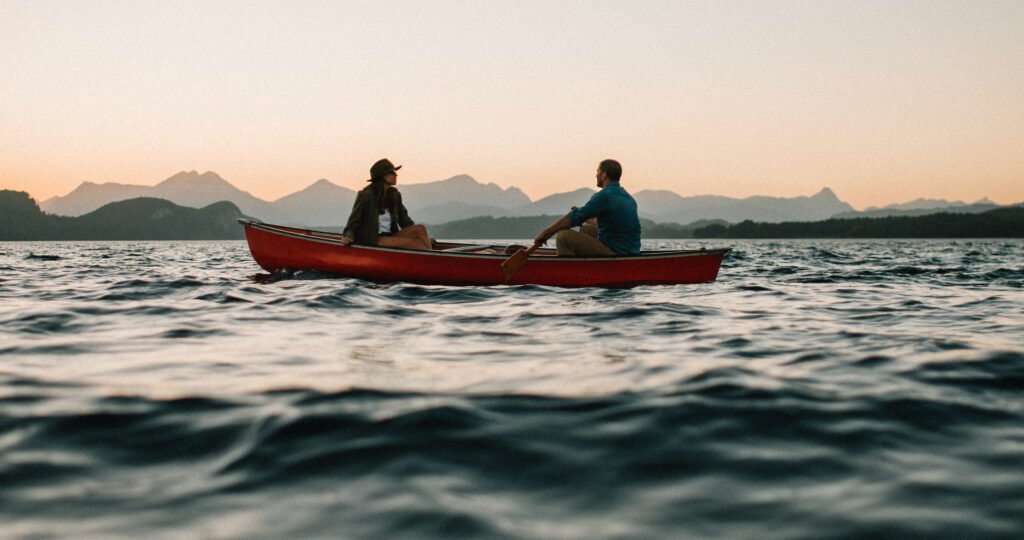
June is winter in Northern Patagonia, and the ski resorts of Cerro Catedral and Cerro Bayo receive their first snowfall in depth, with the Andes visible behind slopes that have the remarkable advantage of looking down at lakes rather than valleys. The town of Bariloche, with its Swiss-inflected architecture and its serious chocolate-and-beer culture, operates at full winter hospitality intensity — the fondue and the warming wines are not decorative.
Wildlife
Andean condors above the ski pistes; red fox tracks in the snow between runs
Natural Phenomenon
Cerro Catedral skiing with Nahuel Huapi lake visible below — one of the world’s most scenic ski fields
Culinary
Bariloche artisan chocolate; winter lamb and wild boar; craft cerveza artesanal; mulled wine in the lodges
Southern Patagonia — Torres del Paine
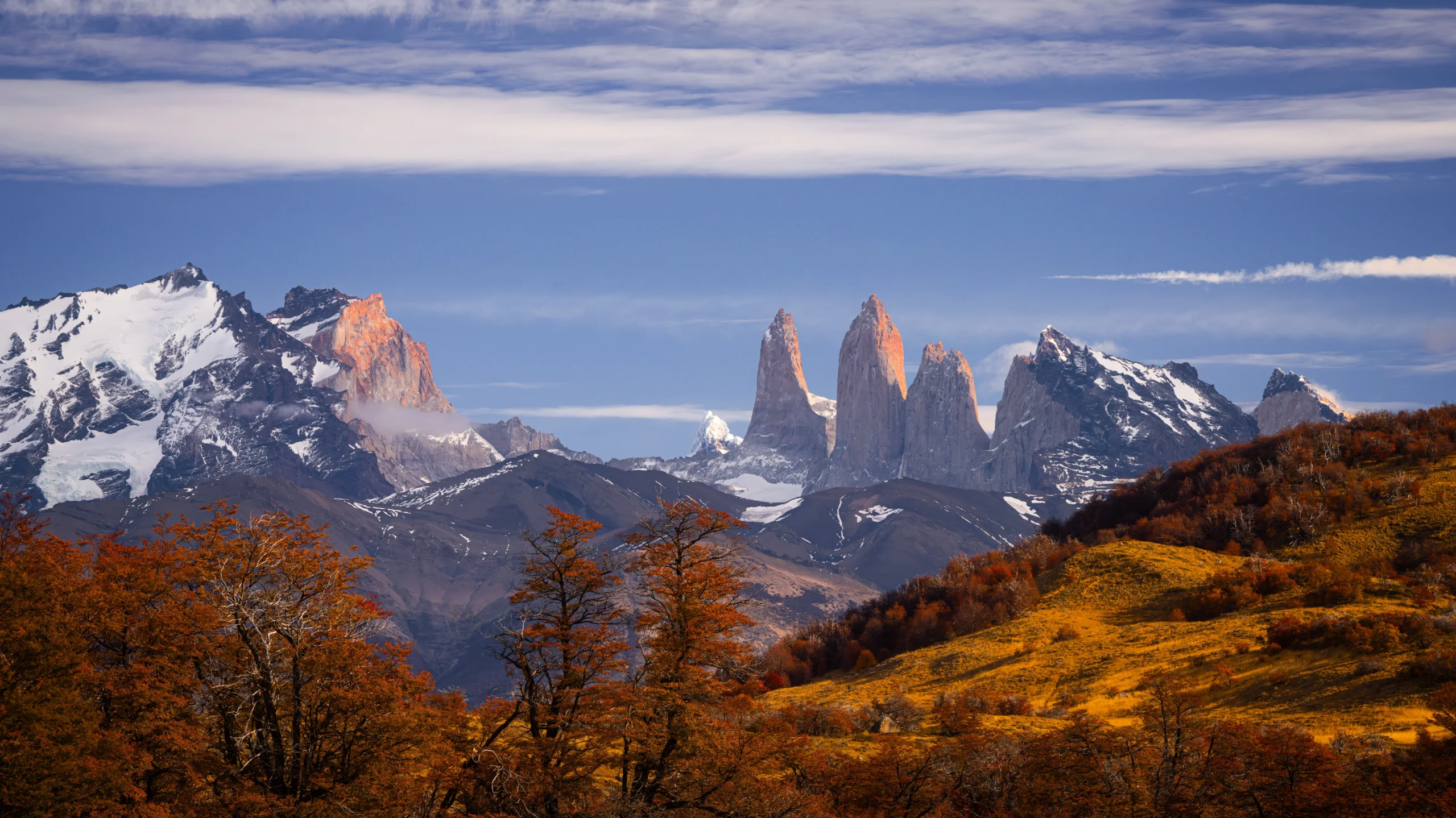
June is the beginning of Southern Patagonia’s winter season — the lenga beech forests bare, the wind at its most sustained, and Torres del Paine operating in the austerity of the shoulder season when the park is quietest, winds have calmed, and the puma most visible on the open pampas. It isnot comfortable travel in the conventional sense. The reward is a version of Patagonia that most travelers never see — stripped, cold, and more genuinely wild than any summer visit.
Wildlife
Puma at maximum pampas visibility in the open winter landscape; condor; guanaco herds
Natural Phenomenon
Winter Patagonian light — the sun low on the horizon all day, the towers lit in horizontal gold for hours
Culinary
Centolla season at full production in Puerto Natales; winter lamb asado; craft Patagonian beer
Valdés Peninsula, Argentina
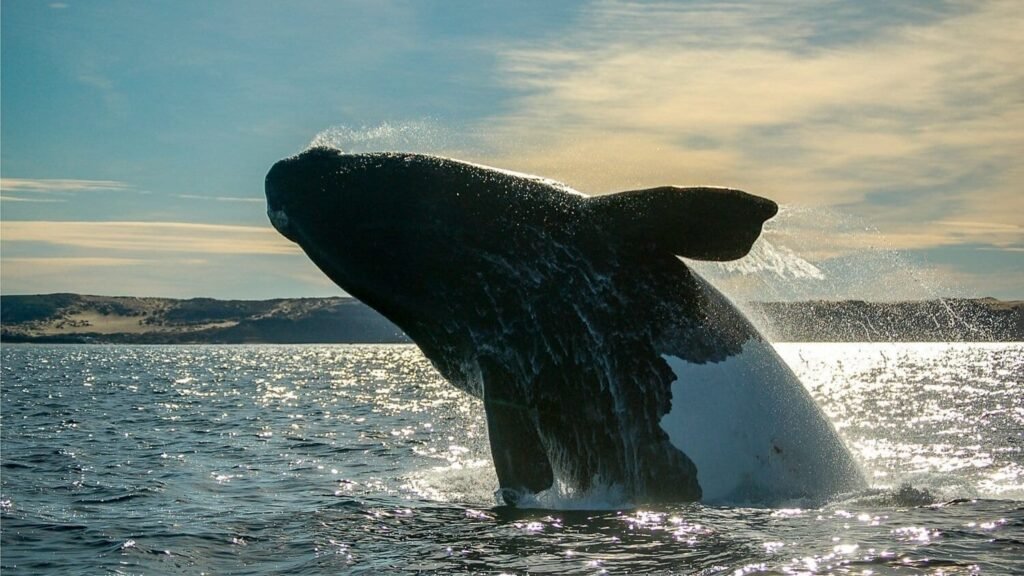
The Valdes Peninsula, a UNESCO World Heritage site on the Patagonian Atlantic coast, is one of the world’s great wildlife destinations, and June marks the height of the southern right whale season, when mothers and calves inhabit the sheltered bays of Golfo Nuevo and Golfo San Jose. The right whales of Valdes use these bays as a nursery from June through December, and whale-watching boats operating from Puerto Madryn offer encounters of extraordinary intimacy with animals that can be 15 meters long and show complete indifference to the presence of small vessels.
Wildlife
Southern right whale mothers and calves — June peak season in the sheltered gulfs; orca hunting sea lions at Punta Norte
Natural Phenomenon
Right whale courtship behavior in the calm bays — rolling, tail-slapping, spy-hopping within 50m of vessels
Culinary
Puerto Madryn fresh Patagonian seafood; Welsh tea houses of the Chubut valley settlements
Atacama Desert
June in the Atacama is deep dry season: the days sunny and the nights cold, the air at its clearest and driest, and the stargazing at its annual peak. The ALMA Observatory plateau, the ESO telescopes at Paranal, and the smaller visitor-access observatories around San Pedro de Atacama collectively occupy the finest astronomical real estate on earth, and June’s long, cold nights and absolute atmospheric clarity make this the month that serious astrophotography expeditions plan around.
Wildlife
Andean fox near San Pedro at dusk; vicuña herds on the plateau; flamingos on the Salar de Atacama
Natural Phenomenon
June stargazing — the finest on earth; Milky Way core visible with the naked eye; ALMA and VLT observatories
Culinary
San Pedro winter cooking: altiplano lamb, locro stew, pisco sour at the desert terraces
Why Book in Advance
June is the peak month for Cusco and Machu Picchu. Inti Raymi on June 24 fills the city months in advance, and accommodation in Cusco during the festival week is among the most competed-for in South America. Inca Trail permits for June sell within hours of opening. The finest Galápagos expedition vessels for June are typically fully subscribed by the preceding October. Torres del Paine shoulder-season lodges book rapidly as summer-averse travelers discover June’s puma visibility and golden light. Valdés Peninsula whale-watching charters with reputable operators sell out for the June-July peak. Lake Titicaca Amantaní homestay programs have limited capacity and book well ahead. Plan June with the conviction it deserves.
READY TO PLAN YOUR JOURNEY?
Our LANDED travel designers craft bespoke itineraries for discerning couples, families, and multi-generational groups — blending deep regional knowledge with privileged access to the places, people, and experiences that define each destination.