
Why Patagonia?
Patagonia is the edge of the world—a land of everlasting plains and breathtaking mountains. It embodies the new hope of immigrants and the ancient domain of native cultures.
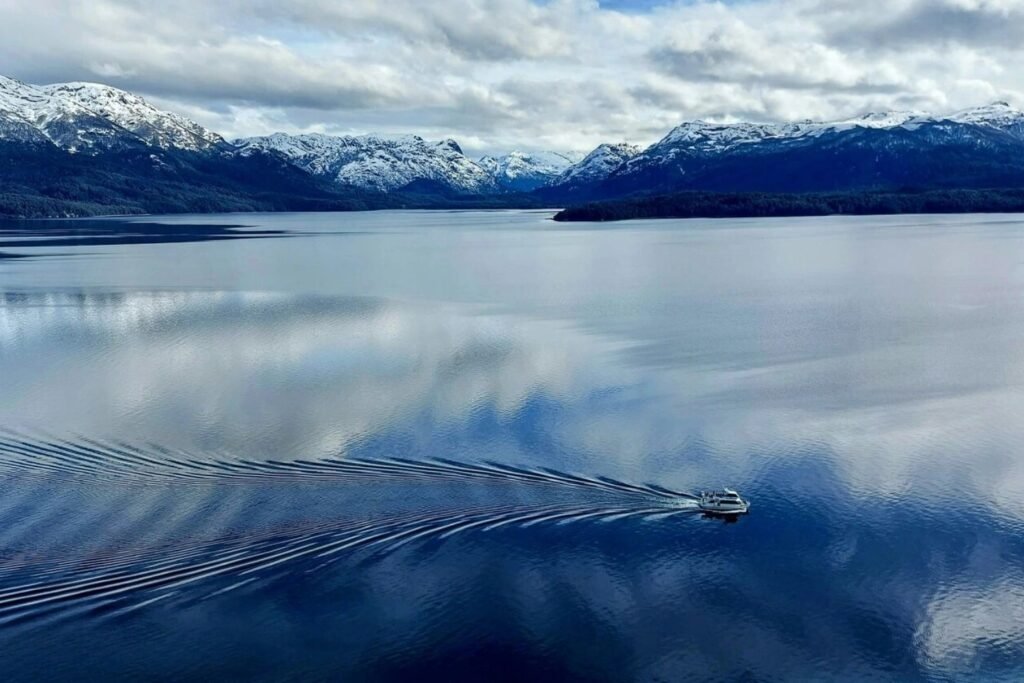
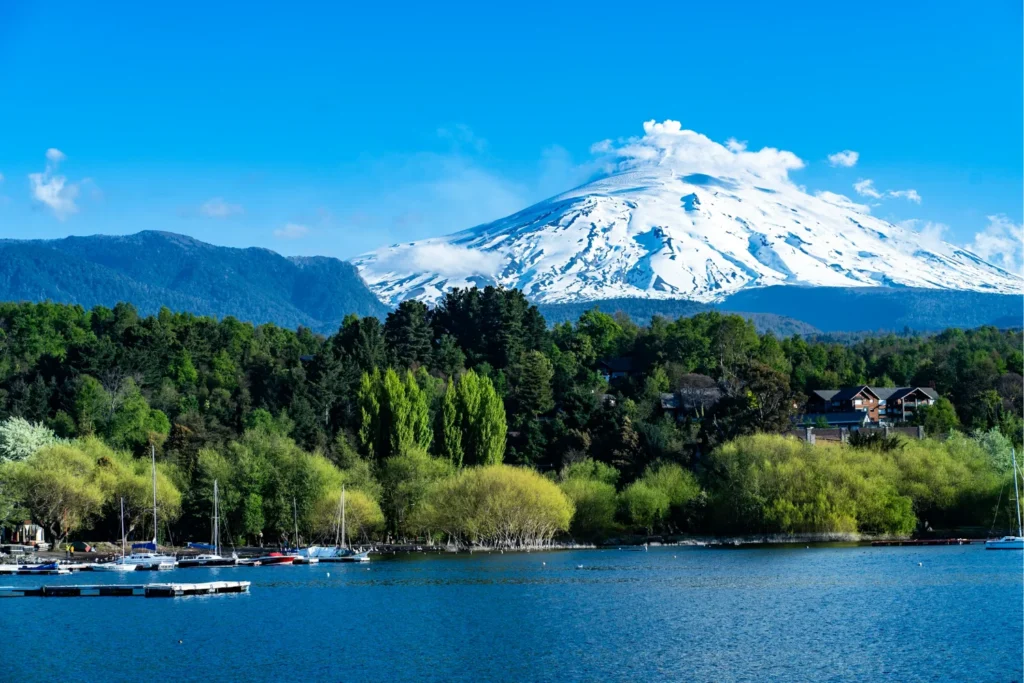
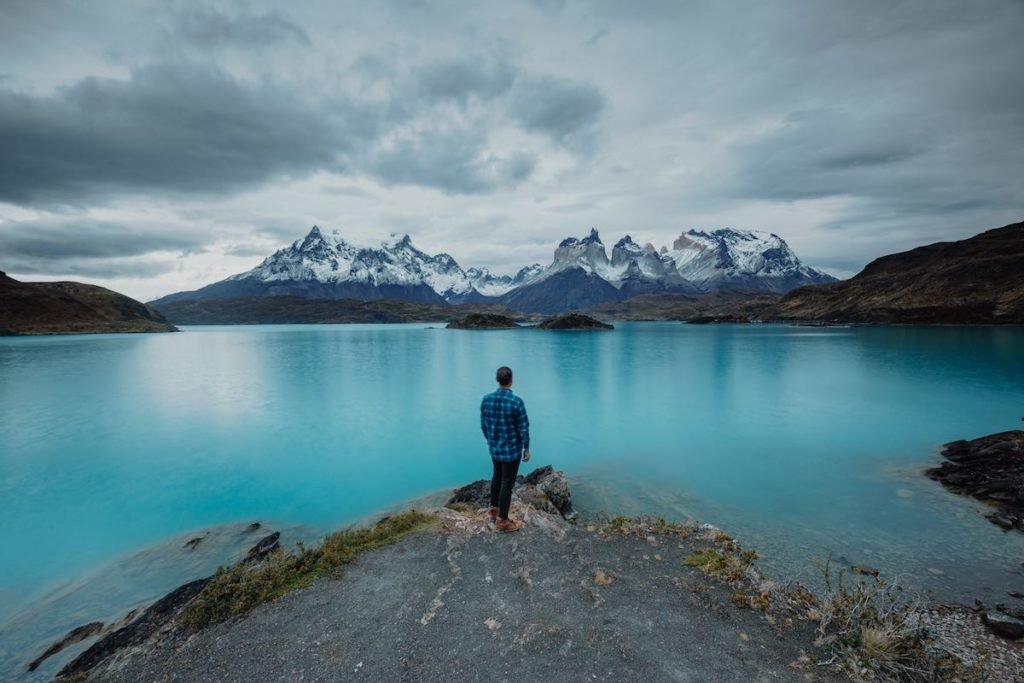
Patagonia extends across the southern territory of Chile and Argentina: from Neuquén and Araucanía in the north to Tierra del Fuego in the south, and from the Chilean fjords to Argentina’s South Atlantic cliffs. In the west, granite spears and ice-clad volcanoes loom above pale-blue lakes and primordial forests. East of the Andes, the Patagonian steppe stretches to the horizon.
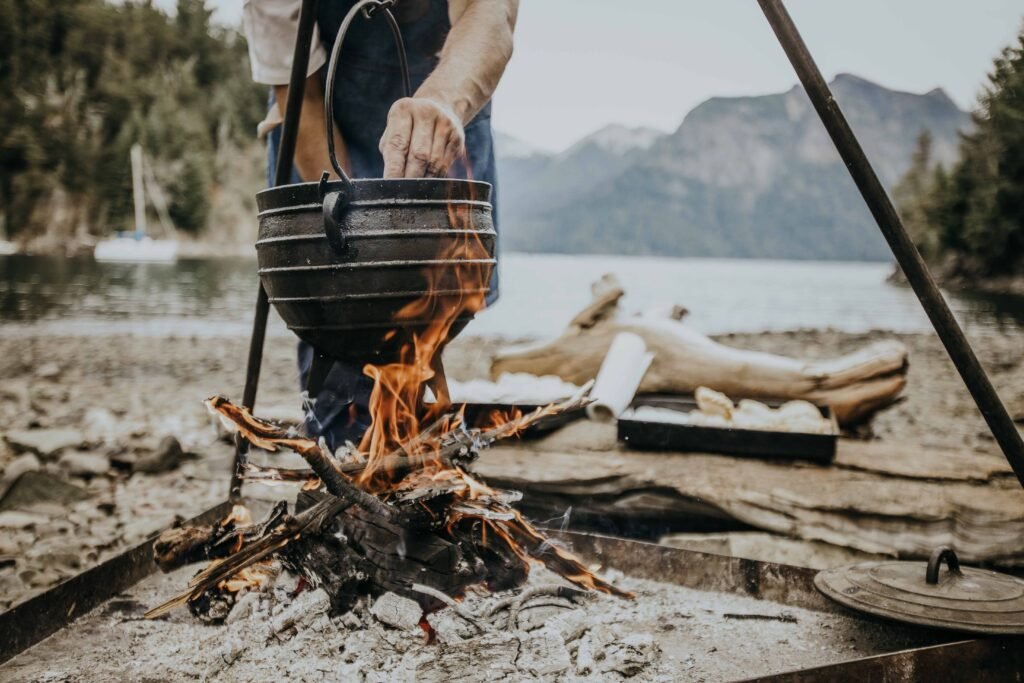
Through the stories of explorers and adventurers, Patagonia has taken on a mythic significance. It symbolizes freedom, solitude, and resilience.
In Patagonia, you can experience nature’s raw power and wild beauty on an unmatched scale. Its majesty will awaken your sense of awe and inspire transformation.
When we visit Patagonia, we return home inspired and rewarded. It’s a place we return to again and again, drawn by friendships and other deep connections.
A part of our soul lives in Patagonia. One trip, and you’ll understand.
What kinds of lodge or hotels are in Patagonia?
The diversity of Patagonia’s lodging options mirrors the variety of its breathtaking scenery. Imagine:
- Spending the day hiking in Torres del Paine, then soaking in your private cabin’s wood-fired hot tub before tucking in to a fireside dinner.
- Riding with gauchos (and their herding dogs) on a private estancia, then retiring to your suite at a cozy ranch house.
- Trekking in El Chalten and returning to an intimate dome camp with views of the Fitzroy Massif.
- Skinning up an active volcano, skiing down, and helicoptering to a private home in a lakeside forest reserve.
- Kayaking or whitewater rafting in the Argentine Lakes District, with dinner under the stars at your private pop-up camp.
- Fly fishing in the rivers and lakes of the Valdivian Rainforest, unwinding at a hot spring oasis, and settling in at a riverside lodge.
- Whale watching and visiting penguin or elephant seal colonies on the Atlantic Coast, then enjoying a traditional asado barbeque at a private estate.
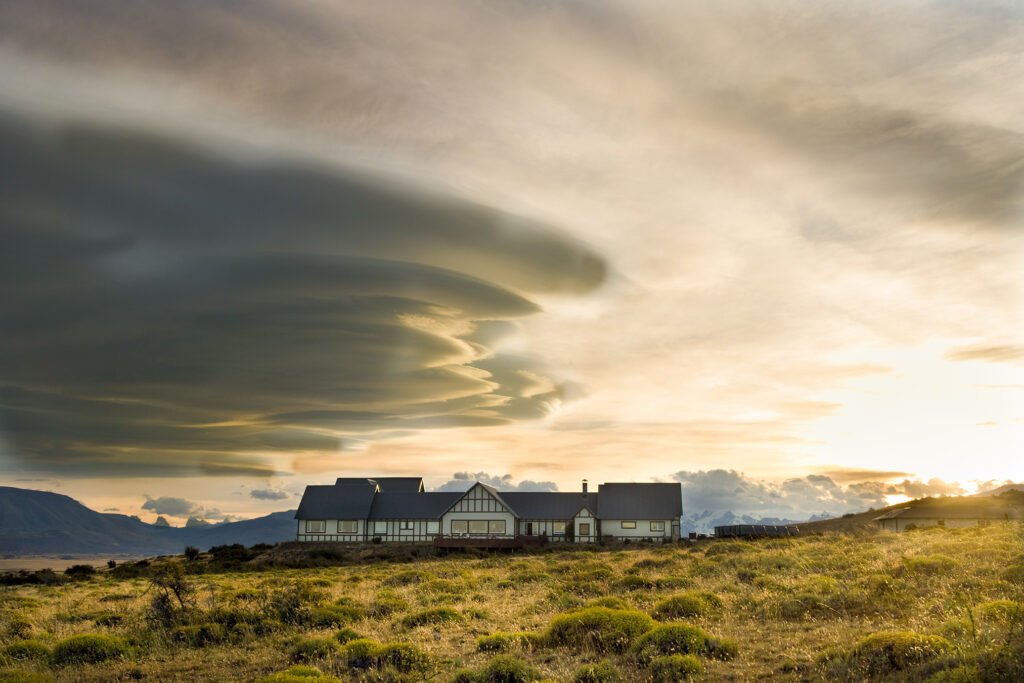
How to choose the right lodge or hotel in Patagonia
This article is meant to help you think through some of the key questions for travelers interested in experiencing Patagonia.
Which places are right for you? Start with these questions:
- What do you want out of this trip?
- What do you picture when you think of Patagonia?
- What’s calling you there?
Other key questions are outlined below.
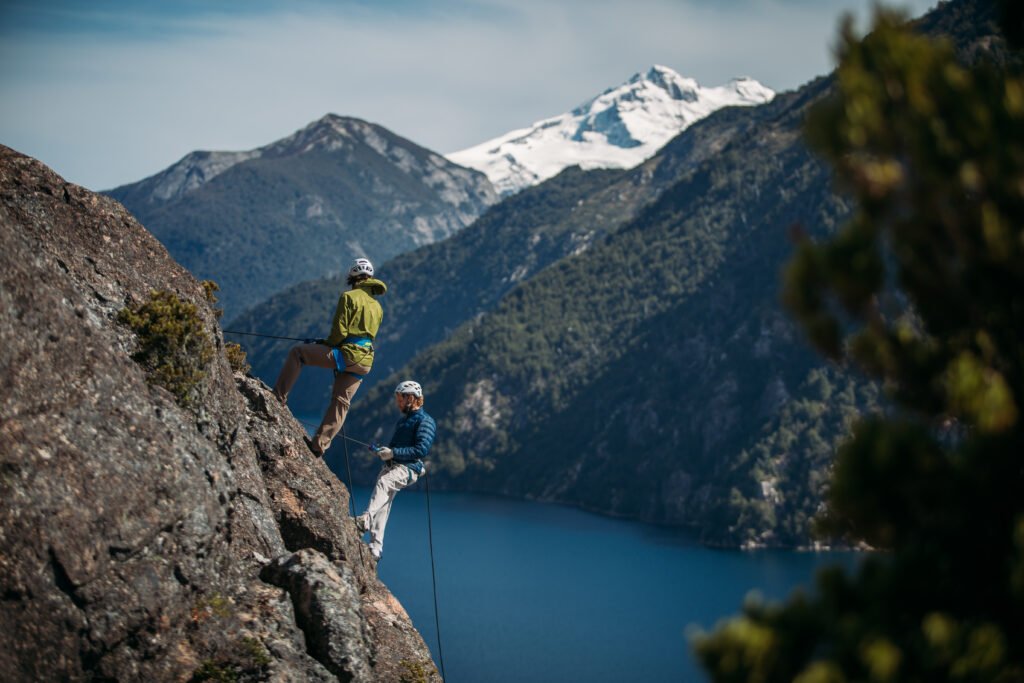
If you’re feeling lost or want an expert guide, trust the team at LANDED. For more than 20 years, LANDED has helped travelers like you connect with the best of Patagonia. We design and manage all aspects of your journey, leaving you free to enjoy the moments.
We know these places first-hand and by heart. No AI, and no BS. Speak to a living, breathing, thinking Patagonia expert today at LANDED (hello@landedtravel.com or 801.582.2100).
Which countries?
Patagonia is a vast region, covering over 400,000 square miles in the southern portions of Chile and Argentina. The Andes Mountains divide the two territories, with roughly a dozen active border crossing points for most of the year.
Chilean Patagonia has coastal rainforests in the north, similar to those found in the Pacific Northwest of the USA. In the south, rivers, lakes, glaciers, ice fields, and mountains—volcanoes and granite massifs.
Argentina also has many lakes, rivers, and forests near the Andes. On the whole, Argentina is drier, with precipitation concentrated near the Andes. The Patagonian Steppe (the Patagonian Desert) spreads out east of the Andes, and continues to the Atlantic Coast.
If you want to visit both countries in one trip, we recommend at least 14 days on the ground in South America. If pressed for time, you can see two key locations in Patagonia in ten days, excluding international travel days.
What landscape?
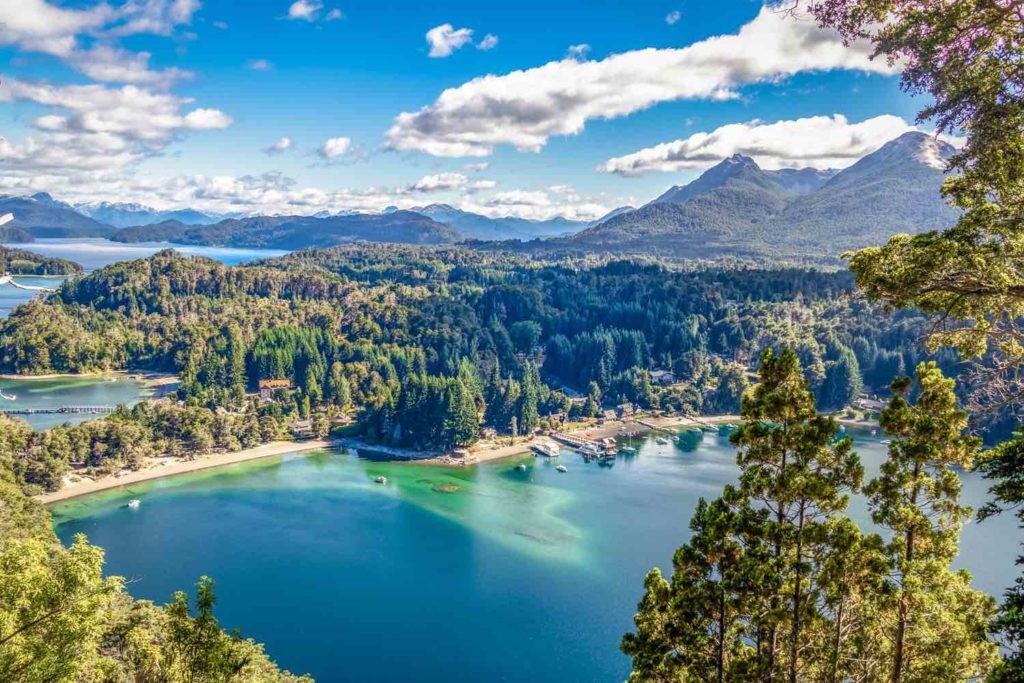
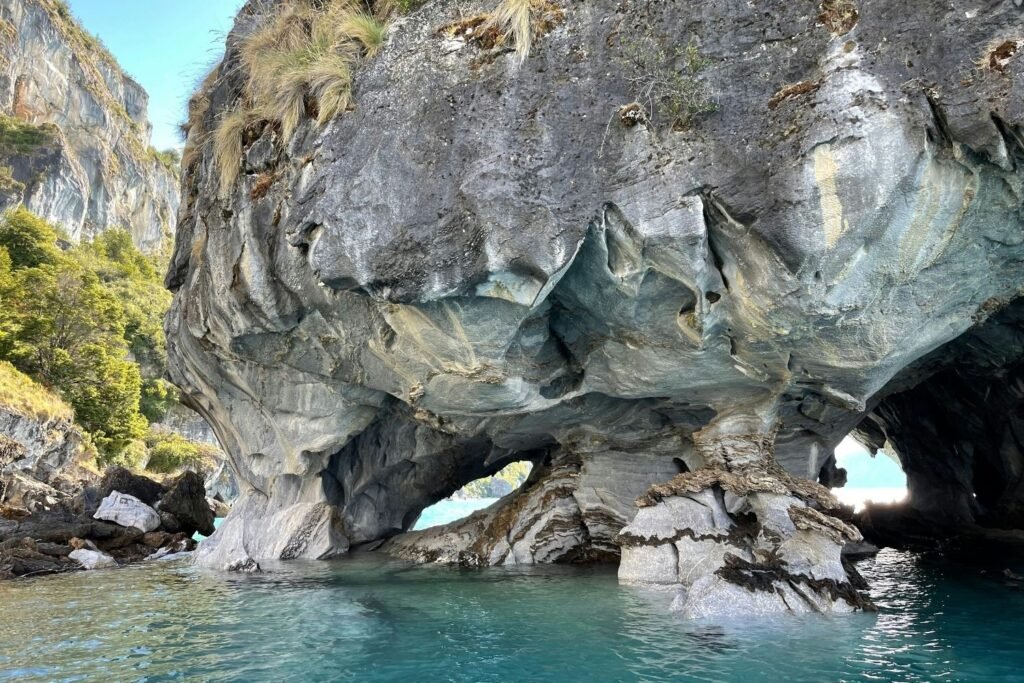
Patagonia is so large and varied, that you’ll need to prioritize. Here are a few of our favorite landscapes:
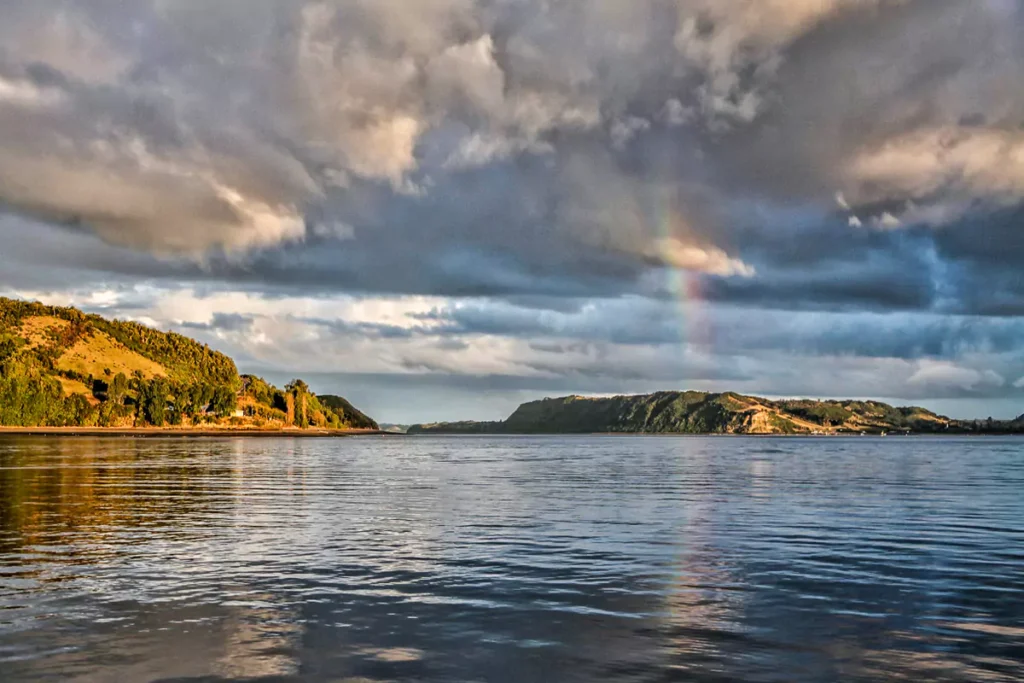
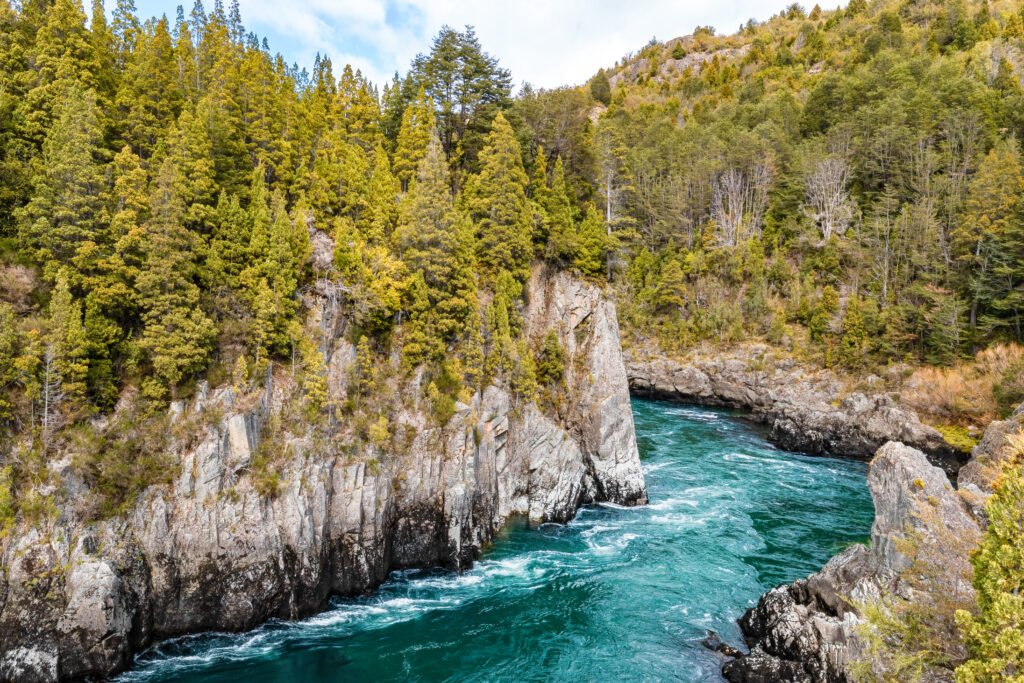
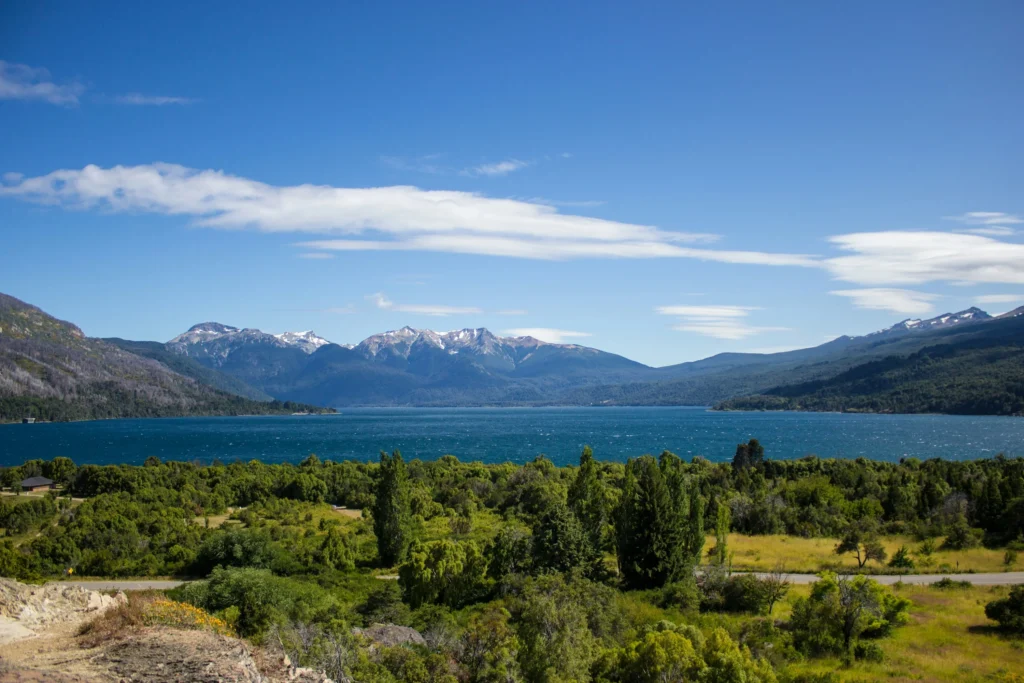
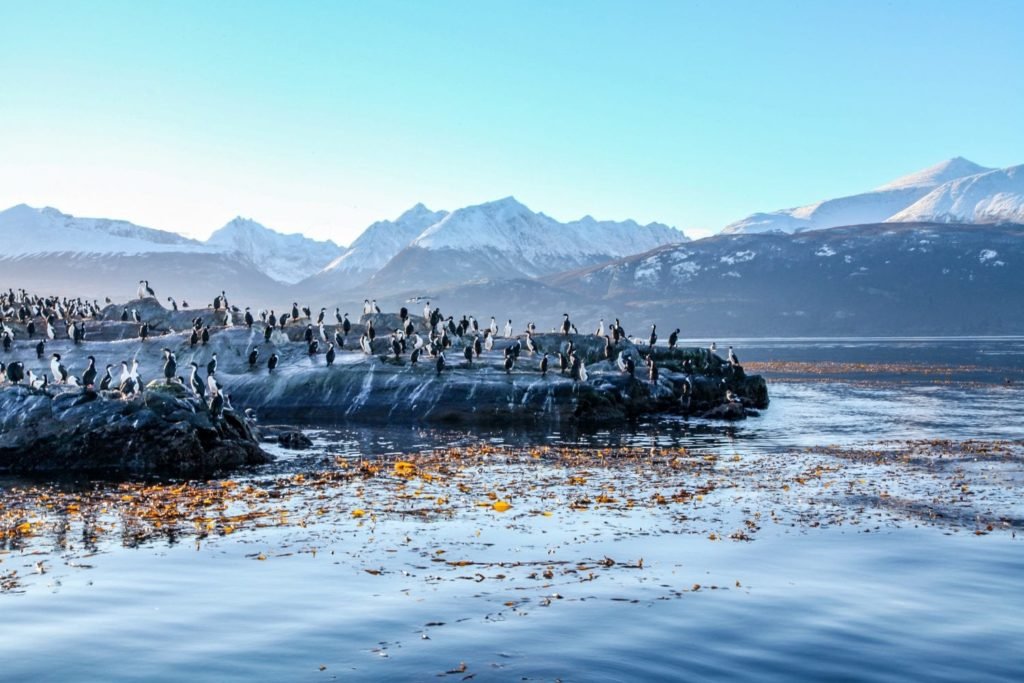
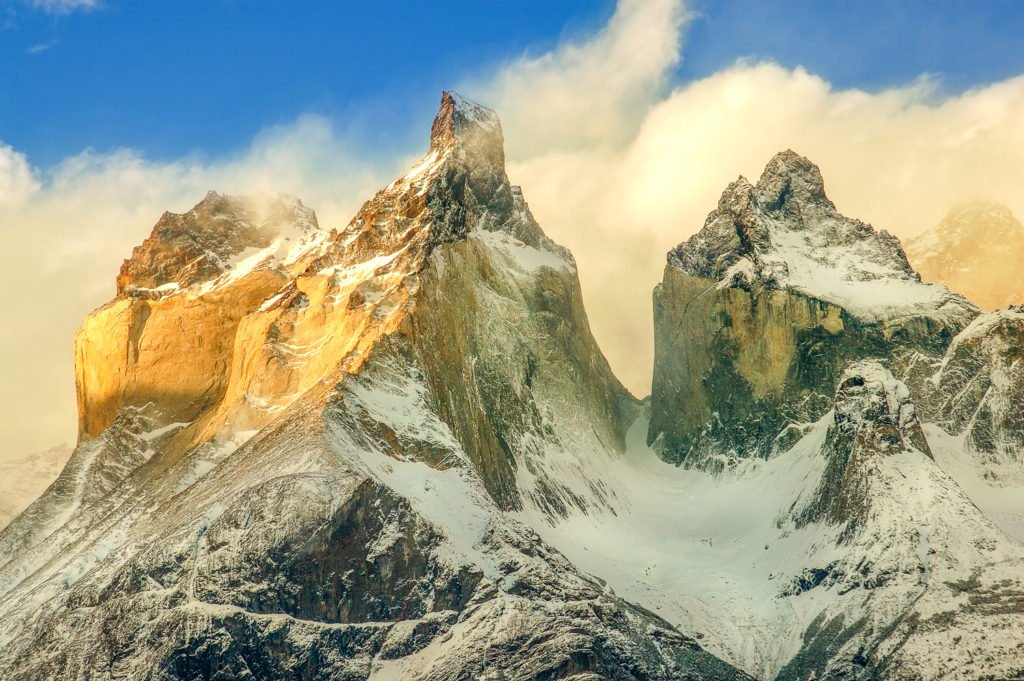
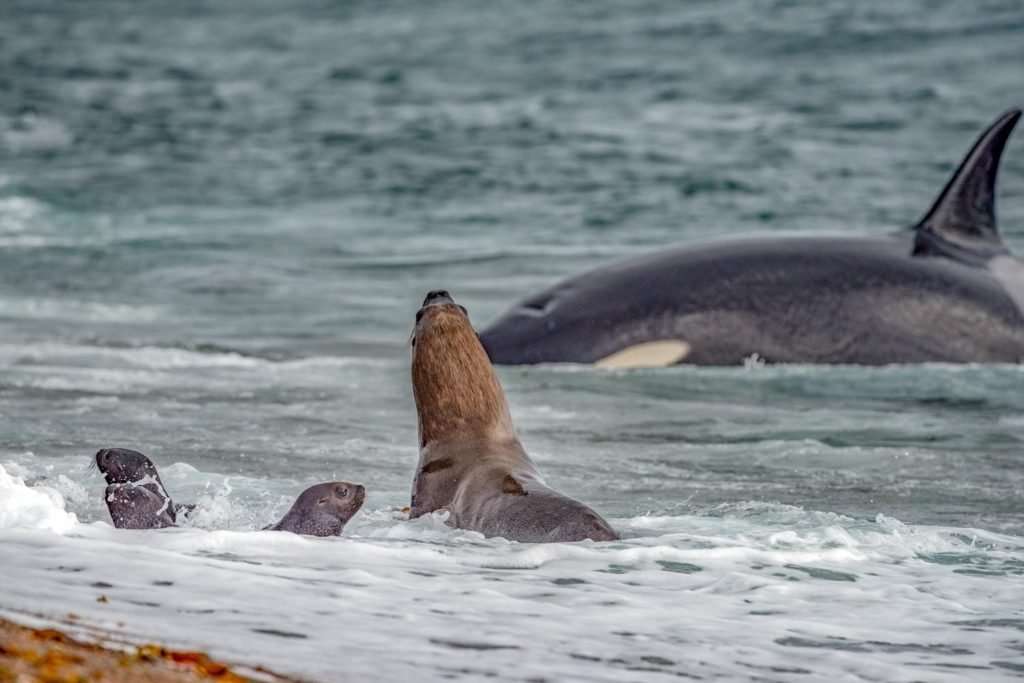
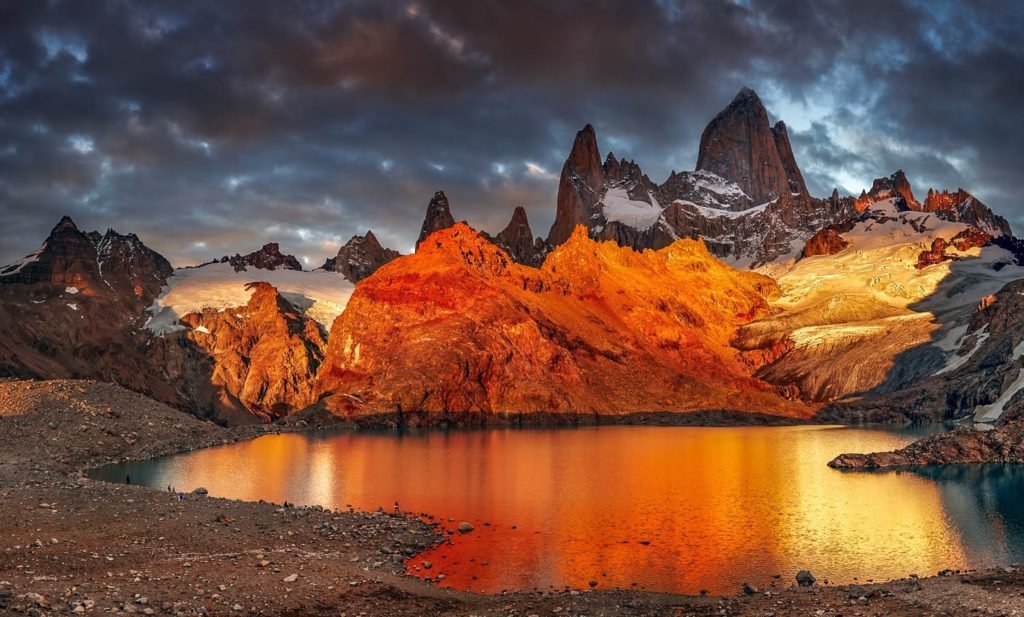
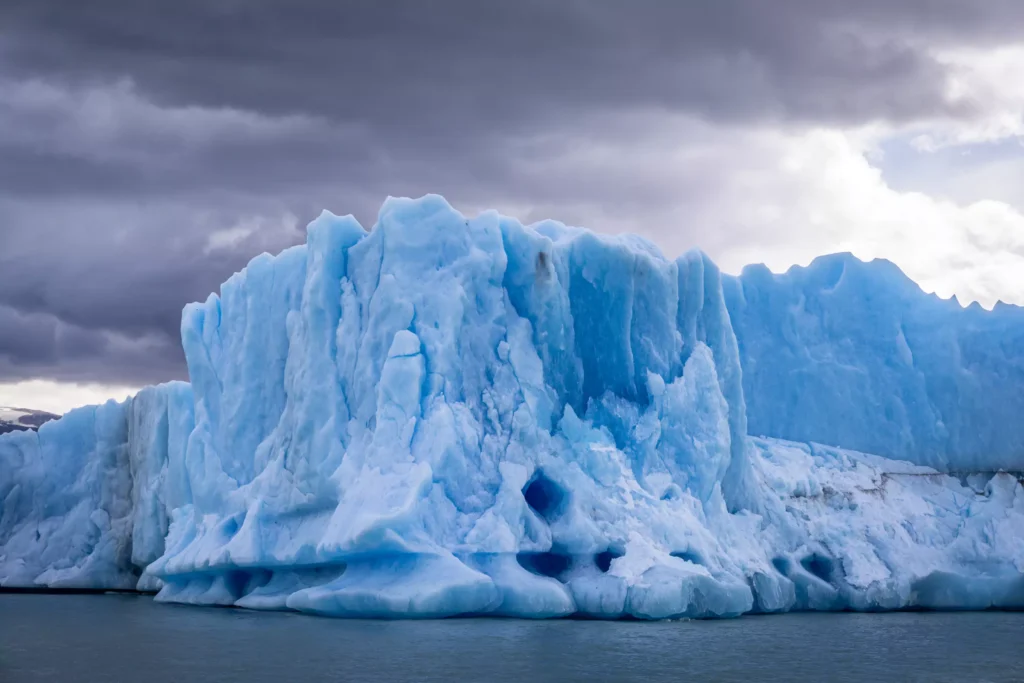
When are you traveling to Patagonia?
Peak season (including the Austral Summer) runs from October to April. That’s when the most options are available. Many lodges are closed from May to September. A few are open year-round.
- Shoulder Season (October & November, March and April) – fewer travelers and more solitude. Mercurial weather and great opportunities for wildlife viewing.
- Austral Summer (December to February) – long days, potential for high wind, and sunshine. This is the most popular time to visit Patagonia; space at the best locations comes at a premium.
- Off-Season (May to September) – shorter days, with less wind in many parts of southern Patagonia. Winter sports opportunities.
Who is traveling to Patagonia with you?
Some settings and adventures are best experienced by active adults. Fishing lodges and multi-day riding or rafting itineraries are good examples.
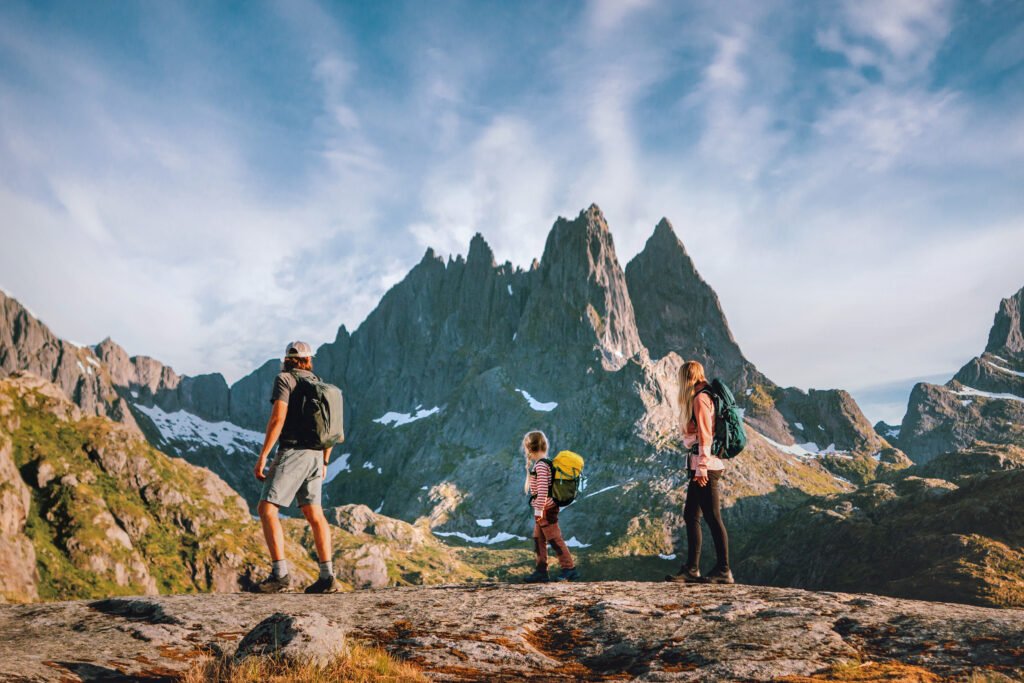
That said, most lodges are well equipped for families. We’ve also adapted adventures for young travelers. For example, we modified kayaks and trekking routes for a family with children under age 10.
Can you visit Patagonia with kids?
Of course. Almost all activities and excursions can be adapted for families with children as young as five years. Many of our favorite lodges and hotels in Patagonia offer family suites or private family-friendly cabins.
We’ve hiked, ridden horses and bikes, kayaked, and camped with our children in Patagonia. LANDED agents are recommended by countless families like yours, and Conde Nast Traveler has recognized LANDED agents as top travel advisors for both Patagonia and Family Travel.
Is wildlife a priority?
In northern Patagonia, you can expect to see a wide variety of birds (woodpeckers, parakeets, swans, ducks, and caracaras). In the south, you’ll likely see more condors and rheas, as well as waterfowl and shorebirds.
Penguins (usually Magellanic) nest throughout southern Patagonia in both Chile and Argentina. King Penguins can be observed at Bahia Inutil, Chile.
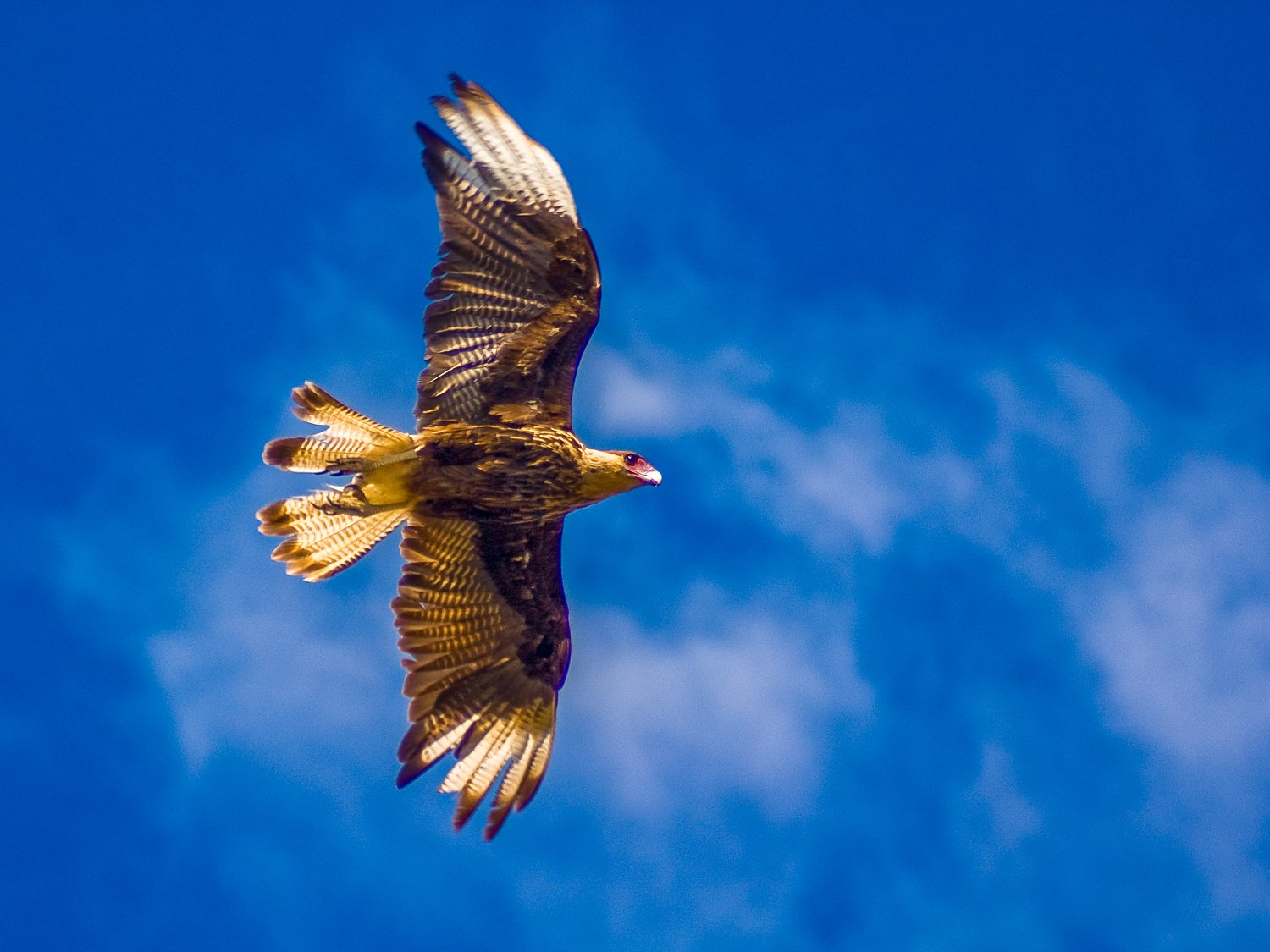
Southern Patagonia is home to guanacos, foxes, wild horses, and pumas. For example, the highest density of pumas is found in two locations in Patagonia: Torres del Paine, Chile and Monte Leon National Park, Argentina.
On the coasts, you can also see the Southern right whale, sea lions, sea lions, fur seals, and albatrosses.
What activities are you seeking?
Patagonia is a magnet for outdoor active adventure. Most visitors want to include one or more of these activities:
- Hiking or trekking
- Horseback riding
- Mountain / off-road biking or e-biking
- Kayaking
- Scenic drives to waterfalls, overlooks, and viewpoints
- Wildlife viewing
Trekking is ubiquitous; almost every lodge throughout Patagonia offers a long-list of hiking and trekking routes. Riding and biking are also fairly common. Kayaking is usually arranged on a private basis, and can be done in lake, river, or coastal locations.
Climbers usually have a specific goal in mind, and they usually don’t seek the kind of travel planning provided by LANDED.
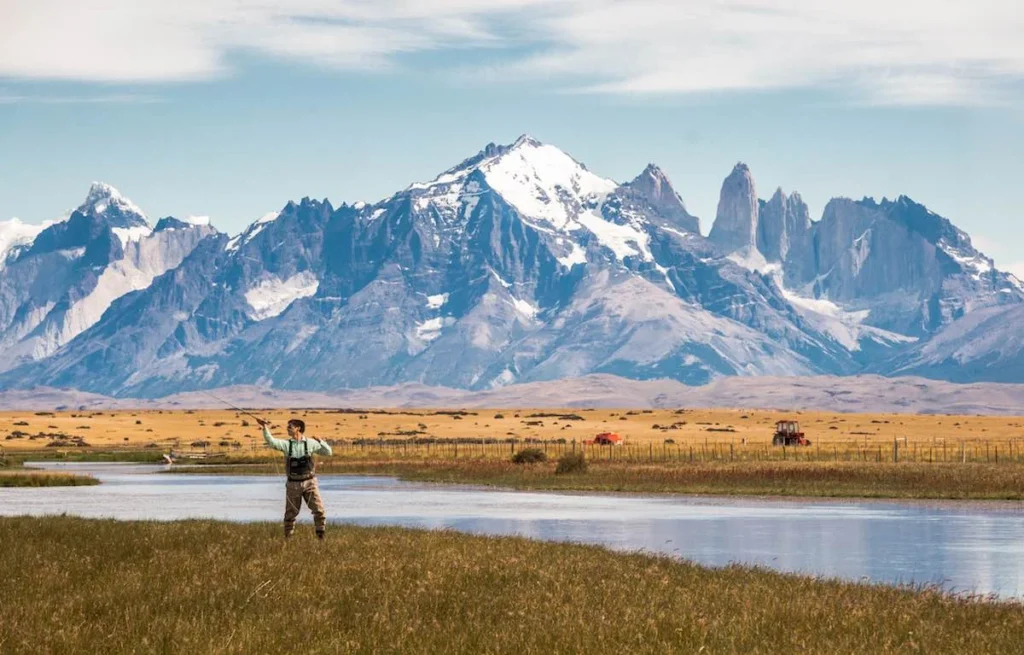
Fly fishing is seasonal and can be done through dedicated fishing lodges that offer multi-day packages. If you’d like to try fly fishing or want to spend only a portion of your time in Patagonia on the lake or river, day trips can be arranged at most lodges, hotels, and estancias.
What other outdoor activities are available?
At LANDED, we can also arrange special outings or excursions on private basis. Among the options are:
- Biking to penguin and elephant seal colonies
- Tracking pumas with conservation biologists
- Herding sheep or cattle with gauchos and their sheepdogs
- Hiking, biking, or riding within a private reserve
- Condor viewing
- Whale watching
- Private sailing charters
- Jet boating
- Multi-day trekking and climbing routes with mountain guides
- Helicopter overflights of the Andes—mountains, volcanoes, forests, and glacier fields
- Skiing on active volcanoes
- Glacier trekking and rappelling
- Helicopter trekking, biking, and fly fishing
- Glamping deep in the Andes, at glaciers, on lakeshores, and on rivers
- Visits to paleontological or archeological sites with expert guides
How much time have you allocated?
Most visitors from North America and Europe plan to spend 10 to 14 days in country. That usually includes two or three nights in the international gateway cities of Santiago, Chile, and / or Buenos Aires, Argentina.
Distances are large in Patagonia, and we want to limit the number of times you need flights or overland journeys of more than four hours.
With 10 days, you might want to experience two locations in Patagonia. With 14 days, three locations.
What about Antarctica?
About a third of our travelers are visiting Patagonia as part of a larger journey to Antarctica. By air, that’s usually done from Punta Arenas in far southern Chile. By ship, the primary departure point is the world’s southernmost city: Ushuaia, Argentina.
Most itineraries to Antarctica span nine to 15 days, in addition to time in South America. If arriving by air, most travelers transfer to a ship on King George Island. Air departures are weather dependent; departure and return times are unpredictable. If your voyaging across the Drake Passage, that crossing takes around 2 days per direction.
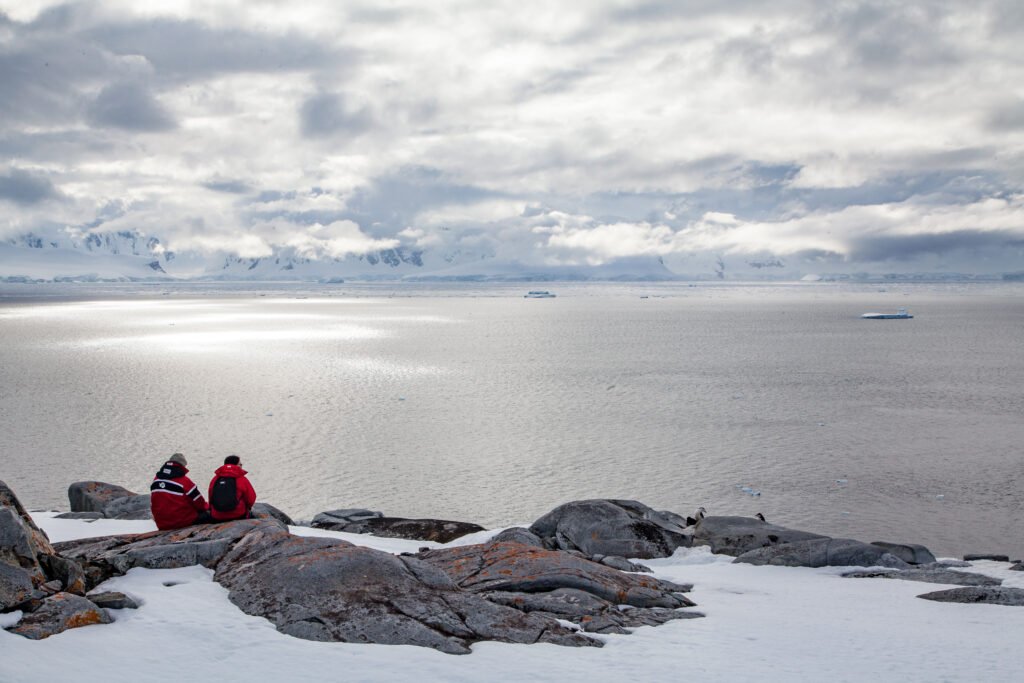
Each journey in Antarctica is a true expedition; each trip is subject to changes in weather, ice flow, and wildlife migrations. Speaking generally, you’ll have opportunities to explore penguin and seal colonies, whale watch, cruise among icebergs on zodiacs, and visit research stations. LANDED can also arrange kayaking, camping, mountaineering, SCUBA diving, and inland journeys the mountains, camps, and the South Pole.
The team at LANDED knows all the logistics first-hand. Speak with one of our expert travel planners today at 801.582.2100.
What is your budget?
More than 20 years ago, when we started designing custom travel to Patagonia, the choices were far fewer—a handful of high-end lodges in key destinations like Torres del Paine, supplemented with fishing lodges of bare basics hotels in less visited locations.
Today visitors have much more choice. At the high end, lodges and private villas with tailor-made, privately-guided outings and top-tier chefs. In the middle, larger lodges (20 to 50 rooms) with group-basis touring. Eco-camps (domes, yurts, and cabanas) provide a more approachable alternative. Glamping is another option: private pop-up camps in remote locations.
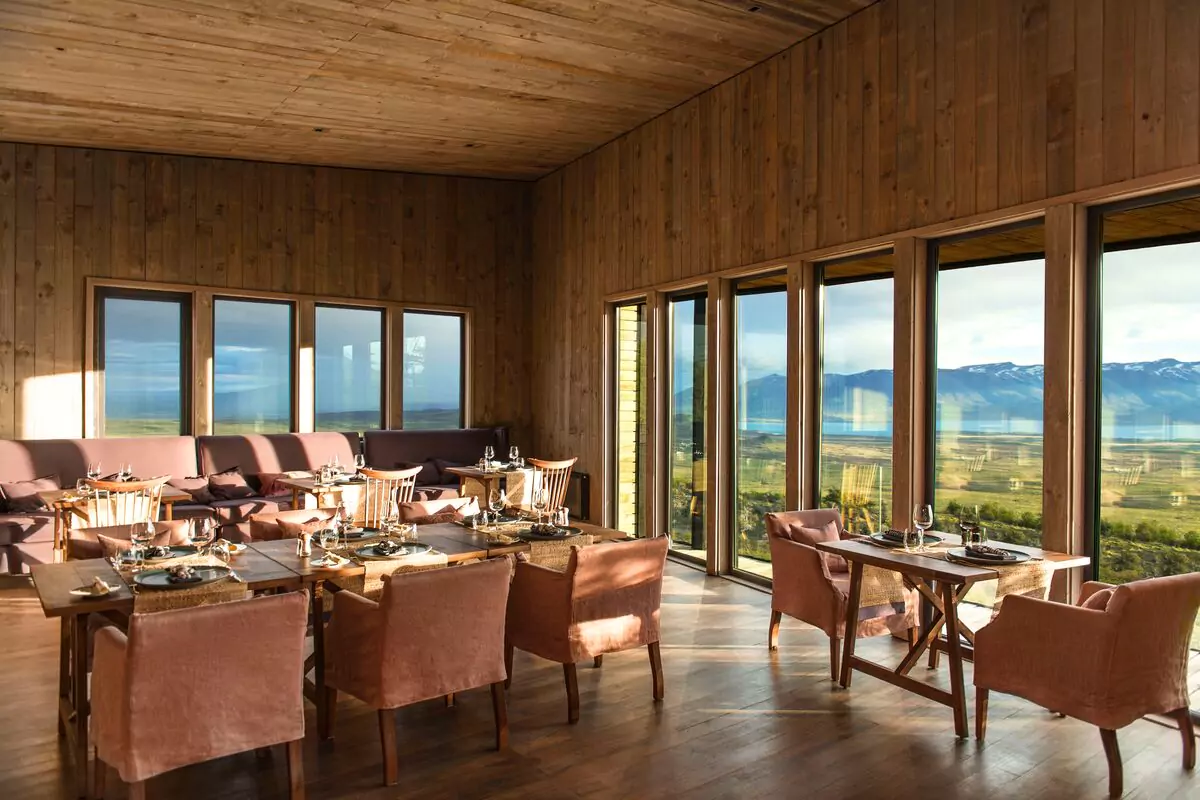
If you’ve graduated from the backpacking and hitchhiking phase of your adventuring, LANDED is here to help. We’re a team of expert travel designers who know the options first-hand. Many of the hotel owners and managers are our friends, and we’ll make sure you’re welcomed accordingly.
For a full-board experience that includes lodging, meals, guided excursions, and ground transportation you can expect to pay around US$1,500 per person per day. Consider that a midpoint in a range. At LANDED, you don’t pay more than if you’d booked the hotels and lodges directly, and we’re with you every step of the way.
What should I pack for Patagonia?
To help you start thinking about your journey to Patagonia, you can view LANDED’s Patagonia packing list here.
Begin designing your Patagonia journey
Your journey begins with a conversation with a LANDED travel designer. We’ll get to know you, and create a travel plan designed your interests, tastes, and requirements. Curious what a LANDED journey through Patagonia could look like for you?
Speak with a Landed Travel Designer.