July is the month of altitude: the Andean skies deep and cloudless above Machu Picchu, Cusco, the Sacred Valley, and the Bolivian altiplano. The Amazon’s dry season is in full force: beaches emerging on river bends, wildlife concentrating at water margins, the river systems navigable by small vessels. And Central America’s green season is in full, rewarding expression for the traveler who understands that rain and wildlife are not separate things.
Central America
Central Pacific, Costa Rica
The central Pacific coast of Costa Rica, from Jacó South through Manuel Antonio and Dominical, is in its green season, and the wildlife of the surrounding national parks and biological corridors is in the extravagant density that rain produces. Manuel Antonio National Park, that narrow finger of forest between Pacific beaches and urban convenience, hosts squirrel monkeys, capuchin monkeys, three-toed sloths, and white-tailed deer in numbers that make every morning walk feel overstocked. The marine layer lifts by mid-morning and the afternoons are often clear and warm.
Wildlife
Squirrel monkey and capuchin families; three-toed sloth with joey in July; olive ridley turtles at Ostional
Natural Phenomenon
Green season cloud-and-clear alternation — the Pacific lit in dramatic morning light below lifting clouds
Culinary
Quepos fresh marlin and wahoo; Manuel Antonio thatched-roof sodas with rice and beans; local guanábana juice
Honduras
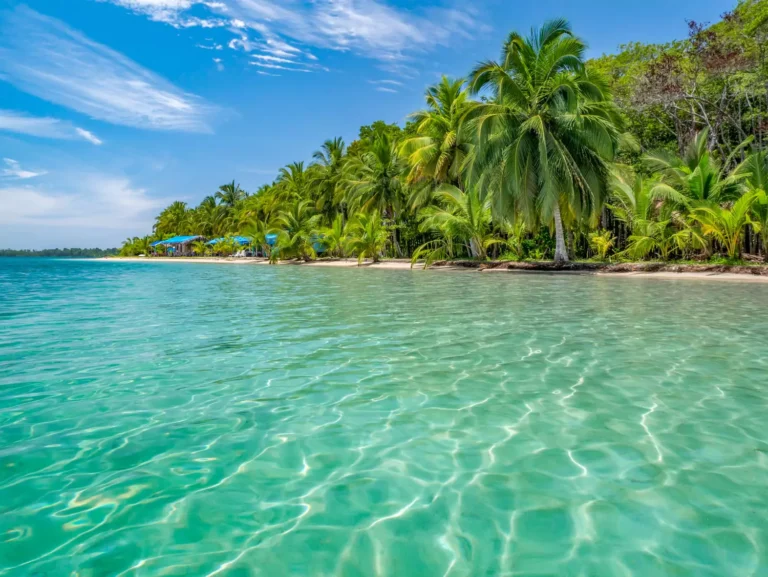
Honduras in July is green season on the mainland while the Bay Islands receive less rain than the Caribbean norm, a geographic anomaly that keeps the reef accessible for much of the year. The Mesoamerican Reef, the world’s second largest barrier reef, is in full biological activity: spawning events on certain nights concentrate large predators in extraordinary densities, and the resident populations of sea turtles, eagle rays, and grouper are at their seasonal peak.
Wildlife
Bay Islands reef spawning aggregations; hawksbill turtle nesting continuing; mantis shrimp in the rubble zones
Natural Phenomenon
July green season Bay Islands — the land vivid with vegetation, the water still excellent visibility
Culinary
Garifuna hudut fish stew; fresh Bay Island lobster; Honduras cacao
Belize
July in Belize is green season. Warm, humid, and productive in ways the dry season cannot match. The Cockscomb Basin Jaguar Reserve, the world’s first jaguar sanctuary, is best entered with a specialist guide in the July months when jaguars are most active along the river corridors, and the track evidence is fresh in the mud. The coastal cayes continue to offer reef access; the Belizean jungle lodges operate in full wildlife density.
Wildlife
Jaguar in Cockscomb Basin — July tracks in river mud; howler monkeys; black-handed spider monkeys
Natural Phenomenon
Green season Cockscomb — the jaguar reserve in full forest density; waterfalls running at full volume
Culinary
Marie Sharp’s hot sauces at source; fresh ceviche on the cayes
Guatemala
July in Guatemala’s highland regions sits in the middle of the rainy season but with the characteristic pattern of morning clarity and afternoon showers that makes most highland activities perfectly feasible. The Maya Biosphere Reserve in the Peten is in its most lush state; Tikal’s forest is at full density; and the Lake Atitlan basin, surrounded by three volcanoes and twelve Maya villages, is at its most vividly green.
Wildlife
July Petén: oscillated turkeys, tapirs at aguadas, keel-billed toucans visible from the summit
Natural Phenomenon
Tikal in July — the forest so dense at dawn that the howler monkeys seem to be generating the mist themselves
Cultural
Lake Atitlán weaving communities; Maximon (Rilaj Mam) religious tradition in Santiago Atitlán
Nicaragua
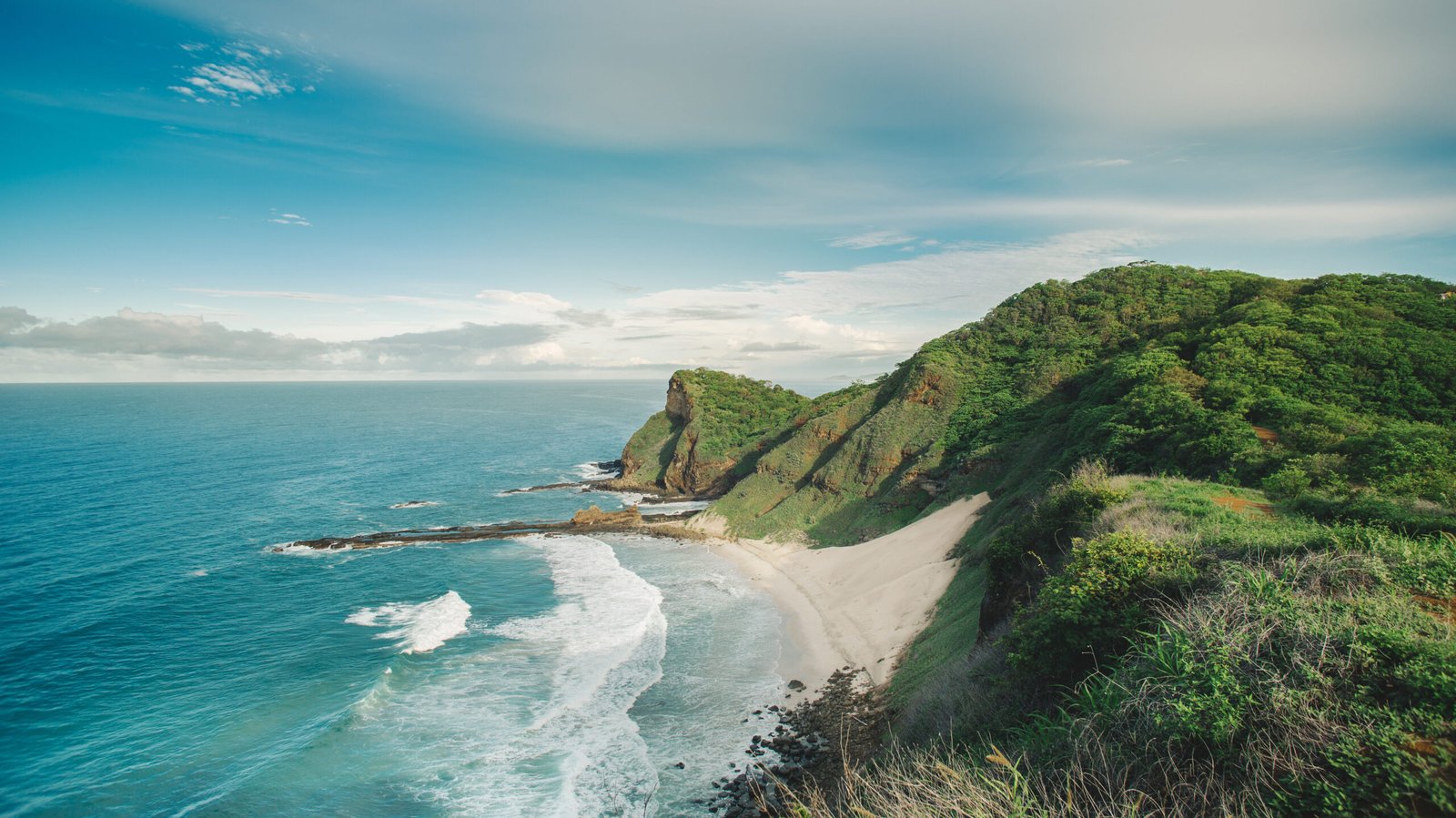
Nicaragua in July is green season in full expression, and the country’s biodiversity, already underestimated by the international travel market, reaches its annual peak. The turtle nesting beaches of Playa La Flor are receiving olive ridley mass nesting events; the Indio Maíz Reserve is in full biological density; and the volcanic landscapes of the Pacific: Masaya, Mombacho, and Concepción are wreathed in cloud that makes the approach to each volcano a different kind of atmospheric drama.
Wildlife
Olive ridley mass nesting at Playa La Flor in July; Indio Maíz caimans and river turtles
Natural Phenomenon
Masaya Volcano active lava lake — one of the few accessible active lava viewpoints in the world
Culinary
Nicaraguan quesillo; vigorón; fresh Caribbean coast seafood; Flor de Caña rum at source
El Salvador
July is deep green season in El Salvador, and the Pacific surf continues to peak, with south swells arriving consistently at Punta Roca and the breaks north of La Libertad. The country’s compact geography makes it possible to move from the Pacific coast surf to the highland Ruta de las Flores to the archaeological site of Joya de Cerén, the Pompeii of the Americas, a Maya village preserved under volcanic ash, in a single day of engaged travel.
Wildlife
El Imposible National Park: ocelot, puma, white-tailed deer in green season density
Natural Phenomenon
Joya de Cerén — Maya village preserved in 590 AD volcanic ash, UNESCO World Heritage site
Culinary
Pupusas de loroco (endemic flower); Ruta de las Flores local markets; Izalco coffee
Colombia
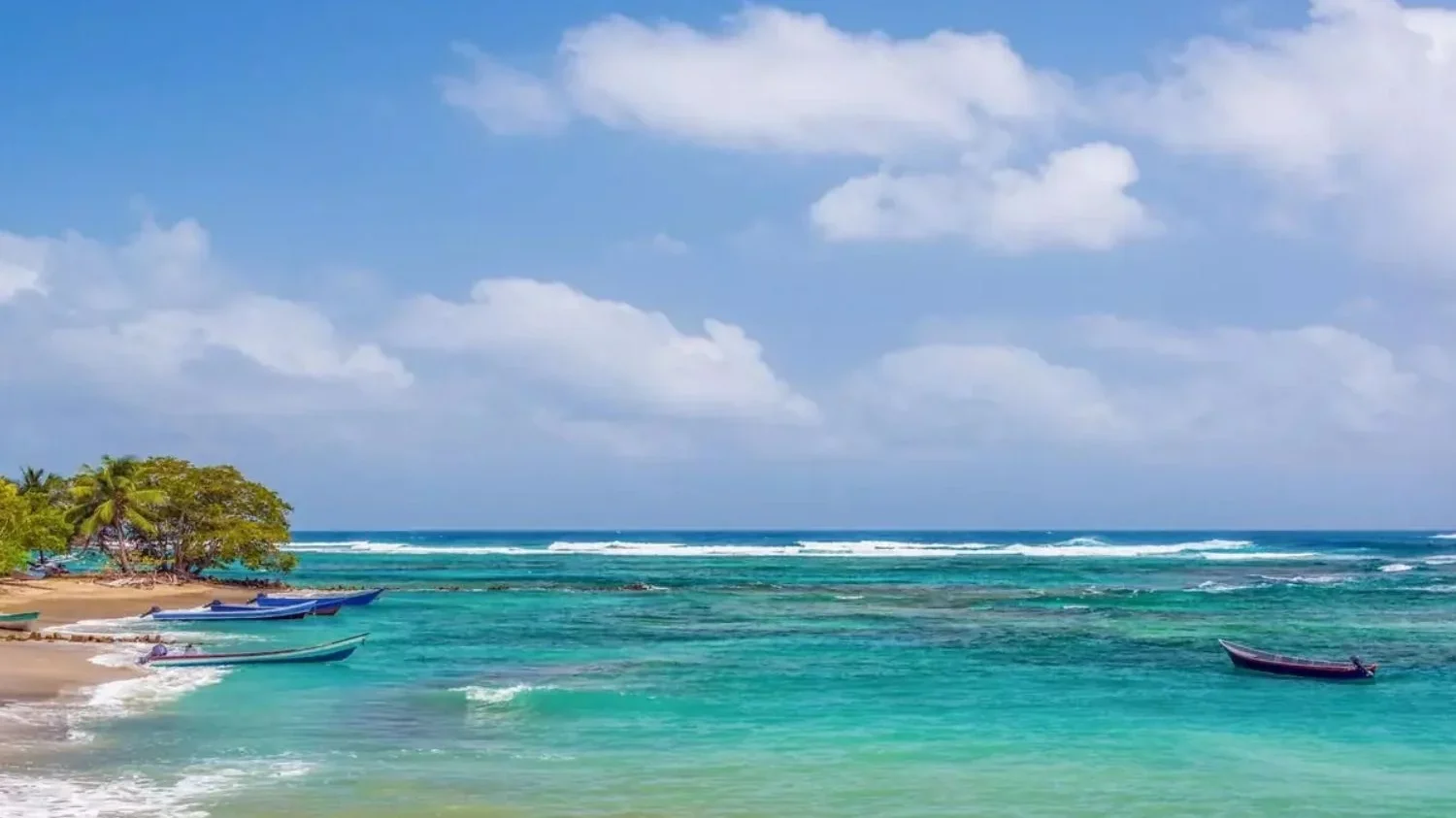
July is the heart of Colombia’s humpback whale season on the Pacific coast, and the waters off Nuqui and Bahia Solano host some of the most extraordinary whale encounters available anywhere — small boats in near-shore water, mothers and calves that have traveled from Antarctic feeding grounds, the exhalations visible at 200 meters, the tail flukes lifted against a backdrop of primary Choco rainforest. The combination of Pacific coast whale watching, Chocó biodiversity, and traditional Afro-Colombian coastal communities makes this one of South America’s most compelling and least-visited travel experiences.
Wildlife
Humpback whale peak season — July mothers and calves; nesting sea turtles on the Chocó beaches
Natural Phenomenon
Choco Pacific Coast — 9,000mm annual rainfall producing one of the world’s great biodiversity hotspots
Culinary
Afro-Colombian Pacific coast cooking: encocado de jaiba (crab in coconut); fresh ceviche de camaron
Galapagos Islands
July is deep cool season in the Galapagos, and the Humboldt Current is delivering its full biological largesse — the waters around the archipelago among the most productive on earth. Hammerhead sharks school in the hundreds at Wolf and Darwin islands; manta rays feed in the current; marine iguanas graze on algae exposed by the cool, nutrient-rich upwelling; and the Galápagos penguin — the world’s second smallest, and the only penguin that lives at the equator — is at peak activity on the rocky shorelines of Fernandina and Isabela.
Wildlife
Galápagos penguin at equatorial shorelines; hammerhead schools; marine iguana grazing aggregations
Natural Phenomenon
Cool-season underwater visibility — hammerhead schools visible at 20m depth in current-rich channels
Culinary
Santa Cruz seafood in Puerto Ayora; expedition vessel cuisine with locally sourced fish
Mainland Ecuador
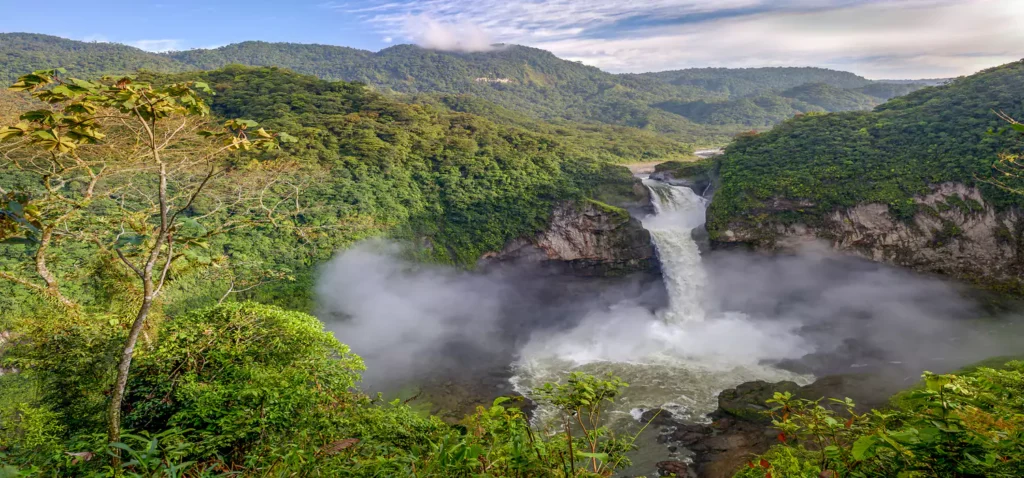
Ecuador’s highland and Amazon regions offer remarkable travel in July’s dry season. The Avenue of the Volcanoes — that extraordinary corridor of Andean summits including Cotopaxi, Chimborazo, and Tungurahua — is at its most accessible and most dramatic in July’s clear air. Cotopaxi National Park offers the experience of ascending to the glacier on one of the world’s highest active volcanoes (5,897m), with condors on thermals above the snowline and the entire Avenue visible on clear mornings.
Wildlife
Andean condor on thermals above Cotopaxi; spectacled bear in the páramo; giant hummingbird at altitude
Natural Phenomenon
Avenue of the Volcanoes in July dry-season clarity — eight major peaks visible simultaneously on clear mornings
Culinary
Quito’s La Ronda neighborhood restaurants; locro de papa; hornado (roasted pork) at the highland markets
Coastal Ecuador
Ecuador’s Pacific coast is in its dry season in July — the Garua mist of the cooler months having settled over the coastal ranges, and the beaches of Manta, Montanita, and the Ruta del Spondylus offering a cooler, quieter version of the coastal experience. The whale watching season at Puerto López, in the Machalilla National Park, peaks in July and August — humpback whales using the warm coastal waters as a breeding and calving ground in concentrations that rival the Colombian Pacific.
Wildlife
Humpback whale season peak at Puerto López — July breeding aggregations in Machalilla National Park
Natural Phenomenon
Isla de la Plata — ‘Poor Man’s Galápagos’ with blue-footed boobies, frigatebirds, and whale shark sightings
Culinary
Manta’s renowned ceviche (Ecuador’s ceviche capital); encebollado fish stew; shrimp and coconut preparations
Peru
Machu Picchu
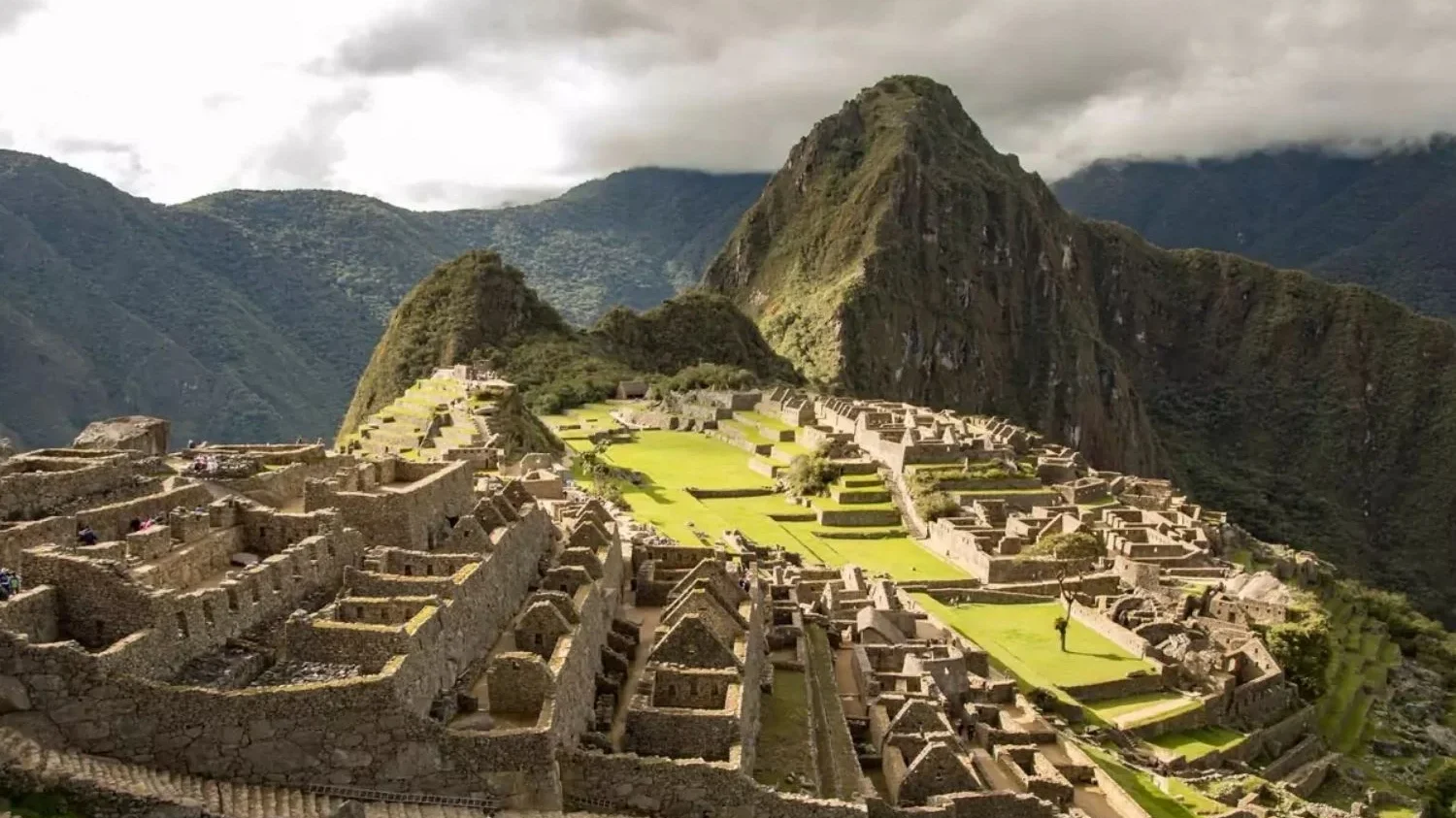
July is the absolute peak of Machu Picchu’s visitor season — the skies are reliably clear, the ruins at their most dramatically photogenic in the morning light, and the visitor numbers are at their annual maximum. The Inca Trail is fully subscribed; all alternative treks are operating at capacity. The experienced traveler navigates July by booking the earliest entry available and arriving at the citadel before the first day-trip trains from Cusco. Despite the volume, the ruins retain their power — the stones are very old, the mountains are very large, and the sky above them is doing what it does regardless of crowd size.
Cultural
Inca Trail at full operation; Inca ceremonies continue at Machu Picchu’s sacred sites
Natural Phenomenon
July dry-season peak — Machu Picchu in its clearest, most photographed light; the citadel visible from the Sun Gate all day
Culinary
Aguas Calientes restaurant scene in full July operation; Cusco tasting menus at peak
Cusco & Sacred Valley
July in Cusco is the month following Inti Raymi, and the city’s cultural season continues with festivals, markets, and the particular energy of a UNESCO city in its prime season. The Sacred Valley is at its driest and most accessible — the archaeological sites of Pisac, Ollantaytambo, Chinchero, and Moray all fully open, the luxury lodges operating at capacity, and the Andean morning light producing photographs that require no post-processing. Booking accommodation in July requires the same lead time as June.
Cultural
Post-Inti Raymi Cusco — the city’s cultural momentum continues with smaller festivals throughout July
Natural Phenomenon
July Andes light — perhaps the definitive month for Andean photography
Culinary
Cusco’s high-season restaurant peak: Mil, Central, Chicha, Kion all at full operation
Lake Titicaca
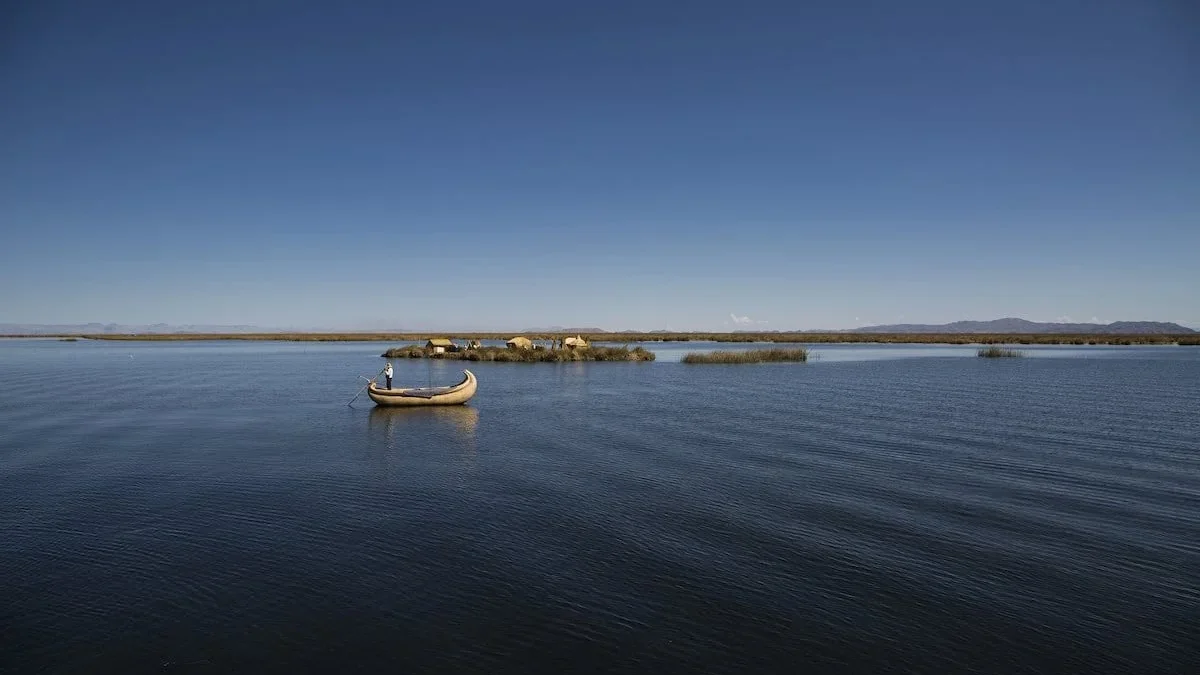
Lake Titicaca in July is the heart of the dry season and the height of tourism, but the lake’s immensity and the autonomy of the island communities mean that the experience of arriving at Amantani or Taquile still feels like an encounter with something genuinely apart. The July cold — temperatures drop below freezing on the altiplano at night — is not for everyone, but the clarity it produces in the daytime sky is remarkable, and the quality of the dawn light on the lake at this season is what photographers and painters have been pursuing for decades.
Wildlife
Titicaca grebe; giant Titicaca water frog in the reed beds; Andean gull colonies
Natural Phenomenon
Titicaca at winter dawn — the cold clear air producing extraordinary light on the world’s highest navigable lake
Cultural
July festivals on the islands — Taquile’s fiesta season includes traditional music and textile displays
Peruvian Amazon
The Peruvian Amazon in July is in full dry season — the Madre de Dios, Manu, and Tambopata rivers at their lowest, the beaches exposed, and the wildlife concentrated in ways that make July the finest month for Amazon wildlife watching. The clay licks (collpas) of the Tambopata Research Center attract hundreds of macaws and parrots each morning — one of the world’s great wildlife gatherings — and the giant river otter families of the oxbow lakes are at their most active and visible.
Wildlife
Macaw clay lick at Tambopata — hundreds of parrots and macaws at dawn; giant river otter families; anaconda in river margins
Natural Phenomenon
Amazon dry-season beaches — river beaches emerging on the Madre de Dios and Tambopata rivers
Culinary
Lodge-sourced river fish; jungle fruits; traditional Amazonian cooking at the Tambopata lodges
Uyuni & Lake Titicaca, Bolivia
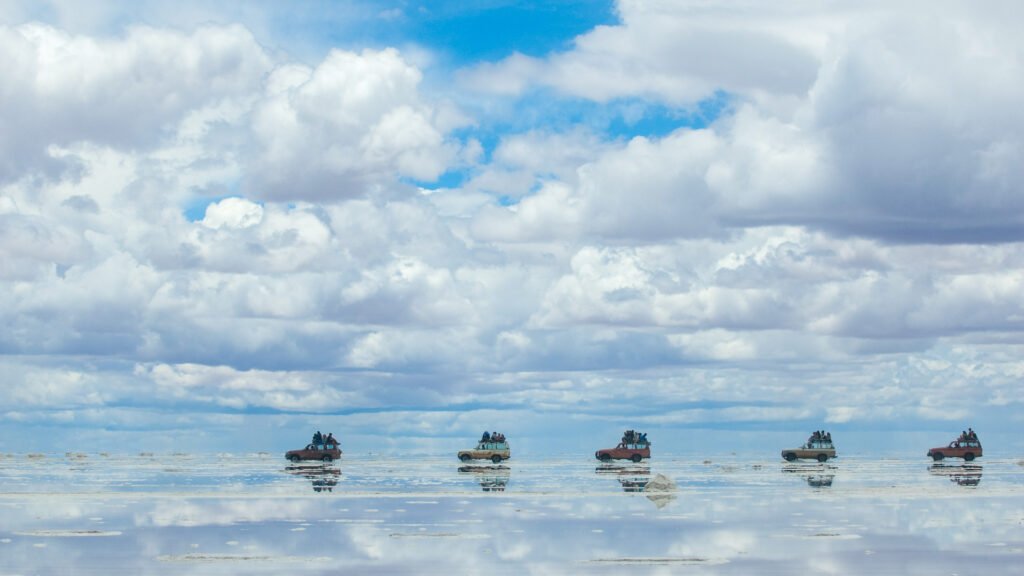
Bolivia in July is full dry season on the altiplano — the salt flat bone-white under a winter sun that is bright enough to require sunglasses at all times, the flamingo colonies on Laguna Colorada at their most photogenic, and the border crossing between Peru and Bolivia through Copacabana offering one of the great overland journeys in South America. The floating reed islands of the Bolivian side of Lake Titicaca at Huatajata offer a less-visited alternative to the Peruvian Uros experience.
Wildlife
James’s flamingo at Laguna Colorada — a species found only on the Bolivian altiplano
Natural Phenomenon
Uyuni dry season — salt polygons, train cemetery, three-color lagoons all accessible without wet-season vehicle restrictions
Culinary
Copacabana lakeside religious festivals; Tiwanaku sun gate winter solstice alignment
Brazil
The Pantanal
The Pantanal is the world’s largest tropical wetland — 150,000 square kilometers of seasonally flooded grassland, forest, and river in the heart of South America — and July’s dry season is its finest hour. The waters have receded to their annual minimum, concentrating fish in the remaining pools and concentrating the predators that follow them: jacare caimans in densities of dozens per kilometer, giant otters fishing in packs, jabiru storks stalking the shallows in their stilt-legged formality, and the jaguar — increasingly visible along the Cuiabá River corridor on the north Pantanal boat transits.
Wildlife
Jaguar along the Cuiabá River — July is peak visibility; giant otter families; hyacinth macaw; giant anteater
Natural Phenomenon
Pantanal dry season — fish concentration in pools creates extraordinary predator activity; caimans in thousands
Culinary
Piranha soup and fresh dourado fish at the Transpantaneira lodges; traditional Mato Grosso beef
Minas Gerais — Ouro Preto & Tiradentes
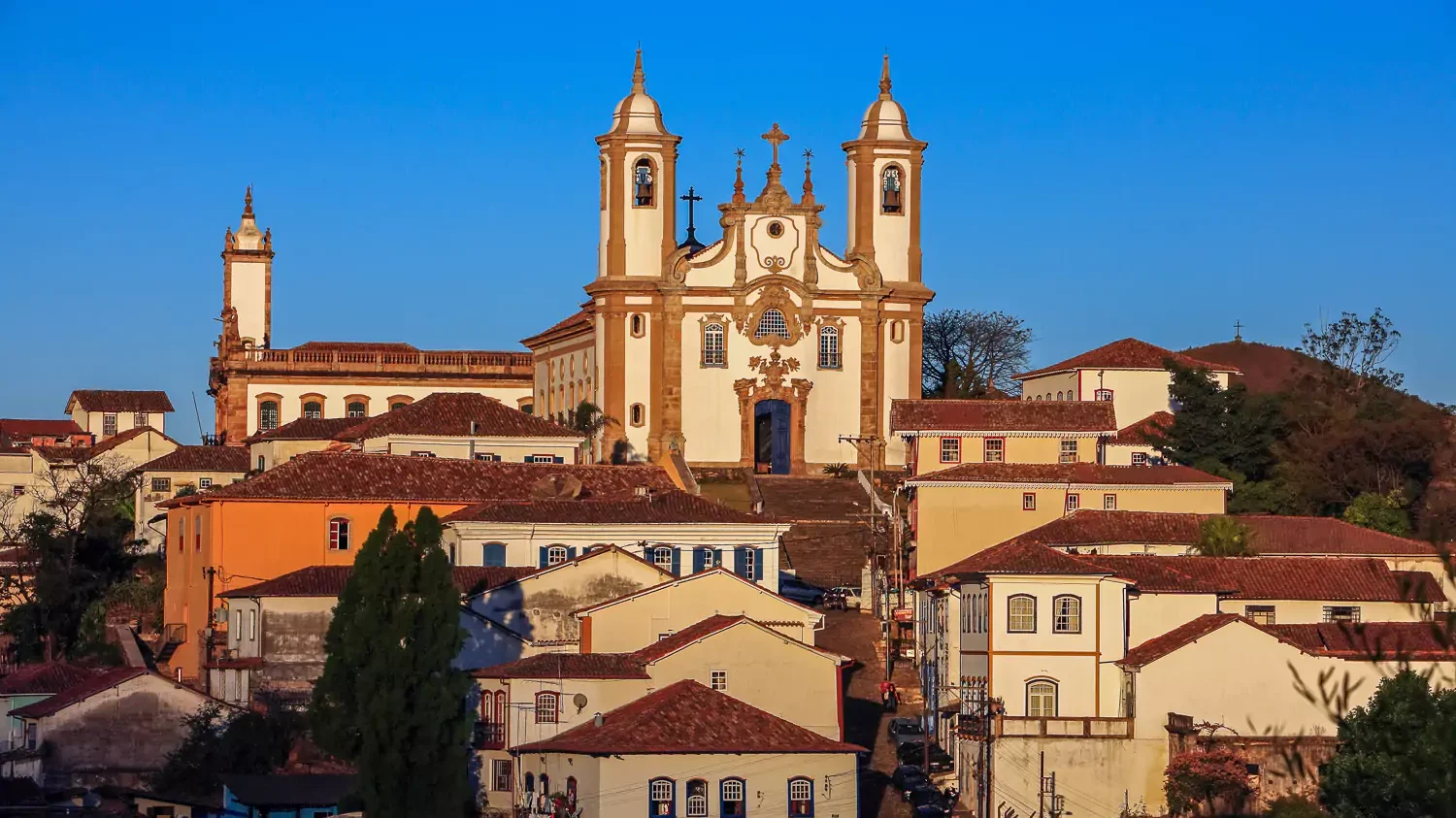
Minas Gerais in July is the southern winter season — cool, dry, and extraordinarily beautiful in the baroque colonial towns of Ouro Preto and Tiradentes, which hold their architectural heritage in a combination of UNESCO protection and natural weathering that makes them among the most photogenic historical cities in Brazil. The July Festival de Inverno (Winter Festival) in Ouro Preto fills the town’s baroque churches and cobblestone squares with concerts, theater, and cultural events that draw the Brazilian intelligentsia each year.
Cultural
Ouro Preto Winter Festival (July) — music and theater in UNESCO baroque churches; Aleijadinho sculptural heritage
Natural Phenomenon
Minas Gerais winter light — cool, clear, and horizontal, ideal for architectural photography
Culinary
Minas Gerais food tradition: tutu de feijão, frango com quiabo, queijo Minas fresco, cachaça from local distilleries
Chapada Diamantina
July is the heart of the Chapada Diamantina’s finest season — the trails fully dry, the waterfalls running at optimal volume, and the cool temperatures making multi-day trekking genuinely comfortable at the plateau’s 1,200-meter elevation. The Pai Inácio mesa, one of the plateau’s signature viewpoints, delivers a panorama of flat-topped mesas and sandstone valleys that is perhaps the most visually distinctive landscape in Brazil.
Wildlife
Maned wolf on the cerrado; marsh deer; giant armadillo (nocturnal, specialist guide required)
Natural Phenomenon
Pai Inácio mesa panorama — the most distinctive landscape in Brazil; Fumacinha Waterfall at 340m drop in July flow
Culinary
Lençóis local restaurants; cerrado honey; umbu fruit preparations in the dry season
Atacama Desert – Chile
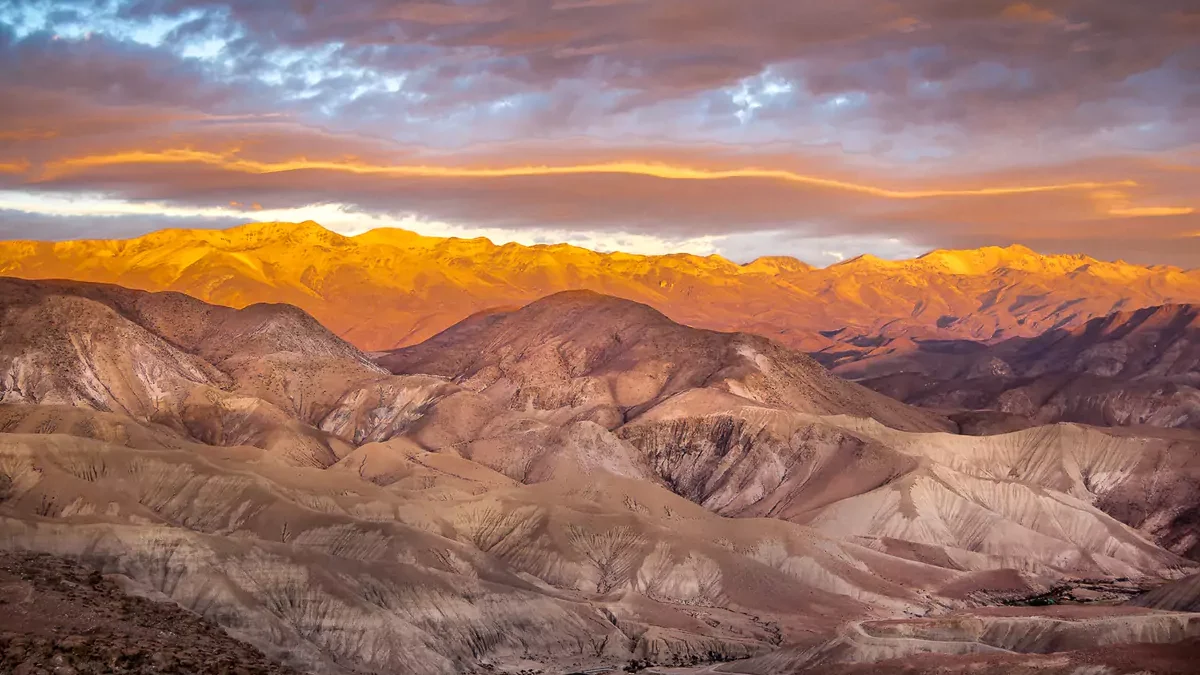
July in the Atacama is the height of astronomical tourism — the dry, cold winter nights producing seeing conditions that the world’s most sophisticated observatories were built to exploit. The ALMA Observatory, at 5,000 meters altitude, is conducting research that extends understanding of the early universe; the ESO’s Very Large Telescope at Cerro Paranal is four hours north. For non-astronomers, the evening excursions to the SPACE telescope near San Pedro de Atacama, with expert guides and serious optics, produce a night sky encounter that the traveler will spend years trying to describe.
Wildlife
Andean fox active near San Pedro in winter; puma tracks on the volcanic ridges above town
Natural Phenomenon
July stargazing peak — winter Milky Way, Andromeda galaxy with naked eye, Southern Cross at zenith
Culinary
San Pedro de Atacama winter warmth: locro de quinoa; mate de coca at altitude; craft pisco cocktails
Why Book in Advance
July is the single most pressured booking month in the entire Southern Hemisphere travel calendar. Machu Picchu Inca Trail permits for July sell out within minutes of opening in October the prior year — without exception. Cusco hotels during Inti Raymi and July’s high season require twelve months’ advance booking for premium properties. Torres del Paine lodges — Explora, Awasi, Las Torres — run July at full capacity and typically require booking the complete shoulder and high season together. Pantanal jaguar lodges on the Cuiabá River operate with a small number of boats and book for July in September the prior year. Galapagos vessels for July are the most subscribed of the year. Plan July as if you were organizing an expedition.
READY TO PLAN YOUR JOURNEY?
Our LANDED travel designers craft bespoke itineraries for discerning couples, families, and multi-generational groups — blending deep regional knowledge with privileged access to the places, people, and experiences that define each destination.