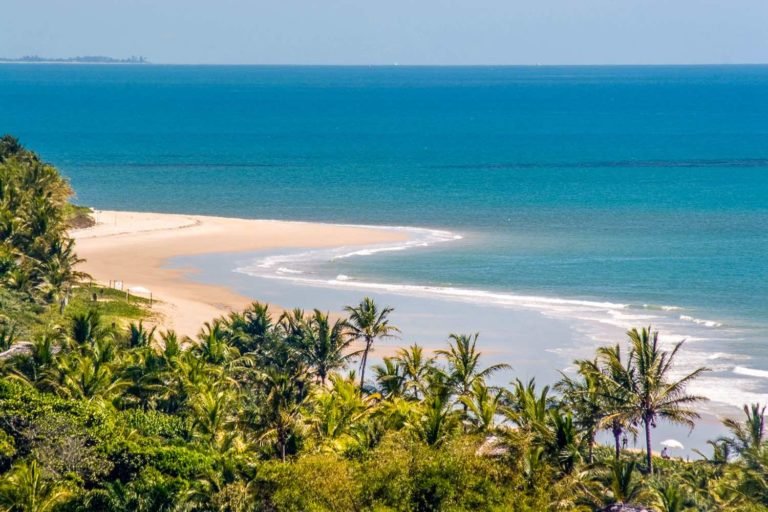
September is a month of revelations. The Amazon’s dry season delivers its finest wildlife viewing in the last weeks of September before the rains begin. In Brazil, the Atlantic Coast is warming, Fernando de Noronha and Trancoso reaching their shoulder-season sweet spot of good weather and manageable visitation volume. Buenos Aires and Northern Patagonia are entering spring, the trees leafing, the light lengthening, the restaurant terraces refilling with people who have remembered that the outdoors exist. In the Andes, the dry season holds for one more precious month.
Central America
Guanacaste, Costa Rica
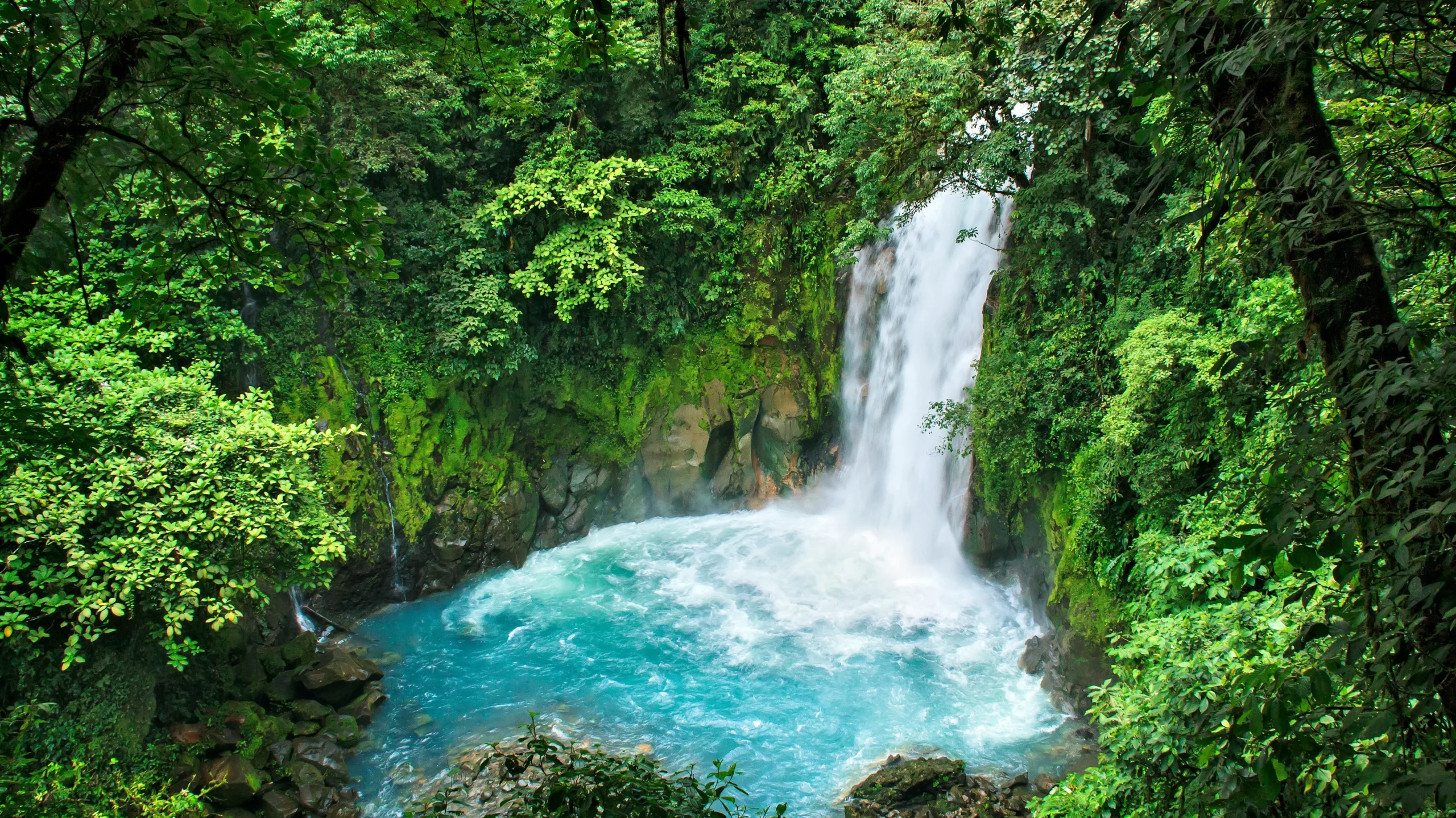
September is deep green season in Guanacaste. The Pacific rains at their maximum, the forest at its deepest green, and the wildlife active in ways that the dry season’s heat and scarcity cannot produce. The beaches are largely empty by international standards; the wildlife lodges operate at reduced capacity and correspondingly reduced rates; and the afternoon skies over the Gulf of Papagayo produce a quality of light that photographers specifically pursue in the rainy months. Leatherback sea turtles are completing their final nesting runs of the year.
Wildlife
Leatherback turtle final nesting season at Playa Grande; green season bird activity at peak
Natural Phenomenon
September Pacific storm-and-clear weather — the most dramatic sky photography of the year
Culinary
Green season rates at luxury properties; fresh tropical fruit peak season; roadside sodas in full operation
South Caribbean Coast, Costa Rica
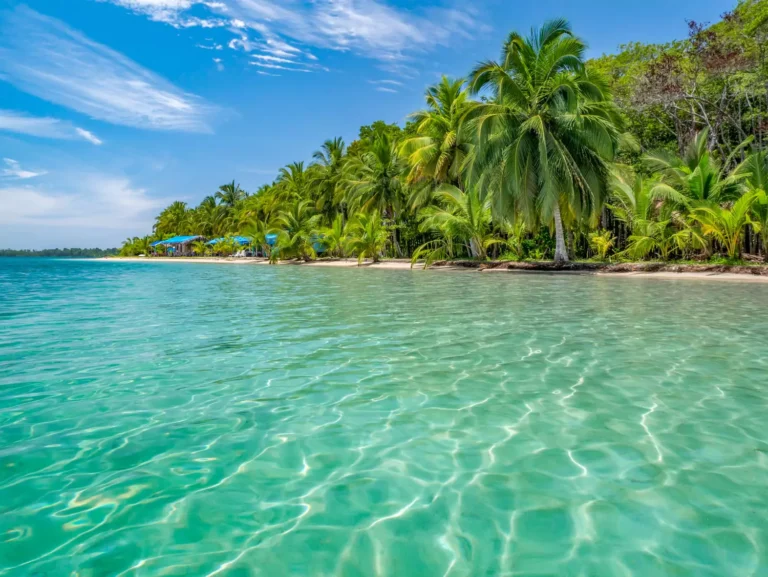
Costa Rica’s Caribbean coast in September is in its own dry window, the micro-summer that affects the Caribbean slope while the Pacific is at its rainiest. Puerto Viejo and Cahuita offer the Caribbean at its most beautiful and accessible, with the Afro-Caribbean cultural life of the coast, its Creole cooking, its reggae music tradition, its hand-built wooden fishing boats available without the January-February crowd.
Wildlife
Cahuita coral reef in Caribbean micro-summer clarity; green turtle final nesting at Tortuguero
Natural Phenomenon
Caribbean micro-summer — the coast’s own clear season while the Pacific rains; flat, warm Caribbean Sea
Culinary
Puerto Viejo Afro-Caribbean stews; Caribbean lobster; spiced cacao drink preparation
Panama
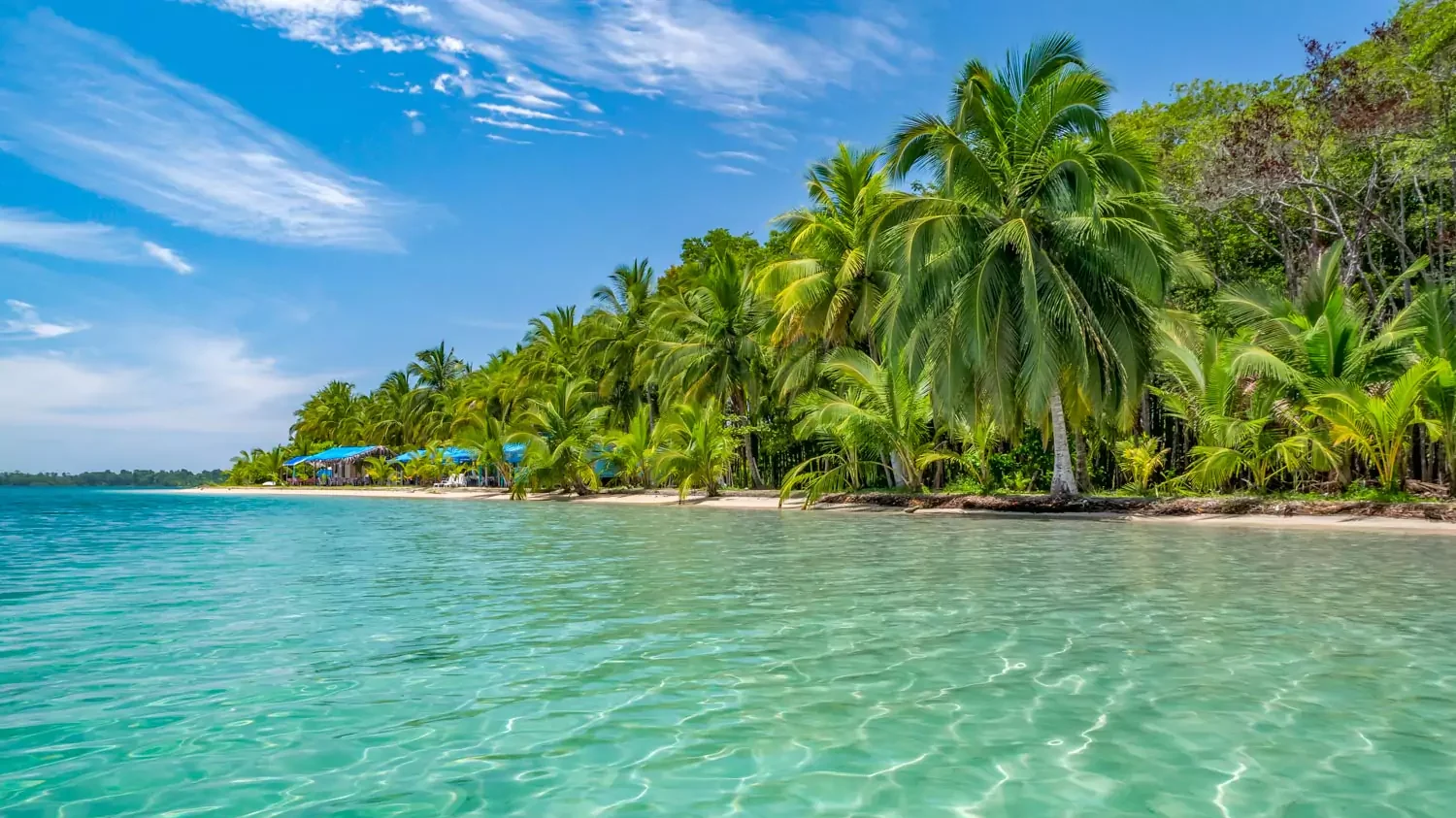
September in Panama offers the Canal in its rainiest and greenest context, the surrounding forest at its most extravagant, the birding in Soberania National Park at peak green-season density, and the Pacific coast increasingly accessible as the rains begin to ease in the second half of the month. September marks the beginning of the transition toward the Pacific dry season that will fully arrive in December.
Wildlife
Soberania Pipeline Road September birding — green season species present; sloth families; tamandua anteater
Natural Phenomenon
Panama Canal in the September rains — the engineering marvel operating in a landscape of startling green
Culinary
Panama City September restaurant scene; tasting menus in full operation; Pacific coast seafood
Guatemala
September in Guatemala is Guatemala’s Independence Month; the 15th brings celebrations to every town and city, the school marching bands processing through colonial streets and village plazas in a national festival that is simultaneously official and entirely grassroots. Antigua’s celebrations are the most atmospheric, but the highland towns. Quetzaltenango, San Marcos, and Chichicastenango hold their own versions with a regional character that the capital cannot replicate.
Cultural
Guatemala Independence Day (September 15) — national celebrations in Antigua and throughout the highlands; torch-relay tradition
Wildlife
Petén green season maximum — Tikal in the richest forest context of the year
Culinary
Independence period festival food; chuchito; rellenitos de plátano; locally produced Guatemalan rum
Nicaragua
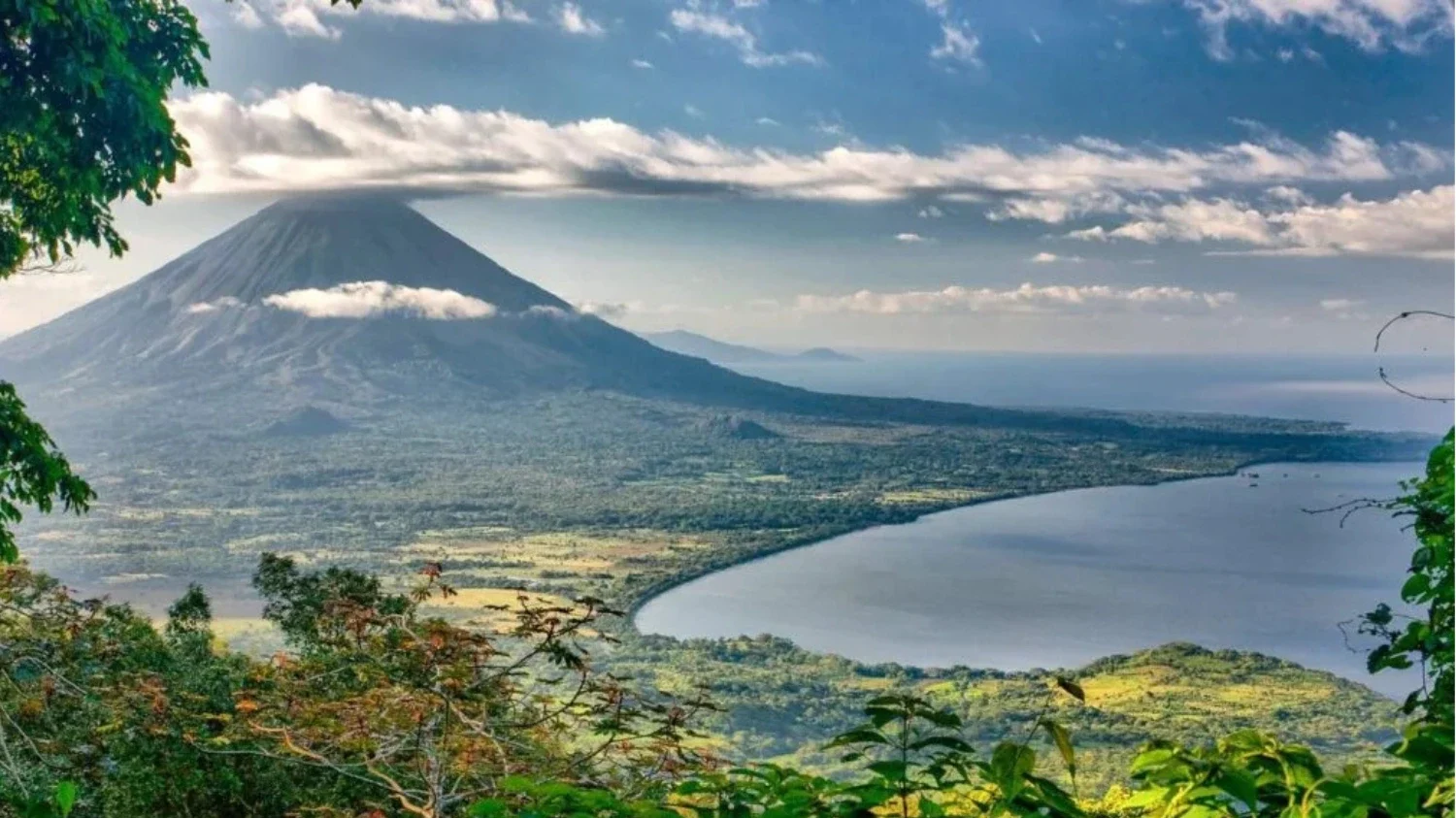
September in Nicaragua sees the final mass olive ridley nesting events of the year at Playa La Flor, and the Corn Islands off the Caribbean coast are in their most accessible period, the Caribbean crossing manageable, the reef conditions good. The country’s Green Season rates are at their most attractive, and the colonial cities of Granada and León in September offer the full cultural program without the high-season visitors.
Wildlife
Final olive ridley arribadas at Playa La Flor in September; Corn Island reef diving in clear September water
Cultural
Gritería Chiquita religious festival (August 14–15 tail extends to September); colonial Granada cultural events
Culinary
Nicaraguan vigorón; sopa de mondongo; Caribbean Corn Island fresh fish
El Salvador
September 15 is El Salvador’s Independence Day. Celebrated with a particular intensity in a country that has rebuilt its cultural confidence significantly in recent decades. The surf season is at its final strong pulse on the Pacific coast, and the highland coffee farms around Chalchuapa and Apaneca are beginning to show the red of the new harvest.
Cultural
El Salvador Independence Day celebrations — national parade tradition, school marching bands
Natural Phenomenon
Coffee harvest beginning in highland farms — the red cherry visible on the bushes from September
Culinary
Pupusas at independence celebrations; local coffee beginning its harvest-to-cup cycle
Colombia
September continues Colombia’s Pacific humpback whale season, the whales preparing for their return migration to Antarctic feeding grounds as the month progresses, and the final weeks of September producing some of the most active aerial behavior of the season as the younger whales gain strength for the journey south. Buenos Aires, Colombia (the inland highland town, not the Argentine capital) holds a flower festival in September that fills its streets with arrangements of an artistry that reflects generations of cultural investment in the country’s rose-growing tradition.
Wildlife
Humpback whales approaching the end of Pacific nursery season — September tail-lobbing and breach behavior
Cultural
Colombia’s Independence Day (July 20) festivities continue in some regions into September; flower festival season
Culinary
Pacific Chocó coast Afro-Colombian cooking; Bogotá spring restaurant openings
Peru
Machu Picchu, Cusco & Sacred Valley
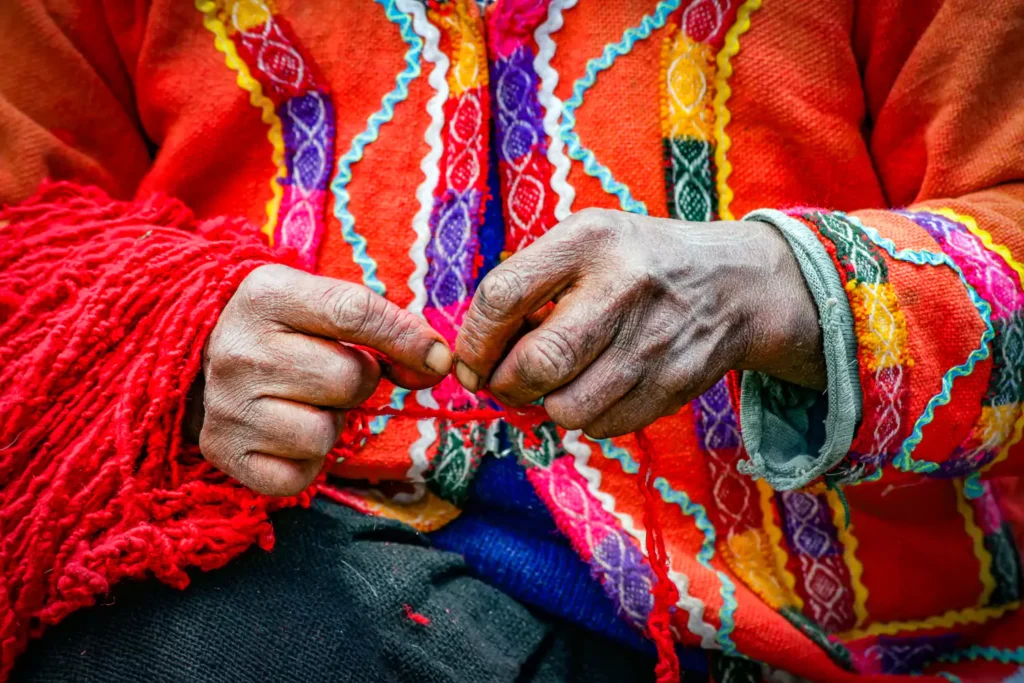
September is the final month of Peru’s high dry season: the Andean skies still clear and blue, the Inca Trail fully operational, and the visitor numbers beginning their gradual decline from July-August peaks. September offers the rare combination of peak dry-season conditions with slightly reduced visitor pressure; the school vacation crowds of Northern Hemisphere summer have returned home, and the spring rush has not yet begun. It is, for the informed traveler, one of Peru’s finest months.
Natural Phenomenon
September Andean light — the final weeks of the dry season, skies at their deepest blue
Wildlife
Spectacled bear most visible in September’s dry-season foraging activity above Machu Picchu
Culinary
Cusco tasting menus in September’s post-high-season excellence; Sacred Valley harvest season beginning
Kuelap, Chachapoyas
September in the Chachapoyas region of northern Peru continues the dry season clarity that makes the Kuelap fortress and its cloud forest setting fully accessible. The aerial gondola delivers visitors above a forest canopy to a site of extraordinary pre-Columbian engineering on a ridge at 3,000 meters, the walls at their most dramatic in September’s clear afternoon light. The nearby Gocta Falls, one of the world’s tallest at 771 meters, is at a dependable flow in September.
Cultural
Kuelap fortress — Chachapoyas walled citadel older than Machu Picchu; cliff sarcophagi at Karajia
Natural Phenomenon
Gocta Falls in September flow — the double-tier waterfall descending through cloud forest at full volume
Wildlife
Chachapoyas cloud forest birding — yellow-tailed woolly monkey; cock-of-the-rock leks
Lake Titicaca
Lake Titicaca in September is transitioning from dry season to the first hints of the approaching wet season; the skies still clear, the air still crisp, and the lake’s surface color shifting from winter steel-blue to a warmer autumn register. The island communities are beginning their festival calendar as the harvest approaches: Amantani holds agricultural celebrations in September that offer cultural access of unusual depth.
Wildlife
Titicaca water frog; Andean flamingo; puna plover at the lake margin
Cultural
Amantani harvest festival preparations — agricultural ceremonies with pre-Inca roots still visible
Natural Phenomenon
September Titicaca light — the lake shifting color as the dry season ends
Peruvian Amazon
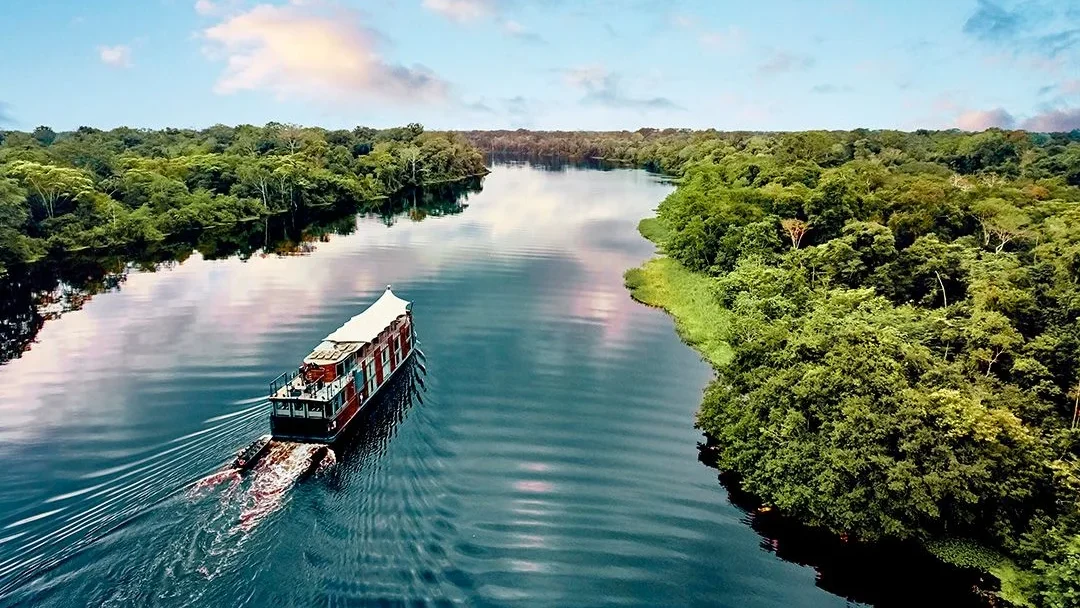
September is the last great month of the Amazon dry season; the river beaches at its maximum extent, the wildlife at its most concentrated, and the macaw clay lick activity continuing at full force. The Tambopata Research Center in the Madre de Dios region offers one of the world’s most extraordinary wildlife experiences: the dawn boat journey to the clay lick, the first light revealing hundreds of macaws spiraling above the clay bank, the noise and color of their gathering filling the air for an hour each morning.
Wildlife
Macaw clay lick final peak season; giant river otter at annual maximum visibility; capybara herds on river beaches
Natural Phenomenon
Amazon dry season beaches at maximum extent — the river at its lowest, exposing beaches that are submarine in the wet season
Culinary
Tambopata lodge cuisine; Amazonian fish at its richest and most varied
Brazil
The Pantanal
September is the final month of Pantanal jaguar peak season: the rains beginning to arrive in the second half of the month, the rivers starting their slow rise, and the jaguars making their most intensive use of the exposed riverbanks before the annual flood begins to cover the hunting grounds. The Cuiaba River boat safaris are at their most productive through mid-September, with sightings of multiple individuals, sometimes three or four jaguars visible on a single morning, providing the most concentrated jaguar experience available anywhere on earth.
Wildlife
Jaguar season final peak — September morning boat safaris yield the year’s most concentrated sightings; giant otter; hyacinth macaw
Natural Phenomenon
Pantanal pre-flood period — the transition from dry to wet season visible in the rising water and the returning birds
Culinary
Transpantaneira lodge cuisine; fresh dourado and pintado fish; September Pantanal honey harvest
Lencois Maranhenses, Maranhão
The Lencois Maranhenses National Park. 1,500 square kilometers of white sand dunes rising from the coastal lowlands of Maranhão, the valleys between them filled with rainstorm lagoons of turquoise and indigo from April through September, is at its absolute finest in September, when the lagoons are fullest, and the contrast between white sand and blue water is at maximum intensity. The park is accessible from São Luis by 4WD, and the combination of the lagoons and the Maranhao coast’s extraordinary ecological diversity makes this one of Brazil’s most under-visited great landscapes.
Wildlife
Freshwater fish in the temporary lagoons; migratory wading birds; sea turtles on the coastal beaches
Natural Phenomenon
Lencois Maranhenses lagoons at maximum fullness in September — the turquoise-and-white landscape at peak visual impact
Culinary
Sao Luis Maranhao cooking — cuxá rice, caruru, arroz de cuxá; fresh fish from the Atlantic coast
Chapada Diamantina
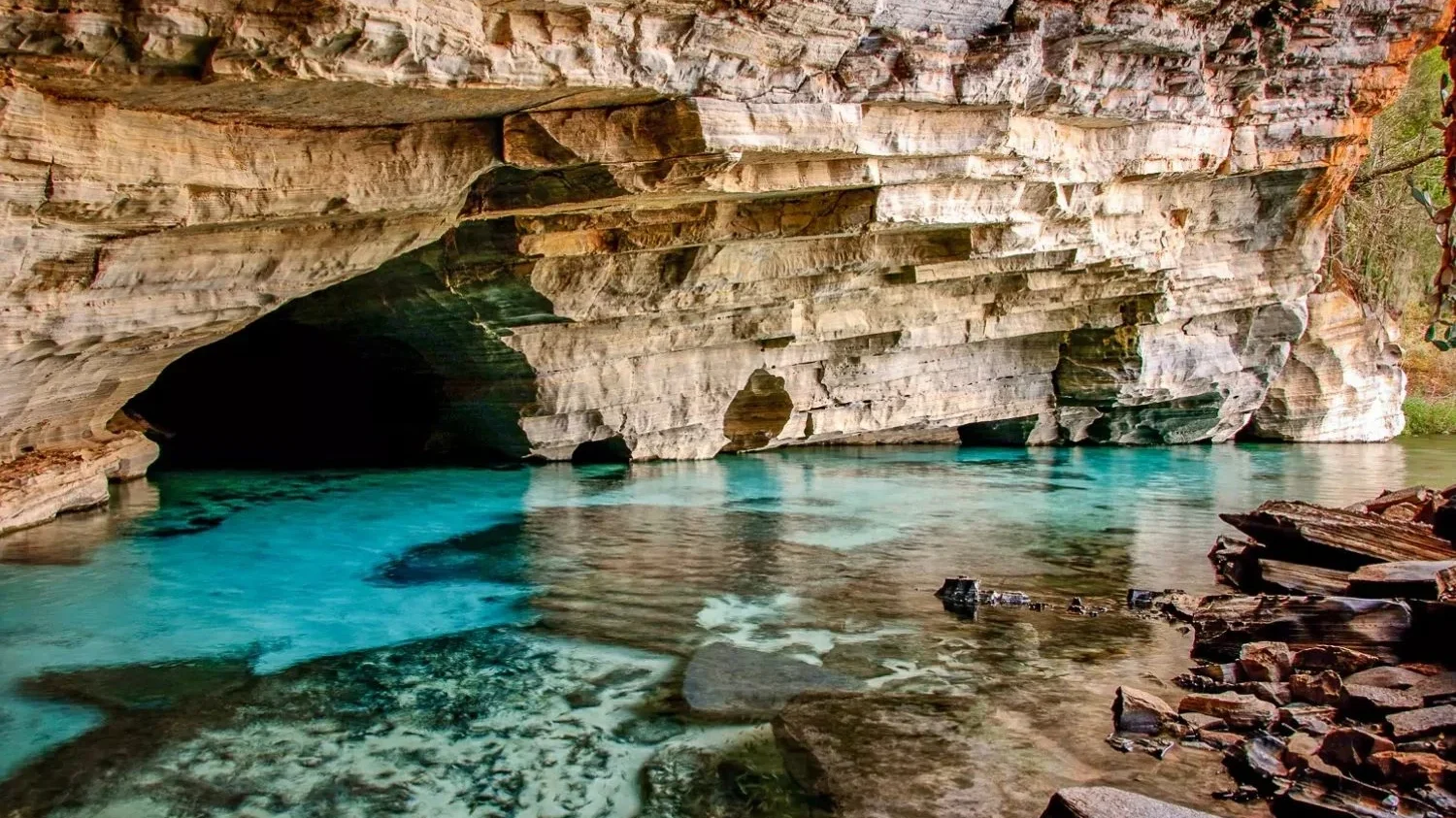
September continues the Chapada Diamantina’s finest season: dry, navigable, and producing the landscape photography and trekking experiences that have made this highland plateau one of Brazil’s most rewarding interior destinations. The Poco Azul and Poço Encantado underwater caves are at their clearest in September’s low-water conditions, and the Fumacinha Waterfall continues its 340-meter freefall into the canyon below.
Wildlife
Maned wolf breeding season beginning; marsh deer in the Chapada river valleys
Natural Phenomenon
Poço Azul and Poço Encantado caves in September clarity — the sunlight-illuminated grotto at finest visibility
Culinary
Lencois village cooking; pequi oil dishes; September harvest honey and tropical fruit
Fernando de Noronha
September marks the beginning of Fernando de Noronha’s finest season: the waters warming after the winter cold, the spinner dolphin pods increasingly active in the bay, and the visitor limits ensuring that the island retains the quality that makes it worth the logistical effort of arriving. The sea turtle nesting season is ending, with the final females of the year completing their nesting runs on the protected beaches.
Wildlife
Spinner dolphin pod reunification in September as the water warms; hawksbill turtles completing final nesting
Natural Phenomenon
Fernando de Noronha, September — the island transitioning from cool to warm season, water clarity excellent
Culinary
Fresh tuna at the village restaurants; local cachaça; artisan producers on the island
The Amazon
September sees the beginning of the Amazon’s wet season in some regions while others remain in dry season; the timing varies by tributary and location, and this transitional period produces some of the most extraordinary wildlife encounters of the year as animals respond to the first flooding of the floodplains. The pink river dolphin is most visible in September as the rivers begin their rise, moving into previously inaccessible areas.
Wildlife
Pink river dolphin peak visibility as rains begin; capybara herds on final dry-season beaches; Amazon kingfisher
Natural Phenomenon
Amazon wet-dry transition — the flooded forest beginning to reassert itself, the beaches disappearing incrementally
Culinary
Amazonian ceviche with local peppers; pirarucu preparations at jungle lodges
Ecuador
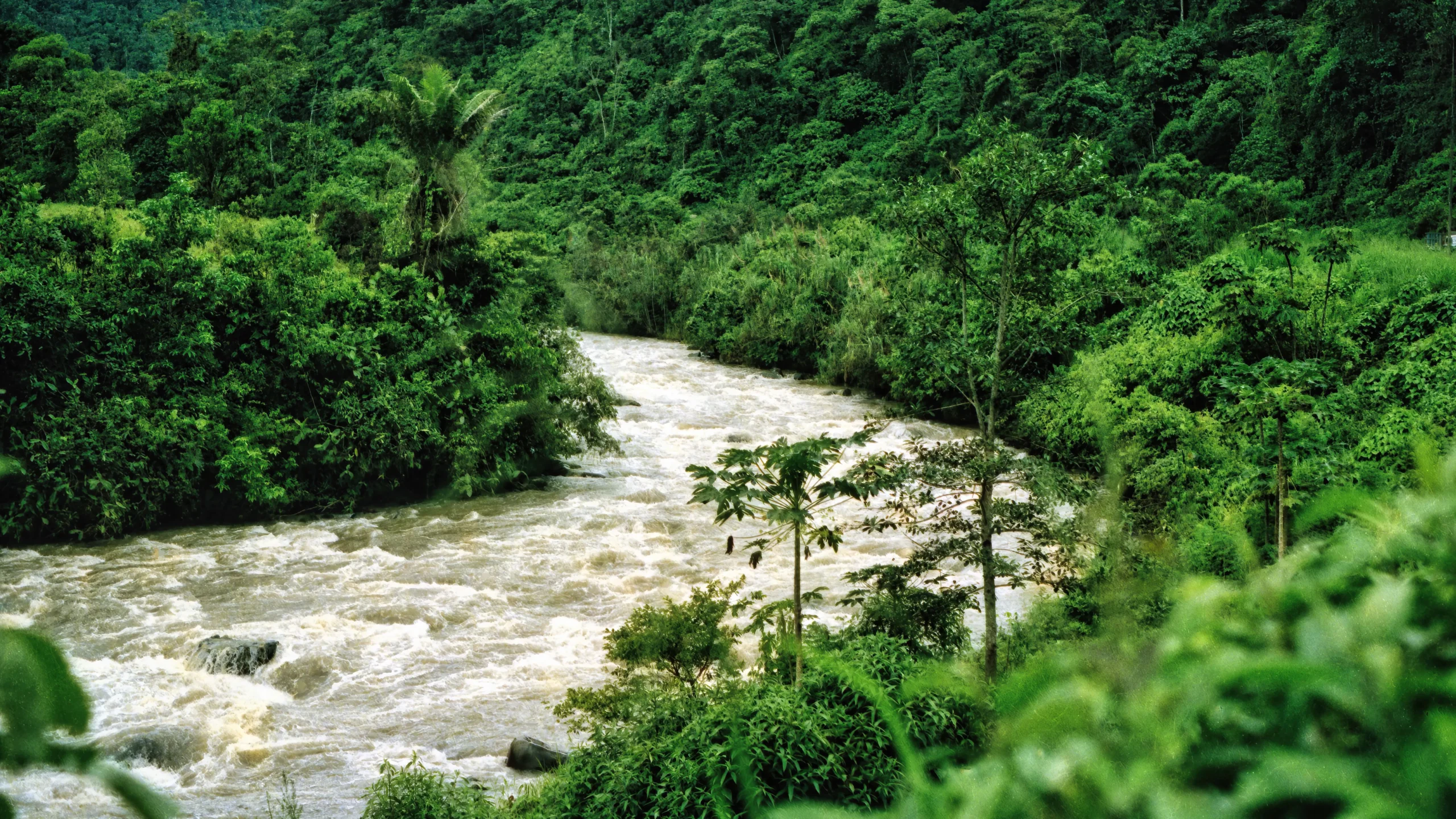
September in mainland Ecuador’s Pacific coast sees the warming of the coastal waters that begins the transition from the cool, whale-rich season to the warmer months ahead. The highland regions continue in dry season; the Amazon basin begins the transition toward the wet season, and the Yasuni National Park accessible only by small plane and river from Coca is in its final weeks of dry-season road-and-river navigability.
Wildlife
Yasuni National Park — the most biodiverse park on earth by standard measures; September dry season access
Natural Phenomenon
Avenue of the Volcanoes in September clarity — the final clear weeks before the October rains
Culinary
Quito’s spring restaurant season; Ecuadorian ceviche mixto; cangrejos of the coast
Argentina
Buenos Aires
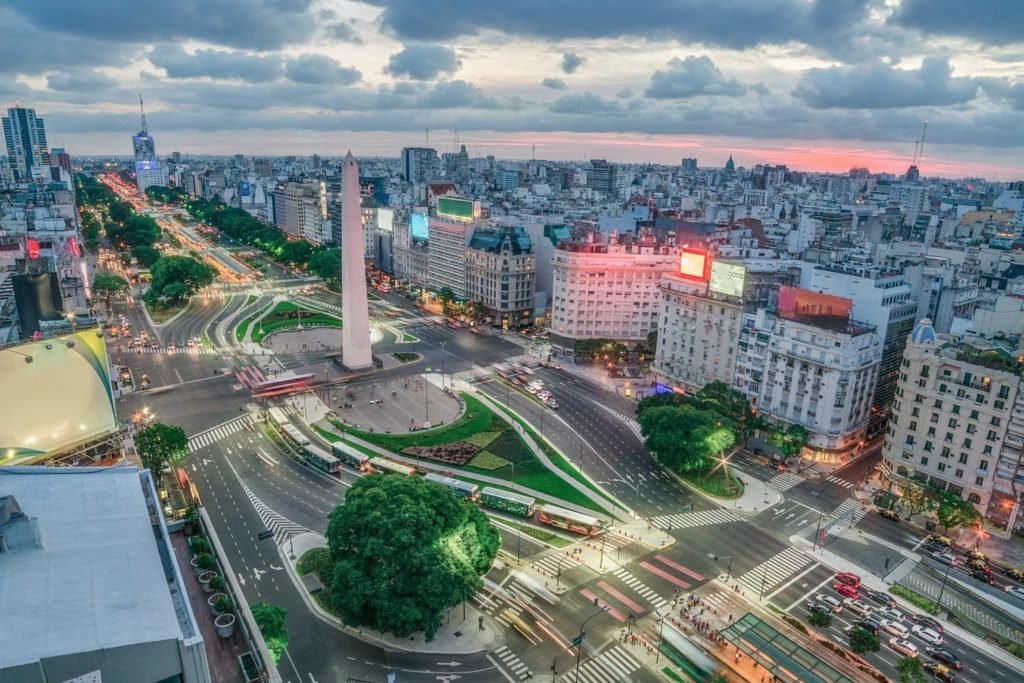
September is Buenos Aires in early spring: the plane trees budding, the city shaking off the winter’s gray, and the restaurant terraces refilling with the alacrity of a city that has been waiting for the temperatures to justify outdoor dining. The Argentine Spring begins officially on September 21, but Buenos Aires begins its spring earlier in spirit: the flower stalls of San Telmo reopen, the MALBA museum launches its spring exhibition season, and the tango community at the milongas reflects the general elevation of mood.
Cultural
Buenos Aires spring cultural season: MALBA, Teatro Colón, Centro Cultural Kirchner all launching new programming
Natural Phenomenon
Buenos Aires spring — the jacaranda trees beginning to bloom purple along the Palermo boulevards
Culinary
Spring restaurant menu launches; Buenos Aires’s spring lamb season; Malbec by the glass at Palermo wine bars
Northern Patagonia
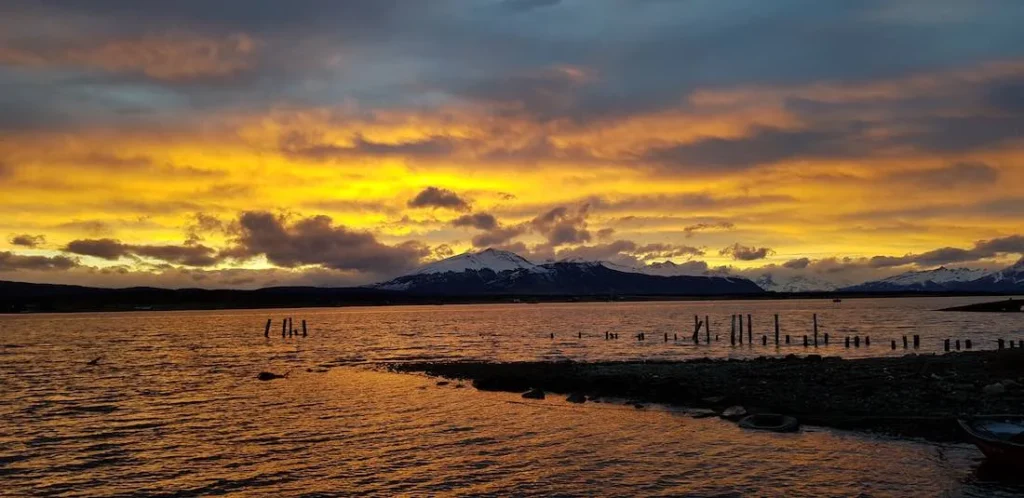
September is early spring in Northern Patagonia: the snow retreating from the lower elevations, the waterfalls above Bariloche running at full snowmelt volume, the first wildflowers appearing in the Valdivian rainforest understory, and the fly-fishing season preparing to open its first rivers in October. The lake district’s spring is among the most beautiful in the Southern Hemisphere, the lenga beech forests producing the same bright new-leaf green that makes European spring so celebrated, against a backdrop of Andean peaks.
Wildlife
Spring arrival of migratory birds in the lake district; huemul deer more visible on spring slopes
Natural Phenomenon
Northern Patagonia spring — snowmelt waterfalls at maximum volume; lenga beech new-leaf green against the Andes
Culinary
Spring lamb; new-season produce at the Bariloche market; first craft beers of the season
Valdes Peninsula
September continues the Valdés Peninsula’s southern right whale season: the mothers and calves of the Golfo Nuevo and Golfo San José nurseries at their most active, the calves now three to four months old and increasingly capable of the aerial behaviors breach, tail slap, spy-hop that define the whale-watching experience at its most theatrical. The Punta Norte orca hunting ground, where killer whales intentionally beach themselves to catch sea lion pups, is active in September.
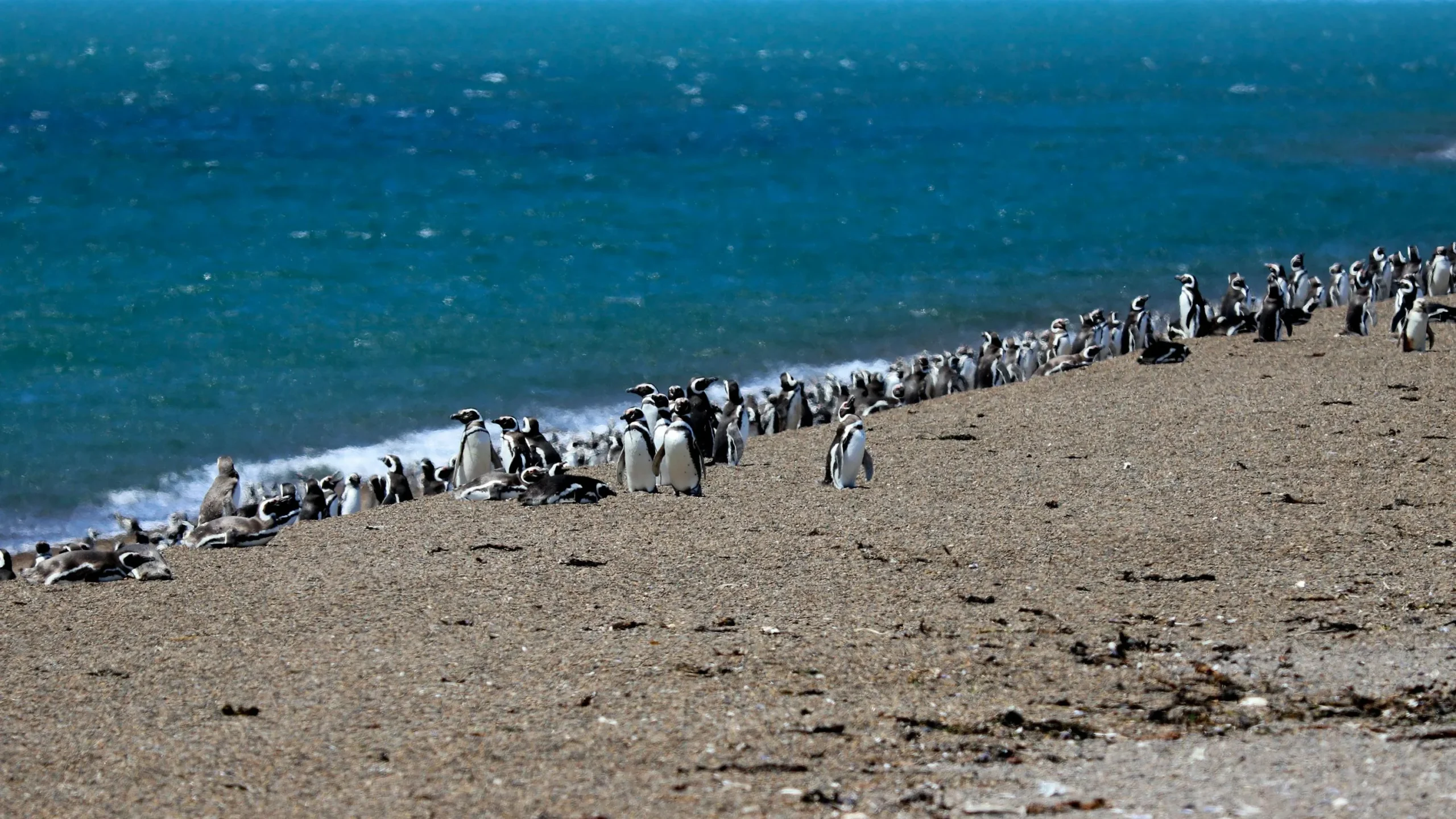
Wildlife
Southern right whale calves’ aerial behavior at peak; orca intentional beaching at Punta Norte — September is prime season
Natural Phenomenon
Right whale breach — a 50-tonne animal leaving the water completely, witnessed from a small boat 50m away
Culinary
Puerto Madryn fresh Patagonian seafood; Welsh tea houses in the Chubut valley; Patagonian lamb
Why Book in Advance
September offers the informed traveler a genuine advantage: it is the last month of peak dry season in Peru and Bolivia, and the beginning of the finest season in Fernando de Noronha and the Pantanal, yet the booking pressure is somewhat less than the July-August peak. Pantanal jaguar safari boats for September fill in October the prior year. Fernando de Noronha September reservations require 6–9 months advance planning. Lencois Maranhenses in September is becoming known to sophisticated travelers and accommodation in the access towns is limited. Valdes Peninsula orca season boats have a small number of operators and book out for September quickly. The September traveler who plans a year ahead gains access to a month that combines quality and relative value in a rare combination.
READY TO PLAN YOUR JOURNEY?
Our LANDED travel designers craft bespoke itineraries for discerning couples, families, and multi-generational groups — blending deep regional knowledge with privileged access to the places, people, and experiences that define each destination.