The fastest-growing wellness trend in luxury travel isn’t at destination spas; it is at hotels where wellness is a natural component of the stay. A recent report by a leading travel consortium surveyed 2,400 travel advisors from more than 50 countries. It found wellness-focused hotel bookings increased 28%, outpacing bookings in other sectors. No surprise to LANDED, most of that growth is concentrated in our region: Central and South America.
In Latin America, wellness hasn’t been sold as a treatment, a weekend retreat, or a smoothie and yoga package. In Central and South America, wellness was the land itself, the scale, the silence, the culture, the way of being. It’s about how you feel standing in front of a glacier, encountering an impossibly large ceiba tree, or an impromptu swim with dolphins in the Galapagos.
The numbers are finally starting to catch up to what we’ve known for years: traveling with intention in Latin America makes you feel fantastic.
What Wellness Means in Latin America
Ask a boutique hotelier in Central or South America what wellness means. Treatments come up last, if at all.
“I see wellness within a holistic approach. Yes, access to the spa, therapies, meditation, and that sort of activity,” says Pedro Treacher, founder of Ocanto Hotels in Brazil. “But primarily, it is where you are, the surroundings, the pace of the trip, the food, and the small but thoughtful gestures of how we care for our guests.”
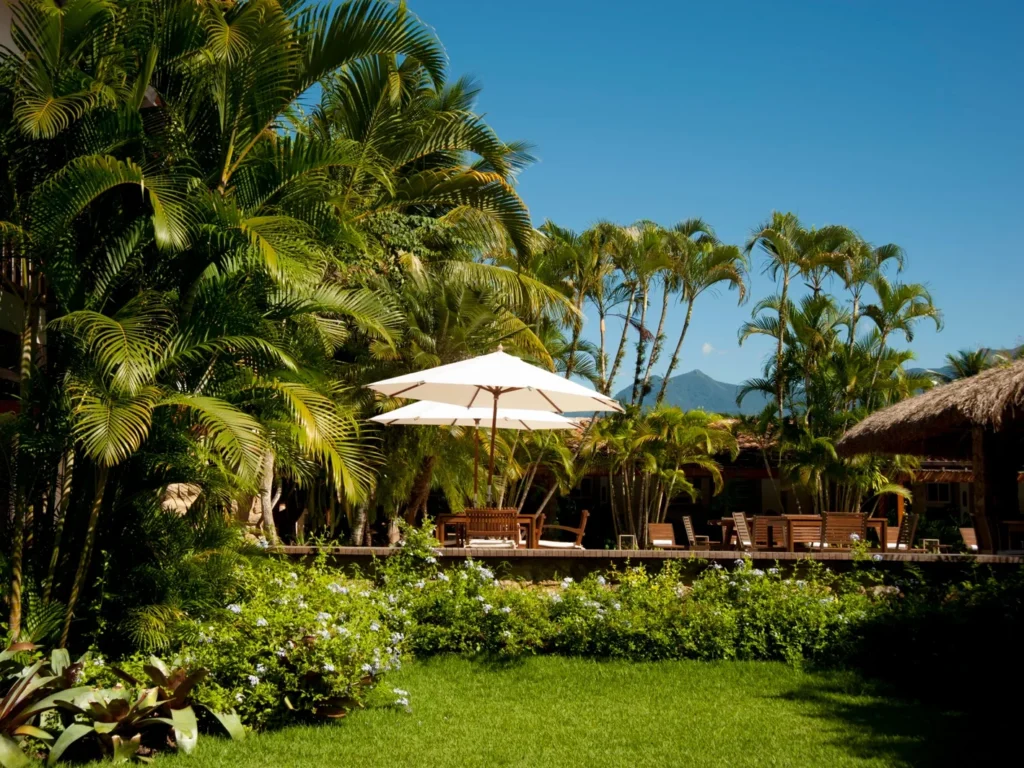
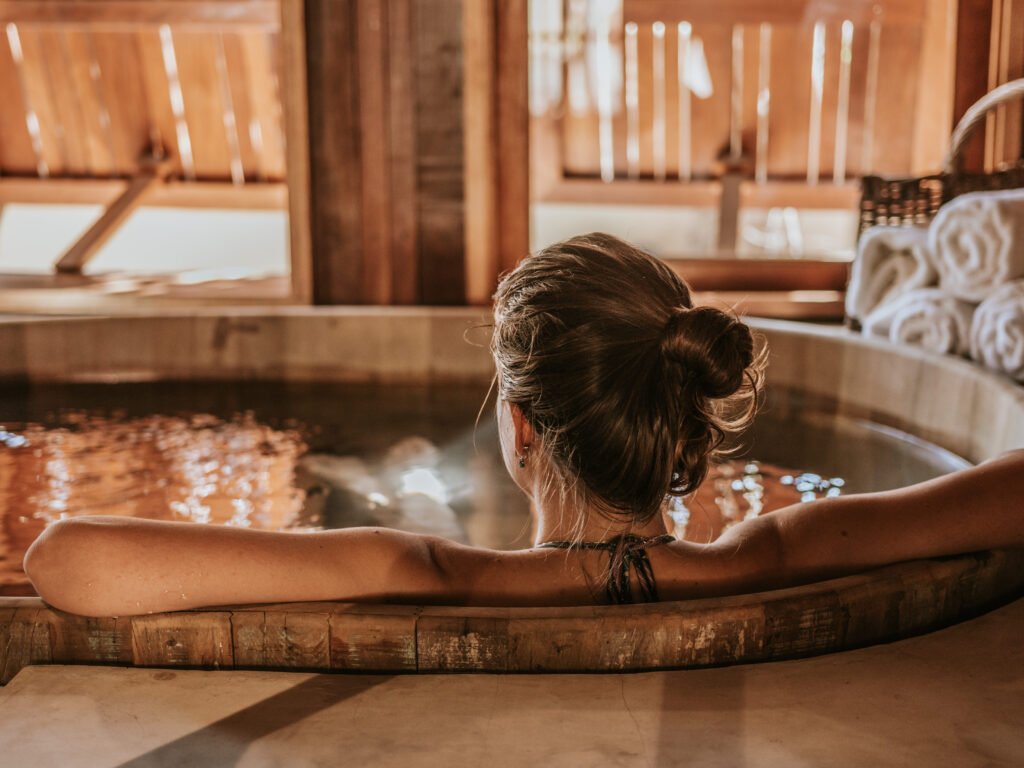
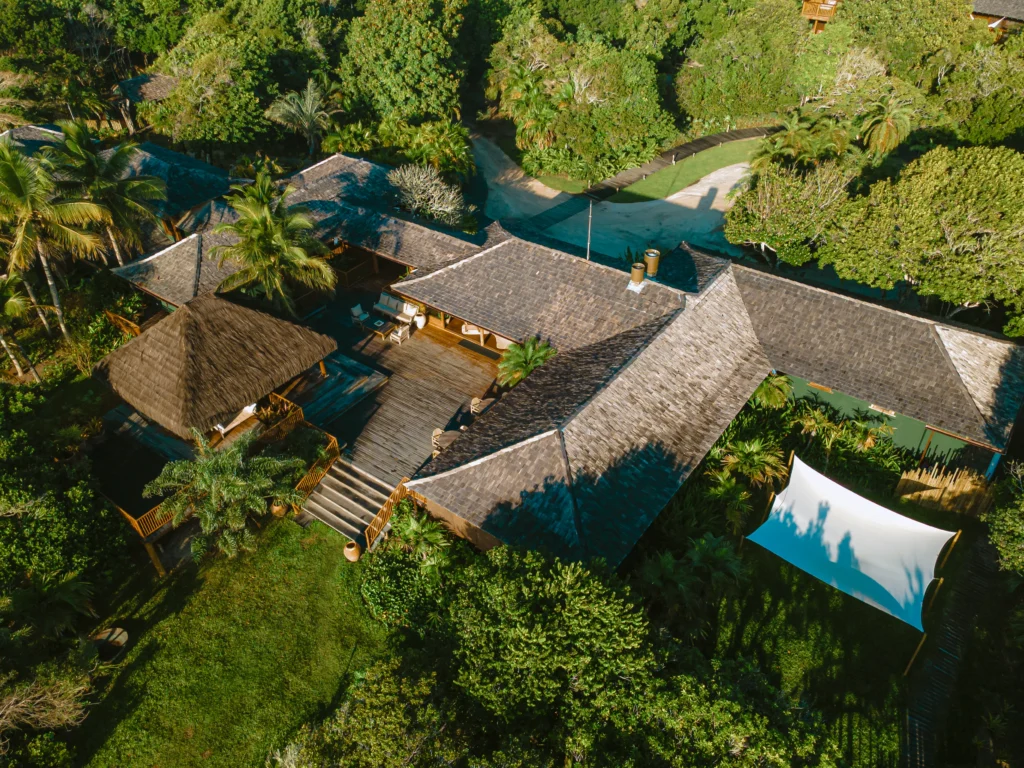
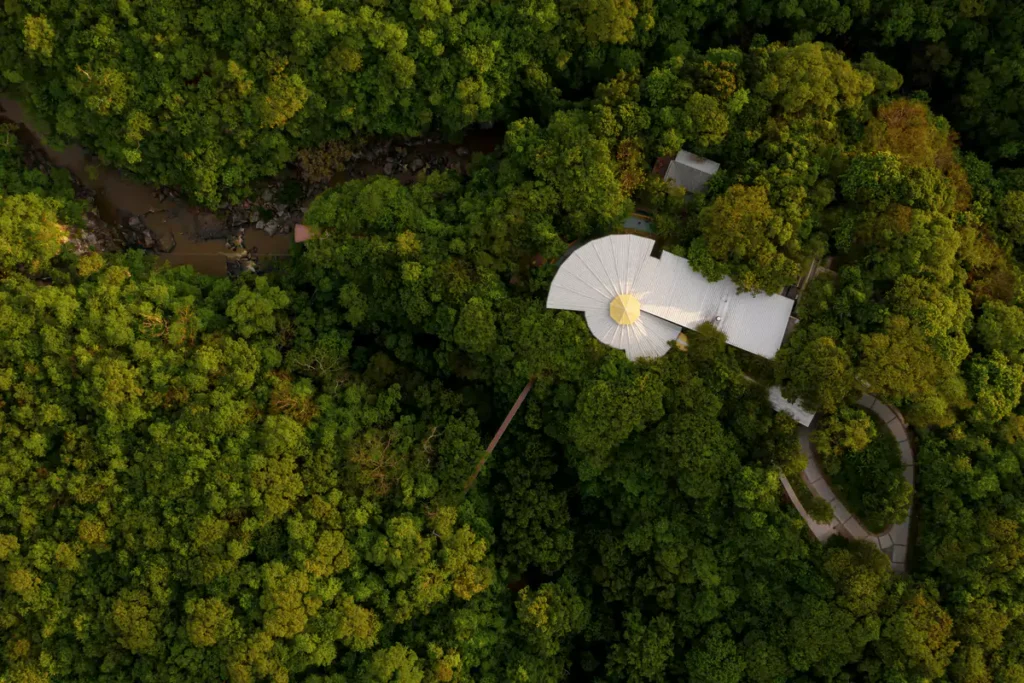
At Ibiti Projecto, also in Brazil, that philosophy has a name. “We have a vision of creating the ideal conditions to inspire our guests: a place where meaningful relationship, quality time, wellbeing, and longevity naturally come together,” says Claudia Baumratz, the project’s sales director. Ibiti’s version includes a Healing Day centered on forest bathing, a river herbal bath, and custom outdoor experiences organized around time together, attention, and connection rather than a schedule of treatments.
Yes, Ibiti has spa services and an organic garden. But it also has miles of empty trails through the mountains and forests, natural riverside pools, and art installations that surprise and delight. On one of our hikes to a waterfall, the trail turned a corner to reveal a natural spring bubbling out of a rock. Two glasses, and two oranges had been left there just for us by an unseen hand.
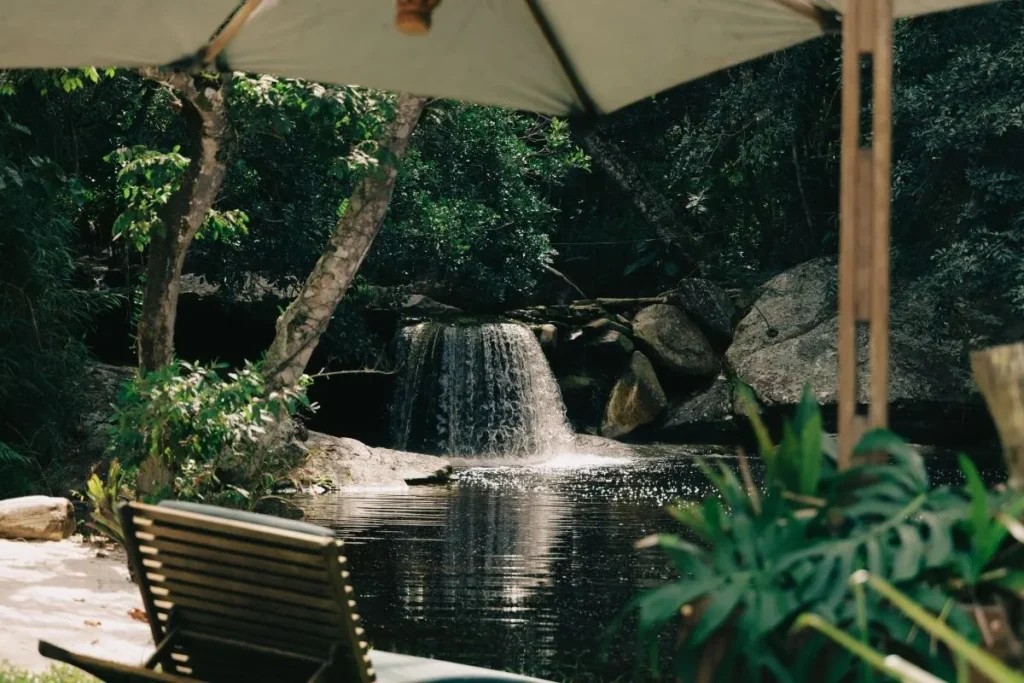
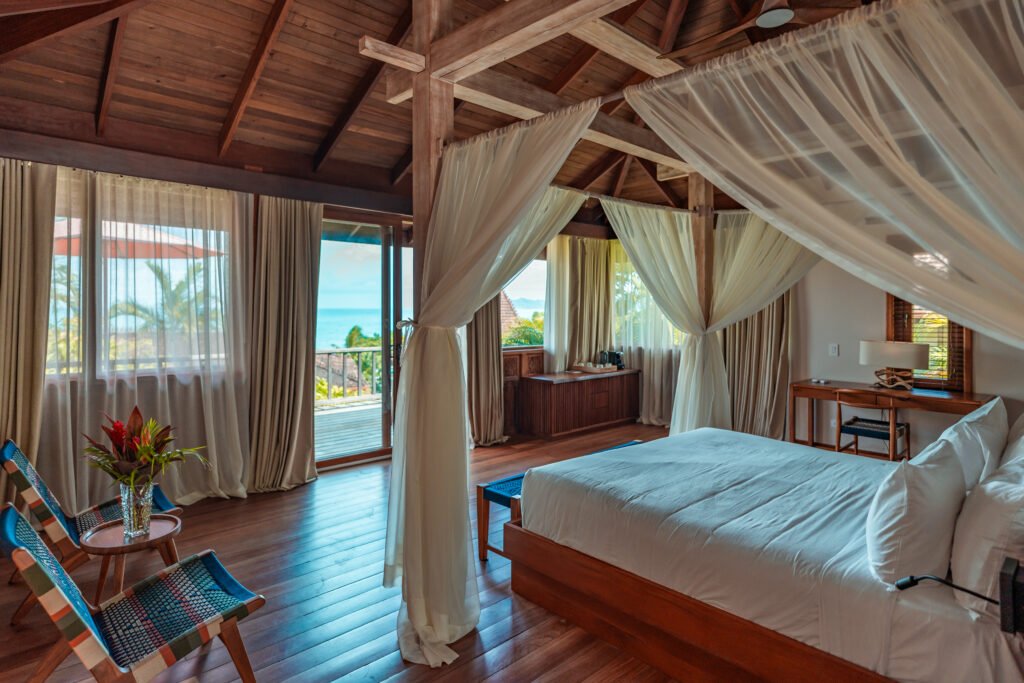
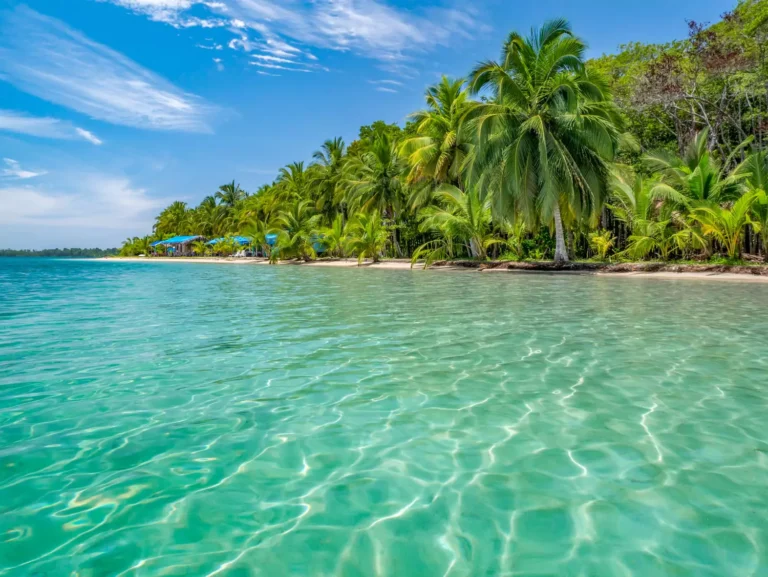
Carlos Gustavo Villamor, holistic center director at La Coralina on Panama’s Bocas del Toro archipelago, describes the same pattern. “Wellness here is not something you simply do; it is something you experience,” he says. “You come to discover the islands, and often end up rediscovering yourself.” Guests are not walked through a prescribed order; some start with a massage, others with nothing but time in the water.
Naomi McKee writes for Senderos, a company representing independent, small-scale hotels across Central and South America. She acknowledges that experiences like gong baths exist, but “wellness is so much more than that; it’s in the food you eat, the clean fresh air you breathe in, and the wildlife you can observe.” The treatments are additions to something that’s already working; they are not the reason for the visit.
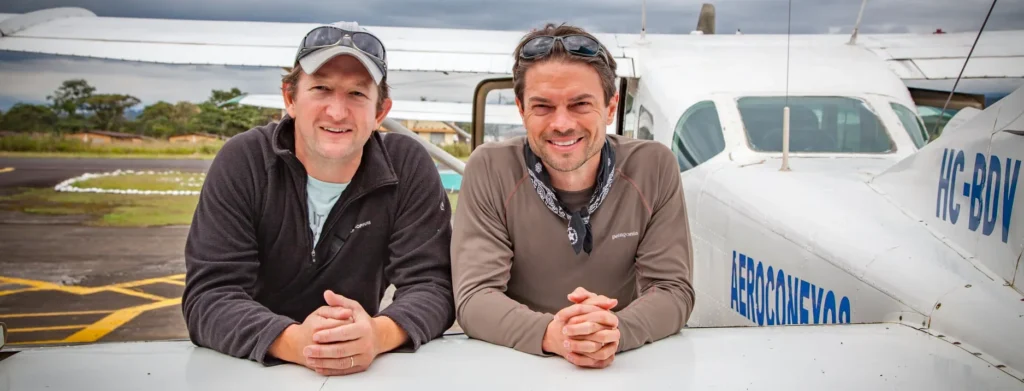
Psychologists who study restoration, connection, and awe are catching up to something the Amazonian and Andean healing traditions have expressed for generations: that a landscape can reset your nervous system and your mindset. Latin American properties focused on wellness keep that principle in mind. The spa is there, but the real wellness resides in the forest, the desert, the seashore, or the mountains where the hotel rests. Restoration in nature tends to be earned, rather than purchased, and the result is a more durable effect on wellbeing.
The Shift is Real
For years, the argument that “Latin America offers more in true, natural wellness” was mostly anecdotal. It isn’t anymore.
According to Grand View Research, the wellness travel market across Central and South America was valued at $42.4 billion in 2025. It is projected to grow at a 7.5% compound annual growth rate through 2035, reaching nearly $88 billion. That’s more than double the global average. Argentina is expected to achieve the highest country-level growth rate.
Some Examples
Costa Rica: Wellness Comes Naturally
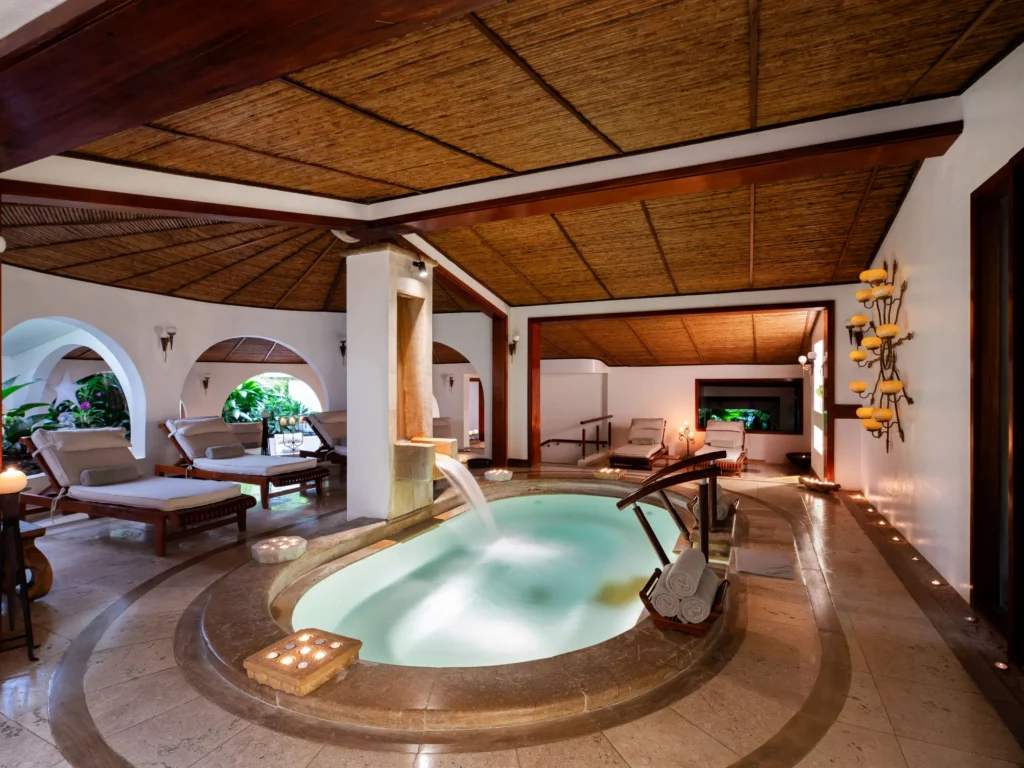
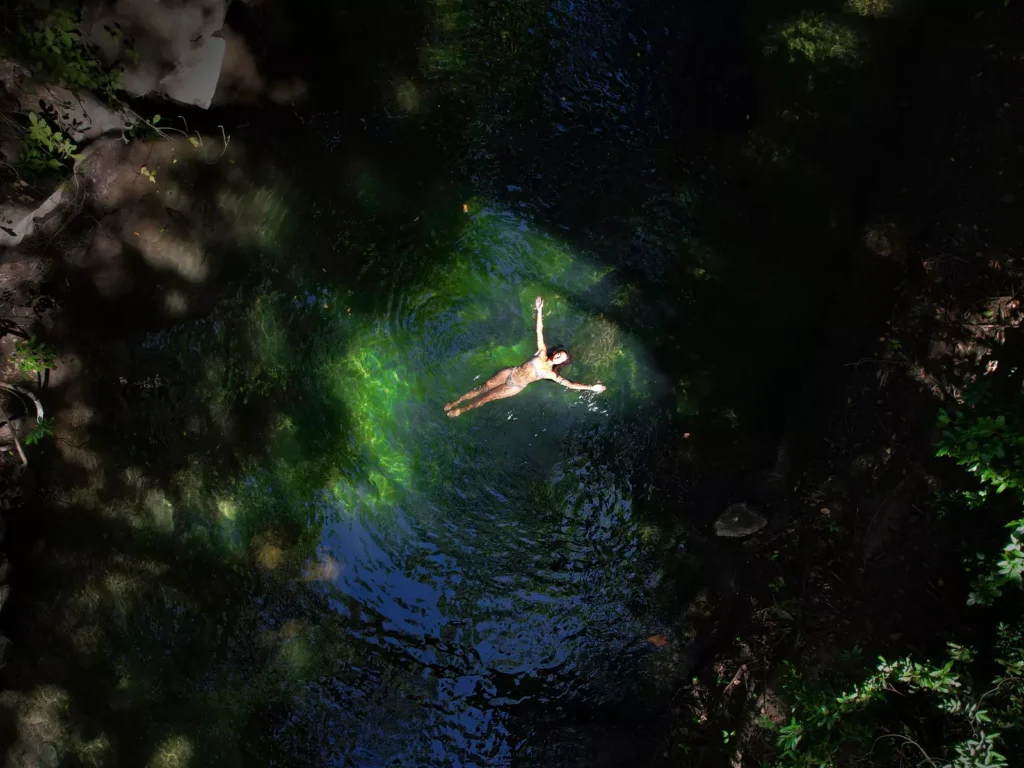
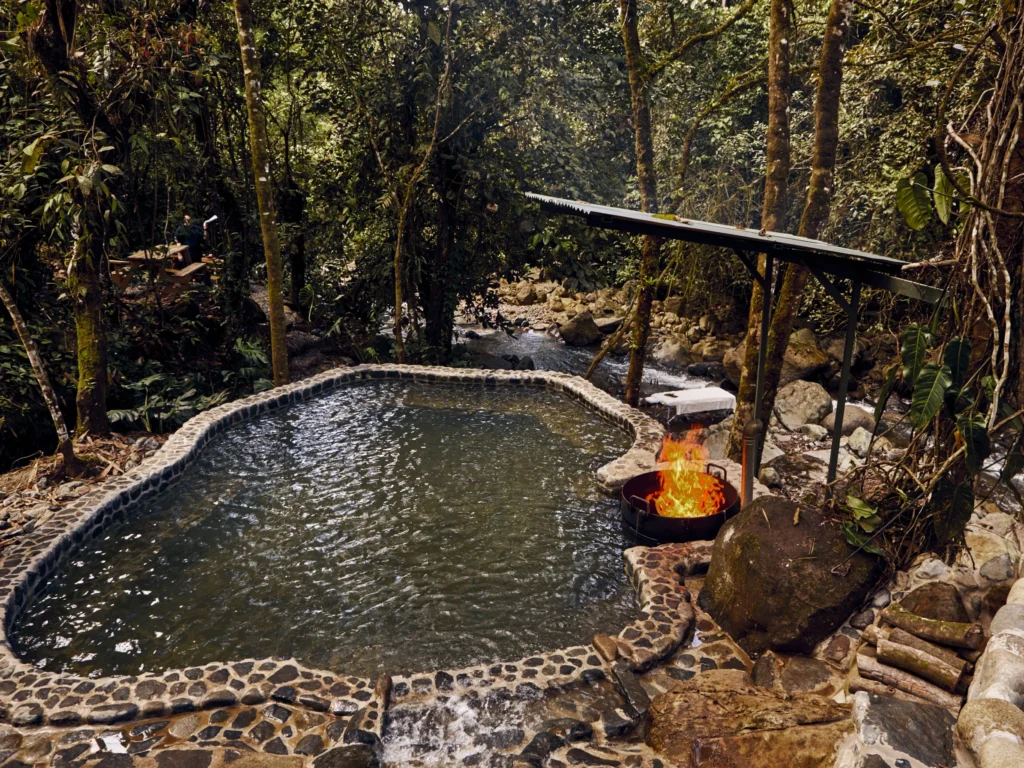
Costa Rica has the most third-party validation of any single country in the region. Tabacon Thermal Resort & Spa ranked fifth globally in Travel + Leisure’s 2026 World’s Best Awards for international wellness destinations. Hacienda Alta Gracia and Lamangata Luxury Surf Resort both made Oprah Daily’s 2025 Hotel O-wards list of global luxury wellness properties. Forbes names the country among its best trips of 2026, describing Costa Rica as having moved from emerging to essential for luxury travelers.
Andrey Gomez, General Manager of Tabacon Thermal Resort & Spa sees the appeal from the inside. “I find Arenal powerful. Everything comes together in one place: this perfect conical volcano, the rainforest, the thermal waters, and the wildlife,” he says. “You feel connected to nature without making a big effort.”
Gabriel Saragovia, founder of Rio Perdido Hotel & Thermal River, traces that ease back further than geography. “Costa Rica has focused on education, not on military,” he says. “We have a relatively high standard of living, and many Costa Ricans have what they need in life. There’s just not the conflict, and people are generally more peaceful. We work hard, but we also meditate by the way we live.” His boutique retreat, Rio Perdido, sits at the convergence of a thermal river and a river gorge, all surrounded by tropical dry forest in Costa Rica’s volcanic northern region. Saragovia describes the area as having “the purest of all the fundamentals: water, air, and soil.” Rio Perdido is building on that foundation, adding a functional beverage bar, serving herbal infusions, minerals, and plant medicines rather than a standard cocktail list.
Brazil and Uruguay: The Atlantic Edge
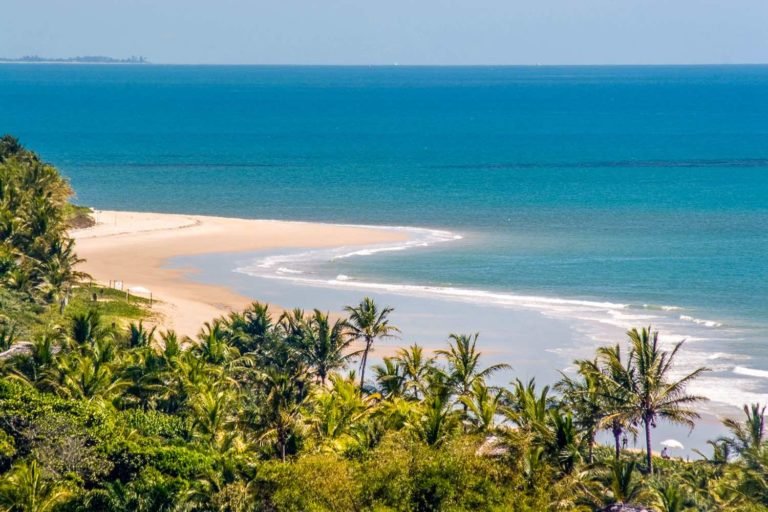
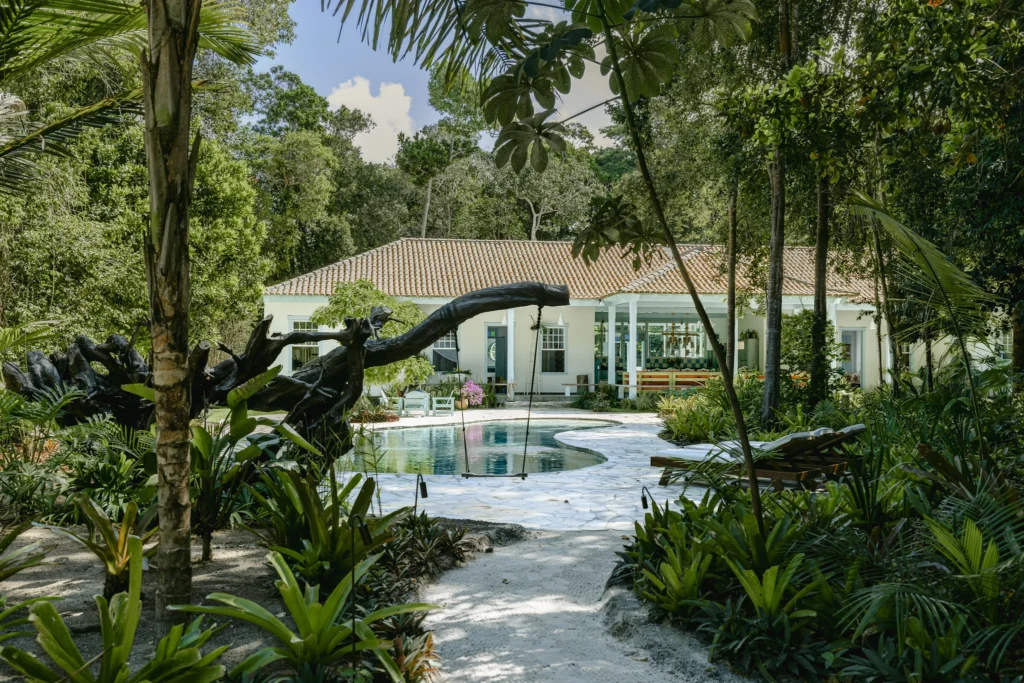
Uxua Casa Hotel & Spa in Trancoso, Brazil is a collection of renovated casitas clustered at the edge of this beach town’s historic Quadrado. The hotel’s green aventurine quartz pool is compelling. Its Lab & Spa pairs natural treatments with local juice mixes and chocolate-making, while also offering jiu jitsu and capoeira sessions. For Bob Shevlin, Co-Founder of Uxua, Trancoso is so much more than mere beach time. “The real appeal is the lifestyle for wellness-minded people, with the close connection to nature and outdoor fitness possibilities. Hippies and counter-culturalists began visiting in the 1970s, and most of the population practiced sustainable fishing and farming.” The annual Organic Festival Trancoso carries that tradition forward, gathering chefs and conservationists for five days of dining, picnics, and lectures hosted by Conservation International Brazil.
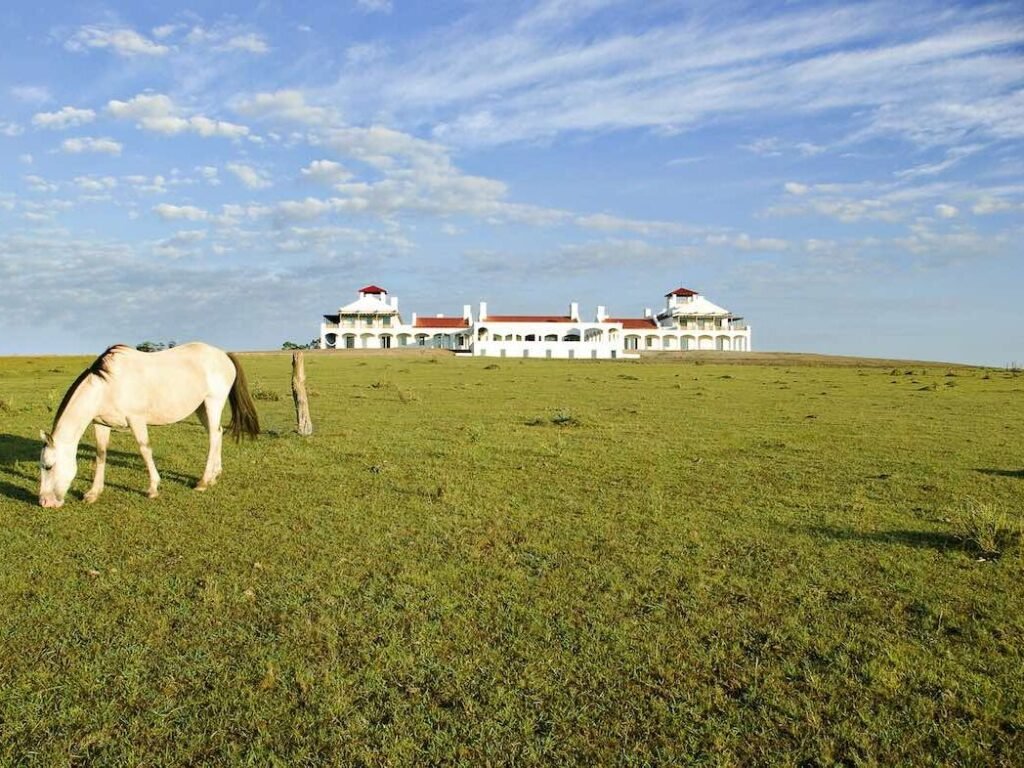
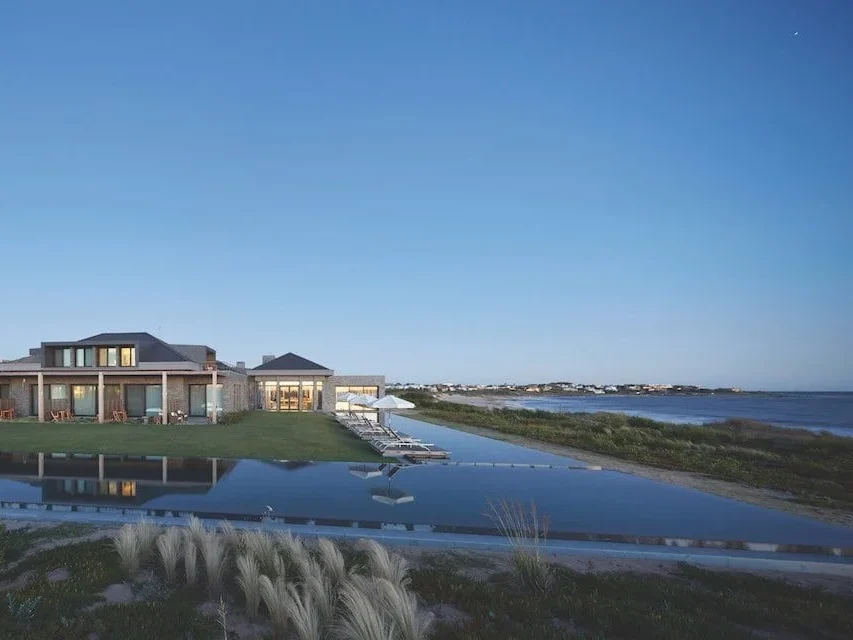
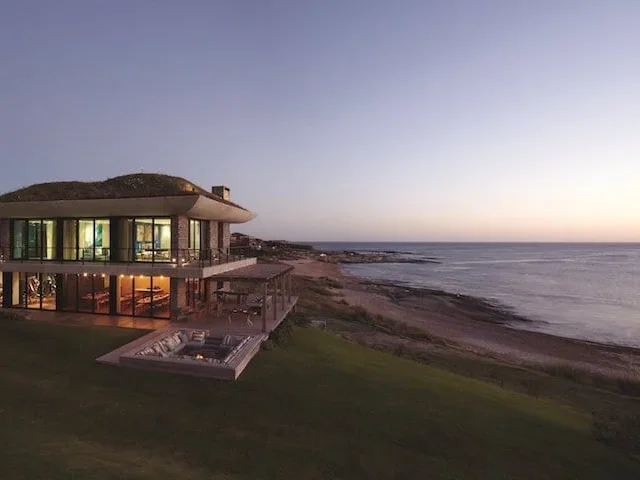
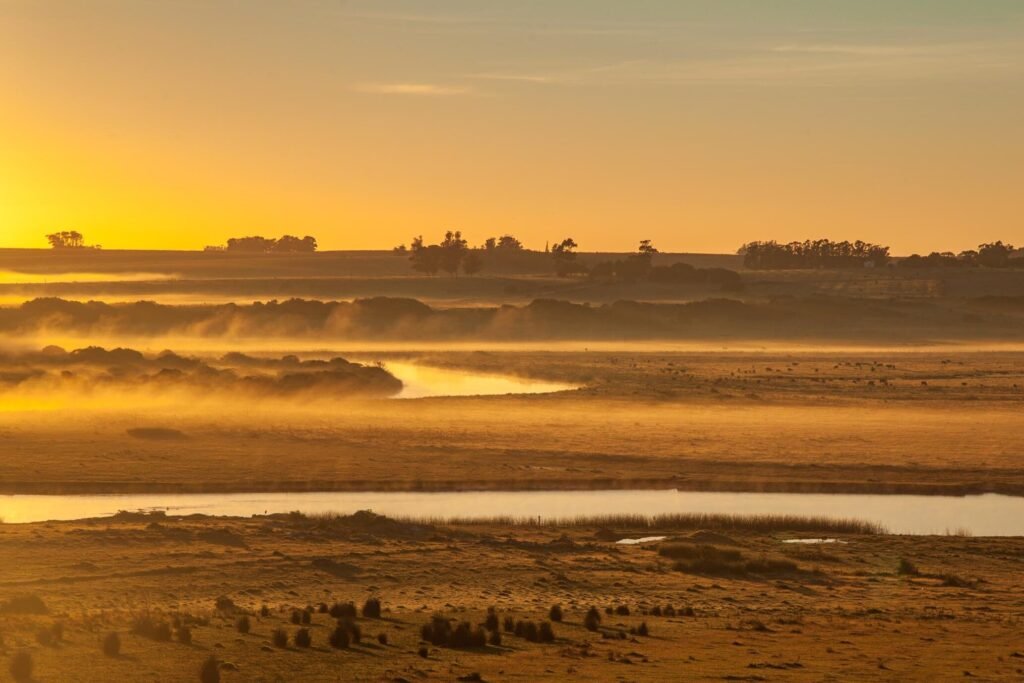
Jose Ignacio, on Uruguay’s Atlantic Coast, is making the same case with sand and pampas instead of tropical forest. Estancia Vik spreads across 4,000 acres of rolling grassland and lagoons. Bahia Vik and Playa Vik rest directly on the oceanfront dunes. Beauty is also expressed in the guestrooms; each is showpiece of murals and furnishings designed by a different artist. The public spaces are similarly museum-worthy; take the cantilevered pool at Playa Vik and the living room installation by James Turrell. Some of our favorite days here have combined riding in the pampas, followed by long walks on the strand, and toes-in-the-sand dining.
Patagonia: Wellness Through Vastness
Nowhere in the region will you find a more pronounced case for wellness without a spa menu than in Patagonia.
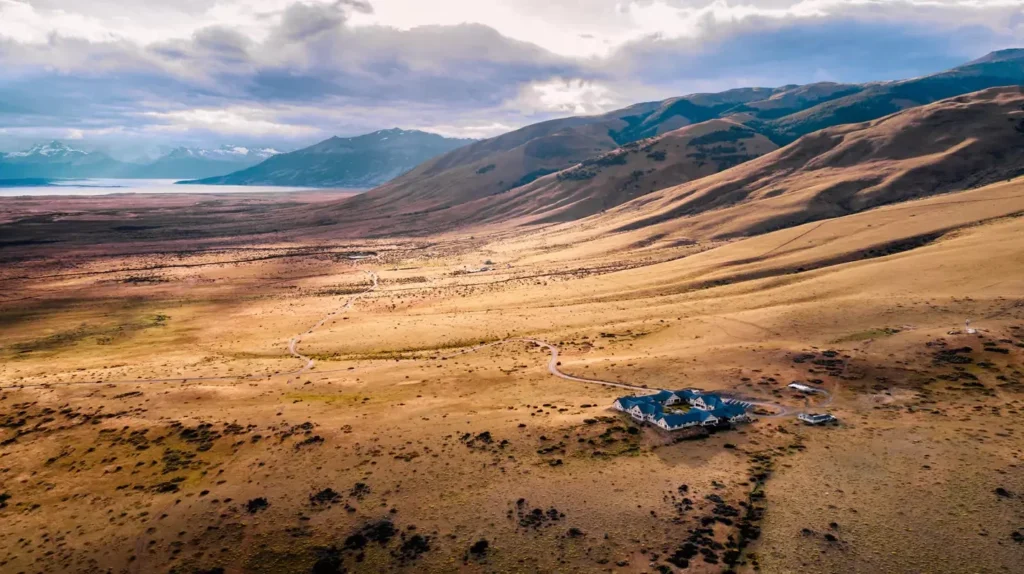
“What’s special about Patagonia as a wellness destination? Connecting with nature, enjoying the silence, and landscapes,” says Valentin Virasoro, general manager of Eolo, near El Calafate, Argentina. Outside, he says, the wind and the cold are constant; inside the lodge, guest find refuge, “a feeling of warmth and quiet, of stillness.” Argentine hospitality takes it from there, he adds: lingering at the table after a fine meal, sharing yerba mate, and the unhurried rituals of daily life.
Awasi Founder, Matias de Cristobal, advances this argument. Wellness travel, he contends, is usually sold as a menu of services: the spa, the massage, the sunrise yoga. What’s more powerful, he says, is closer to what Aristotle called eudaimonia, a state of being fully inside something real, of human flourishing, and of living well. He notes that the problem with most “bucket list” destinations is overcrowding; it’s hard to feel part of a place while queueing to photograph it. South America, in contrast, still offers “vast, uninterrupted areas like Patagonia, the Andes, and the Ibera Wetlands, where you can travel for a full day and see no fence, no roof, and no other traveler.” He summons Lord Byron: “Are not the mountains, waves, and skies a part / Of me and of my soul, as I of them?” Wellness, de Cristobal concludes, does not come from a massage at a nice lodge. It comes from belonging to and resonating with nature for a moment.
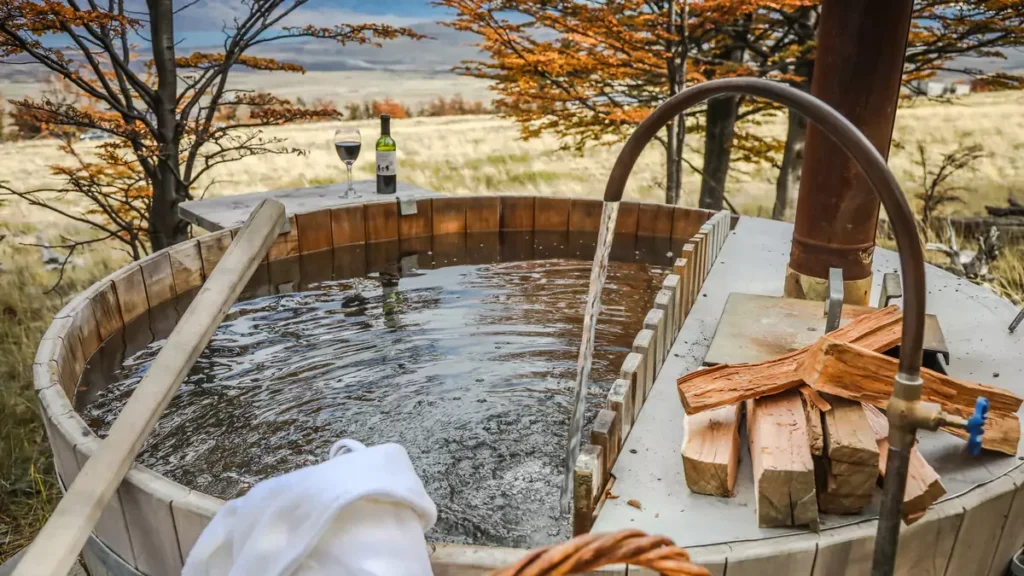
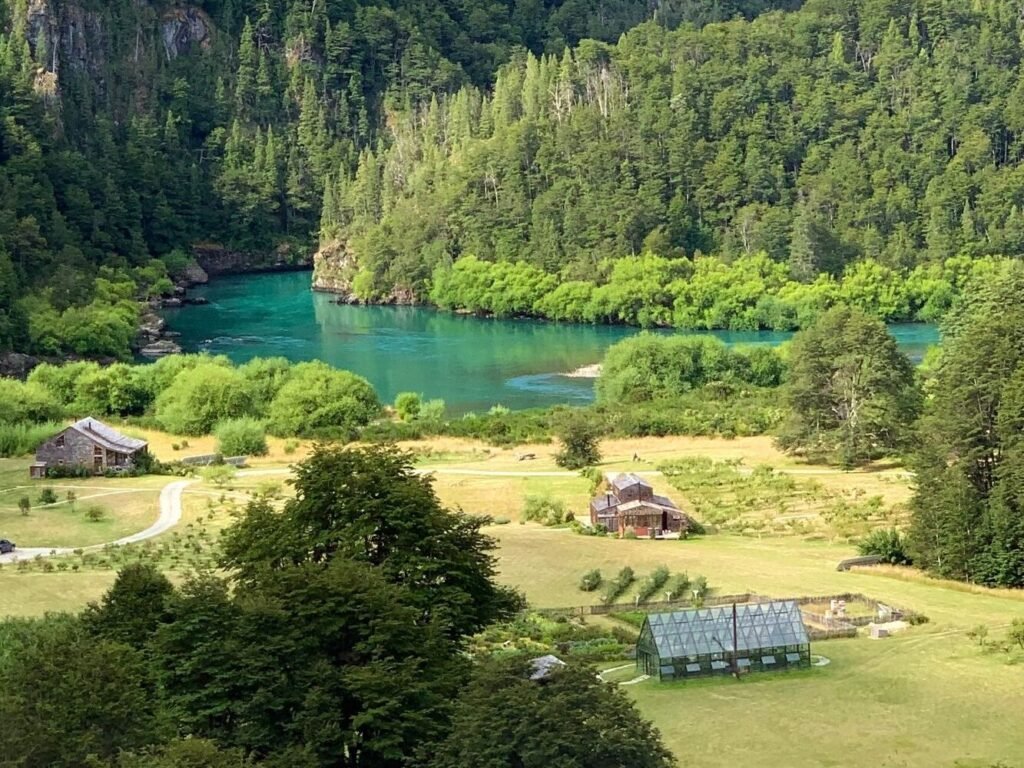
In Futaleufu, Chile, Marcelo Schaffer founded PATA as a conservation project in 2013; it now protects nearly 3,000 acres of Patagonian forest. “What we offer here isn’t wellness in the commercial sense,” Schaffer says. “It’s disconnection from city life and reconnection with what’s intrinsically ours: the cradle we came from, Mother Nature.” Futaleufu has one of the best whitewater rivers in the world, he says, but the core of this destination’s experience was never about adrenaline. It is in connection with untouched nature.
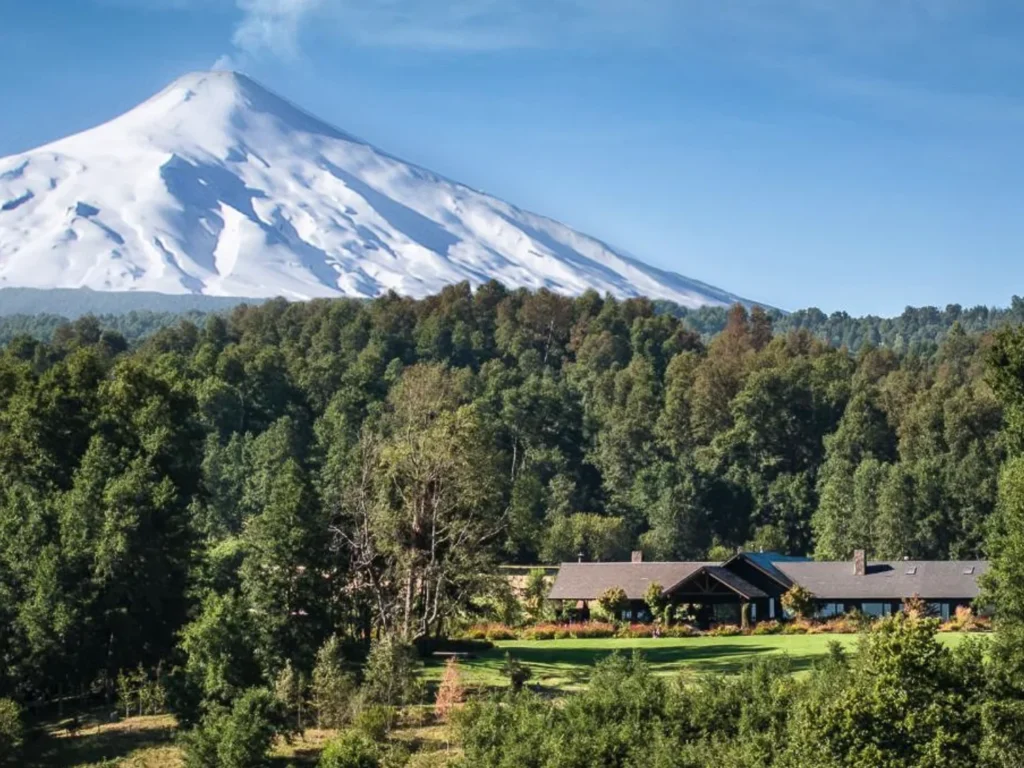
Marina Ernst, owner and host of Paguimalal in the Chilean Lake District, offers all the spa services one would expect from Chile’s best private reserve villa. She writes, ”But the most important part of a stay at Paguimalal is that we are a team that grants wishes. We can create almost anything.” That includes tailor-made active adventure in the lakes, rivers, forests, and mountains near her family’s private reserve. Other examples include a sound experience with a Chilean musician who performs on ancestral instruments; painting and sculpture sessions with local artists; and traditional temazcal ceremonies.
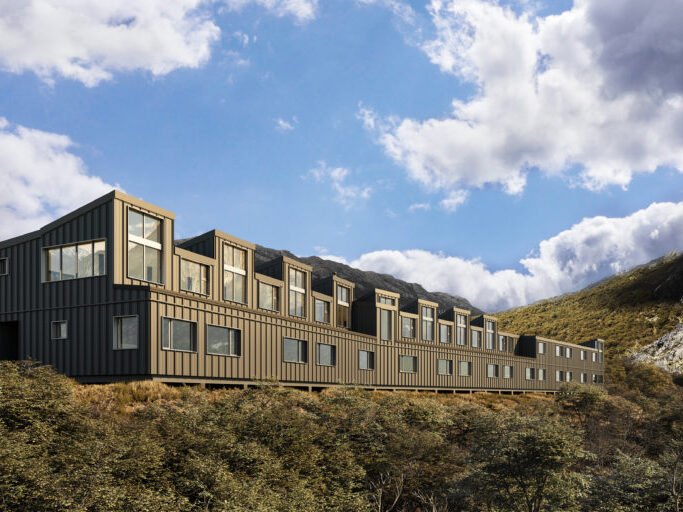
The concept of remoteness in nature is registering with a wider audience, and demand is following. Explora’s lodge in El Chalten, Argentina, has seen rapid booking growth. A new lodge—remote and away from the crowds—is planned for Explora’s reserve in the Baguales region outside Torres del Paine.
Ecuador and Peru
“Traveling through Latin America is an invitation to experience life in all its richness,” says Reyna Oleas, co-founder of Montemar, a private villa retreat in the highlands of Santa Cruz Island, Galapagos. Its cultural diversity and warmth, she argues, come paired with “a remarkable capacity for resilience and reinvention,” much like the adaptability Darwin observed in nature.
That range, that diversity, is exactly what makes the region so difficult to generalize. It’s also what a tailor-made journey can draw upon. In Ecuador, the travel economy grew by 11.6% in 2026, the fastest rate of any country in South America. That growth was tied to the emergence and success of nature-forward retreats and private reserve-based properties in the Amazon, the Andean cloud-forest, and the Galapagos.
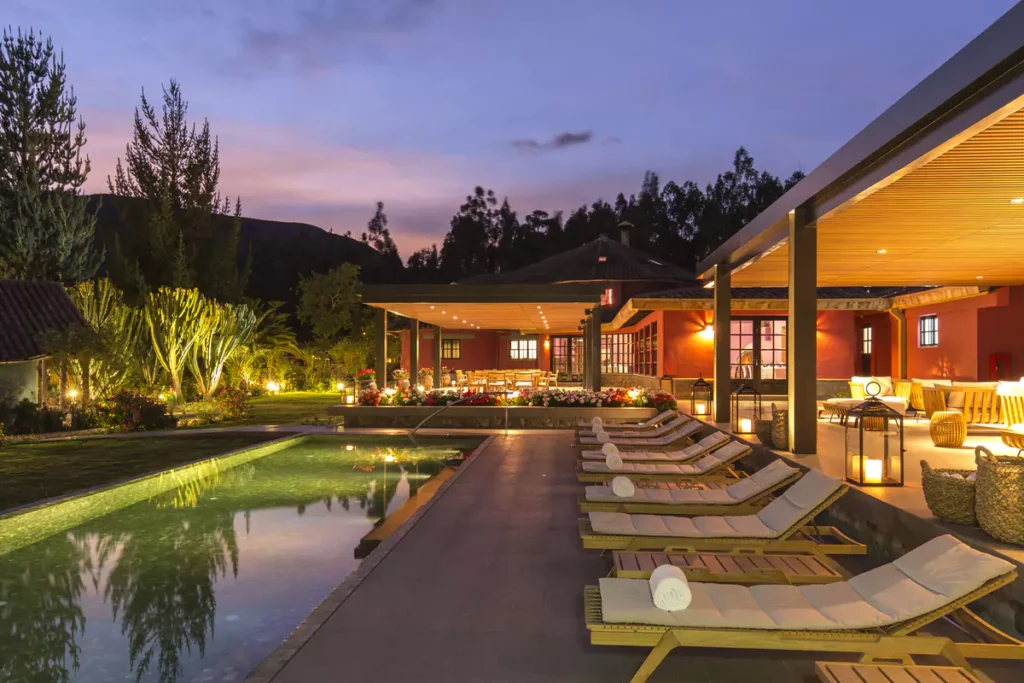
In Peru, wellness travel has a long history of innovation and success. In the Cusco / Sacred Valley / Machu Picchu corridor, Paqo-led ceremonies, Andean saunas, and farm-to-table meals highlighting native produce layer naturally into the journey. “The Sacred Valley is an ideal location for wellness travel,” says Petit Marie-Helene Miribel, host and owner of Hotel Sol y Luna. “There is an energy here, a feeling, that is difficult to put into words. The valley naturally invites you to slow down, to breathe, to rest, and to reconnect with yourself.” The mountains, the vastness of the sky, the golden light, the silence, and what she calls “the extraordinary presence of nature” create, in her words, “a profound sense of wellbeing.” “You don’t necessarily have to come her looking for wellness,” she says. “Somehow the valley itself brings wellness to you.”
Antarctica
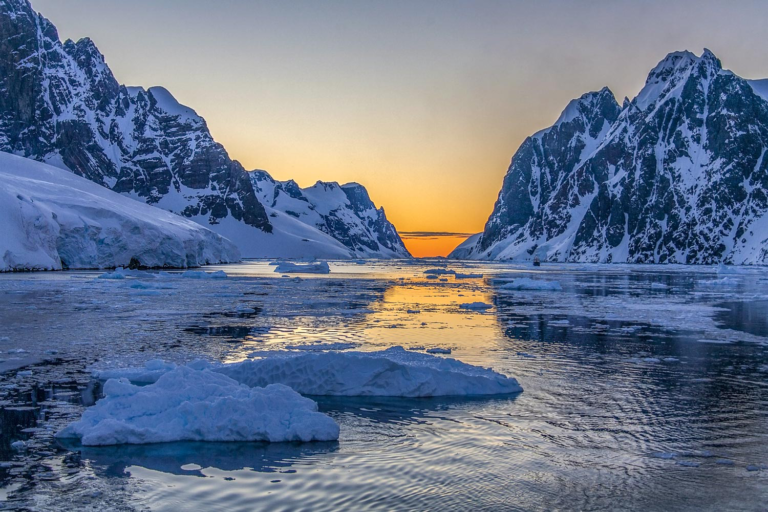
At some point, the same argument that explains Patagonia’s wellness appeal no longer requires much support. It becomes obvious that wilderness, clean air, and vastness promote a sense of deep wellbeing. Taking that view to its logical conclusion, Antarctica is a peak wellness destination. It is the wildest, purest place on Earth.
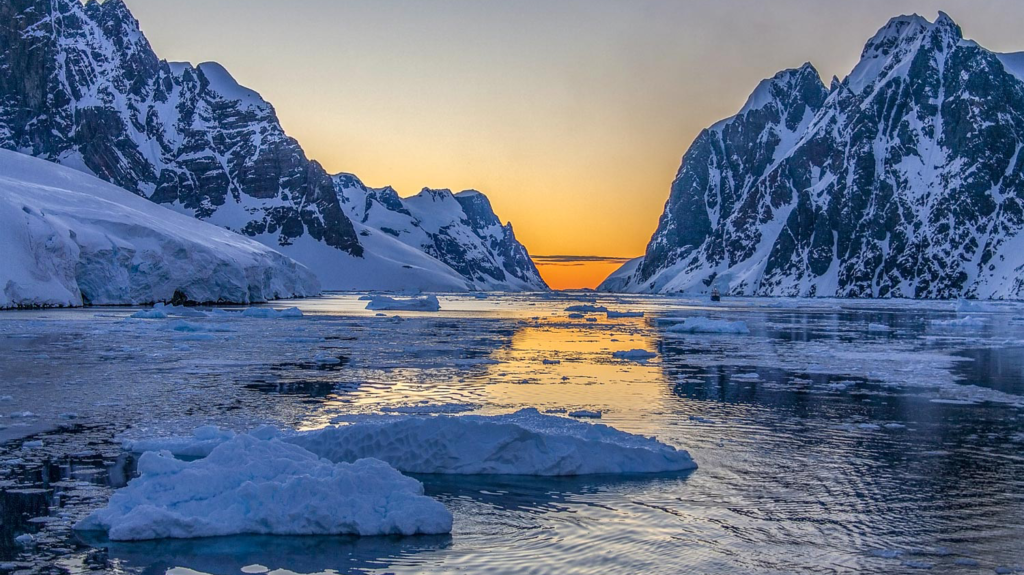
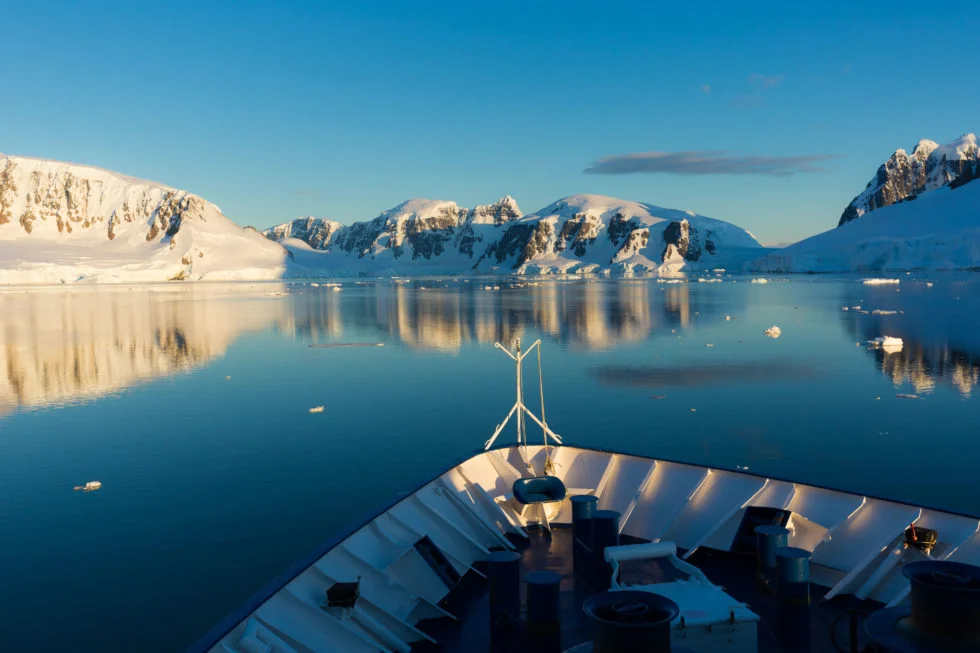
By ship, the journey to Antarctica is one of anticipation and wonder. Albatrosses, petrels, and whales appear. A day later, you encounter the first tabular icebergs. You have time to contemplate where you are, and the privilege of visiting this place apart. You’re witnessing lifeforms of mythic status: sperm whales, blue whales, humpbacks, and minkes.
When you arrive, your first views and your first landing bring a sense of joy at arrival, mingled with open-mouthed awe. How can the mountains be this vertical near the coast? How can these creatures survive in such raw harshness? The ice is crystal clear in places, and glacial blue in others. You may be hiking or snowshoeing in footsteps never taken by another human. It is a place for deep though and deep gratitude. Visiting Antarctica has changed us: we are more aware of the world’s beauty, more ready to stop and appreciate, more thankful for the generosity we find in nature.
Other Benefits:
Time Is On Your Side
Traveling to Central and South America from North America means no jet lag. Most destinations in South America are only one or two hours different from New York. Central America is the same or one hour off. You’ll find yourself adjusting very quickly—on arrival and return. You won’t experience the days of circadian disruption of travel to Europe, Africa, or Asia.
Flight times are much shorter. New York to Costa Rica takes less than five hours; you arrive with your day and your rhythms intact. Even a long overnight flight, say New York to Buenos Aires, is under eleven hours. Compare that to New York to Cape Town (15 hours) or New York to Tokyo (14.5 hours).
Central and South America offer the wild and the exotic, while still being located in North America’s own global neighborhood.
Reversed Seasons
When it’s winter in North America, you can enjoy summer in South America. Likewise, if it’s too hot in your hometown and you’d love to be on a ski slope, South America is ready. Near the equator, most destinations can be enjoyed year-round.
It’s no surprise that Europeans have been wintering in South America for generations. When the Alps are shuttered and the Mediterranean is grey, Patagonia shines with 18-hour days of golden light and the Antarctic Peninsula is open.
If winter darkness alters your mood, you’ll find summer sun within a day’s journey.
Other LANDED Recommendations for Wellness Travel:
How LANDED Creates Wellness Journeys
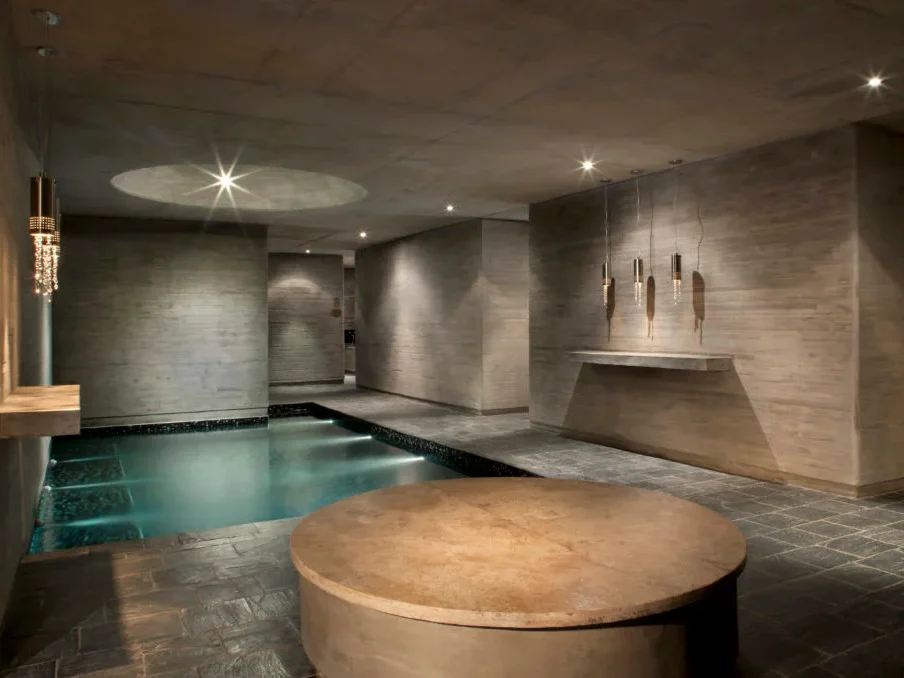
If wellness is a priority in your travels, you’ve found a like-minded collaborator in LANDED. We listen. We seek to understand. We craft a journey based on your wishes, your aspirations, and your style. Nothing programmatic. Nothing off-the-rack. No call centers and no catalogs. This is travel designed with human insight and with your best experience in mind.
Smile. You’ve LANDED.