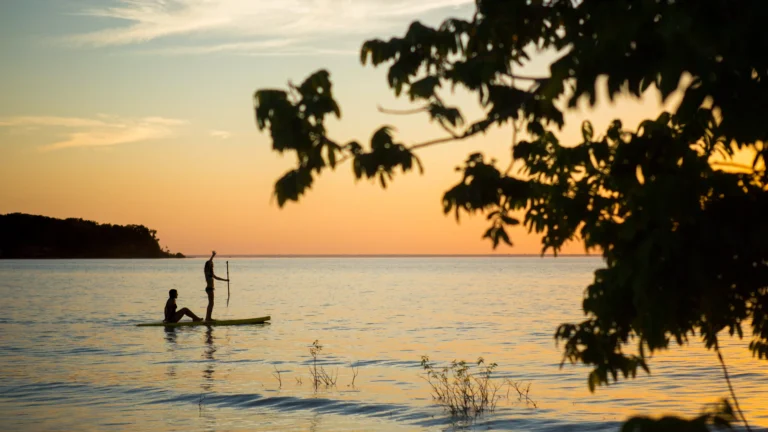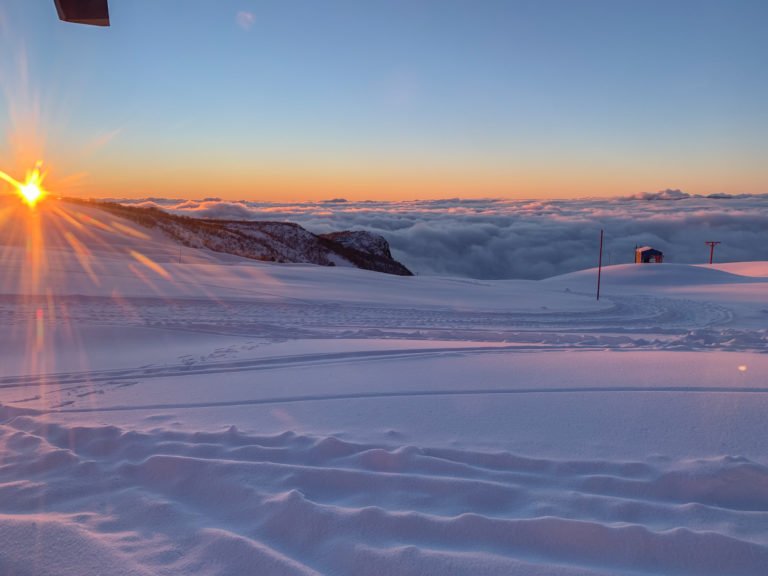
March is the month of transitions. In the Southern Hemisphere, the first cool nights arrive — not enough to close anything, but enough to remind the landscape that the remaining summer should be savored. The crowds of January and February have dispersed. The weather has not yet turned. Easter season approaches in Guatemala and Peru, bringing processions of extraordinary devotional beauty. In Central America, the Pacific dry season holds for its final weeks before the rains come in May, and the rivers run at ideal levels for whitewater. March rewards the traveler who prefers the room to themselves.
Central America
Osa Peninsula, Costa Rica
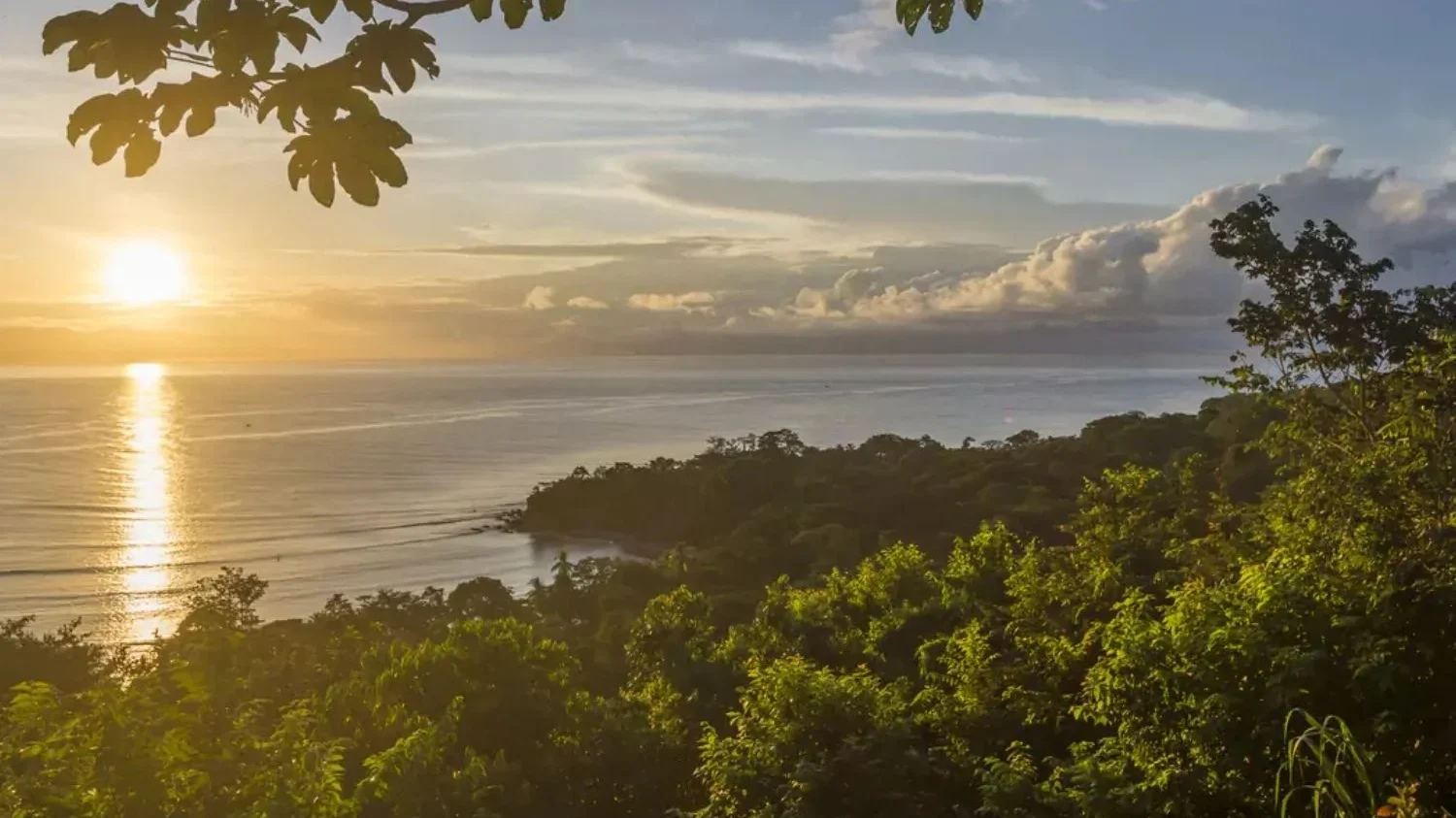
March’s final dry-season weeks on the Osa deliver the peninsula at its most accessible: the forest trails consolidated, the rivers manageable, the sky a reliable deep blue above the canopy that holds the most biologically dense forest in Central America. Scarlet macaws are nesting in March, their paired flights over the tree line among the most reliable wildlife sightings in the neotropics. The inshore fishing of the Golfo Dulce — roosterfish, snook, cubera snapper — peaks in March and early April.
Wildlife
Scarlet macaw nesting pairs; tapir in forest streams; jaguar tracks on Corcovado beaches at dawn
Natural Phenomenon
Final dry-season visibility underwater in the Golfo Dulce — nurse sharks in the shallows
Culinary
Roosterfish ceviche; hearts of palm salad; tropical fruit platters at dawn
Monteverde, Costa Rica
Monteverde’s cloud forest in March sits at the precise intersection of the dry season’s last weeks and the quetzal’s nesting season — making it the finest single month to visit this remarkable highland ecosystem. The resplendent quetzal, that emerald-and-crimson bird whose tail feathers once decorated Mesoamerican rulers and now drive serious birdwatchers to plan entire journeys around a single sighting, nests in the wild avocado trees of the Monteverde Biological Reserve from February through May. March mornings, before the clouds form over the continental divide, offer the clearest views and the longest quetzal sightings
Wildlife
Resplendent quetzal nesting season — the primary wildlife event of March in Central America
Natural Phenomenon
Cloud forest canopy walks — suspension bridges through epiphyte-laden trees above the mist line
Culinary
Artisan cheese from the Monteverde Cheese Factory (established by Quaker settlers in 1953); farm breakfasts
Belize
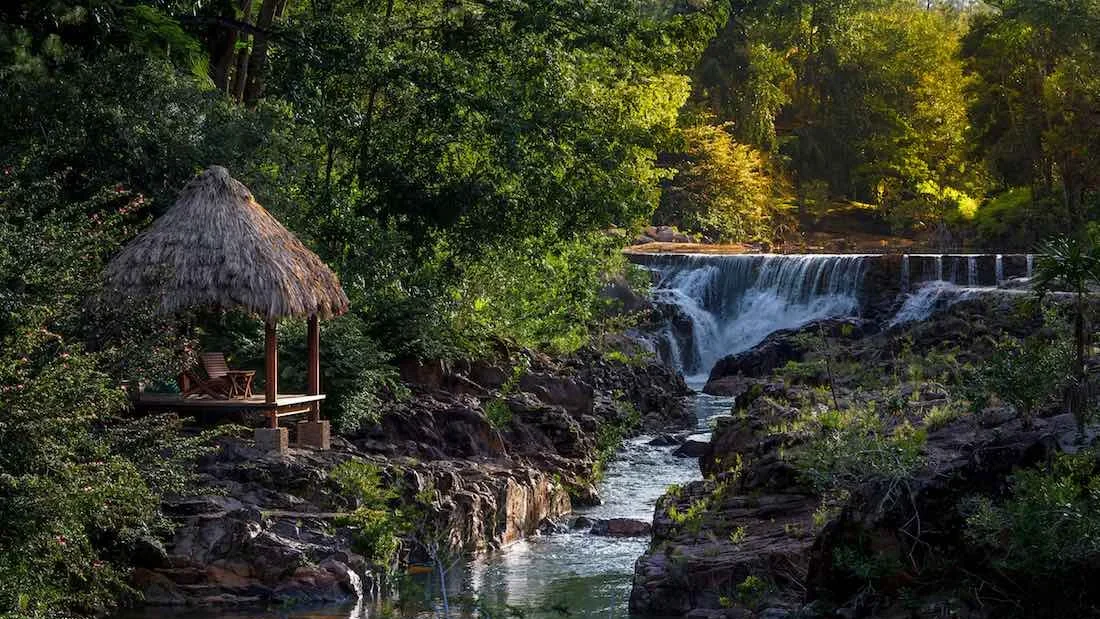
March continues Belize’s finest months — the dry season holding, the snorkeling and diving conditions at their peak, and the inland jungles beginning to show the first signs of the green that the approaching rains will deepen. The Easter week period brings cultural activity to towns across the country; the Garifuna communities of the southern coast practice drumming traditions that have been designated as UNESCO Intangible Cultural Heritage. Birding in the Mountain Pine Ridge reaches its peak in March, with toucans, trogons, and the increasingly rare ocellated turkey all reliably seen.
Wildlife
Ocellated turkeys; jaguar in the Cockscomb Basin Sanctuary
Natural Phenomenon
Garifuna drumming traditions; Belizean Easter processions in Dangriga
Culinary
Blue Hole visibility peak; underwater stalactite formations in the cenotes of the northern cayes
Guatemala
March in Guatemala is the beginning of Semana Santa season — the most extraordinary Holy Week celebrations in the western hemisphere, when Antigua’s streets are covered in intricate alfombra carpets of colored sawdust and flowers, and processions of hundreds carry enormous floats through streets so narrow the bearers must tilt their cargo to pass. Reservations in Antigua during Holy Week are among the most competed-for in Central American travel, and the experience of watching an alfombra completed at 3 AM — only to be walked over by the dawn procession — is one of the more moving encounters with living tradition available to the traveler.
Wildlife
Semana Santa alfombra carpets (begins in March with Domingo de Ramos); centuries-old cofradía tradition
Natural Phenomenon
Volcano Fuego activity visible from Antigua — lava flows at night from the hotel terraces
Culinary
Fiambre (November dish) gives way to Semana Santa bacalao stew; traditional incense ceremonies
Nicaragua
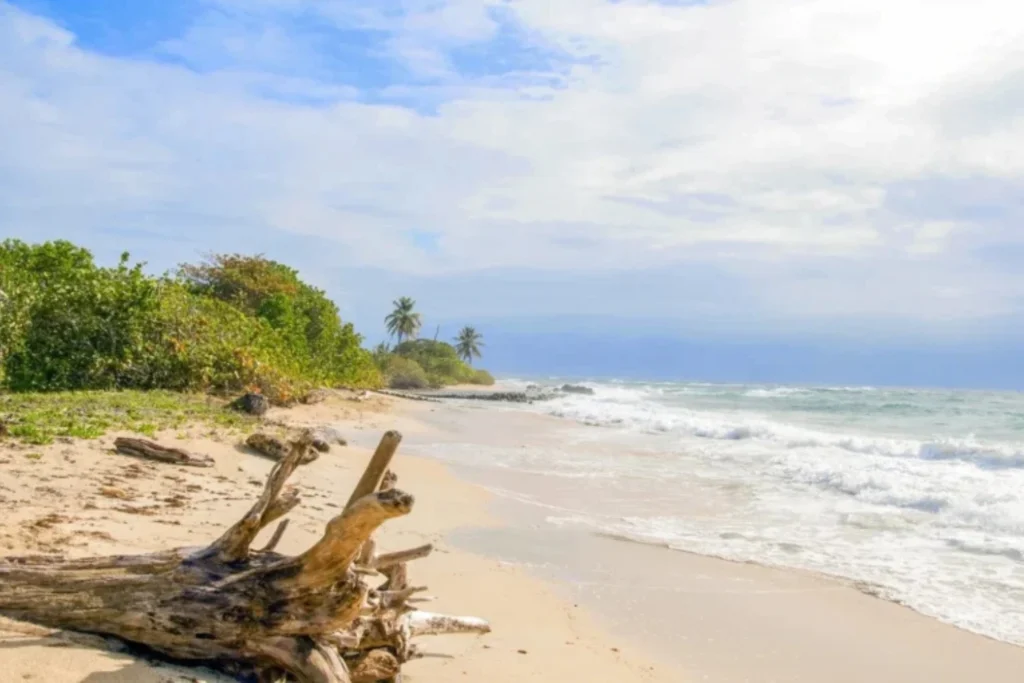
March in Nicaragua is the final month of deep dry season, and the Pacific lowlands have a particular golden quality — the vegetation thinned by months without rain, the heat building toward the April apex, the lakes and lagoons at their lowest and most concentrated with wildlife. The Indio Maíz Biological Reserve on the Caribbean coast offers river-canoe access to one of the least disturbed rainforests in Central America; the volcanic island of Ometepe in Lake Nicaragua rewards active travelers with hiking, kayaking, and petroglyph trails through coffee farms.
Wildlife
Tapir and jaguar; manatees in the San Juan River delta
Natural Phenomenon
Lake Nicaragua’s freshwater sharks (bull sharks adapted to freshwater) — rare but real
Culinary
Ometepe petroglyphs; Nicaraguan artisan pottery in the Masaya craft market
Panama
March is dry season in Panama’s Pacific provinces, and the Azuero Peninsula — home to Panama’s most traditional folkloric culture — holds festivals in the weeks surrounding Carnaval’s aftermath. The Pearl Islands, accessible by fast boat from Panama City, offer beaches of extraordinary solitude and fishing for black marlin and roosterfish that has been drawing serious anglers since Zane Grey visited in the 1930s.
Cultural
Azuero folkloric festivals; pollera national dress tradition; Panamanian carnival aftermath celebrations
Wildlife
Black marlin season in the Pearl Islands; humpback whales on Pacific routes
Culinary
Pearly Island lobster; Panamanian ceviche with ají chombo; local craft rum distilleries
Honduras
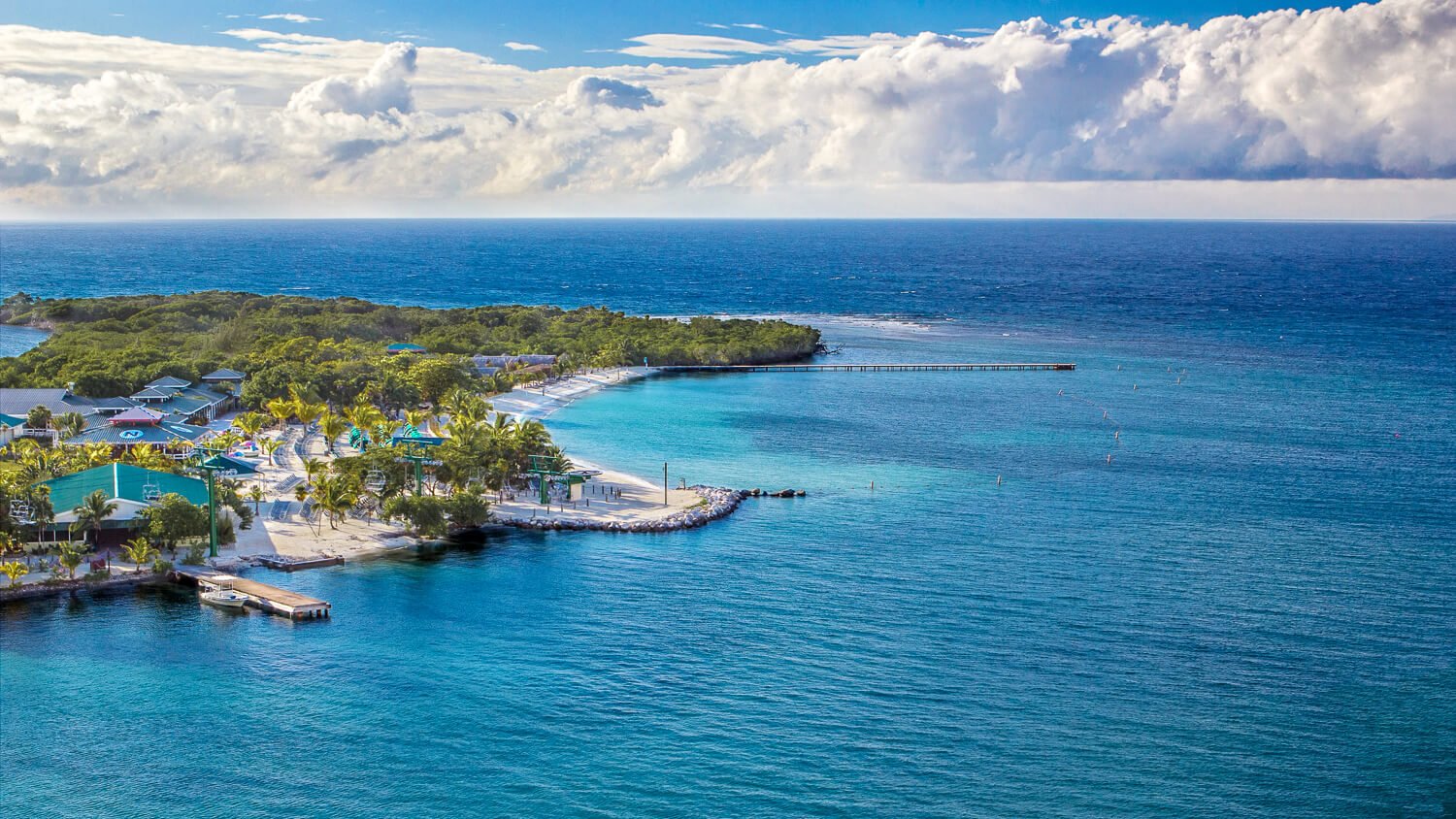
March brings Honduras’s dry season to its final reliable weeks, and the dive conditions on the Bay Islands remain exceptional. Roatán’s West End Wall — a sheer coral drop to 30 meters along the island’s western shore — is among the finest accessible dive sites in the Western Hemisphere, and March’s visibility of 25–30 meters makes it the equal of anything in the Maldives at a fraction of the cost and crowd.
Wildlife
Whale shark season continues through April at Utila; eagle rays at Roatán Wall
Natural Phenomenon
West End Wall coral formation — one of the most impressive accessible dive sites in the Americas
Culinary
Garifuna hudut coconut fish stew; fresh lionfish tacos (the invasive species turned into a conservation dining solution)
Colombia
March in Colombia is the transition between the Caribbean dry season and the first equatorial rains — a brief interstitial period when the country is at its most balanced. Medellín, city of the eternal spring (its climate consistent at around 22°C year-round), becomes the focus of the Feria de las Flores preparations. The Tayrona National Park on the Caribbean coast — accessible from Santa Marta — offers trails through dry tropical forest to secluded beaches where the Sierra Nevada de Santa Marta descends directly into the Caribbean, the snow-capped peaks of South America’s highest coastal mountains visible from the shoreline on clear mornings.
Wildlife
Tayrona National Park — howler monkeys, capuchin monkeys; snorkeling among coral heads
Natural Phenomenon
Sierra Nevada de Santa Marta — highest coastal mountain range in the world, visible from sea level in March’s clear air
Culinary
Santa Marta fresh fish and coconut rice; Bogotá’s Leo Cocina y Cava tasting menu; local ají amarillo variations
Brazil
Rio de Janeiro
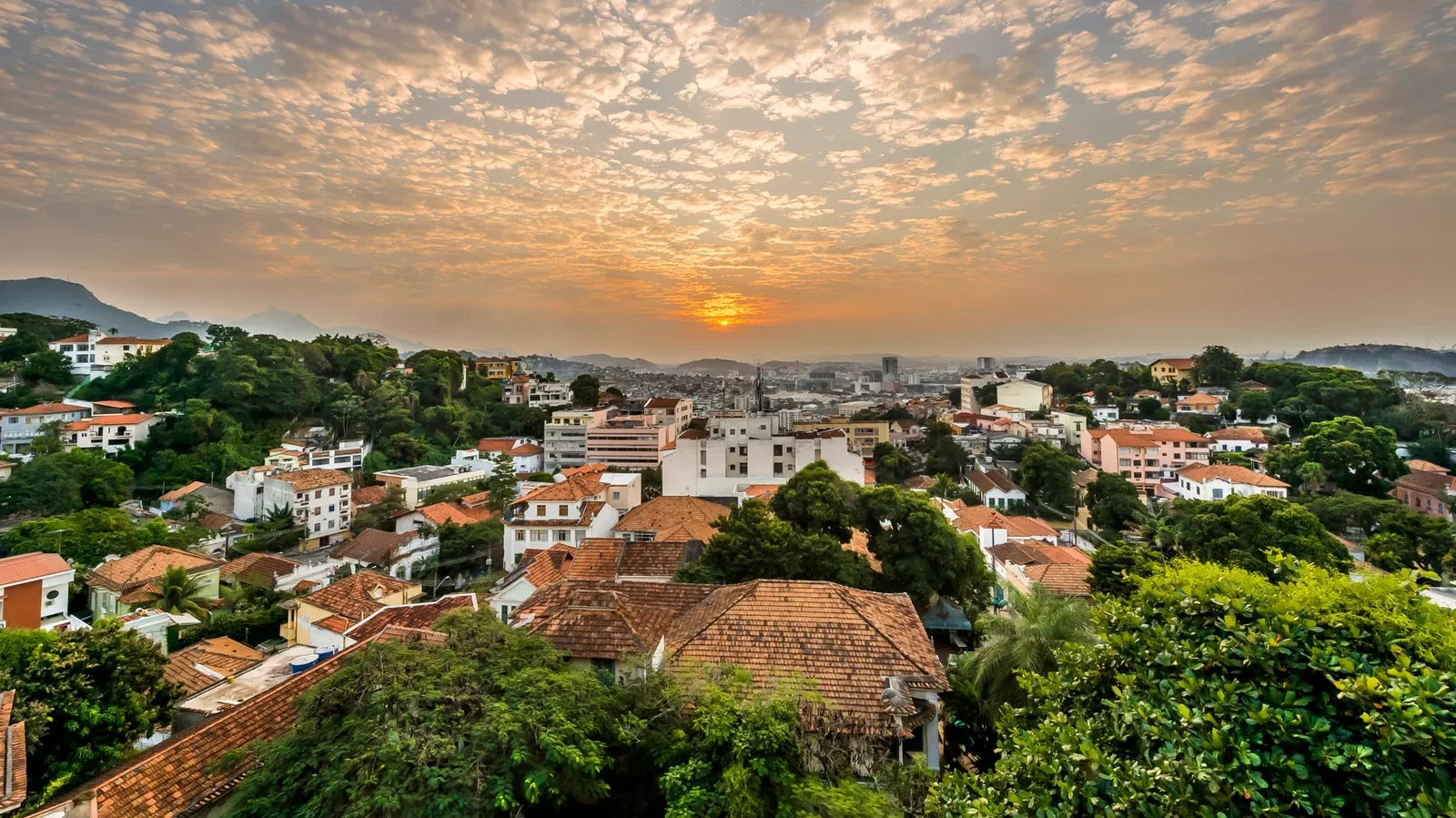
Post-Carnival Rio in March exhales. The city returns to its beautiful, complicated self — the Carnival scaffolding gone, the neighborhood blocos packed away, the residents resuming the particular quality of everyday life that makes Rio one of the world’s most compelling cities to inhabit even for a few days. The beaches remain perfect; the cultural institutions — the Museu do Amanhã in the revitalized port area, the Instituto Moreira Salles, the Parque Lage arts complex — are less crowded than in January or February. March heat is moderated by afternoon showers that clear quickly.
Cultural
Museu do Amanhã; Lapa neighborhood nightlife returning to normal intensity; favela community art projects
Culinary
Post-Carnival restaurant openings; Roberta Sudbrack’s seasonal menus; fresh açaí in the botanical garden neighborhood
Natural Phenomenon
March afternoon showers clearing to extraordinary sunsets over Pão de Açúcar
Trancoso, Bahia
March in Trancoso is the final month of the Bahian summer season, and the village holds its most relaxed version of itself — still warm, still beautiful, the beaches at Nativos full of Brazilian families in their last week before the school year returns everyone to routine. The cooking in the village restaurants reaches a kind of informal peak in March: chefs who have been cooking for discerning guests since December are at the height of their seasonal confidence, and the moquecas, the grilled fish, the caipirinhas built with whatever Bahian fruit is peaking in the market that week are at their best.
Culinary
Peak-season Trancoso cooking — fresh lobster, shrimp moqueca, Bahian chocolate desserts
Natural Phenomenon
March equinox light — the sun rising directly off the Atlantic across the Nativos beach
Cultural
Pataxó indigenous community visits at the Coroa Vermelha settlement
Peru
Machu Picchu
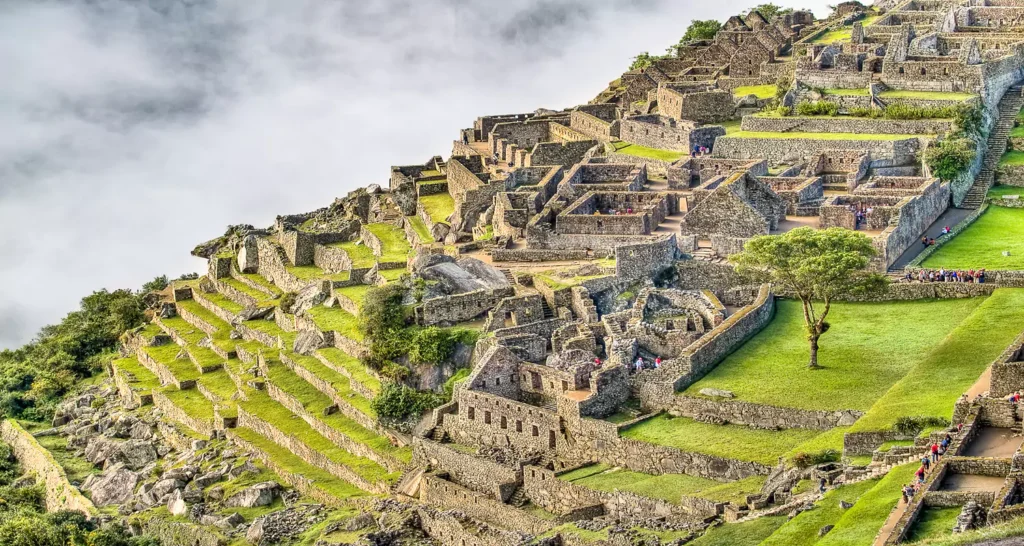
March is the final month of Peru’s highland wet season, and Machu Picchu continues to offer the particular beauty of a place shrouded and revealed in turn by cloud. The Inca Trail is open and running at reduced capacity — the crowds of July and August entirely absent, the orchid season in the cloud forest approaching its peak as the rains begin to ease. The Sun Gate at Intipunku, reached after the Inca Trail’s final climb, delivers the classic first view of Machu Picchu in a light that the dry season never quite replicates.
Wildlife
Cloud forest orchid season — over 300 orchid species in the surrounding Machu Picchu Historical Sanctuary
Natural Phenomenon
Cloud forest orchid season — over 300 orchid species in the surrounding Machu Picchu Historical Sanctuary
Culinary
Seasonal collaborations at some of our favorite hotels in Aguas Calientes
Cusco & Sacred Valley
March in the Sacred Valley catches the valley between seasons — the hillside terraces still emerald from the rains, the Urubamba River running full and fast, the morning light coming in at a low angle that turns the stone of Ollantaytambo’s fortress a warm amber. Cusco’s Semana Santa celebrations rival those of Antigua in their devotional intensity: the procession of El Señor de los Temblores through the city’s Inca-walled streets is one of the most remarkable spectacles in South America, drawing Peruvian pilgrims from throughout the country
Cultural
Cusco Semana Santa — El Señor de los Temblores procession; sacred valley weaving community visits
Natural Phenomenon
Valley in final wet-season green — the terraces at their most lush; Urubamba at full flow
Culinary
Quinoa in its native valley; chicha de jora prepared traditionally; Cusco’s MIL restaurant tasting menu
Galapagos Islands, Ecuador
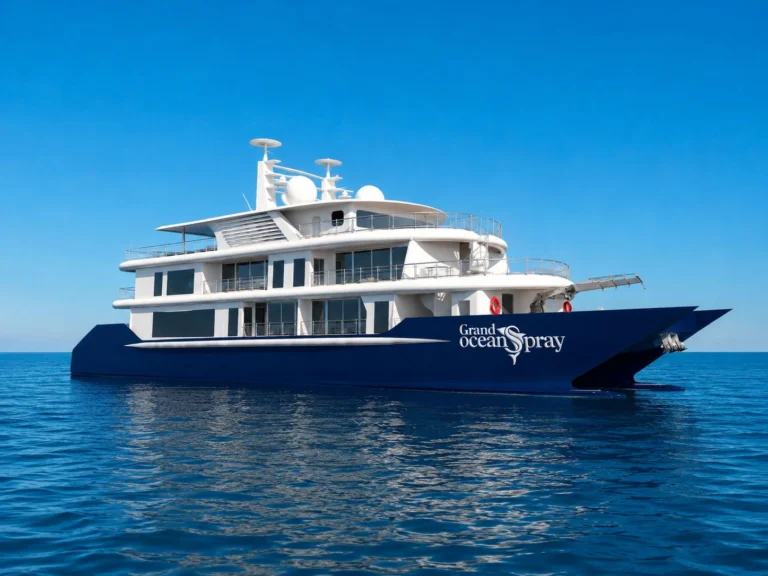
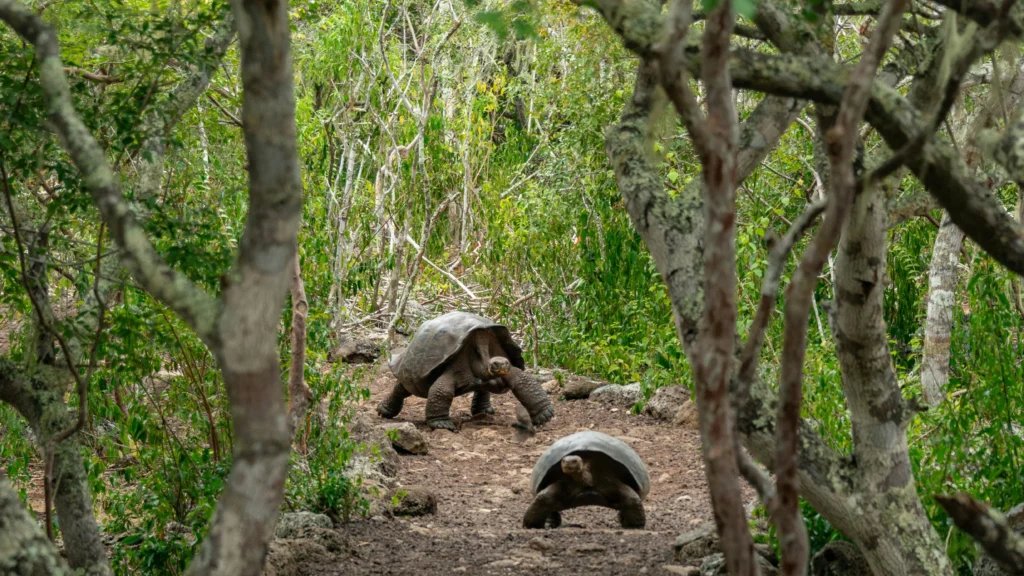
March is the warm season’s peak in the Galapagos — water temperatures at 78 to 80°F, skies clear, the islands’ animal residents at their most active. The waved albatross begins returning to Española Island in late March, arriving after months at sea to re-form pair bonds with their lifelong mates in bill-clapping courtship duets audible across the colony. Land iguanas on Santa Cruz and Isabela are nesting, and the giant tortoises of the highlands are completing their breeding season. Snorkeling conditions are at their annual finest.
Wildlife
Waved albatross arriving at Española (late March); giant tortoise breeding season; sea lion pups
Natural Phenomenon
Warm-season water clarity — best snorkeling of the year; hammerhead shark schools in the northern islands
Culinary
Fresh ceviche and sashimi aboard expedition vessels; Santa Cruz highland coffee
Bolivia – Uyuni Salt Flats
March is the final month of the wet season at Uyuni, and the mirror effect on the salar is still fully active — the shallow water layer reflecting the sky in the total, seamless way that photographs cannot quite prepare you for. The transition from wet to dry happens in April, and the early April traveler catches a different beauty: the water receding to leave geometric salt polygons drying in patterns that look like planetary geology, the flamingo colonies still present on the peripheral lagoons.
Wildlife
Flamingo colonies on Laguna Colorada; vicuña herds on the altiplano approaches
Natural Phenomenon
Final month of mirror-effect season; transition patterns visible at salar edges
Culinary
Salt hotel dining; Potosí colonial silver-era gastronomy; quinoa in everything
Chile & Argentina
Easter Island (Rapa Nui)
March on Easter Island follows Tapati Rapa Nui’s February peak, and the island settles into a quieter version of itself — still warm (the warmest month of the year in terms of ocean temperature), the moai platforms visited at a pace that allows genuine contemplation. The Rano Raraku quarry, where hundreds of unfinished moai lie as if work stopped mid-sentence, rewards early morning visits when the light comes in from the east and the stone holds the dawn for a long moment before the day begins.
Cultural
Post-Tapati quiet — moai sites largely to yourself in the weeks after the festival ends
Natural Phenomenon
March ocean temperatures at their warmest — best swimming and snorkeling of the year
Culinary
Umara (sweet potato) dishes; fresh tuna and mahimahi; local pineapple-based chicha
Mendoza & Chile’s Wine Country
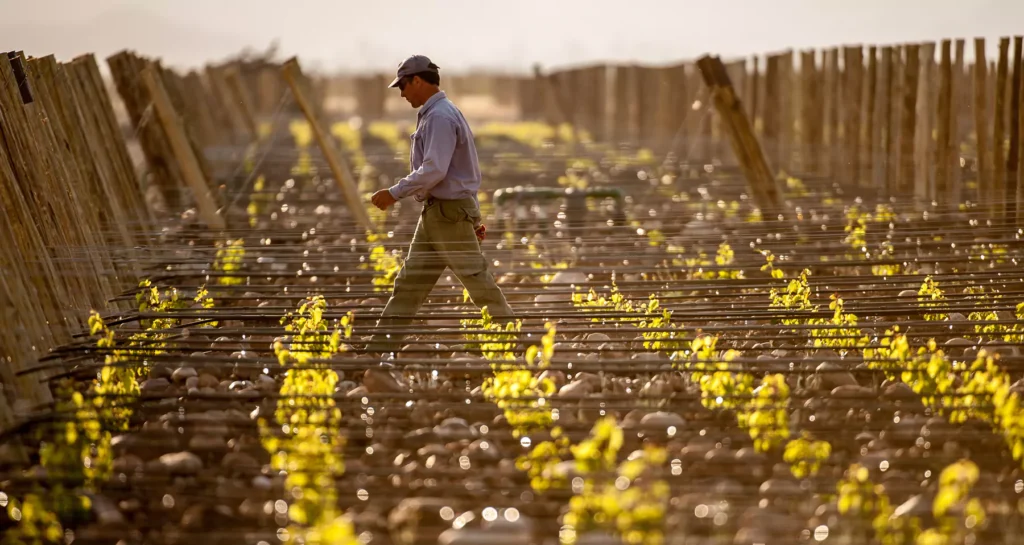
March is the Vendimia harvest festival in Mendoza — Argentina’s most important wine celebration, taking place on the first weekend of March with concerts, parades, and the crowning of the harvest queen in the amphitheater of the main plaza. The valleys of Chilean wine country are simultaneously at peak harvest, the Carmenere and Cabernet grapes picked in the cool morning hours and processed through the day in a controlled choreography of pressing and fermentation that the finest estates now offer as an immersive guest experience.
Cultural
Vendimia harvest festival in Mendoza — first weekend of March; harvest queen crowning ceremony
Culinary
Harvest Malbec at source; Carmenere — Chile’s signature grape — at harvest; farm asado lunches
Natural Phenomenon
Harvest dawn in the Valle de Uco — Andes pink behind the vineyards at 5 AM
Buenos Aires
March is arguably Buenos Aires’s finest month — the summer sun of January and February easing, the city’s intellectual and cultural life returning to full intensity after the holiday exodus, and the restaurants and tango venues operating with the considered ease of a city that has been perfecting the art of the evening for a century. The Palermo neighborhood’s restaurant scene — which includes some of the most sophisticated dining in South America — is best experienced in March, when chefs return from summer breaks with new seasonal menus and the energy of renewed purpose.
Cultural
Buenos Aires tango milongas in San Telmo and Palermo — authentic, not staged; contemporary art galleries returning from summer hiatus
Culinary
Parillas and tasting menus; Palermo wine bars
Natural Phenomenon
March temperature — the ideal window between summer sun and autumn cool
Salta & the Northwest
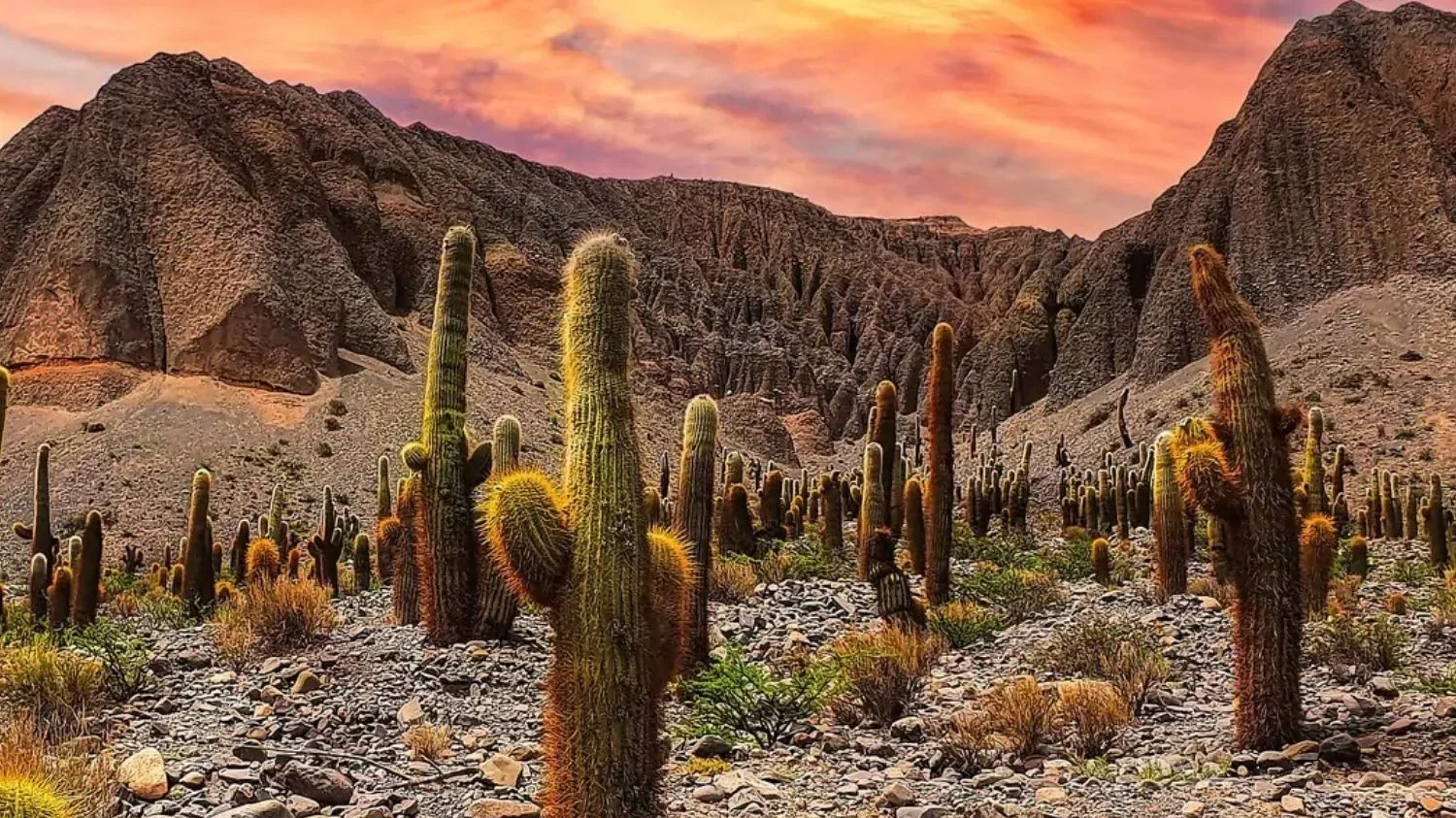
Salta in March occupies the extraordinary borderland between Andean and lowland Argentina — the city itself a colonial jewel of Spanish baroque architecture, the surrounding landscape one of the most geologically spectacular in South America: the Quebrada de Humahuaca (a UNESCO World Heritage canyon), the multi-colored Cerro de los Siete Colores, the salt flats and llama herds of the high altiplano, and the cloud forests of the Yungas on the eastern slopes of the Andes where orchids bloom in March’s retreating rains.
Cultural
Quilmes pre-Columbian ruins; Calchaqui Valley crafts and textiles; colonial Jesuit architecture in Salta city
Natural Phenomenon
Cerro de los Siete Colores (Hill of Seven Colors) in Purmamarca; Quebrada de Cafayate wine valley red rock formations
Culinary
Locro stew; humita en chala; Torrontés white wine from the Calchaqui Valley vineyards
Northern Patagonia
March in Northern Patagonia is autumn arriving on schedule — the lenga beech forests of Nahuel Huapi and the surrounding parks beginning their annual transformation into golds and reds that rival the North American fall foliage and occur in a landscape of vastly greater drama. The fishing season continues through April, and March’s slightly cooler temperatures make fly-fishing on the Limay, Traful, and Chimehuin rivers more comfortable than the summer months. The lakes hold their blue through autumn.
Natural Phenomenon
Autumn lenga beech color — among the world’s most spectacular fall foliage, in a mountain-and-lake setting
Culinary
Wild mushroom season beginning in March; Patagonian lamb in autumn preparations; craft cider in the Lake District
Wildlife
Brown trout and rainbow trout fly-fishing on the Chimehuin River; huemul deer more visible in autumn
Southern Patagonia — El Calafate and El Chalten
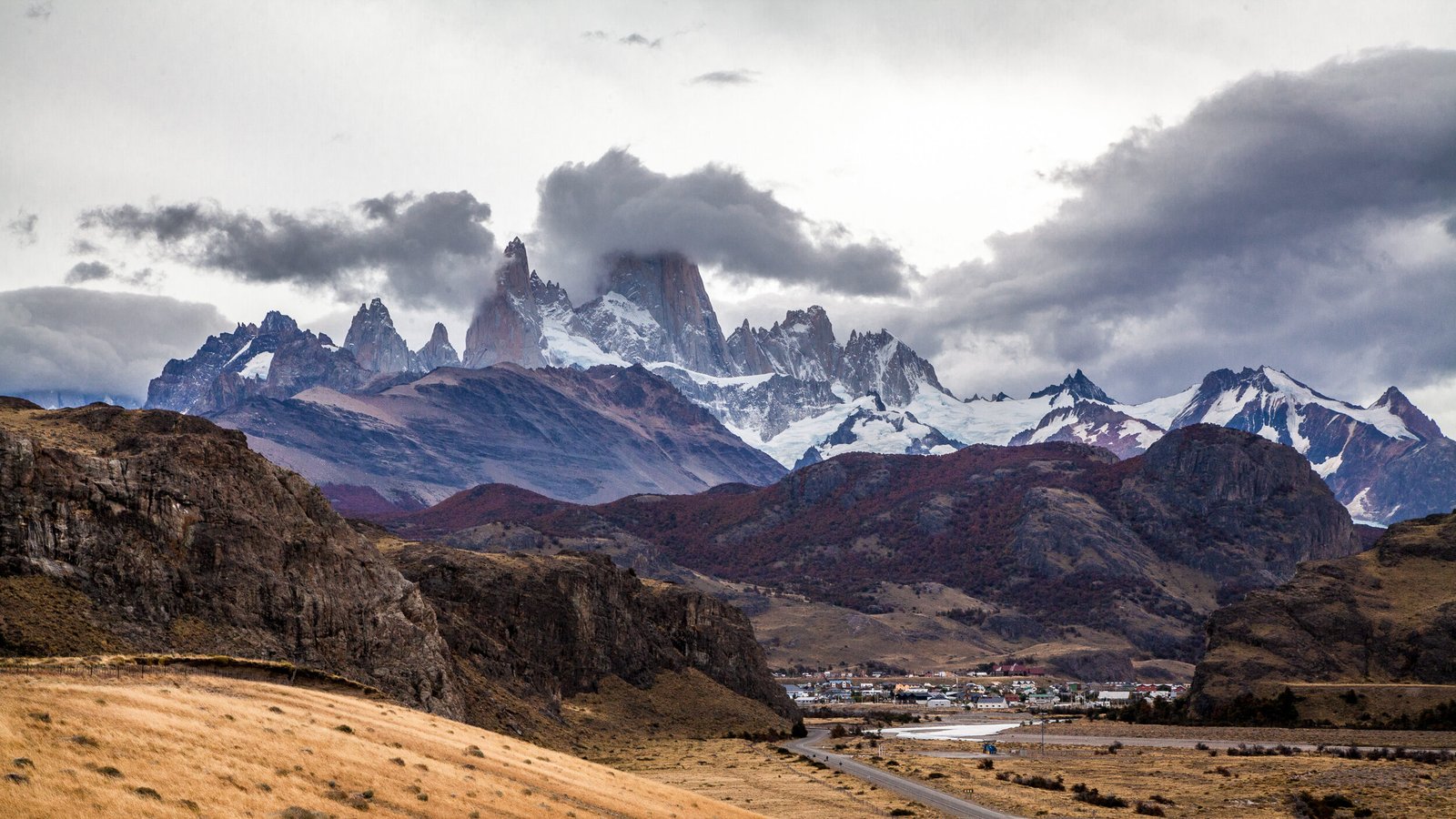
March is the beginning of the autumn transition — the lenga beech turning to gold, the winds moderating slightly from their February peak, and the region entering its shoulder season when trekkers who have waited out the summer crowds find the trails to themselves and the light doing things to the landscape that a midsummer sun cannot. Wildlife activity picks up as guanaco herds begin their seasonal movements.
Natural Phenomenon
Autumn color in the Patagonian beech forests — golds and reds against granite towers and glacial lakes
Wildlife
Puma hunting activity increases as guanaco herds shift; condors riding thermals above the towers
Culinary
Centolla (king crab) season; lamb in the parrilla tradition
Uruguay – Garzón
Garzón is a village of perhaps 200 residents in the rolling hills of inland Uruguay, and the fact that Francis Mallmann chose it as the home of his restaurant and hotel gives some indication of what is possible in a country that has been systematically undervalued in the South American travel conversation. The dining room — a converted farmhouse opening to a garden — serves food made over fire in the tradition that Mallmann has spent a career developing: whole vegetables blackened in their skins, lamb slow-cooked on parrilla crosses, ingredients of impeccable provenance treated with the respect that simplicity requires.
Cultural
Uruguayan gaucho estancia tradition; artisan shops in Garzón village
Natural Phenomenon
Autumn light on the Uruguayan hill country — rolling, golden, and entirely unhurried
Culinary
Francis Mallmann’s Garzón restaurant — one of the world’s great dining experiences; Bodega Garzón vineyard lunch
Iguazu Falls — Argentina & Brazil
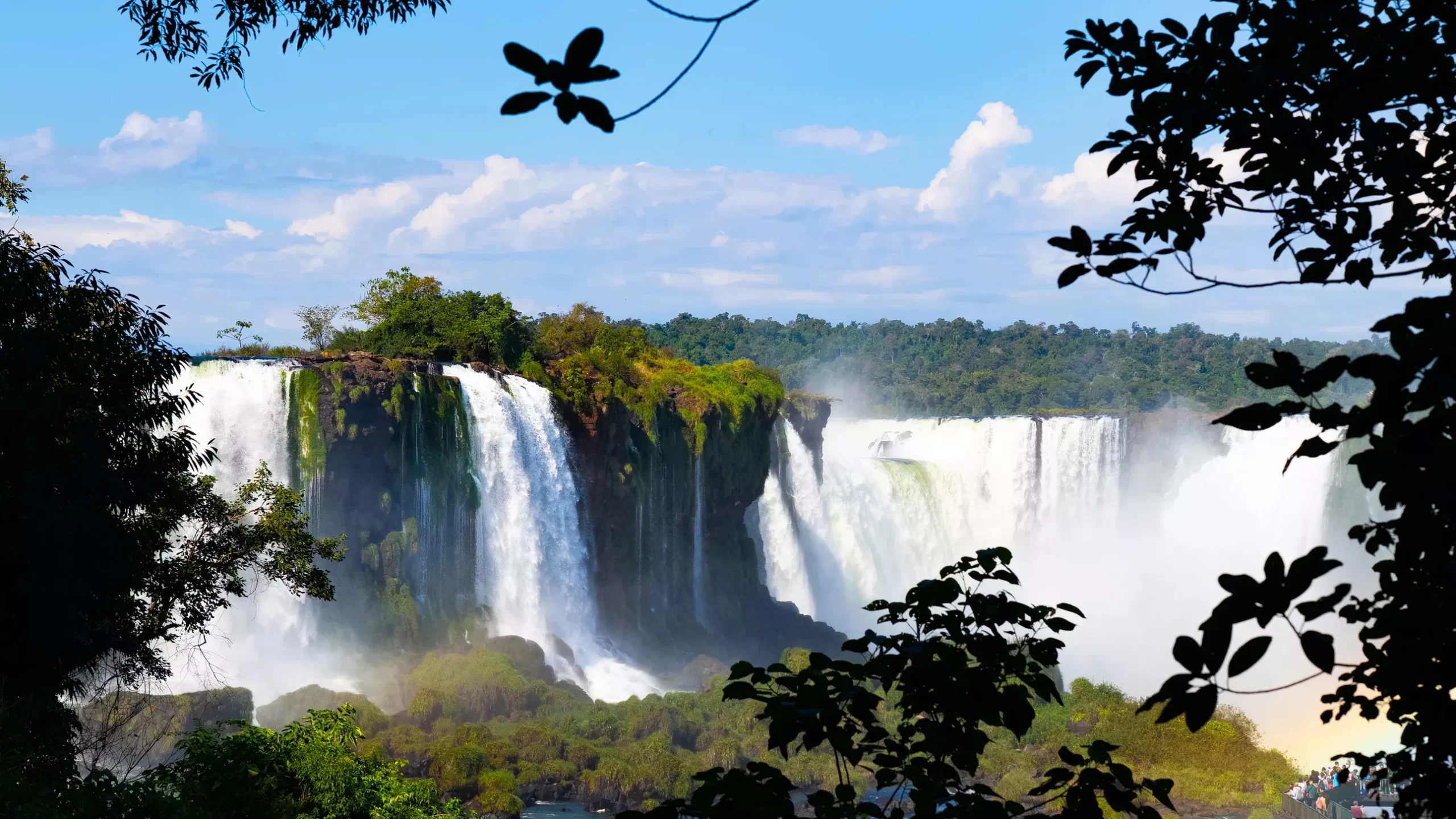
The Iguazu Falls, straddling the border of Argentina and Brazil in a 2.7-kilometer arc of 275 cascades, are at their most powerful in March and April — the wet season rains in the upper Paraná basin arriving at the falls in a volume that transforms the Garganta del Diablo, the Devil’s Throat, into something that approaches the sublime rather than merely the spectacular. The walk along the Argentine Lower Circuit brings you close enough to feel the spray from falls that are wider than Niagara and nearly twice as tall; the panoramic view from the Brazilian side reveals the full scale in a single image.
Natural Phenomenon
March peak flow — the Garganta del Diablo at maximum intensity; rainbow formation guaranteed with afternoon sun
Wildlife
Toucans, coatis, and capuchin monkeys along the Argentine circuit trails; great dusky swift nesting behind the falls
Culinary
Argentine parilla in Puerto Iguazú; Guaraní traditional food at community-run restaurants
Why Book in Advance
March represents the golden shoulder between Southern Hemisphere summer and autumn — and the travel industry is catching on. Torres del Paine sees increasing March bookings as summer crowds push travelers into shoulder months; the park’s best lodge accommodation is now filling in March at rates comparable to January. Buenos Aires hotels during the Vendimia weekend fill a full year in advance. Easter week in Guatemala and Cusco requires reservation for any quality accommodation up to twelve months ahead. Galapagos expedition vessel berths for March book out nine to twelve months in advance. The early-booking advantage has never been more pronounced.
READY TO PLAN YOUR JOURNEY?
Our LANDED travel designers craft bespoke itineraries for discerning couples, families, and multi-generational groups — blending deep regional knowledge with privileged access to the places, people, and experiences that define each destination.