January tilts the Southern Hemisphere toward the sun, and everything that implies becomes visible in the landscape. In Central America the dry season has settled firmly over the Pacific coast, leaving skies of a clean and cloudless blue. Further south, the Andes catch the longest days of the year on peaks that have been waiting since June. In Antarctica, the White Continent is fully open: expedition vessels moving among icebergs lit in colors that have no names. This is a month of access and abundance, and the traveler who comes prepared to stay curious will find it overflowing.
Central America
Guanacaste, Costa Rica
The dry season has settled over Guanacaste’s savannas, and the Pacific turns a flat, brilliant cerulean under skies that hold no clouds for weeks. Scarlet macaws fill the branches of sprawling guanacaste trees, their brilliant reds and yellows improbable against the bleached landscape while the beaches of Papagayo and Tamarindo are at their calmest and sail fishing peaks offshore. The luxury villas and hotels of the Papagayo Peninsula offer a rare combination of seclusion and access, with wellness programs, horseback adventures, and sunset catamaran excursions built into unhurried days.
Wildlife
Scarlet macaws, leatherback turtles on Playa Grande, howler monkeys at dawn
Natural Phenomenon
Dry-season light — golden, lateral, unfiltered by clouds
Culinary
Fresh ceviche de corvina, farm-to-table gallo pinto, papaya and star fruit at breakfast
Osa Peninsula, Costa Rica
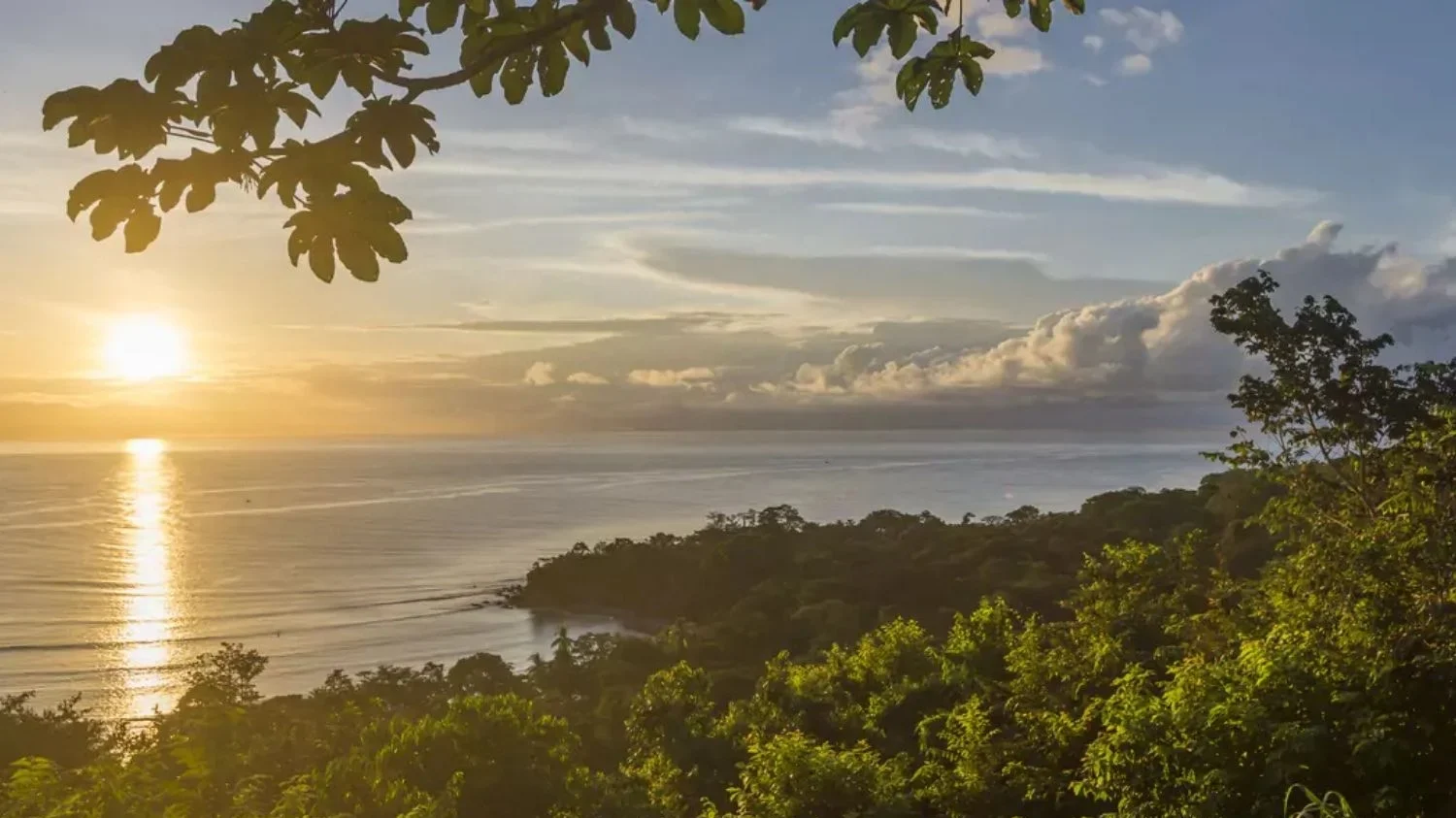
January is among the finest months on the Osa. The most remote and biologically extraordinary corner of Costa Rica, where Corcovado National Park harbors what may be the densest concentration of biodiversity in Central America. The rivers are passable, the trails dry enough for long forest walks, the nights cool enough to sleep with the window open to the sound of the forest doing what the forest does when no one is managing it. Harpy eagles watch these canopies; four species of sea turtle nest on nearby beaches; the Golfo Dulce lights up with bioluminescent plankton after dark. Lodges here operate on small-group principles, and January fills their calendars quickly.
Wildlife
Harpy eagle, jaguar, white-lipped peccary, four species of sea turtle
Natural Phenomenon
Bioluminescent plankton in the Golfo Dulce — best seen by kayak at new moon
Culinary
Catch-and-cook fishing excursions; Tico rice and beans cooked with coconut milk
Guatemala
January’s dry season casts the morning light over Antigua at a long, gold angle through Spanish colonial archways, and Lake Atitlán holds its volcanic reflection in a sacred bowl during the windless early hours. The living Maya textile traditions of the highlands, the color-saturated market at Chichicastenango, the backstrap loom weavers of Santiago Atitlán, the jade workshops of Antigua. This places reward the kind of slow attention that transforms travel from tourism into education. The ruins of Tikal, accessible by light plane from Flores, emerge from Petén jungle mist as toucans and parrots begin their morning arguments.
Cultural
Living Maya weaving cooperatives; Chichicastenango market on Thursdays and Sundays
Culinary
Pepián negro, black bean tamales, fresh-roasted Huehuetenango single-origin coffee
Wildlife
Resplendent quetzal in the Biotopo del Quetzal cloud forest reserve
Panama
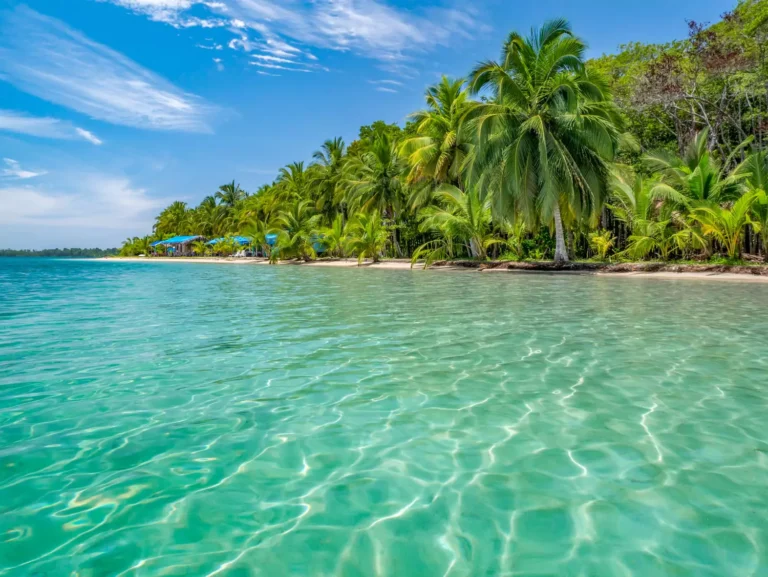
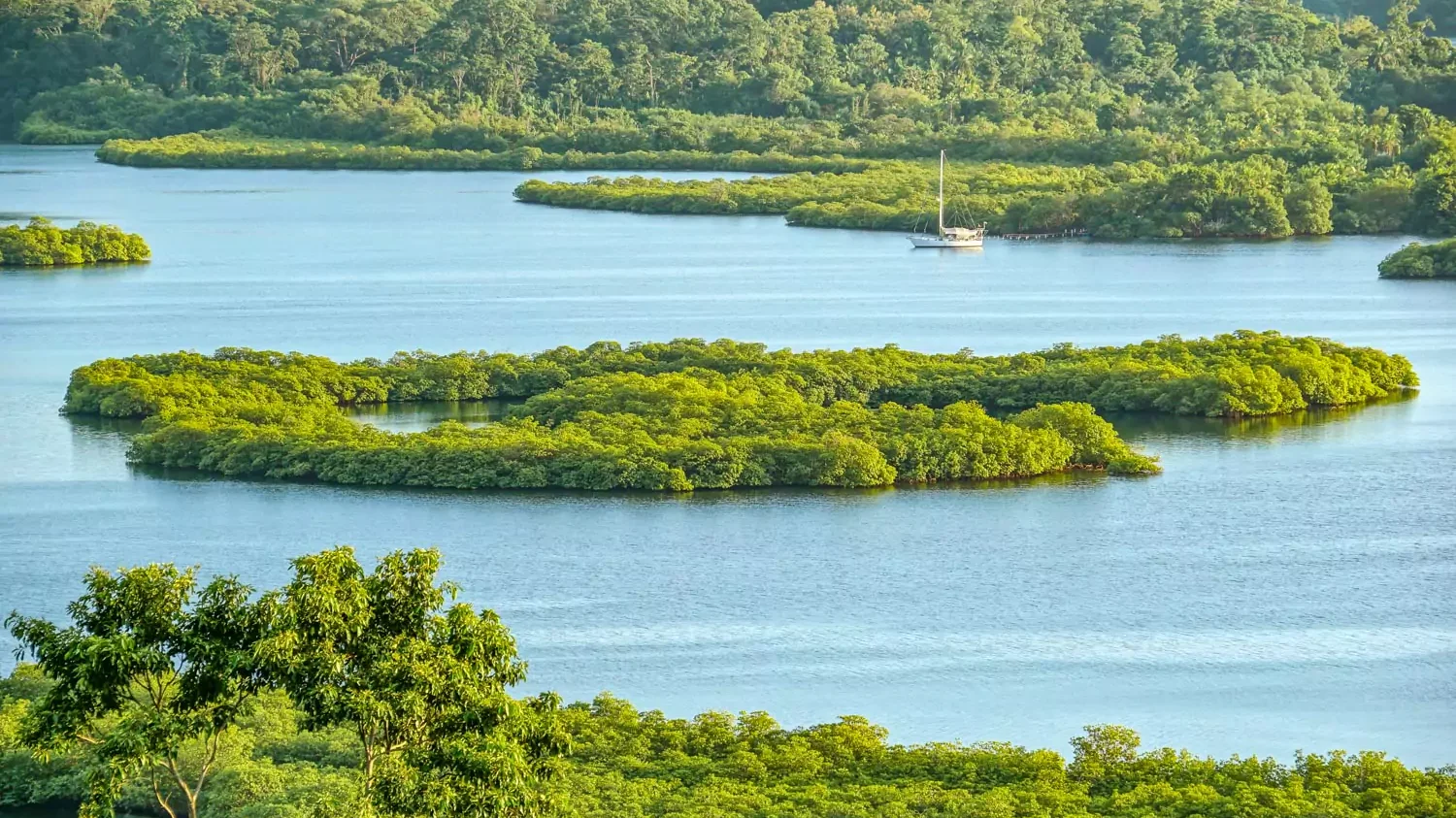
January’s dry Pacific brings clear, low-humidity days across much of Panama, ideal for exploring the country’s underrated ecological wealth. The San Blas Archipelago, governed autonomously by the Kuna people, offers flat seas and extraordinary reef visibility from private yacht and catamaran charters, each morning in a different uninhabited cove. Panama City’s Casco Viejo holds some of Latin America’s most thoughtfully converted colonial boutique hotels and a restaurant scene serious enough to anchor a journey on its own.
Cultural
Kuna Yala autonomous governance; mola textile art purchased directly from artisans
Wildlife
Harpy eagle in the Darién; humpback whales on the Pacific coast (Dec–March)
Culinary
Sancocho de gallina, corvina ceviche, Panamanian single-origin chocolate
Honduras
Honduras rewards the traveler willing to look past its underdog status in Central American tourism, and January, peak dry season, is when it looks its most generous. The Bay Islands hover above the Mesoamerican Reef in water whose January clarity reaches thirty meters, and the whale sharks that aggregate around Utila from November through April make diving here one of the hemisphere’s most thrilling encounters. Copan, the Maya archaeological site near the Guatemalan border, rewards morning arrivals when mist still clings to the acropolis and the scarlet macaws roosting in surrounding trees are waking into their daily chatter.
Wildlife
Whale sharks off Utila; hawksbill turtles; scarlet macaws nesting at Copán
Cultural
Copán’s hieroglyphic stairway — the longest Maya text ever carved
Culinary
Coconut-braised fish with tajadas; baleadas; local cacao in the Copán highlands
Colombia
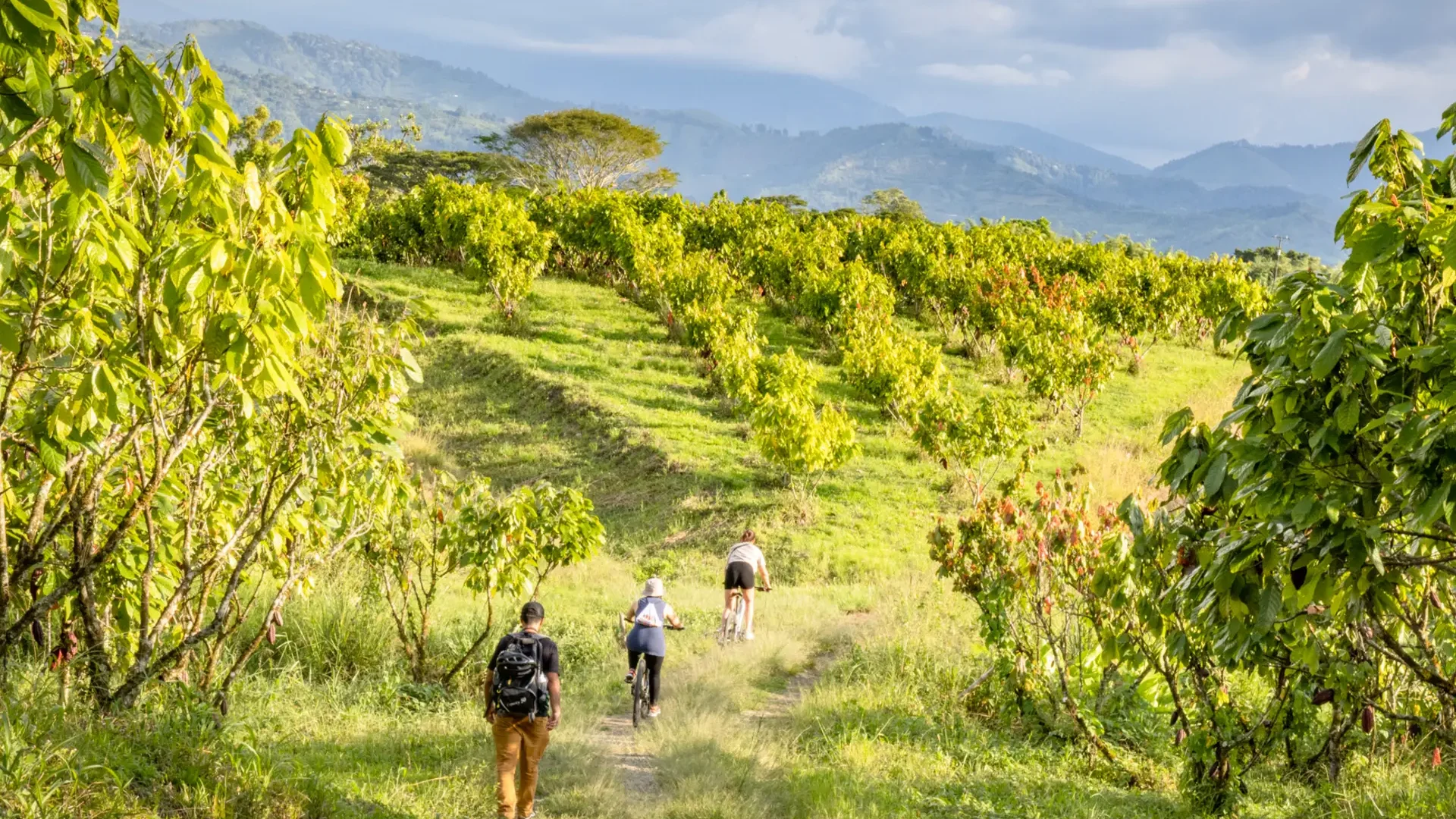
January is deep dry season along Colombia’s Caribbean coast and in its Andean interior, and the country wears the weather with graceful ease. Cartagena’s Walled City, sixteen kilometers of coral and limestone enclosing a living colonial city of uncommon beauty, receives cinematic light between December through April: sharp, lateral, and clarifying. The Coffee Region unfolds across Andean hillsides of theatrical green, best explored at the pace of a heritage hacienda where coffee is still processed by hand and evenings cool to sweater temperature. In the Llanos Orientales, January’s dry season concentrates wildlife around remaining water sources in displays that rival the Serengeti.
Cultural
Cartagena UNESCO Walled City; vallenato music tradition in the coastal towns
Wildlife
Llanos Orientales — 800+ bird species, capybara, jaguar, anaconda
Culinary
Bandeja paisa; coastal seafood stews; El Cielo and Celele tasting menus in Medellín
Peru
Machu Picchu
January falls in the Peruvian highland wet season, but the traveler who understands that rain and mist can add ambiance and mystery will find Machu Picchu extraordinarily rewarding. The moisture transforms the ruins into a living organism: stones breathing with moss, cloud forest releasing its scent of orchids and wet earth, the surrounding peaks appearing and disappearing in inversions of mist so theatrical they seem choreographed. Visitor numbers are a fraction of those in July, and the Inca Trail remains open until February, rewarding those who pack well with near-solitude on one of the world’s iconic hikes.
Wildlife
Spectacled bear in the surrounding cloud forest; cock-of-the-rock in the lower valleys
Natural Phenomenon
Mist inversions revealing and concealing the citadel — photography of extraordinary quality
Culinary
Ceviche, lomo saltado, quinoa risotto; Cusco’s serious tasting menu scene
Cusco & Sacred Valley
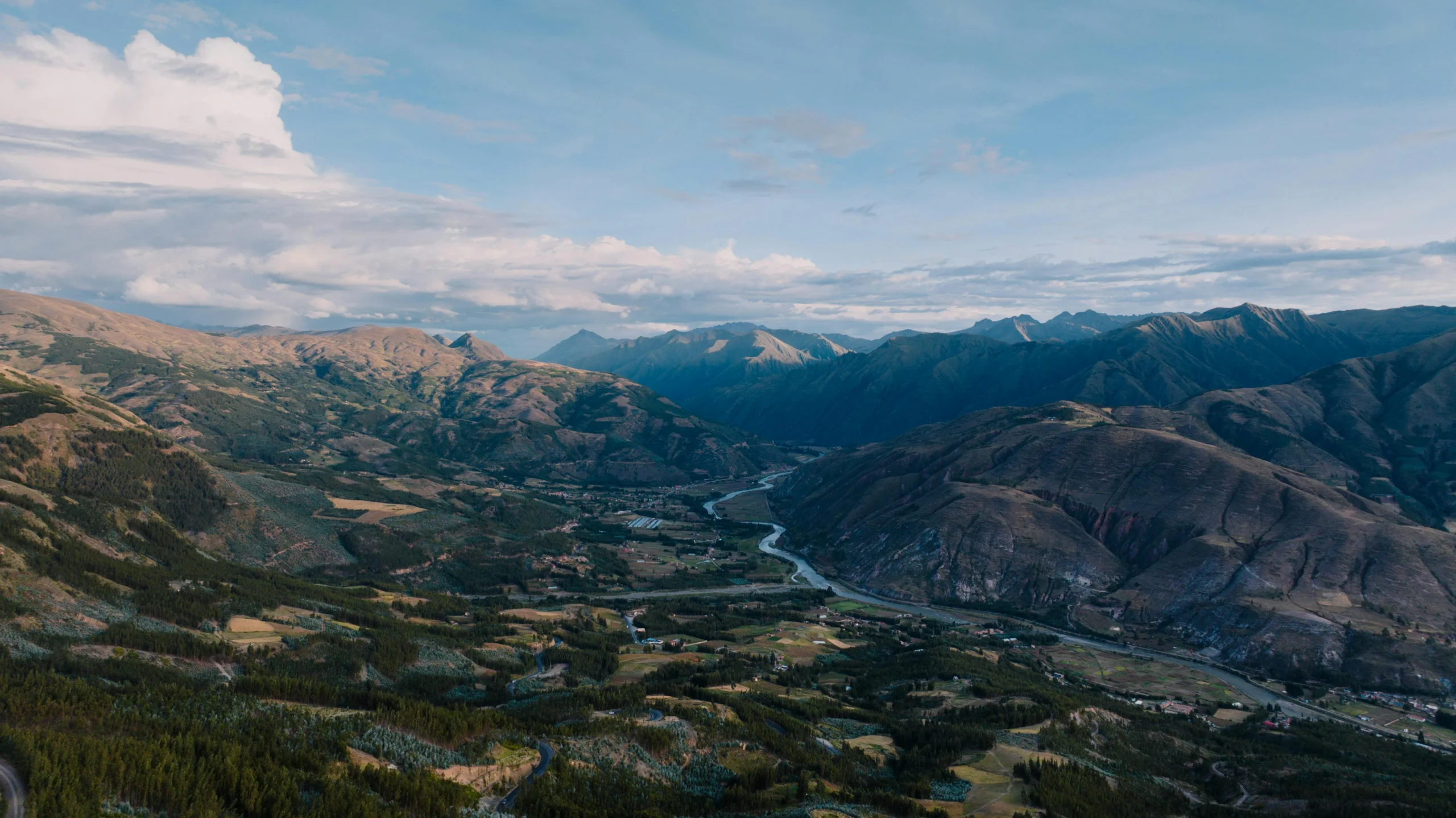
Ancient Inca capital and serious culinary destination, Cusco in January holds a particularly intimate version of itself. The Sacred Valley stretches between Pisac and Ollantaytambo in a green, river-threaded corridor that was the heartland of the Inca empire and remains the most comprehensively beautiful Andean landscape in southern Peru. Its January rains turning the terraced hillsides emerald and filling the Urubamba River with forceful current. Luxury hotels and lodges here offer a vantage point from which the rain feels like an amenity.
Cultural
Korikancha; hiking on uncrowded sections of Inca Trail; living weaving cooperatives in Chinchero
Natural Phenomenon
Maras salt pans in the rain — 3,000 terraced pools filling silver with sky
Culinary
Rocoto relleno, cuy, chicha morada; Mil restaurant above Moray — among South America’s finest
Bolivia – Uyuni Salt Flats
January is the wet season in Bolivia, and at the Salar de Uyuni — the largest salt flat on earth, 12,000 square kilometers of ancient evaporite sitting at 3,656 meters — the wet season is precisely the point. The shallow flood of rainwater that covers the salar from December through April turns it into a perfect mirror of the Andean sky, erasing the horizon and producing one of the world’s few genuinely unrepeatable visual experiences. The mind initially refuses to process the images as photographs, and then refuses to accept them as anything else.
Natural Phenomenon
Sky reflection on the flooded salar — among the world’s great visual experiences, accessible only in the wet season
Wildlife
Flamingo breeding colonies on the Laguna Colorada; viscachas on rocky outcrops
Culinary
Llajwa spiced sauce; quinoa soup; api caliente at dawn before the geysers
Brazil
Rio de Janeiro
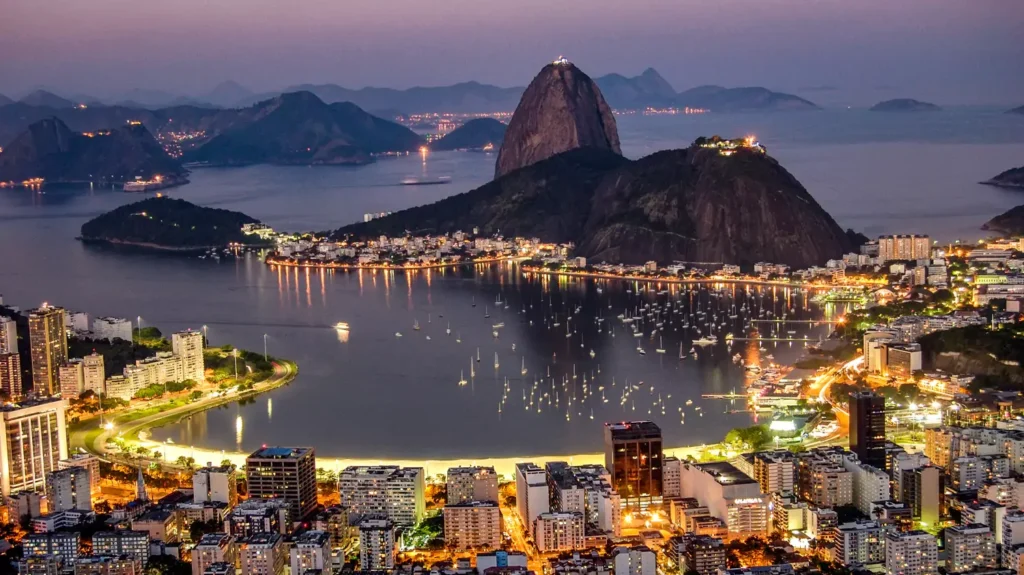
January in Rio is summer at full volume: the beaches of Ipanema, Leme, and Leblon operating at their most democratic, the mountains providing the backdrop they were designed for, the caipirinhas cold, and the asado smoke rising from a hundred parrillas by seven in the evening. The city’s extraordinary juxtaposition of favela and forest and formal architecture is best understood from height: the cable car to Sugarloaf, the cog railway to Corcovado. The Tijuca Forest, the largest urban rainforest in the world, provides genuine wilderness within city limits. Pre-Carnival energy builds through January, with street blocos beginning in neighborhoods across the city.
Culinary
Feijoada on Saturdays; fresh açaí; craft cachaça cocktails in Santa Teresa; churrasco at Fogo de Chão
Cultural
Arpoador sunset samba circles; Lapa neighborhood live music; Santa Teresa galleries
Natural Phenomenon
Tijuca Atlantic Forest — 32 sq km of rainforest within a major city; squirrel monkeys visible on trails
Trancoso, Bahia
Trancoso is the quietest of Bahia’s superlatives — a village of painted houses arranged around a grass quadrado above warm-toned sea cliffs, its beaches among the most beautiful in Brazil and its culinary scene evolved to match the discernment of the architects, artists, and chefs who have been spending January here for decades. The restaurants serve moquecas made with today’s catch; caipirinhas are crafted with umbu and local cachaça; the evenings are long, the company international, the pace entirely its own.
Culinary
Moqueca de camarão; acarajé; fresh cold lobster with lime; vatapá
Cultural
Indigenous Pataxó community visits; local artisan market on the quadrado
Natural Phenomenon
Pataxó indigenous territory to the north; star-dark skies over the Atlantic
Fernando de Noronha
Twenty-one volcanic islands rising from the South Atlantic three hours north of Recife by small plane, Fernando de Noronha is Brazil’s most jealously protected marine environment and its most extravagant natural open secret. January sits at the tail of the dry season with remarkable underwater visibility — sometimes thirty meters through waters where spinner dolphins, sea turtles, and reef sharks move in formations so dense they block the sun from below. Brazil strictly limits the number of visitors on the island at any given time; bookings for January must be made months in advance.
Wildlife
Spinner dolphin pods in Baía dos Golfinhos; hawksbill turtles; reef and nurse sharks
Natural Phenomenon
Morro Dois Irmãos at sunrise — the defining coastal image of Brazil
Culinary
Fresh tuna tataki; lobster with local herbs; doce de figo at the village restaurants
Argentina & Chile
Atacama Desert
The world’s driest non-polar desert occupies a high plateau between the Andes and the coastal range, and January brings occasional Bolivian winter rains to the highest elevations — sometimes triggering a blooming desert phenomenon on the lower slopes while the high salt flats catch afternoon thunderstorms that clear to skies of planetary clarity. The geysers of El Tatio erupt each morning above 4,500 meters while temperatures hover near zero; the flamingos of Laguna Chaxa stand in choregraphed formations; and the stargazing operates in a class entirely its own, the Atacama sitting within a zone so dark and dry that it hosts more international astronomical observatories than anywhere else on earth.
Natural Phenomenon
El Tatio geysers at dawn; world’s finest stargazing above 2,400m; Valle de la Luna at dusk
Wildlife
Vicuñas on the altiplano; three flamingo species; Andean fox; vizcacha
Culinary
Atacameño locro stew; quinoa-crusted Andean lamb; pisco sour in San Pedro de Atacama
Easter Island (Rapa Nui)
Rapa Nui sits 3,700 kilometers from the nearest continent, and January brings the island’s warmest weather and the Tapati Rapa Nui festival — a two-week celebration of traditional music, dance, body painting, canoe racing, and athletic competitions whose roots trace back centuries. The moai — those enormous basalt figures whose backs face the sea and whose eyes look inland toward the villages they were built to protect — are impossible to reduce to any single interpretation, and the effort to understand them becomes a meditation on what endures and why. Walking among the fifteen standing figures at Ahu Tongariki at sunrise, with the Pacific light coming in from the east and the wind moving through the grass, is one of the more complete travel experiences available on this planet.
Cultural
Tapati Rapa Nui festival (late January/February); moai restoration projects; Rapa Nui tattooing tradition
Natural Phenomenon
Rano Kau volcanic crater lake; Rano Raraku quarry where unfinished moai lie as if the work stopped mid-sentence
Culinary
Tuna and mahi-mahi with Polynesian preparations; sweet potato and banana dishes; local pisco
Chile’s Wine Country
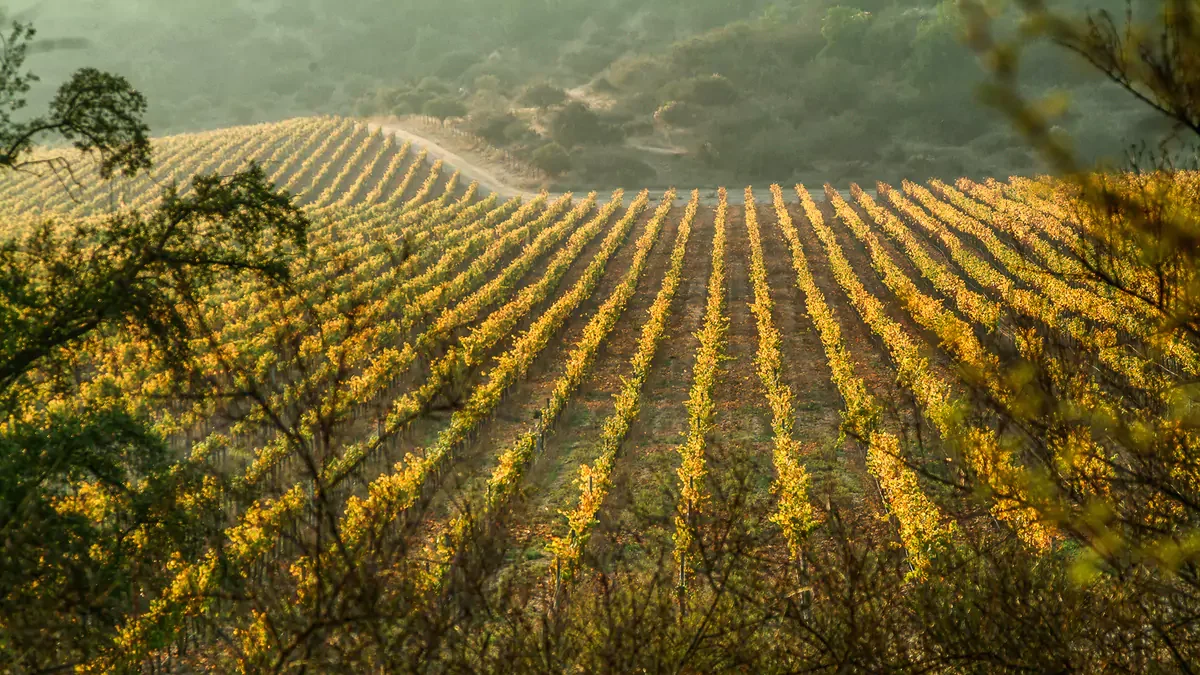
The valleys of Casablanca, Maipo, Colchagua, and Apalta sit within three hours of Santiago and together constitute one of the world’s most scenically distinguished wine regions, the Andes rising in sharp-edged drama behind vineyards that reach their full summer growth in January. This is harvest-approaching season — the grapes in their final weeks of ripening, the bodega teams preparing — and the luxury estates that have opened their doors to guests offer cellar tours, blending laboratories, and farm tables set under vine canopies where the afternoon is allowed to run its course without agenda.
Culinary
Carmenere, high-altitude Malbec, coastal Sauvignon Blanc; asado lunches at Lapostolle, Montes, Clos Apalta
Cultural
The philosophy of organic wineries; heirloom varietals dating back centuries; heritage bodega architecture
Natural Phenomenon
Andes as vineyard backdrop — one of the world’s great wine-country vistas
Mendoza
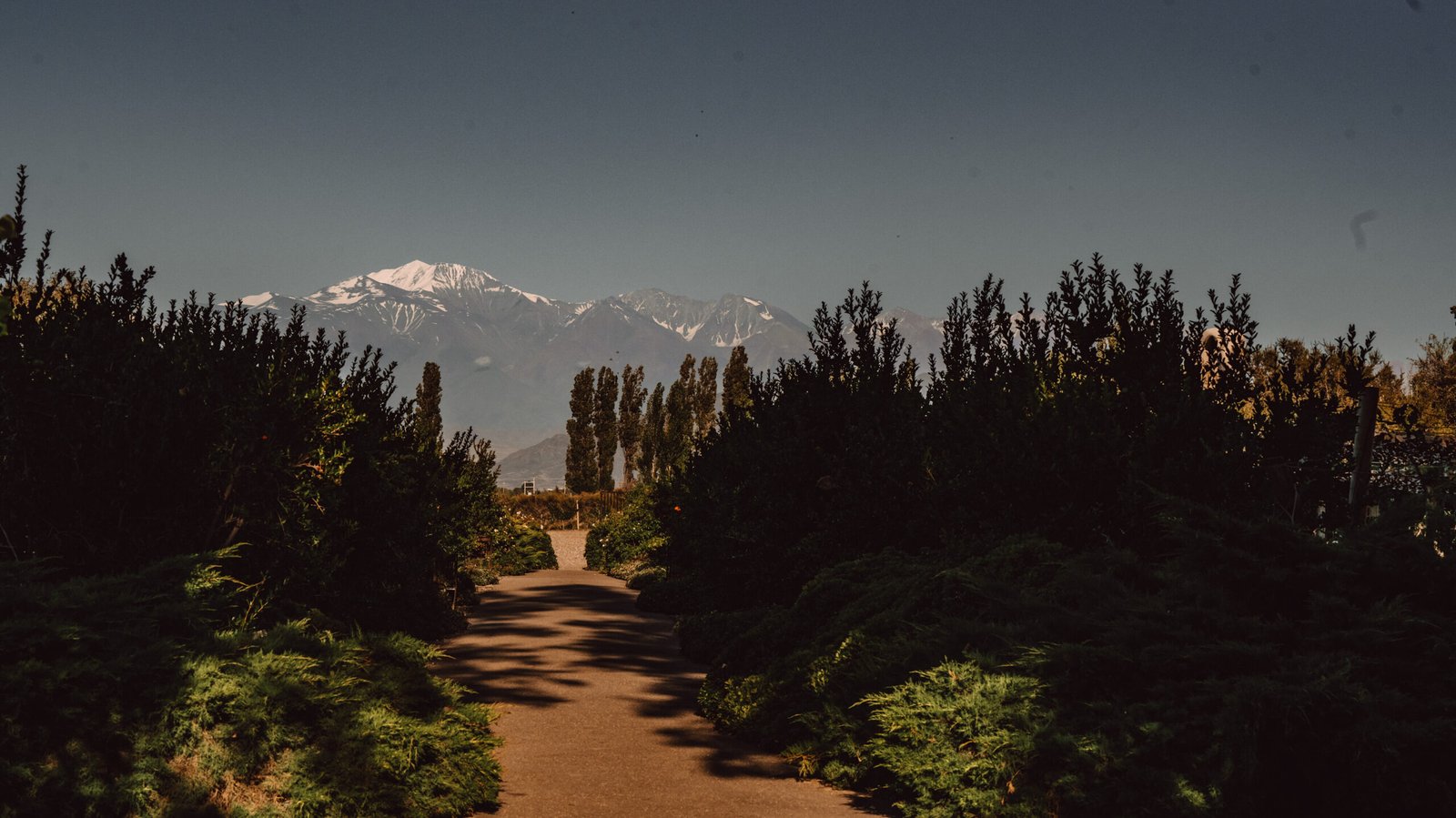
Mendoza is wine made in abundance — the snowmelt of the Andes feeding an irrigation system that has sustained one of the world’s great viticulture regions for two centuries. January is harvest-approaching: the Malbec grapes in their final weeks of deep, intense ripening, the hotel terraces of Luján de Cuyo looking west toward the Andes with the particular contentment of places that know exactly what they are for. The high-altitude vineyards of the Valle de Uco at 1,500 meters produce wines of precision and mineral character that have made Mendoza a mandatory stop on any serious wine itinerary.
Culinary
High-altitude Malbec, Torrontes; legendary open-fire cooking
Natural Phenomenon
Aconcagua — the Western Hemisphere’s highest peak — visible from vineyard terraces on clear days
Wildlife
Andean condor on thermals above the eastern Andes foothills
Northern Patagonia
The lake districts of Chilean and Argentine Patagonia — centered on Bariloche, Pucon, and Puerto Varas — offer a January landscape of extraordinary beauty: the Andes reflected in lakes whose color shifts from turquoise to slate depending on the glacial flour content, German-inflected architecture in lakeside towns with Mapuche cultural roots, farms producing the lamb and smoked fish that define Patagonian cuisine. January is peak trekking and fly-fishing season — the brown and rainbow trout of Patagonian rivers have been drawing serious anglers for over a century.
Wildlife
Huemul deer; Andean condor; pudu (world’s smallest deer) in the Valdivian rainforest
Natural Phenomenon
Glacial lake colors shifting turquoise to slate; volcanoes reflected in deep blue alpine lakes
Culinary
Curanto earth-oven feast; Patagonian lamb asado; smoked Patagonian trout
Southern Patagonia — Torres del Paine & Los Glaciares
January is the height of trekking season in Torres del Paine National Park, where the granite towers that give the park its name rise 2,800 meters above the pampas in formations so implausible that early explorers drew them incorrectly, certain they had misread the landscape. The W Trek and Circuit move hikers through compressed ranges of ecosystems — windswept pampas, temperate rainforest, glacial moraines, the Gray Glacier itself — while the luxury lodges at the park’s edge offer the remarkable convenience of being within kilometers of wilderness that feels genuinely untamed. In Argentine Patagonia, the Perito Moreno Glacier advances three meters per day and calves with a sound like artillery.
Wildlife
Puma with cubs in January; guanacos; Andean condor; flamingos on windswept salares
Natural Phenomenon
Torres del Paine peaks at sunrise; Perito Moreno Glacier calving; Fitz Roy ridge at dawn
Culinary
King crab (centolla) in Puerto Natales; Patagonian lamb slow-roasted on an asado cross
Coastal Uruguay — Punta del Este & Jose Ignacio
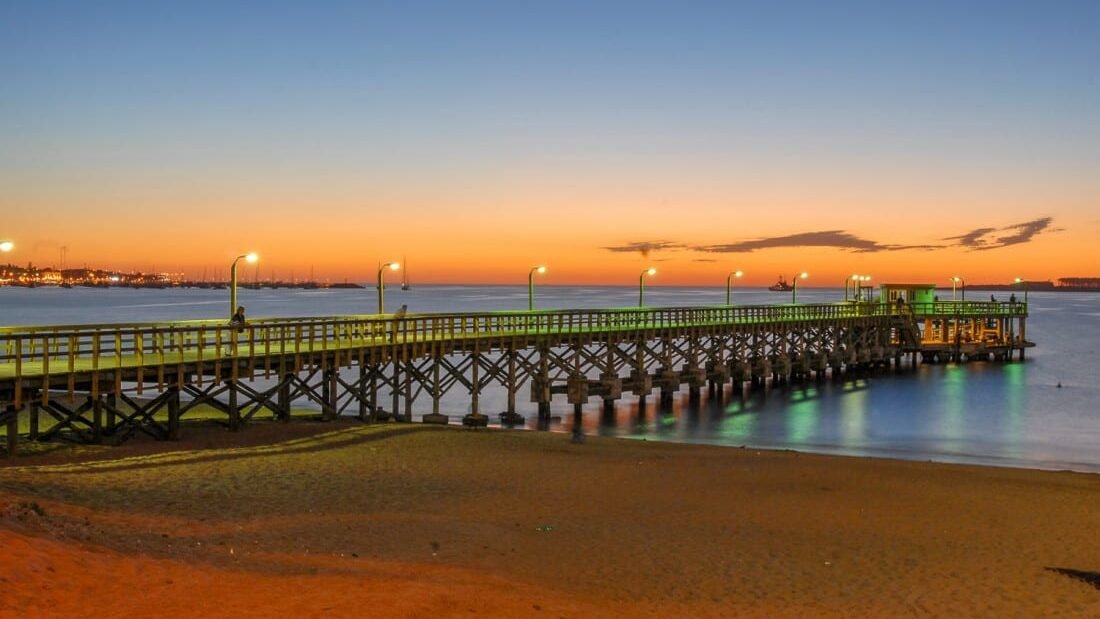
The Atlantic beaches of Punta del Este and José Ignacio operate at their peak social intensity in January, when the intelligentsia of Argentine and Uruguayan culture retreats to the same stretch of coast it has occupied, in many cases, for three generations. But it is José Ignacio that has become the destination of discernment: a fishing village turned design destination, its restaurants operating without signage, its beach clubs presiding over sunsets of remarkable quality, its aesthetic of weathered wood and native grasses a considered rejection of the ostentatious.
Wildlife
South American sea lions at Punta Ballena; right whale sightings off the Atlantic coast
Cultural
Jose Ignacio international art scene; private collections open to guests; polo estancias nearby
Culinary
Parrilla culture at its finest; fresh razor clams; Bodega Garzón Albarino and Tannat
Antarctica
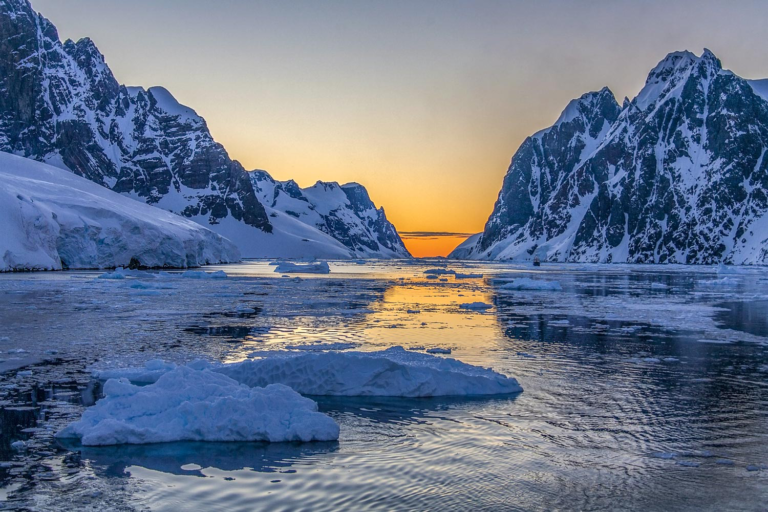
January is Antarctica at its most accessible and most dramatic: the austral summer at full tilt, the sun circling rather than setting, the air cold enough to be clarifying. Penguin chicks are hatching in their hundreds of thousands; humpback and minke whales feed in nearshore waters with the focused deliberateness of creatures that have crossed an ocean for this meal; and the combination of dramatic iceberg scenery and extraordinary wildlife encounters delivers what is, for many travelers, the most profoundly dislocating experience of their lives. Small expedition vessels (typically 100–200 passengers) provide the expert naturalist guidance and intimate Zodiac-landing access that defines responsible Antarctic travel — and January’s long light means photography is possible at any hour.
Wildlife
Gentoo, chinstrap, and Adelie penguins; humpback and minke whales; leopard seals; Weddell seals
Natural Phenomenon
Midnight sun; tabular icebergs lit in blue and amber; glacial calving events
Cultural
Retracing portions of the Shackleton and Scott expeditions; Scott’s Cape Evans hut preserved as he left it
Why Book in Advance
January is one of the most heavily subscribed travel months in the Southern Hemisphere. Antarctica expedition vessels sell out twelve to eighteen months in advance — the finest small ships often earlier than that. Fernando de Noronha enforces a strict daily visitor cap; access for January must be reserved the previous year. The luxury lodges of the Osa Peninsula and Torres del Paine operate at capacity from December through March. Uruguay’s José Ignacio and Trancoso in Bahia see their best villas claimed a year ahead by returning guests. Tapati Rapa Nui festival accommodation on Easter Island disappears within weeks of becoming available. To travel well this month is to have planned with intention.
READY TO PLAN YOUR JOURNEY?
Our LANDED travel designers craft bespoke itineraries for discerning couples, families, and multi-generational groups — blending deep regional knowledge with privileged access to the places, people, and experiences that define each destination.